
Trees
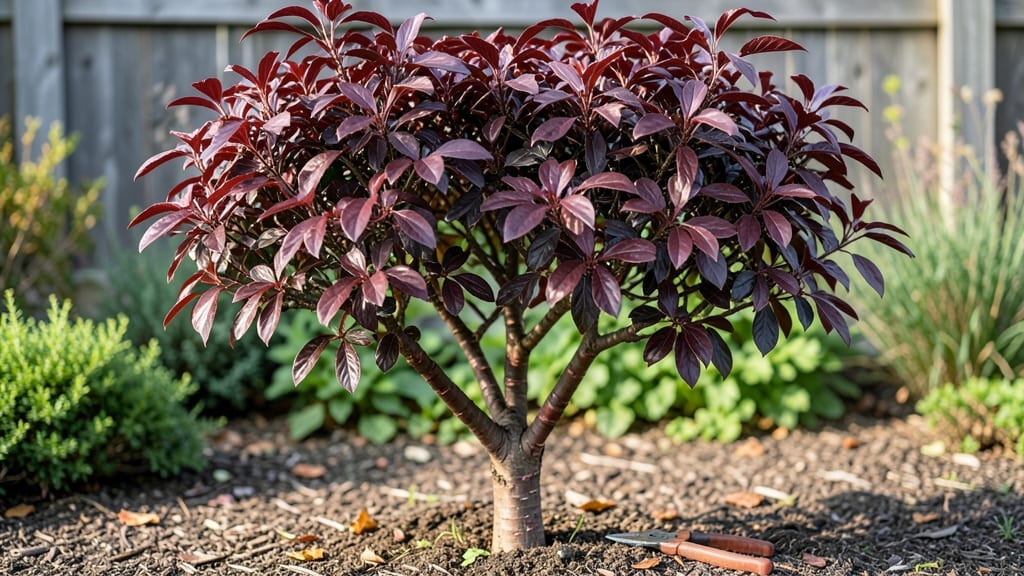
The maroon-colored trees that steal the show every autumn? 🌿 I’ve planted Cercis canadensis 'Forest Pansy' and Acer palmatum 'Bloodgood' in my yard, and they don’t just stop passersby—they make neighbors ask for the tree’s name.
The secret isn’t just their stunning fall color, but how they shine in every season: spring blooms, summer shade, and winter structure.
These trees thrive in full sun to partial shade and handle most soil types, though they adore well-draining earth. Plant them where you’ll see them year-round—near patios or walkways—because their bold foliage and graceful branches add drama in every season.
A single specimen makes a statement, while groupings create a lush, layered effect.
You’ll love how they transform your garden from ordinary to extraordinary with minimal effort. The maroon hues deepen as fall arrives, creating a rich contrast against golden maples or evergreens. Plus, their compact sizes (15–30 feet tall) mean they fit even small yards without overwhelming the space.
Fair warning: mulch well to retain moisture, and prune lightly in late winter to encourage fresh growth. These trees reward patience with decades of color and curb appeal—no wonder they’re garden design staples. Let’s get yours planted!
📚 In This Guide
- What you need
- Instructions
- Tips and common mistakes
- Wrapping up and next steps
What you need
- ● Maroon-colored trees: 1–3 mature trees (species like Japanese Maple (Acer palmatum 'Bloodgood'), Sweetgum (Liquidambar styraciflua), or Red Oak (Quercus rubra)). Check local nurseries for availability.
- ● Shovel: 1 medium-sized digging tool (for planting or soil prep).
- ● Garden gloves: 1 pair (to protect hands while handling soil or sap).
- ● Mulch: 2–3 bags (3–4 cubic feet each) of wood chips or pine straw to retain moisture and suppress weeds.
- ● Watering can or hose: 1 with a spray nozzle (for gentle watering).
- ● Pruning shears: 1 pair (for shaping or trimming new growth).
- ○ Soil test kit (optional): 1 (to check pH and nutrient levels before planting).
- ● Camera or smartphone with a polarizing filter (to capture maroon foliage in all its glory).
- ● Slow-release fertilizer (e.g., 10-10-10 NPK) for nutrient boosts.
- ● Stakes and twine (if planting young trees for support).
- ● Autumn-themed decor (e.g., pumpkins, lanterns, or cozy blankets) for a seasonal vibe.
How to select and care for stunning maroon autumn trees
Here’s how to choose and nurture trees that turn your fall landscape into a fiery showstopper.
🌿 Step 1: Choose the Right Maroon-Leafed Tree Varieties
Look for trees known for their deep maroon foliage in autumn, like the sweetgum (Liquidambar styraciflua) or red maple (Acer rubrum ‘Autumn Flame’). These varieties hold their vibrant color longer than others. Check the tree’s mature size—some grow 30-50 feet tall, while dwarf varieties stay under 15 feet. Plant in full sun to partial shade for the richest color intensity.
I always verify a tree’s fall color reputation before buying. Some nurseries mislabel trees, so ask for a sample leaf or check online reviews. The Japanese maple (Acer palmatum) is another winner, but it thrives in USDA zones 5-8 and needs well-drained soil.
☀️ Step 2: Plant in the Best Location and Soil Conditions
Maroon-leafed trees need well-draining soil to prevent root rot—amend heavy clay with 2-3 inches of compost before planting. Dig a hole twice as wide as the root ball but no deeper. Place the tree so the top of the root ball sits 1-2 inches above ground level to prevent waterlogging.
Position the tree where it gets at least 6 hours of sunlight daily, especially in cooler climates. If planting in hot, dry areas, add 3-4 inches of mulch (not touching the trunk) to retain moisture. Water deeply once a week for the first month to help roots establish.
💧 Step 3: Water and Fertilize for Vibrant Fall Color
Once established, water deeply every 10-14 days unless rainfall provides 1 inch of moisture. Overwatering stresses trees and dulls fall colors. Apply a balanced, slow-release fertilizer (like 10-10-10) in early spring and again in mid-summer to support leaf production.
Watch for yellowing leaves—this signals overwatering or nutrient deficiency. If leaves drop early, the tree may need more sunlight or less water. A light pruning in late winter removes dead branches and encourages stronger growth for the next season.
✂️ Step 4: Prune and Protect for Long-Lasting Color
Prune in late winter or early spring to shape the tree and remove crossing or dead branches. Avoid heavy pruning in fall, as it stresses the tree when it’s already preparing for dormancy. Thin the canopy slightly to improve air circulation, which reduces disease risk.
If your area gets freezing temps below 10°F, wrap young trees in burlap or use tree guards to protect bark from sun scald. Older trees usually handle cold well, but newly planted specimens need extra care. Mulch again in late fall to insulate roots during winter.
Tips & tricks for perfect maroon autumn trees
Here's what nobody tells you about getting those jaw-dropping maroon fall colors that make neighbors stop and stare.
Variety Verification: Don't just take the nursery's word for it—ask to see a sample leaf from last year's fall foliage. I've seen sweetgums labeled as "Autumn Flame" that turned out to be the regular green variety. The red maple 'Autumn Flame' should have deep maroon leaves by early October, while Japanese maples often need cooler nights to trigger their best colors. Check the USDA zone hardiness if you're on the edge—some varieties won't survive your winters.
Soil Science: That 2-3 inches of compost in Step 2 isn't just about drainage—it's about creating the perfect microbial environment for root health. Mix in some aged bark fines if your soil is particularly dense. And here's the thing: if your soil tests show high pH (above 7.0), your maroon leaves might turn more purple than deep red. A light application of sulfur can help lower pH naturally over time.
Watering Wisdom: The "deeply every 10-14 days" rule changes when temperatures drop. In fall, when nights get cooler but days stay warm, you might need to water every 7-10 days instead. The key is to keep the roots consistently moist but never soggy—think of it like giving your tree a steady drink rather than a daily splash. Yellowing leaves in fall usually mean you're overwatering, not underwatering.
Fertilizer Timing: That early spring and mid-summer feeding schedule is perfect, but here's the catch: stop fertilizing by late August. New growth after that won't have time to harden off before winter, making your tree more vulnerable to cold damage. Instead, focus on a light mulch application in early fall to protect those roots we worked so hard to establish.
Pro Tips for Maroon Colored Trees
- Here's what nobody tells you about getting those jaw-dropping maroon fall colors that make neighbors stop and stare.
- Variety Verification: Don't just take the nursery's word for it—ask to see a sample leaf from last year's fall foliage.
- Soil Science: That 2-3 inches of compost in Step 2 isn't just about drainage—it's about creating the perfect microbial environment for root health.
Frequently asked questions
Got questions about those stunning maroon-colored trees lighting up your fall walks? You’re not alone! Here are some of the most common queries—plus quick answers to help you appreciate (or even grow) these fiery beauties.
Why do some trees turn maroon instead of orange or yellow?
Maroon foliage is all about anthocyanins, pigments that develop when sugars get trapped in leaves as chlorophyll fades. Cooler nights and sunny days boost these red hues—think of it as nature’s way of showing off before winter! Some species, like Japanese maples or red oaks, are bred or evolved to lean into this dramatic shade.
Are maroon trees hard to find, or can I plant one in my yard?
Not at all! Many nurseries carry maroon-leaved varieties of common trees, such as red maples, crimson king maples, or even purple beech trees. Just check your USDA hardiness zone—some thrive in zones 4–9, while others need milder climates. Pro tip: Pair them with golden or yellow foliage for a wow contrast!
Will maroon trees attract pests more than other colors?
Not necessarily! While some pests (like spider mites) might love the extra sugar in anthocyanin-rich leaves, healthy, well-maintained trees resist them better. Prune regularly, water deeply during droughts, and avoid over-fertilizing. If you spot issues, a quick spray of neem oil or insecticidal soap can help—no need to panic!
How long does the maroon color last compared to other fall leaves?
Timing varies by species, but maroon hues often peak later than yellows or oranges—sometimes sticking around for 3–4 weeks (vs. 2 weeks for some golds). Cooler, crisp autumns (like those in New England or the Midwest) tend to prolong the show. For the longest display, plant trees that mature at different times!
What if my maroon tree isn’t changing color this year?
Don’t worry—it’s not a death sentence! Skipping color could mean stress from drought, poor soil, or pests. Check for wilting, yellowing (not red) leaves, or sawdust-like frass (a pest sign). Try deep watering and a balanced fertilizer in early fall. If the issue persists, consult a local arborist—they’ll help diagnose the problem.
Still curious? Drop your maroon tree questions in the comments—we’re happy to help you geek out over autumn’s most dazzling shades!
Wrapping up and next steps
Maroon-colored trees aren’t just a fleeting autumn spectacle—they’re a vibrant celebration of nature’s artistry. Whether you’re admiring them from afar or learning how to care for them, these fiery foliage stars add warmth and depth to any landscape. 🍂
Now that you’re inspired, why not plan your next outdoor adventure? Visit a local park, take photos of your favorite maroon-leafed trees, or even plant one in your yard to enjoy their beauty year after year. Every walk is better with a little autumn magic!