
Pruning
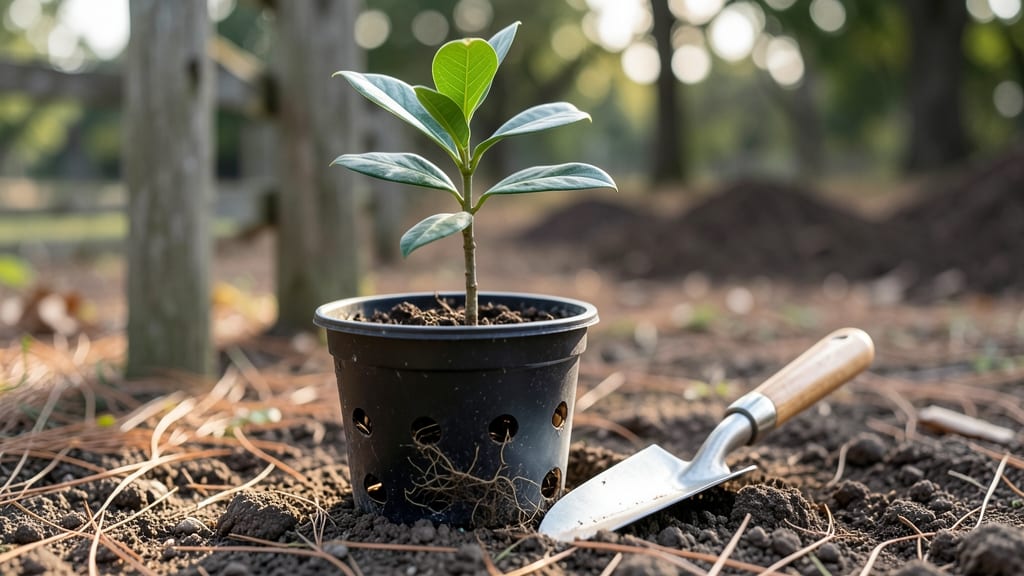
Planting a macadamia tree seedling in the Pacific Northwest is like giving your yard a taste of the tropics—if you get the cold-hardy varieties and care right.
I’ve grown these nut trees from seedlings in my Seattle garden, and the key isn’t just the right soil or sun, but knowing how to protect them from winter’s chill while letting them thrive in our damp summers.
The secret starts with the right seedling: look for cold-hardy varieties like ‘Beaumont’ or ‘Wahl’ that can handle our winters down to 15°F without losing leaves.
You’ll need well-draining soil (amend with sand or gravel if yours is heavy clay), a sunny spot with at least 6 hours of direct light, and patience—these trees grow slowly but reward you with sweet, buttery nuts in 5-7 years.
Once planted, water deeply once a week (more in summer), mulch heavily to insulate roots, and prune only to shape—never to force growth. The first winter is critical: wrap the trunk in burlap or use a frost cloth to shield young bark from cracking.
By year three, you’ll see strong branches and the promise of those coveted nuts.
This isn’t a quick project, but the payoff—homegrown macadamias—makes it worth every season of waiting. Whether you’re starting from a bare-root seedling or a potted one, the same rules apply: protect, nurture, and let nature do the rest. Ready to grow your own?
📚 In This Guide
- What you need
- Instructions
- Tips and common mistakes
- Wrapping up and next steps
What you need
- ● Macadamia tree seedling: A 1- to 3-year-old cold-hardy variety (e.g., Macadamia integrifolia or M. tetraphylla hybrids). Choose a grafted or rooted cutting for better reliability.
- ● Well-draining soil mix: 60% high-quality potting soil, 20% perlite, and 20% coarse sand (or pumice for better aeration). Avoid heavy clay.
- ● Growing containers: 2–3 gallon pots (or larger) with drainage holes. Use fabric pots for better root health.
- ● Organic fertilizer: Slow-release 10-10-10 or a balanced organic blend (e.g., fish emulsion or compost tea). Start with a low dose to avoid burning roots.
- ● Mulch: 2–3 inches of wood chips or straw to retain moisture and regulate soil temperature.
- ● Drip irrigation or watering can: For consistent moisture without overwatering.
- ● Pruning shears: Sharp, sterilized shears (or a small saw for thicker branches).
- ● Garden trowel: For transplanting or amending soil.
- ● pH testing kit: To ensure soil pH is between 5.5–6.5 (macadamias prefer slightly acidic soil).
- ○ Thermometer (optional): To monitor soil temperature, especially in early spring or late fall.
- ○ Shade cloth (30–50% coverage, optional): For young seedlings in hot summer months.
- ● A sunny location with at least 6–8 hours of direct sunlight daily (macadamias thrive in full sun!).
- ● Protection from strong winds (use a windbreak or plant near a fence/wall).
- ● Patience! Macadamia trees grow slowly—expect 1–2 feet of growth per year in ideal conditions.
Step-by-Step guide to establishing cold-hardy macadamia tree seedlings in the Pacific Northwest
Here's how I've successfully grown macadamia seedlings that thrive in cooler climates.
🌱 Step 1: Select and Prepare the Right Seedlings
Choose 4 cold-hardy macadamia seedlings from a reputable nursery—look for varieties like 'Mauka' or 'Iko Iko' that tolerate temperatures down to 20°F. These are the only types that will survive Pacific Northwest winters without protection. Handle seedlings gently when removing them from containers to avoid damaging the delicate root systems.
Before planting, soak the root balls in lukewarm water for 15-20 minutes to rehydrate any dried roots. This step is crucial because macadamia trees have shallow roots that dry out quickly. You'll know they're ready when excess water drains freely and the soil feels uniformly moist to the touch.
I always inspect the roots for any signs of rot or damage—healthy roots should be firm and light brown, not mushy or dark. Trim any broken roots with clean pruners, then pat the soil back into place around the root ball before planting. This ensures a strong foundation for your young tree.
🪴 Step 2: Choose the Perfect Planting Site
Macadamia trees need full sun—at least 6-8 hours of direct sunlight daily—to produce nuts and grow strong. In the Pacific Northwest, this means selecting a spot with minimal shade from evergreens or large structures. I recommend planting on the south or west side of your property to maximize sunlight exposure.
The soil should be well-draining—macadamia trees hate soggy roots. If your soil is heavy clay, amend it with 2-3 inches of compost mixed into the top 12 inches of soil. The planting hole should be twice as wide as the root ball but only as deep. This prevents burying the graft union (visible as a slight swelling on the trunk) too deeply.
Here's the thing—macadamia trees are sensitive to wind. Plant them in a location where they'll receive some wind protection, especially in coastal areas where winds can be strong. A fence or nearby shrubs can help without blocking sunlight completely. You'll see better growth and fewer broken branches when they're sheltered.
☀️ Step 3: Plant with Care and Mulch Properly
Place the seedling in the hole so the top of the root ball sits 1-2 inches above ground level. This prevents water from pooling around the trunk, which can cause rot. Backfill the hole with the amended soil, pressing gently to remove air pockets. Water deeply right after planting to settle the soil and eliminate gaps.
Spread 3-4 inches of organic mulch (like wood chips or straw) around the base of the tree, keeping it 6 inches away from the trunk. Mulch helps retain moisture and regulate soil temperature, which is especially important in the Pacific Northwest's variable climate. Replenish mulch annually as it breaks down—this ensures consistent protection.
Don't skip this step: mulching reduces watering needs by 30-40% and keeps roots cool during summer heatwaves. You'll notice healthier growth and fewer signs of stress in your seedlings when mulch is properly applied. Water deeply once a week for the first 4-6 weeks to encourage root establishment.
⏰ Step 4: Protect and Monitor Through the First Year
Young macadamia seedlings are vulnerable to late spring frosts, which can damage new growth. If frost is forecasted in early spring, cover the tree with a frost cloth or row cover for added protection. Remove the cover as soon as temperatures rise to avoid overheating the plant.
Fertilize lightly in early spring with a balanced, slow-release fertilizer (like 10-10-10) to support new growth. Over-fertilizing can burn young roots, so follow package instructions carefully. You'll see stronger stems and more vibrant leaves within 6-8 weeks of fertilization.
Watch for signs of stress, like yellowing leaves or stunted growth. These often indicate overwatering, underwatering, or nutrient deficiencies. Adjust your care routine accordingly—macadamia trees prefer slightly dry conditions once established but need consistent moisture when young. With proper attention, your seedlings will develop into sturdy, cold-hardy trees ready for Pacific Northwest winters.
Tips & tricks for establishing cold-hardy macadamia seedlings
These practical insights will help you avoid common pitfalls when planting macadamia seedlings in the Pacific Northwest's challenging climate.
Root Health Check: In Step 1, when you're inspecting those delicate roots, pay special attention to the color and texture. Healthy roots should be light brown and firm to the touch—anything darker or mushy means the seedling has been damaged or overwatered. I've seen many seedlings rejected because of this simple oversight. Trim any damaged roots with clean pruners right before planting to give your tree the best possible start.
Soil Preparation Insight: The 2-3 inches of compost you mix into the top 12 inches of soil in Step 2 isn't just about drainage—it's also about creating the right microbial environment. Macadamia trees thrive with beneficial fungi in their roots, and compost provides the perfect food source. If your soil is particularly heavy, consider adding perlite or coarse sand to improve aeration without compromising moisture retention.
Wind Protection Strategy: When selecting your planting site in Step 2, think about wind patterns on your property. Coastal areas get the strongest winds, but even inland locations can have microclimates. I've found that planting near a sturdy fence or shrub line—on the leeward side—gives seedlings the protection they need without sacrificing sunlight. Just make sure there's still room for the tree to grow to its mature size (20-40 feet) without crowding.
Mulching Mastery: That 3-4 inches of organic mulch in Step 3 does more than just conserve water. It creates a protective barrier against temperature swings that are common in Pacific Northwest winters. I recommend using wood chips because they break down slowly and improve soil structure over time. Keep the mulch 6 inches away from the trunk to prevent rot—this is where many gardeners go wrong and end up with trunk diseases.
Pro Tips for Macadamia Tree Seedling
- These practical insights will help you avoid common pitfalls when planting macadamia seedlings in the Pacific Northwest's challenging climate.
- Root Health Check: In Step 1, when you're inspecting those delicate roots, pay special attention to the color and texture.
- Soil Preparation Insight: The 2-3 inches of compost you mix into the top 12 inches of soil in Step 2 isn't just about drainage—it's also about creating the right microbial environment.
Frequently asked questions
Got questions about growing macadamia tree seedlings in the Pacific Northwest? You’re not alone! Here are answers to the most common concerns—from timing to troubleshooting—so you can nurture your cold-hardy grove like a pro.
How long does it take for a macadamia seedling to bear nuts?
A macadamia tree seedling typically takes 7–10 years to produce its first harvestable nuts. Patience is key—focus on establishing a strong root system and canopy first! In the PNW, younger trees benefit from winter protection (like burlap wraps) to encourage faster maturity. Pro tip: Prune lightly in early spring to redirect energy toward nut production.
Can macadamia seedlings survive PNW winters without extra protection?
Most cold-hardy varieties (like ‘Wahl’ or ‘Ikawa’) tolerate temps down to 10–15°F, but seedlings are more vulnerable. New transplants need winter mulch (straw or pine needles) and windbreaks. Established trees (3+ years) often fare better, but monitor for frost cracks on bark. Troubleshoot: If leaves blacken after cold snaps, prune damaged branches in late winter.
What’s the best way to propagate macadamia from seed vs. nursery seedlings?
Growing from seed is cheap but slow—germination takes 30–90 days, and trees may take decades to bear nuts. Nursery seedlings (grafted or rooted cuttings) are faster, disease-resistant, and true to variety. For PNW gardeners, purchasing cold-hardy seedlings from reputable nurseries (like those specializing in Mediterranean climates) is the smartest bet. Alternative: Ask local agricultural extensions for seedling sources!
When is the ideal time to plant macadamia seedlings in the PNW?
Plant in early spring (March–April) or fall (October–November) when soil temps are above 50°F. Avoid summer heatwaves—seedlings stress easily. Dig a hole twice as wide as the root ball, amend with compost, and water deeply. Fall planting gives roots time to establish before winter, but protect young trees with mulch. Timing tip: PNW’s rainy winters make fall planting risky if soil stays soggy.
What pests or diseases should I watch for in macadamia seedlings?
Common PNW threats include:
- Scale insects: Sticky residue on leaves? Spray with horticultural oil.
- Root rot: Yellowing leaves + mushy roots? Improve drainage and avoid overwatering.
- Nematodes: Stunted growth? Solarize soil or use resistant varieties.
- Fungal leaf spot: Remove infected leaves and apply copper fungicide.
Prevention is easier than cure—inspect seedlings regularly and keep the area weed-free. Preventative tip: Drench soil with neem oil at planting to deter early pests.
Wrapping up and next steps
Growing a cold-hardy macadamia tree seedling in the Pacific Northwest is absolutely doable with the right care and patience! 🌱 Whether you’re pruning for shape, protecting against frost, or nurturing young growth, these nursery secrets will set your tree up for long-term success.
With the right techniques, you’ll enjoy a thriving macadamia tree that rewards you with delicious nuts for years to come.
Ready to take the next step? Start small—plant your seedling in a sheltered spot, monitor its progress, and gradually expand your care routine. Before you know it, you’ll be harvesting your own macadamia nuts! 🌟