Pruning
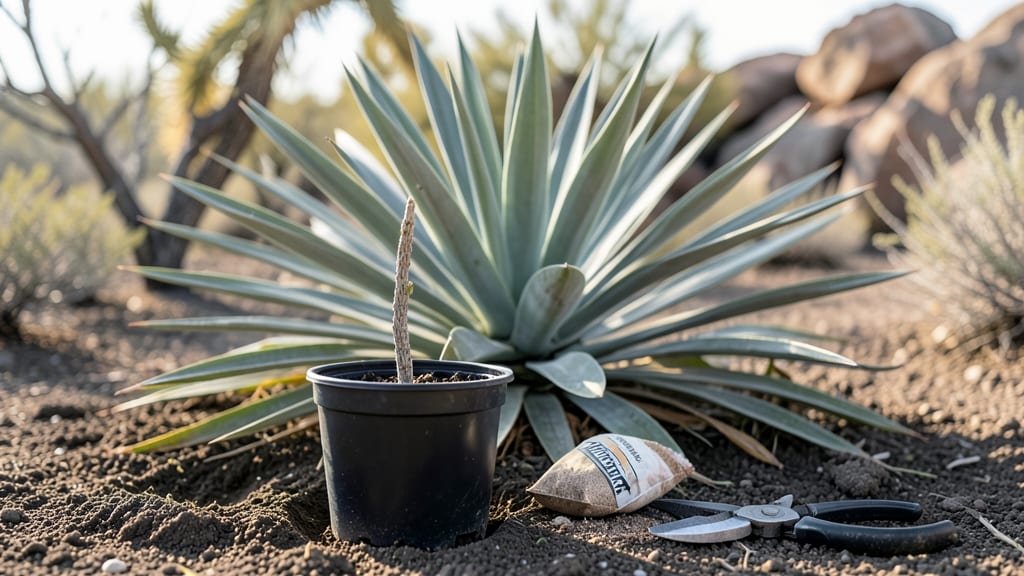
Growing a Joshua tree seedling in the Pacific Northwest feels like taming a tiny desert mirage—it’s possible, but you’ve got to treat it like the delicate survivor it is. 🌵 These iconic plants aren’t native to your climate, so their success hinges on mimicking their natural conditions while protecting them from winter’s chill.
The key lies in balancing their desert roots with your region’s damp, cooler weather.
Start with seeds from a trusted source—nursery-grown seedlings often struggle more than home-grown ones. You’ll need a well-draining soil mix (think 60% cactus/succulent mix, 30% perlite, and 10% coarse sand) to prevent root rot, their biggest enemy.
Keep them in a bright, sunny spot (at least 6 hours of direct light daily) and water sparingly—only when the top inch of soil feels dry.
Expect slow growth at first, but with patience, your seedling will develop that signature twisted silhouette. The real test comes in winter: mulch heavily around the base and shield it from heavy rain.
Within a few years, you’ll have a hardy little Joshua tree that thrives despite the odds—proof that even desert plants can adapt.
This guide covers everything from seed sourcing to long-term care, including how to handle common pitfalls like fungal issues or stunted growth. By the end, you’ll know exactly how to nurture this unusual survivor into a striking centerpiece for your garden.
📚 In This Guide
- What you need
- Instructions
- Tips and common mistakes
- Wrapping up and next steps
What you need
- ● Joshua tree seeds – 5–10 seeds (ensure they’re fresh or cold-stratified for better germination).
- ● Well-draining potting mix – 10–15 lbs of a cactus/succulent blend (or add perlite/pumice for aeration).
- ● Containers – 4–6 small pots (4–6 inches deep) with drainage holes or a seed tray with cell inserts.
- ○ Grow lights or sunny windowsill – A full-spectrum LED grow light (optional but helpful for indoor starts).
- ● Misting bottle or spray nozzle – For gentle hydration without overwatering.
- ● Cold frame or greenhouse – A small, portable cold frame or a greenhouse setup to protect seedlings from late frosts.
- ● Trowel or small shovel – For transplanting seedlings into larger pots or outdoor beds.
- ● Pruning shears – Sterilized shears for trimming leggy growth or shaping young plants.
- ○ Thermometer (optional) – To monitor soil temps (ideal germination range: 60–75°F).
- ● Compost or fertilizer – A balanced, low-nitrogen fertilizer (like 5-5-5) for slow feeding.
- ○ Mulch (optional) – Gravel or crushed rock to mimic the Joshua tree’s native desert conditions.
- ● A sunny spot! Joshua trees thrive in full sun (6+ hours/day)—indoors or outdoors.
- ● Patience—germination can take 2–6 weeks (or longer!).
- ● Access to a well-draining outdoor site (if planting outdoors) with rocky, alkaline soil.
Step-by-step guide for planting and protecting Joshua tree seedlings in the Pacific Northwest
Here's how to give these desert survivors their best shot at thriving in your cold, wet climate.
🪴 Step 1: Choose the Right Location and Prepare the Soil
Joshua trees demand full sun exposure—at least 6-8 hours daily—so pick the warmest, driest spot in your yard. South-facing slopes or raised beds work best. Avoid low areas where water pools, as Joshua trees despise soggy roots.
Amend your native soil with 1 part coarse sand for every 2 parts existing soil to improve drainage. Joshua trees can't tolerate heavy, compacted soil. Test your spot by digging a 12-inch hole—if water doesn't drain within 30 minutes, keep looking for a better site.
☀️ Step 2: Plant at the Correct Depth and Shield from Wind
Set the seedling so the top of its root ball sits 1-2 inches above soil level. Press the surrounding soil gently but firmly to eliminate air pockets. Joshua trees have shallow but wide-spreading roots, so avoid planting too deep—this can suffocate the plant.
Stake the seedling if needed, especially in exposed areas. These trees aren't used to Pacific Northwest winds, which can dry out their delicate new growth. Use 3-foot stakes and tie the main stem loosely with soft plant tape to prevent girdling.
💧 Step 3: Water Sparingly and Only When Necessary
Water deeply once every 2-3 weeks during the first growing season, providing 1 gallon per plant. Let the soil dry completely between waterings—Joshua trees are adapted to drought, not consistent moisture. Overwatering is the fastest way to kill them in your climate.
Check moisture by sticking your finger 2 inches into the soil. If it feels damp, wait. If it's bone dry, water slowly at the base until it runs out the drainage holes. Mulch with 2 inches of gravel (not organic mulch) to prevent soil compaction and retain heat.
✂️ Step 4: Protect from Frost and Winter Rain
In your region's first winter, wrap the seedling's base with burlap or frost cloth to shield it from heavy rain and frost. Joshua trees can handle 10-15°F temperatures, but prolonged wet cold will rot their roots. Remove the protection in early spring once daytime temperatures consistently stay above 40°F.
Watch for signs of stress like yellowing leaves—this usually means too much moisture. Adjust your watering schedule immediately if you see this. In subsequent winters, mature Joshua trees can handle your climate's extremes, but young seedlings need extra care for their first 3 years.
🌿 Step 5: Monitor Growth and Adjust Care Over Time
After the first year, reduce watering to once every 4-6 weeks unless you experience an extended dry spell. You'll know your Joshua tree is thriving when it develops new branches annually and maintains a healthy blue-green color.
Fertilize lightly in early spring with a balanced 10-10-10 fertilizer at half strength. Too much nitrogen promotes weak growth that can't handle your climate's challenges. Prune only to remove dead branches—Joshua trees don't respond well to heavy pruning.
Tips & tricks for perfect Joshua tree seedling planting
Planting Joshua trees in the Pacific Northwest takes some special care—here's how to give them the best chance to thrive in your climate.
Sun Exposure Secret: While the instructions mention 6-8 hours of sun, I've found that placing your seedling on a south-facing slope actually extends sunlight exposure to 8-10 hours during summer months. This extra light helps compensate for cooler temperatures. Just make sure you're not in a microclimate with afternoon shade from nearby trees or structures.
Soil Test Hack: That 30-minute drainage test is crucial, but here's a pro move: dig multiple test holes in different spots before choosing your final location. I've seen dramatic differences in drainage just a few feet apart in the same yard. The spot where water drains fastest is almost always your best bet for Joshua tree survival.
Winter Protection Upgrade: For your first winter, I recommend adding a layer of clear plastic wrap around the frost cloth to create a mini greenhouse effect. This helps maintain slightly warmer temperatures around the roots while still allowing light penetration. Just make sure it's secured loosely so it doesn't touch the plant and cause rot. Remove it during the day when temperatures rise above 40°F to prevent overheating.
Growth Monitoring: After that first year, pay attention to the color of new growth—healthy Joshua trees should develop a vibrant blue-green hue. If you notice pale or yellowing leaves, it's often a sign of too much moisture. Remember, these trees are adapted to desert conditions, so they actually prefer slightly drier soil than most native plants in your region.
Pro Tips for Joshua Tree Seedling
- Planting Joshua trees in the Pacific Northwest takes some special care—here's how to give them the best chance to thrive in your climate.
- Sun Exposure Secret: While the instructions mention 6-8 hours of sun, I've found that placing your seedling on a south-facing slope actually extends sunlight exposure to 8-10 hours during summer months.
- Soil Test Hack: That 30-minute drainage test is crucial, but here's a pro move: dig multiple test holes in different spots before choosing your final location.
Frequently asked questions
Got questions about growing Joshua Tree seedlings in the Pacific Northwest? You’re not alone!
Here are answers to the most common concerns—from timing to troubleshooting—so you can nurture your desert beauty with confidence.
When is the best time to plant a Joshua Tree seedling in the PNW?
Plant your seedling in early spring (March–April) or fall (September–October) for best survival. Avoid summer heatwaves or winter freezes—both stress young plants. If planting in winter, use extra mulch (3–4 inches) and a windbreak to protect against frost.
How often should I water a Joshua Tree seedling?
Water deeply but infrequently: once every 2–3 weeks in the first year, then taper to monthly once established (unless in extreme drought). Overwatering kills roots—let soil dry completely between waterings. Use drip irrigation or soaker hoses to mimic desert conditions.
Can Joshua Tree seedlings survive PNW winters?
Yes, but with care! They tolerate USDA Zones 7–11, but young seedlings need protection from wet, cold winters. Use gravel mulch (not organic) to improve drainage, and avoid soggy soil. In Zone 7 or colder, plant in a sheltered microclimate (e.g., near a south-facing wall).
What’s the fastest way to tell if my Joshua Tree seedling is struggling?
Watch for these red flags:
- Yellowing leaves = Overwatering or poor drainage.
- Wilted or mushy stems = Root rot (cut back water immediately!).
- No new growth = Too little sunlight or cold stress.
Are there drought-tolerant alternatives if Joshua Trees are too high-maintenance?
Try these PNW-friendly succulents:
- Agave (hardy to Zone 5–10)
- Sedum (Stonecrop) (Zone 3–10)
- Yucca (Zone 4–10)
- Echeveria (Zone 5–9)
Wrapping up and next steps
Growing a Joshua Tree seedling in the Pacific Northwest is a rewarding challenge that brings a touch of desert resilience to your garden! 🌵 With the right care—like proper pruning, winter protection, and well-draining soil—you can nurture this iconic plant into a stunning focal point.
Remember, patience is key: these slow growers thrive when given time and consistent attention.
Ready to take the next step? Start small—plant your seedling in a protected spot, monitor its progress, and adjust care as needed. Soon, you’ll be celebrating a hardy Joshua Tree standing tall in your PNW landscape! 🌱✨