
Pruning
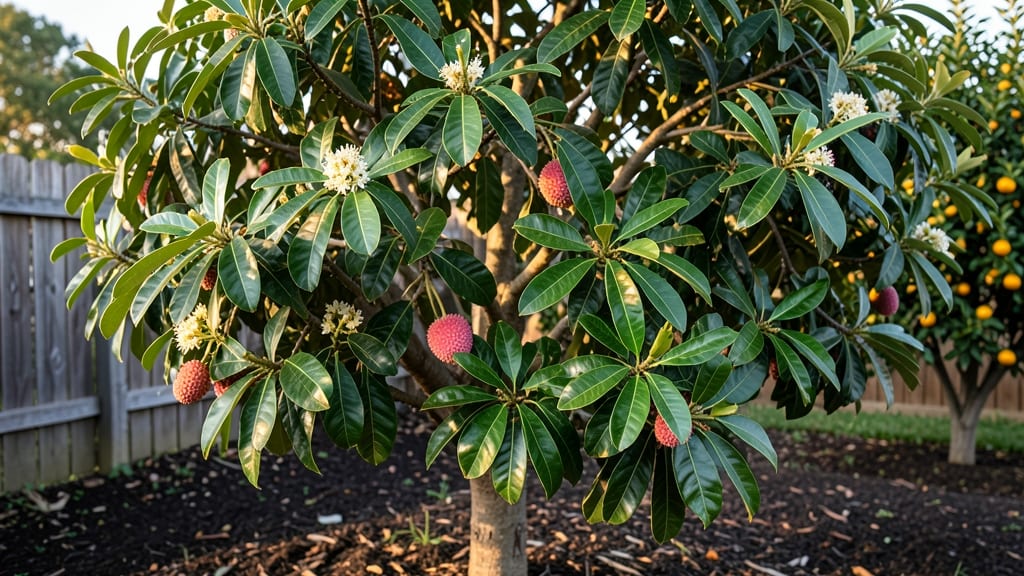
Cracking the code for lychee tree care starts with understanding these tropical trees aren’t just picky—they’re fussy about sunlight, humidity, and when to prune those delicate branches. 🌿 I’ve wrestled with my own lychee tree through three Florida summers, and the difference between a sparse harvest and a tree heavy with fruit comes down to these key adjustments.
Their ideal home is warm year-round, with temperatures above 50°F and plenty of bright, indirect light—think 8+ hours daily—but no harsh afternoon sun. Most gardeners fail here by assuming "tropical" means "full sun all day," which scorches the leaves.
My tree thrives near a shaded patio, and the fruit develops sweeter when protected from direct midday rays.
Pruning at the right time—late winter or early spring—is where the magic happens. You’ll encourage new growth while keeping the tree’s shape open enough for air circulation (critical for preventing fungal diseases).
With proper care, you’ll see two harvest seasons per year—one in late spring, another in early fall—when those fragrant, translucent fruits split open just enough to reveal their juicy centers.
This guide covers everything from soil prep (well-draining, slightly acidic) to pest control (watch for lychee borers) and how to tell when fruit is truly ripe. Whether you’re in Zone 10 or a container in Zone 9, the principles stay the same—just tweak the timing. Let’s get that tree producing!
📚 In This Guide
- What you need
- Instructions
- Tips and common mistakes
- Wrapping up and next steps
What you need
- ● Pruning shears: Sharp, bypass-style shears (4-6" blade) for clean cuts on small branches.
- ● Loppers: Heavy-duty, bypass or anvil-style (8-12" blade) for thicker branches (½"–1.5" diameter).
- ● Pruning saw: Curved-tooth handsaw for branches over 1.5" in diameter.
- ● Disinfectant: 70% isopropyl alcohol or bleach solution (1 part bleach to 9 parts water) to sterilize tools between cuts.
- ● Garden gloves: Cut-resistant gloves (size medium/large) for protection.
- ● Rubbing alcohol or hydrogen peroxide: (3%) to clean wounds on the tree if needed.
- ○ Sealing wax: Pruning sealant (optional for large cuts in humid climates).
- ● Ladder or step stool: Sturdy, non-slip for reaching higher branches.
- ● Marking twine or flags: To tag branches for removal or special attention.
- ● Compost or mulch: Organic matter to replenish soil after pruning.
- ● Spray bottle with water: For rinsing tools and keeping cuts clean.
- ● Knowledge of lychee tree anatomy: Identify water sprouts, dead wood, and fruiting branches before pruning.
- ● Weather check: Prune on a dry, overcast day to reduce stress on the tree.
- ● Safety first: Wear closed-toe shoes and avoid pruning near power lines.
- ● Patience: Lychee trees thrive with gradual pruning—don’t overdo it in one session!
Step-by-Step guide to pruning your lychee tree for maximum fruit
Here's how I keep my lychee tree producing heavy, sweet fruit year after year.
🌿 Step 1: Understand the Right Time for Pruning
Lychees bloom on new wood, so timing matters. Prune your tree right after harvest—usually late winter to early spring in tropical climates. This gives the tree time to develop fresh growth before the next flowering cycle. Avoid pruning during flowering or fruiting; you'll lose potential fruit and stress the tree.
If you're in a subtropical zone with cooler winters, wait until new growth begins—you'll see tender shoots emerging from the branches. This ensures you're cutting at the optimal time for vigorous regrowth. I always check for swollen buds as my signal that it's time to start shaping the tree.
✂️ Step 2: Remove Dead, Diseased, or Weak Growth
Start by inspecting every branch for dead wood, diseased tissue, or crossing limbs. Lychee trees are sensitive to fungal issues, so remove any branches with blackened spots, mold, or oozing sap immediately. Cut back to healthy wood—you'll know it's healthy when the wood is firm and green just beneath the bark.
Next, identify weak or spindly growth. These are branches that are thinner than a pencil and lack the sturdy structure of mature wood. Thin them out completely at the base. I like to make my cuts just above a bud or leaf node—this encourages new growth in the right direction. Use sharp, clean pruners to avoid tearing the bark.
🌱 Step 3: Shape for Airflow and Light Penetration
Lychee trees need good airflow to prevent fungal diseases. Step back and visualize your tree as an open canopy. Remove any branches growing inward or rubbing against others—these create dark, humid pockets where mold thrives. Aim for a rounded, vase-like shape with branches spaced evenly around the trunk.
Focus on thinning out crowded areas rather than just cutting back branch tips. You want sunlight to reach the inner branches, which is where many of the fruit buds form. If a branch is too dense, cut it back to a strong lateral branch rather than just trimming the ends. This opens up the tree and encourages new growth in the right places.
⏰ Step 4: Lightly Prune for Fruit Production
Lychees produce fruit on current season's growth, so you don't need to do heavy structural pruning. Instead, make light cuts to encourage branching. Trim back the tips of some branches by about 1/3 to stimulate new shoots. These new shoots will develop into fruiting wood.
Pay special attention to water sprouts—those fast-growing, vertical shoots that appear after pruning. These are great for fruiting but can become too dense. Thin them out to 4-6 inches apart to prevent overcrowding. You'll see these new shoots emerge within 4-6 weeks after pruning, and that's when you'll know your cuts were effective.
💧 Step 5: Post-Pruning Care for Recovery
After pruning, your lychee tree will need extra care to recover. Water deeply immediately after pruning to help the tree heal and reduce stress. Keep the soil consistently moist but not soggy for the first 2-3 weeks. You'll notice new leaves emerging within 3-4 weeks—that's your sign the tree is recovering well.
Apply a balanced fertilizer (10-10-10 or similar) a few weeks after pruning to support new growth. Avoid heavy nitrogen applications—this will encourage too much leafy growth at the expense of fruit production. Instead, focus on a moderate feeding to keep the tree strong without overstimulating it.
Tips & tricks for pruning your lychee tree
Pruning your lychee tree properly makes all the difference between a modest harvest and a bounty of sweet fruit. Here's what I've learned after years of trial and error.
Timing is Everything: The instructions mention pruning right after harvest, but here's the thing—if you're in a subtropical zone, don't wait until the last minute. Start observing your tree in early winter for those swollen buds I mentioned. That's your green light to begin shaping the tree before new growth appears. I've seen trees that missed this window produce half as many fruit the next season.
Healthy Wood Identification: When you're cutting back diseased branches in Step 2, look for that vibrant green just beneath the bark as your guide. If you're unsure, make a small cut into the branch—healthy wood should be moist and firm, not dry or crumbly. I keep a small pocket knife handy for quick tests while I'm working. This simple check prevents accidentally removing too much healthy growth.
Canopy Visualization: Step 3 talks about shaping for airflow, but here's what nobody tells you—stand back and look at your tree from all angles. Imagine sunlight streaming through the branches like rays. The goal is to create a dome shape where every part of the canopy gets equal exposure. I sketch a rough outline in my notebook before making any cuts, which helps me visualize the end result.
Water Sprout Management: Those water sprouts in Step 4 are your friends, but only if you control them. After pruning, mark their positions with small flags or paint dots on the branches. This helps you monitor their growth and thin them to 4-6 inches apart as they emerge. I've found that keeping a pruning journal with dates and measurements helps track which branches produce the most fruit each year.
Pro Tips for Lychee Tree Care
- Pruning your lychee tree properly makes all the difference between a modest harvest and a bounty of sweet fruit.
- Timing is Everything: The instructions mention pruning right after harvest, but here's the thing—if you're in a subtropical zone, don't wait until the last minute.
- Healthy Wood Identification: When you're cutting back diseased branches in Step 2, look for that vibrant green just beneath the bark as your guide.
Frequently asked questions
Got questions about keeping your lychee tree thriving? Here are some of the most common concerns—and their answers—to help you prune with confidence!
How often should I prune my lychee tree?
Prune your lychee tree twice a year: once in late winter (before new growth) to shape the canopy and remove dead wood, and again after harvest to encourage new fruiting branches. Young trees may need lighter pruning (every 6–12 months) to establish structure.
Can I prune a lychee tree in cold weather?
No—lychee trees are tropical and hate cold. Prune only when temperatures are consistently above 60°F (15°C). If you’re in a frost-prone area, wait until spring (after the last frost) to avoid stressing the tree. Learn more about winter prep.
What if I cut too much off my lychee tree?
Don’t panic! Lychee trees are resilient but avoid removing more than 25% of the canopy at once. Heavy pruning can reduce fruit production for 1–2 years. If you’ve over-pruned, focus on light maintenance cuts in subsequent seasons to let the tree recover.
Will pruning my lychee tree increase fruit yield?
Yes—but only if done correctly! Pruning improves airflow and sunlight penetration, which boosts fruit quality and quantity. Key tip: Remove water sprouts (shoots growing straight up) and thin crowded branches to redirect energy to fruit-bearing wood.
Can I grow a lychee tree in a container?
Dwarf varieties (like ‘Brewer’ or ‘Wai Chee’) thrive in large containers (15+ gallons). Use well-draining soil, prune roots every 2–3 years, and move the pot indoors if temperatures drop below 50°F (10°C). Just expect smaller harvests than in-ground trees.
What should I do if my lychee tree leaves turn yellow?
Yellow leaves often signal overwatering or nutrient deficiencies. Check soil moisture (lychees hate soggy roots!) and fertilize with a balanced citrus/lychee blend in early spring. If pests (like aphids) are present, treat with neem oil or insecticidal soap.
Wrapping up and next steps
Caring for your lychee tree may seem like a tropical challenge, but with the right knowledge—like proper pruning, soil prep, and seasonal attention—you’ll be rewarded with lush growth and sweet, juicy fruit year-round. 🌿✨ Remember, patience and consistency are key, whether you’re shaping young branches or managing mature trees.
Now that you’re equipped, why not take the next step? Grab your pruning shears, mark your calendar for seasonal tasks, and watch your lychee tree thrive! Happy gardening!