Pruning
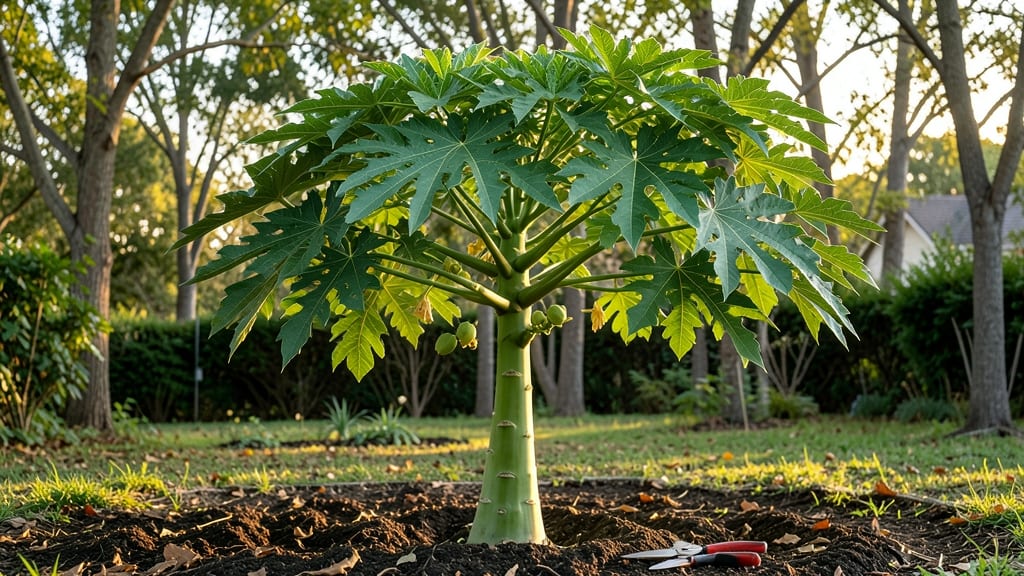
A female papaya tree thrives when pruned right—this is how to keep it producing fruit like a champion. 🌱 I’ve watched my own tree go from scraggly to loaded with fruit just by following these simple cuts, and the secret isn’t complicated.
It’s about timing, shape, and knowing which branches to keep (and which to send to the compost pile).
The magic happens year-round, not just at one time. Start by removing dead or diseased branches first—they’re stealing energy from your fruit production. Then, trim back leggy growth to encourage bushier, more productive branches, and always cut just above a leaf node.
My tree now has a balanced shape that catches sunlight perfectly, and the fruit? Bigger and more abundant than ever.
You’ll end up with a tree that looks healthy, grows stronger, and rewards you with sweet, ripe papayas all season long. The best part? Pruning takes less than 30 minutes once you get the hang of it, and you’ll notice the difference in just a few weeks.
Let’s get those shears sharp and turn that tree into a fruit factory.
Works in warm climates year-round, but if you’re in a cooler zone, focus on late winter or early spring pruning to avoid frost damage. The same principles apply—just adjust your timing. Ready to see that tree transform?
📚 In This Guide
- What you need
- Instructions
- Tips and common mistakes
- Wrapping up and next steps
What you need
- ● Pruning shears or secateurs: Sharp, clean, and bypass-style (for precision cuts). Choose a pair with a 4-6 inch blade for medium-sized branches.
- ● Loppers: For thicker branches (up to 2 inches in diameter). Opt for ratchet-style loppers for extra leverage.
- ● Gloves: Heavy-duty, gardening gloves (preferably with cut-resistant palms) to protect against thorns and sap.
- ● Disinfectant (70% isopropyl alcohol or bleach solution): To sterilize tools between cuts and prevent disease spread.
- ○ Pruning sealant (optional but recommended): A tree wound sealant to coat larger cuts and minimize sap loss.
- ● Bucket or trash bag: For collecting pruned branches and debris.
- ● Ladder or step stool: If your tree exceeds 6 feet in height (ensure it’s stable and non-slip).
- ● Hand saw: For very thick branches (2+ inches) that loppers can’t handle.
- ● Pole pruner: Extendable tool for high branches (up to 12 feet).
- ● Marking spray or tape: To tag branches for removal before cutting (great for planning).
- ● Compost bin: To recycle pruned branches into nutrient-rich compost.
- ● Sunscreen and hat: If pruning outdoors on a sunny day—papaya trees love warmth, but you might not!
Step-by-Step guide for pruning a female papaya tree
Here's how I keep my female papaya trees productive year-round with simple, effective cuts.
✂️ Step 1: Identify and Remove Dead or Diseased Wood
Start by examining the tree from top to bottom. Look for branches that are brown, brittle, or have blackened spots—these are dead or diseased. Use clean, sharp pruning shears to cut these back to healthy green wood. You'll notice the contrast immediately: healthy wood is bright green and firm, while dead wood crumbles easily.
Make your cuts at a 45-degree angle about ¼ inch above a leaf node or outward-facing bud. This encourages new growth in the right direction. If you're unsure whether a branch is dead, scratch the bark with your fingernail—if it's green underneath, it's still alive and should stay.
✂️ Step 2: Prune for Airflow and Light Penetration
Papaya trees need good airflow to prevent fungal diseases. Focus on removing any branches that are growing inward or crossing over others. These create shaded areas where humidity lingers, inviting rot and pests. You'll see thick clusters of leaves where light can't reach—this is where problems start.
Thin out the canopy by cutting back one-third of the oldest, thickest branches to open up the center. Aim for a shape that lets sunlight reach the inner leaves. I like to step back every few cuts to visualize how light will move through the tree. If you're pruning in late winter or early spring, this also stimulates new, fruit-bearing branches.
✂️ Step 3: Encourage Fruit Production with Strategic Cuts
Female papaya trees produce fruit on new growth, so you want to encourage vigorous, healthy branches. Look for suckers—those small shoots growing from the base or along the trunk. Keep 2-3 of the strongest suckers and prune the rest back to the main trunk. These suckers will become your future fruit-bearing branches.
For established trees, cut back last year's fruiting branches to half their length after harvest. This redirects the tree's energy toward new growth rather than trying to recover old wood. You'll see new shoots emerge within 2-3 weeks—these are your future fruit producers. Avoid heavy pruning during the fruiting season, as this can reduce yield.
✂️ Step 4: Shape the Tree for Balance and Growth
Papaya trees grow fast, so regular shaping keeps them manageable and productive. I like to maintain a modified vase shape—a few strong central branches with smaller branches radiating outward. This shape supports heavy fruit loads without breaking under the weight. Use your pruning shears to trim back any branches that are growing too long or too thin.
Pay attention to the top of the tree. If it's growing too tall, cut back the main leader to encourage bushier growth. You'll notice the tree will send out new shoots from the sides, creating a fuller shape. For trees over 8 feet tall, consider pruning the top to 6 feet to make harvesting easier and reduce wind damage.
⏰ Step 5: Time Your Pruning for Maximum Benefits
Prune lightly in late winter (just before new growth starts) to remove dead wood and shape the tree. This is when the tree is dormant and can handle stress. Avoid heavy pruning during flowering or fruiting seasons, as this can reduce yields. I mark my calendar to prune right after harvest in late spring or early summer to encourage a second flush of fruit.
After pruning, give the tree a balanced fertilizer to support new growth. You'll see fresh, vibrant leaves within 3-4 weeks, signaling the tree is recovering well. Water deeply after pruning to help the tree establish new roots and shoots. Avoid overwatering, though—papayas hate soggy roots.
Tips & tricks for perfect female papaya tree pruning
Keeping your female papaya tree productive takes a few key tricks that make all the difference between a struggling plant and a fruit-bearing powerhouse.
Tool Prep Matters: Sterilize your pruning shears with rubbing alcohol between cuts—this prevents spreading disease from infected branches to healthy ones. I also sharpen my blades before starting; dull shears crush wood instead of making clean cuts, which stresses the tree. A quick wipe-down with a damp cloth after each session keeps them ready for next time.
Visual Cues for Healthy Wood: In Step 1, when checking for dead branches, look for these three signs: first, the bark should snap easily when bent (healthy wood bends), second, the inside should be green when scratched, and third, healthy wood will have a slight sheen. I've made the mistake of pruning branches that were actually dormant but not dead—always double-check with the scratch test.
Strategic Sucker Management: In Step 3, when selecting which suckers to keep, choose ones growing at a 45-degree angle from the trunk—they'll develop into stronger branches. I usually mark the 2-3 strongest with a small piece of tape before removing others. This visual cue helps me avoid accidentally cutting the ones I want to keep later. Remove suckers completely at the base rather than leaving stubs, which can rot.
Post-Pruning Care: After finishing all cuts, give your tree a thorough watering to help it recover. I've found that adding a handful of compost to the soil around the base provides extra nutrients during this critical recovery period. Avoid heavy pruning during fruiting season—this is when the tree is already directing energy to fruit production, and additional stress can reduce yields significantly.
Pro Tips for Female Papaya Tree
- Keeping your female papaya tree productive takes a few key tricks that make all the difference between a struggling plant and a fruit-bearing powerhouse.
- Tool Prep Matters: Sterilize your pruning shears with rubbing alcohol between cuts—this prevents spreading disease from infected branches to healthy ones.
- I've made the mistake of pruning branches that were actually dormant but not dead—always double-check with the scratch test.
Frequently asked questions
When is the best time to prune a female papaya tree?
The ideal time to prune is during the dormant season (late winter or early spring) before new growth begins. Light trimming can also happen after harvest to encourage more fruit production. Avoid heavy pruning during fruiting season—this can stress the tree and reduce yields. Pro tip: Prune in the morning when the tree is hydrated!
How much can I trim without harming the tree?
Never remove more than 25-30% of the tree’s foliage in one session. Female papaya trees are sensitive to over-pruning. Focus on dead, diseased, or crossing branches first, then lightly shape the canopy. Over-trimming can lead to poor fruit set or even tree decline. Watch for: Yellowing leaves or stunted growth as signs of stress.
Will pruning affect fruit production?
Pruning correctly actually boosts fruit production by improving airflow and sunlight exposure. However, avoid pruning during flowering or fruiting—this can cause flower drop or smaller fruits. Light pruning after harvest (but before new buds form) helps maintain a healthy balance. Bonus: Pruned trees often yield larger, sweeter papayas!
What if my female papaya tree isn’t flowering after pruning?
Several factors could be at play: lack of sunlight, nutrient deficiencies (especially nitrogen or phosphorus), or stress from over-pruning. Ensure your tree gets 6+ hours of direct sunlight daily and fertilize with a balanced fruit-tree formula in early spring. If the issue persists, check for pests or root damage. Try this: A light trim in early spring + a potassium-rich fertilizer to encourage blooming.
Can I prune a female papaya tree in all climates?
Female papaya trees thrive in tropical/subtropical climates (USDA Zones 10-11). In cooler areas, grow them in containers and prune lightly indoors during winter. Avoid pruning in freezing temps—wait until spring. If you’re in a humid climate, prune to improve airflow and prevent fungal diseases. Cold warning: Move potted trees indoors if temps drop below 50°F (10°C).
Wrapping up and next steps
Pruning your female papaya tree isn’t just about keeping it tidy—it’s the key to unlocking a bountiful, healthier harvest year-round! 🌱 By mastering the art of selective trimming, you’ll boost airflow, encourage fruit production, and extend your tree’s lifespan.
Whether you’re a seasoned gardener or just starting, the right techniques make all the difference.
Ready to take action? Start by observing your tree this week—identify any overgrown branches or suckers, then grab your pruners and follow the steps you’ve learned. Your future harvests will thank you! 🍈✨