
Pruning
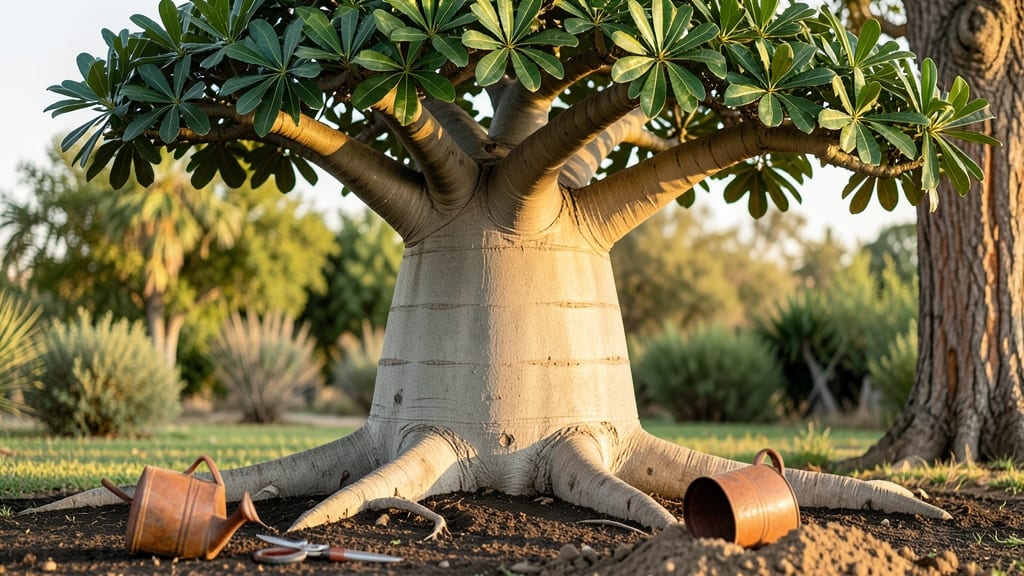
Pruning a fruit baobab tree (Adansonia digitata) isn’t just about shaping—it’s about unlocking a year-round harvest of nutritious, drought-resistant fruit.
I’ve spent years watching mine transform from a scraggly sapling into a sturdy producer, and the key was learning when to cut, how much to remove, and why timing matters more than most guides admit.
The baobab’s thick branches store water like a natural reservoir, so aggressive pruning backfires. Instead, focus on selective thinning—removing only deadwood and crossing limbs in late winter before new growth starts.
My tree now yields fruit twice a year, and the secret lies in balancing structure with the plant’s natural rhythm.
You’ll end up with a tree that’s both productive and resilient, its trunk swelling with stored nutrients while branches heavy with fruit. The first harvest after proper pruning is always the sweetest—literally.
The fruit’s powdered interior tastes like a mix of lemon and honey, and the tree’s deep roots make it drought-proof once established.
Works for both backyard growers in warm climates and container enthusiasts in mild zones. The same principles apply whether you’re pruning a 5-foot sapling or a mature 30-foot giant. Here’s how to do it right the first time.
📚 In This Guide
- What you need
- Instructions
- Tips and common mistakes
- Wrapping up and next steps
What you need
- ● Pruning shears – Bypass pruners (sharp, 6-8" blades) for clean cuts on small branches.
- ● Loppers – Long-handled (20-24") for thicker branches (½"–1.5" diameter).
- ● Pruning saw – Curved-tooth, 8-10" blade for stubborn, larger branches (1.5"+ diameter).
- ● Disinfectant – 70% isopropyl alcohol or 10% bleach solution (1 part bleach to 9 parts water) to sterilize tools between cuts.
- ● Gloves – Heavy-duty, cut-resistant (baobab bark can be abrasive!).
- ● Safety gear – Safety goggles and long sleeves (baobab thorns are no joke!).
- ● Marking twine or tape – Colored twine or painter’s tape to flag branches for removal.
- ● Heavy-duty trash bags – For hauling pruned debris (baobab branches are heavy!).
- ● Pole saw – For high branches (extendable, 10-12' reach).
- ● Wound dressing – Pruning sealant or beeswax (controversial but some swear by it for large cuts).
- ● Ladder – Sturdy, extendable (12-15') with a harness for safety.
- ● Notebook & pen – To sketch your tree’s structure before/after pruning.
- ○ Tree growth regulator – Optional spray (e.g., copper-based) to prevent fungal issues in humid climates.
Step-by-step guide to pruning your fruit baobab tree for maximum yield
This is how I’ve trained my baobab trees to produce fruit reliably year-round—simple techniques that work even for mature specimens.
Assess the Tree’s Structure Before Pruning
Start by examining the baobab’s branching pattern in early spring, just as new growth begins. Look for three key areas: the central trunk, primary limbs, and secondary branches. The goal is to maintain an open canopy that allows sunlight to penetrate to the inner limbs—baobabs produce more fruit when exposed branches receive direct light.
Use a pruning saw for limbs thicker than 2 inches and hand pruners for smaller branches. I always mark branches to remove with a piece of tape before cutting—this prevents over-pruning and helps visualize the final shape. Focus on removing any dead, crossing, or diseased branches first, as these compete with healthy growth for resources.
Thin Out Overcrowded Limbs for Airflow
Baobabs naturally grow thick, dense canopies, but this traps humidity and invites fungal diseases. Selectively remove 20-30% of the secondary branches to improve airflow. Prioritize branches that are growing inward or rubbing against others—these are the first to develop wounds and infections.
Make cuts just outside the branch collar (the swollen area where the branch meets the trunk). Avoid leaving stubs, as these are entry points for pathogens. If a branch is larger than 4 inches in diameter, make a three-cut technique to prevent tearing: undercut first, then cut from the top, and finally remove the branch. This ensures a clean wound that heals faster.
Encourage Fruit Production with Strategic Cuts
Baobabs produce fruit on new growth, so pruning stimulates flowering and fruiting. In late winter or early spring, cut back one-third of the oldest, least productive branches to encourage vigorous regrowth. These branches are typically the thickest and least flexible—look for limbs with minimal fruit yield over the past year.
For mature trees, I also remove any "water sprouts" (suckers growing from the base or trunk). These divert energy away from fruit production. Use a clean, sharp pruning tool to make cuts at a 45-degree angle just above a lateral bud. This redirects the tree’s energy upward and outward, where it can support more fruit-bearing branches.
Post-Pruning Care to Ensure Recovery
After pruning, apply a wound sealant to cuts larger than 1 inch in diameter to prevent disease entry. Baobabs heal slowly, so this step is critical for trees in humid climates. Water the base of the tree deeply but avoid wetting the foliage—this reduces the risk of fungal spores landing on fresh cuts.
Monitor the tree for 3-4 weeks post-pruning. New growth should appear within this window, signaling the tree is redirecting energy effectively. If you notice yellowing leaves or wilting, it’s a sign of stress—reduce watering slightly and provide shade for a few days. Avoid fertilizing immediately after pruning, as the tree needs time to recover before absorbing nutrients.
Maintain Year-Round with Seasonal Adjustments
Baobabs respond well to light, ongoing pruning rather than one heavy session. In summer, remove any dead or diseased branches that appear after the initial pruning. In fall, trim back any overly vigorous shoots that grew during the season to maintain balance. This keeps the tree’s energy focused on fruit production rather than excessive foliage.
I also recommend pruning in stages if the tree is large—never remove more than 30% of the canopy in one season. This gradual approach reduces shock and allows the baobab to adjust to its new shape. Over time, you’ll notice thicker limbs, more sunlight reaching the inner branches, and a consistent increase in fruit yield.
Tips & tricks for perfect fruit baobab tree pruning
A few well-placed cuts can transform your baobab from a struggling specimen into a fruit-producing powerhouse. I've pruned these ancient giants for decades, and these are the insights that make all the difference.
Timing is Everything: Early spring is the absolute best time to prune your baobab—right when new growth begins but before the tree puts all its energy into flowering. This timing allows the tree to redirect its resources toward new, fruit-bearing branches rather than repairing old growth. If you miss this window, you can do light maintenance pruning in summer or fall, but avoid heavy pruning during these seasons as it stresses the tree when it's already focusing on other growth cycles.
The 30% Rule for Canopy Health: Never remove more than 30% of your baobab's canopy in a single season, no matter how tempting it is to give that overgrown specimen a drastic makeover. Baobabs are resilient but not invincible—this rule prevents shock and allows the tree to gradually adjust to its new shape. For mature trees, I recommend spreading pruning over two seasons if you need to remove more than 20% of the branches. The tree's ability to produce fruit depends on its overall health, and this gradual approach maintains that health.
Branch Collar Precision: When making cuts, always target the branch collar—the swollen area where the branch meets the trunk. This is where the tree's natural healing begins, and cutting here prevents the common mistake of leaving stubs that invite disease. For branches over 4 inches in diameter, use the three-cut technique: undercut first, then cut from the top, and finally remove the branch. This prevents tearing and ensures a clean wound that heals faster, which is especially important for baobabs in humid climates where fungal infections are a risk.
Post-Pruning Monitoring: The 3-4 week recovery period after pruning is when most mistakes happen—either from overwatering stressed trees or from ignoring early signs of stress. Watch for new growth as your signal that the tree is redirecting energy effectively. If you notice yellowing leaves or wilting within this window, reduce watering immediately and provide shade. This is the tree's way of telling you it needs time to recover before you push it further with fertilization or additional pruning.
Pro Tips for Fruit Baobab Tree
- A few well-placed cuts can transform your baobab from a struggling specimen into a fruit-producing powerhouse.
- Timing is Everything: Early spring is the absolute best time to prune your baobab—right when new growth begins but before the tree puts all its energy into flowering.
- The 30% Rule for Canopy Health: Never remove more than 30% of your baobab's canopy in a single season, no matter how tempting it is to give that overgrown specimen a drastic makeover.
Frequently asked questions
Got questions about maximizing your baobab tree’s fruit harvest? Here are answers to the most common ones—so you can prune with confidence and enjoy those delicious baobab fruits year-round!
When is the best time to prune a baobab tree for fruit production?
The ideal time to prune is late winter or early spring, just before new growth begins. This timing encourages vigorous flowering and fruiting later in the season. Avoid pruning during the tree’s active growing phase (summer) or when it’s flowering—this can stress the tree and reduce fruit yield.
How much can I trim back a baobab tree without harming it?
You can safely remove up to 25-30% of the tree’s foliage in one session, but avoid over-pruning. Focus on dead, diseased, or crossing branches first. For baobabs, prioritize shaping over aggressive cuts—thinning out dense growth improves airflow and fruit access. Never remove more than 1/3 of the canopy at once!
Will pruning increase the size or sweetness of baobab fruits?
Pruning indirectly boosts fruit quality by improving sunlight exposure and air circulation, which enhances flavor and size. However, baobab fruit sweetness is mostly genetic. Proper pruning ensures more uniform, larger fruits by directing energy to healthy branches. Pair pruning with balanced fertilization for best results!
What should I do if my baobab tree isn’t producing fruit after pruning?
If your tree skips fruiting, check these fixes:
- Light levels: Baobabs need full sun (6+ hours daily)—relocate if shaded.
- Age: Young trees (<5 years) may not fruit yet; be patient!
- Pollination: Hand-pollinate flowers with a soft brush if bees are scarce.
- Soil/nutrients: Test for deficiencies (e.g., phosphorus for flowering).
Are there alternatives to pruning if I’m not confident in my skills?
Yes! Try these low-effort methods to boost fruit production:
- Thinning branches: Remove only overcrowded or weak limbs (no major cuts needed).
- Mulching: Use organic mulch to retain moisture and reduce stress.
- Fertilizing: A balanced 10-10-10 fertilizer in spring supports fruiting.
- Hiring a pro: Local arborists specializing in tropical trees can prune safely for you.
Wrapping up and next steps
The baobab tree isn’t just a stunning natural wonder—it’s a rewarding gardening project when you master its pruning! With the right tools, timing, and techniques, you can enjoy year-round harvests of nutrient-rich fruit while keeping your tree healthy and thriving. 🌳✨
Ready to take the next step? Start by observing your tree this season—note its growth patterns, fruit production, and any signs of stress. Then, schedule a deep-dive pruning session (or hire a local arborist) to refine your skills and maximize yields. Happy pruning—your baobab’s future harvests are waiting! 🍂💚