
Pruning
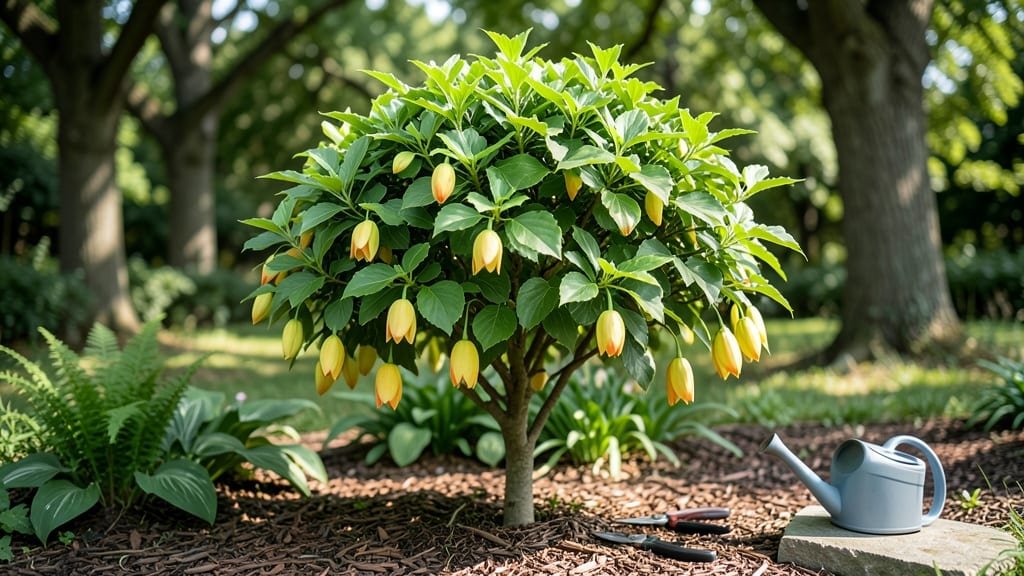
The Liriodendron tulipifera—often called the Little Volunteer tulip tree—will bloom beautifully when you prune it right, ensuring those iconic golden flowers and glossy leaves shine. I’ve learned the hard way that waiting until spring means missing the best growth opportunities, while over-pruning in summer stunts those iconic blooms.
The secret is timing: late winter or early spring, just as new buds swell but before they burst.
You only need a few basic tools: sharp pruning shears for clean cuts, a ladder if branches reach high, and a little patience. The goal is to shape the tree while encouraging strong branches from the base—this keeps it sturdy and full of life.
I start by removing dead or crossing branches first, then thin out crowded growth to let sunlight reach the inner leaves. It’s like giving your tree a haircut that boosts its confidence.
By summer, you’ll see the payoff: vibrant green foliage and those signature tulip-shaped flowers that make neighbors stop and stare. The tree grows faster with proper pruning, too—some years, I’ve seen new branches thicken by an inch just from cutting back the right spots.
And the best part? You can prune lightly in late summer to shape up any wild growth before winter sets in.
This method works for young trees, mature specimens, and even those little volunteer seedlings popping up in your yard. Just adjust the cuts based on size—smaller trees need gentler trims, while established ones can handle bolder shaping.
The key is consistency: a little attention now means fewer struggles later. Let’s get those shears ready!
📚 In This Guide
- What you need
- Instructions
- Tips and common mistakes
- Wrapping up and next steps
What you need
- ● Pruning shears: Bypass pruners (for cuts up to ¾ inch thick) – 1 pair (e.g., Felco F-2 or Corona Tools)
- ● Loppers: For branches 1–2 inches thick – 1 pair (e.g., Fiskars X27)
- ● Pruning saw: For larger branches (2+ inches) – 1 saw (e.g., Bahco or Corona)
- ● Gloves: Heavy-duty, cut-resistant (e.g., Mechanix or Wagner) – 1 pair
- ● Disposable pruning bags: 2–3 gallon size (for debris) – 1–2 bags
- ● Rubbing alcohol (70%+) or bleach solution: 1 part bleach to 9 parts water (for sterilizing tools)
- ● Ladder or extension pole: Sturdy, 12–16 ft tall (for hard-to-reach branches)
- ○ Sharpie or permanent marker: For marking cuts (optional but helpful!)
- ● Hand saw: For precision cuts on stubborn branches
- ● Pruning sealant: (e.g., Tanglefoot Tree Wound Pruning Seal) – small tube
- ● Work gloves with grip: For extra comfort on rough bark
- ● Tree climbing harness (if needed): For very tall trees (safety first!)
- ● Camera or phone: To document your progress (because #TreeWin!)
How to prune a little volunteer tulip tree for year-round vitality
Here's the simple system I use to keep these fast-growing trees strong and healthy through every season.
✂️ Step 1: Assess the Tree in Late Winter (Dormant Season)
Start your pruning in late February to early March while the tree is still dormant but before new growth begins. Look for any dead, diseased, or crossing branches—these are your first targets. Dead branches will be brittle and snap easily when bent, while diseased branches often have discolored bark or oozing sap.
Examine the tree's structure for branches growing toward the center. These compete for sunlight and weaken the tree's overall health. Use your hand as a guide—if a branch is thicker than your wrist, it's a major limb and should be handled with extra care. Mark these branches with a piece of twine or tape so you can return to them later.
✂️ Step 2: Make Clean Cuts at the Right Time (Spring to Early Summer)
Once the tree shows signs of new growth—typically late March to early April—focus on shaping the tree. Remove any suckers or water sprouts that appear at the base or along the trunk. These fast-growing shoots drain energy from the main structure. Cut them back to the ground with clean, sharp pruners.
For larger branches, use the three-cut method to avoid tearing the bark. First, make an undercut about 6 inches from the trunk. Then, cut above the undercut from the top. Finally, remove the branch by cutting just outside the branch collar. Always cut at a 45-degree angle to allow water to run off, preventing rot. Avoid leaving stubs—this invites disease.
✂️ Step 3: Light Maintenance Pruning (Summer to Fall)
During the growing season, perform light pruning to encourage air circulation and sunlight penetration. Remove any branches that are rubbing against each other or growing at sharp angles—these are prone to splitting. Aim for an open, vase-like shape that allows sunlight to reach the inner branches.
In late summer, you can also thin out the canopy by removing about 10-20% of the smallest branches. This promotes stronger growth and reduces the risk of fungal diseases that thrive in dense foliage. Avoid heavy pruning in fall, as the tree needs time to harden off before winter. If you must prune, limit it to removing only dead or diseased branches.
✂️ Step 4: Final Check and Winter Prep (Late Fall)
In November, do a final walkthrough of the tree. Remove any remaining dead or weak branches, and check for signs of pests like scale or borers. If you find any, treat them immediately with horticultural oil or insecticidal soap. This is also the time to clean up any fallen leaves or debris around the base of the tree to prevent pests and diseases from overwintering.
If your tree is young, consider wrapping the trunk with tree guard or burlap to protect it from winter sunburn and rodent damage. Older trees usually don’t need this, but it’s a good precaution if you live in an area with harsh winters. Avoid heavy pruning in winter—this stresses the tree and can lead to excessive sap loss.
Tips & tricks for pruning little volunteer tulip trees
These simple tricks will help you maintain your tulip tree's health without stressing the tree or yourself.
Seasonal Timing Matters: The late February to early March window for Step 1 is critical because the tree is fully dormant but hasn't started its spring growth. If you prune too early, you risk exposing fresh cuts to harsh winter winds that can dry them out. I've seen trees with winter-damaged cuts that never healed properly—don't make that mistake. Mark your calendar now for next year!
Tool Selection for Clean Cuts: For Step 2's three-cut method, use bypass pruners for branches up to ½-inch thick and a pruning saw for anything larger. Never use hedge trimmers—they tear bark and create jagged wounds. I keep a small file in my toolkit to sharpen blades before each pruning session. Dull tools crush branches instead of making clean cuts, which slows healing.
Canopy Thinning Strategy: When thinning in late summer (Step 3), focus on removing branches that are growing straight up or down—these create weak points where limbs can split. Aim to remove branches from the outside of the tree first to create that open vase shape. I like to step back every few cuts to visualize the tree's structure from all angles.
Pest Prevention in Winter: The November cleanup in Step 4 is your last chance to prevent overwintering pests. After removing branches, burn or bag them immediately—never leave them on the ground. I also recommend applying a thin layer of wood ash around the base of young trees in winter. The alkaline nature helps deter rodents while providing slow-release nutrients.
Pro Tips for Little Volunteer Tulip Tree Liriodendron Tulipifera Little Volunteer
- These simple tricks will help you maintain your tulip tree's health without stressing the tree or yourself.
- Seasonal Timing Matters: The late February to early March window for Step 1 is critical because the tree is fully dormant but hasn't started its spring growth.
- Tool Selection for Clean Cuts: For Step 2's three-cut method, use bypass pruners for branches up to ½-inch thick and a pruning saw for anything larger.
Frequently asked questions
Got questions about keeping your Little Volunteer tulip tree (Liriodendron tulipifera) thriving with strategic pruning? Here are answers to the most common ones—because even the best trees need a little TLC!
When is the best time to prune my Little Volunteer tulip tree?
The ideal window is late winter to early spring (before buds swell) or mid-summer after flowering. Avoid heavy pruning in fall—it can stimulate tender new growth vulnerable to frost. For minor shaping, you can prune year-round, but never prune during winter dormancy in harsh climates.
Why are my tulip tree branches dying after pruning?
Dying branches often signal over-pruning or improper cuts. Ensure cuts are made at a 45° angle just above a bud or branch collar. Avoid leaving stubs (they invite disease) and never remove more than 25% of the canopy in one session. If branches still die, check for pests (like borers) or fungal issues.
Can I prune a young Little Volunteer tulip tree the same way as a mature one?
Nope! Young trees (under 5 years) need light, structural pruning to encourage strong branching. Focus on removing water sprouts (shoots growing straight up) and crossing branches. Mature trees (10+ years) can handle heavier cuts to thin the canopy or remove deadwood—but always prioritize air circulation.
Do I need to sterilize my pruners between cuts?
Absolutely!
Sterilizing pruners with rubbing alcohol (70%+) or a 10% bleach solution between cuts prevents spread of diseases like anthracnose or bacterial leaf spot. Tulip trees are susceptible to these issues, so this step is a game-changer for long-term health. Wipe blades clean after each tree (or even between branches).
What if I accidentally prune too much? Can I fix it?
Don’t panic! If you’ve over-pruned, stop cutting immediately and focus on recovery. Apply a balanced fertilizer (like 10-10-10) in early spring to support regrowth. Water deeply but avoid overwatering. In severe cases, consult an arborist—they can assess if the tree needs structural support or targeted care.
Are there alternatives to traditional pruning for maintaining shape?
Yes! For low-maintenance shaping, try:
For formal shapes, topiary is an option—but tulip trees grow fast, so it requires frequent trims (every 4–6 weeks).
Wrapping up and next steps
Pruning your Little Volunteer Tulip Tree (Liriodendron tulipifera) isn’t just about shaping—it’s about nurturing a thriving, resilient tree year-round! 🌿 By following strategic cuts, you’ll encourage vibrant blooms, strong growth, and long-term health.
Whether you’re trimming for aesthetics, safety, or vitality, every snip is an investment in your tree’s future.
Ready to give your Little Volunteer the care it deserves? Grab your tools, review your notes, and schedule that next pruning session—your tree will thank you! 🌳✨