
Pruning
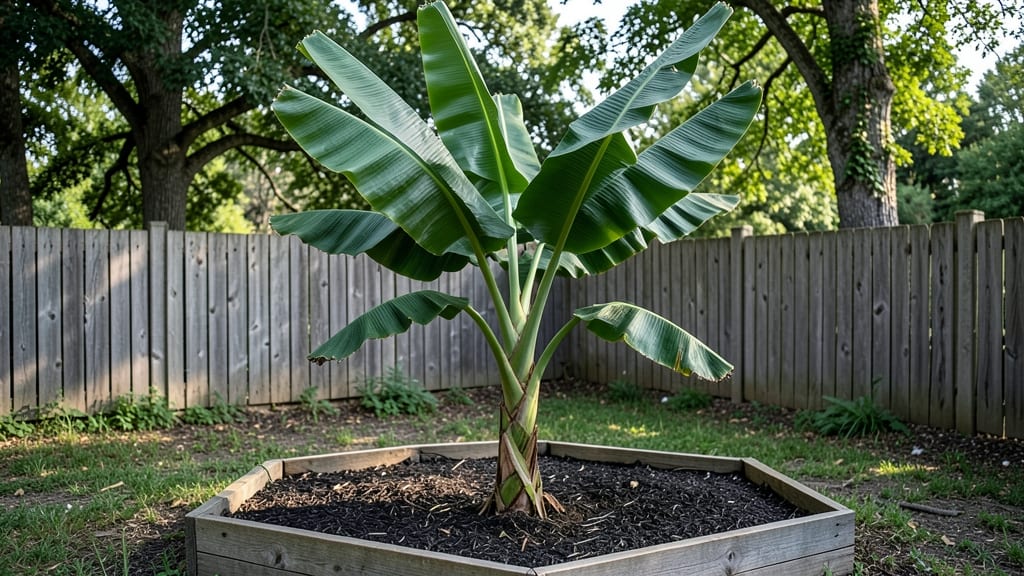
Your Basjoo banana tree can survive winter with the right cold-weather trimming—it’s the secret to keeping this tropical stunner alive through frost. I’ve watched mine bounce back from winter dormancy for years, and the key lies in when and how you prune those massive leaves.
The first cut isn’t about aesthetics; it’s about survival.
Here’s the thing—Basjoo bananas aren’t fussy, but they do need a strategic haircut before temperatures dip. You’ll need sharp pruners, a tarp for cleanup, and about 30 minutes to work through the thickest fronds. The goal?
Remove dead or damaged foliage while leaving enough green to photosynthesize through late fall. This tree stores energy in its pseudostem, and smart pruning ensures it has enough reserves to push new growth in spring.
By spring, you’ll see fresh, vibrant fronds emerging from the base—proof the tree’s been nurtured through winter. The pruned stems stay compact, making it easier to manage in small spaces, and the ornamental value skyrockets as new leaves unfurl in their striking blue-green hue.
This isn’t just survival; it’s setting your tree up for a showstopper summer display.
Works for zones 5-9, but even in colder climates, a thick mulch layer and strategic trimming keep this tropical giant thriving. Let’s get those shears ready—your Basjoo’s winter makeover starts now.
📚 In This Guide
- What you need
- Instructions
- Tips and common mistakes
- Wrapping up and next steps
What you need
- ● Pruning shears or loppers: Choose bypass pruners (for clean cuts) or anvil pruners (for thicker branches). Opt for sharp, 6-8 inch blades for precision.
- ● Hand pruners or pruning saw: A folding pruning saw (for branches 1-2 inches thick) or pruning saw with a curved blade (for thicker stems).
- ● Gloves: Heavy-duty, cut-resistant gloves (e.g., mechanics or gardening gloves) to protect hands from thorns and sharp edges.
- ● Disinfectant (70% isopropyl alcohol or bleach solution): Clean tools between cuts to prevent disease spread.
- ● Heavy-duty trash bags or compost bin: For disposing of pruned branches (basjoo banana leaves can be bulky!).
- ● Ladder or step stool: If your tree is taller than 6 feet, use a stable, extendable ladder (3-4 ft wide base for safety).
- ○ Marking twine or flags: Optional but helpful for labeling branches to remove (e.g., dead, diseased, or crossing stems).
- ● Safety glasses: Protect your eyes from debris, especially when using a pruning saw.
- ● Knee pads: For comfort if you’re kneeling near the base of the tree.
- ● Mulch (straw or wood chips): Apply a 2-3 inch layer around the base post-pruning to insulate roots.
- ○ Tree wound dressing (optional): Only use if sealing large cuts (e.g., pruning sealant), but skip for basjoo banana—its pseudostems heal naturally.
- ● Camera or sketchbook: Document the tree’s structure before pruning for future reference!
Step-by-step instructions for trimming basjoo banana trees in cold weather
Here's the method I rely on to protect these tropical giants through winter's chill.
Time Your Pruning for Maximum Cold Hardiness
Wait until the first hard frost has blackened the fronds—this signals the plant has entered dormancy. Pruning too early leaves the tree vulnerable to late-season growth that won't survive freezing temps. I always check the forecast for a 3-day stretch below 25°F before reaching for my loppers.
This timing ensures the plant has redirected nutrients to its root system rather than maintaining above-ground growth. You'll know you've waited too long when the trunk shows signs of cracking from freeze-thaw cycles. That's a sign the tree is already stressed beyond simple pruning.
Cut Back to the Ground Using Proper Technique
Use sharp, sterilized pruners to make clean cuts just above the soil line where the fronds meet the trunk. Avoid leaving stubs—these can rot and invite disease. I like to make the cut at a slight upward angle to prevent water from pooling on the wound.
Remove all dead, brown fronds completely—they won't regrow and just take energy from the roots. For any remaining green fronds, cut them back to 6-8 inches above ground. You'll see fresh green shoots emerging from the base in spring, proving you've left enough growing energy intact.
Protect the Trunk and Root Zone
Wrap the trunk with 10-12 inches of burlap or tree wrap to shield it from winter winds and sun scald. Secure it loosely—too tight and you'll restrict growth when spring arrives. I always leave the bottom 2 inches unwrapped so the soil can still breathe.
Mound 12-18 inches of mulch around the base, creating a cone shape that slopes away from the trunk. This insulates the roots while preventing water from pooling against the stem. The mulch will settle over winter, so start with more than you think you'll need.
Monitor and Adjust Through Winter
Check your tree after each significant snowfall or ice storm—accumulated weight can break fragile stems. Gently brush off snow but leave ice alone unless it's forming dangerous icicles. You'll notice the mulch settling by late winter, so add another 2-3 inches if it's fallen below 6 inches deep.
If you see any signs of heaving (where the trunk lifts out of the soil), press it gently back down and add more mulch around the base. This prevents the roots from drying out during winter thaws. The tree should remain completely dormant until temperatures consistently stay above 50°F in spring.
Prepare for Spring Regrowth
Remove the trunk wrap in early spring as soon as you see new shoots emerging. Leave the mulch in place until the soil warms to 55°F—this prevents shocking the roots with sudden temperature changes. You'll see the first flush of new fronds appear within 2-3 weeks of consistent warm weather.
At this stage, avoid fertilizing—your tree needs to focus on rebuilding its foliage before putting energy into fruit production. Water deeply but infrequently, letting the soil dry completely between waterings to encourage strong root development.
Tips & tricks for perfect basjoo banana tree pruning
Don't let winter catch your tropical tree off guard—these key strategies will help you protect your Basjoo banana through the cold months like a pro.
Timing is Everything: The 3-day stretch below 25°F is your golden window for pruning. I've learned the hard way that waiting until after this period risks damaging already stressed trees. Check your local frost dates—some years, this happens earlier than expected. If you're unsure, observe your tree's fronds: they should be completely brown and papery, not just wilted.
Cutting Technique Matters: When you're cutting back those 6-8 inch green fronds in Step 2, make sure your pruners are sharp enough to slice cleanly through the fibrous stems. Dull blades crush the tissue, creating wounds that heal poorly. I like to test my pruners on a small twig first—if it tears instead of cuts cleanly, sharpen them before starting. The slight upward angle you make helps water run off rather than pool, which is especially important in winter when moisture can linger.
Mulch Depth Strategy: That 12-18 inch mulch mound might seem excessive, but it's essential for protecting roots from freeze-thaw cycles. I recommend using straw or leaves rather than wood chips—they insulate better and won't compact like heavier mulches. In particularly cold climates, consider adding a layer of bubble wrap or cardboard under the mulch for extra protection, especially around young trees. Just remember to leave a 2-inch gap at the trunk to prevent rot.
Spring Transition Tip: When you're ready to remove that trunk wrap in spring, don't rush it off as soon as you see the first green shoots. Wait until you can see multiple shoots consistently emerging—this usually happens when soil temps reach 55°F. The wrap protects against late frosts that can still occur even after new growth appears. I've seen beautiful new shoots get nipped by unexpected cold snaps when people remove the wrap too early.
Pro Tips for Basjoo Banana Tree
- Don't let winter catch your tropical tree off guard—these key strategies will help you protect your Basjoo banana through the cold months like a pro.
- Timing is Everything: The 3-day stretch below 25°F is your golden window for pruning.
- Cutting Technique Matters: When you're cutting back those 6-8 inch green fronds in Step 2, make sure your pruners are sharp enough to slice cleanly through the fibrous stems.
Frequently asked questions
Got questions about keeping your basjoo banana tree healthy through winter? Here are some of the most common queries—plus straightforward answers to help you prune with confidence!
When is the best time to prune a basjoo banana tree for cold weather?
Prune your basjoo banana tree after the first hard frost (when leaves turn brown and die back) but before new growth starts in spring. This gives the plant time to recover before winter’s chill. Avoid pruning in late fall if temperatures are still mild—wait until dormancy sets in for best results.
Do I need to prune my basjoo banana tree if it’s in a cold climate?
Even cold-hardy basjoo banana trees (zones 5–11) benefit from winter pruning. Cutting back dead fronds and thinning out dense growth improves airflow, reducing frost damage and disease risk. In colder zones (5–7), mulch the base heavily after pruning for extra insulation.
How far back should I cut the stems when pruning?
Trim each pseudostem (the "trunk") down to 4–6 inches above the ground for mature trees. For younger plants, leave at least 2–3 inches to encourage regrowth. Avoid cutting into the crown—this can harm the plant’s ability to sprout new leaves in spring.
What if my basjoo banana tree doesn’t regrow after winter pruning?
Don’t panic! Basjoo banana trees are resilient. If no new growth appears by late spring, check for:
- Root health: Gently probe the soil—roots should be firm and white.
- Frost damage: If the crown was blackened, it may have died back. Wait until summer to see if new shoots emerge.
- Patience: Some varieties take 6–8 weeks to show signs of life.
Can I use the pruned fronds for anything?
Yes! Dried basjoo banana fronds make excellent mulch, compost, or even rustic decor. Just bundle them and hang to dry in a shady spot. Avoid using them as mulch directly on the tree base—this can trap moisture and invite rot. Pro tip: Use the fibrous pseudostems (the "trunks") to create natural trellises for climbing plants!
Wrapping up and next steps
Pruning your basjoo banana tree for cold weather isn’t just about survival—it’s about setting it up for thriving seasons ahead! 🌱 By following the right techniques, you’ll encourage stronger growth, better fruit production (if you’re lucky enough!), and a hardier plant that laughs off winter’s chill.
Whether you’re a seasoned gardener or just starting, every careful cut brings you closer to a lush, resilient tree.
Ready to take the next step? Mark your calendar for late winter or early spring—just before new growth begins—and grab those pruners! Start small, observe your tree’s response, and adjust as needed.
With patience and practice, your basjoo banana will reward you with vibrant foliage and maybe even a few edible surprises. Happy trimming! 🌿✂️