
Pruning
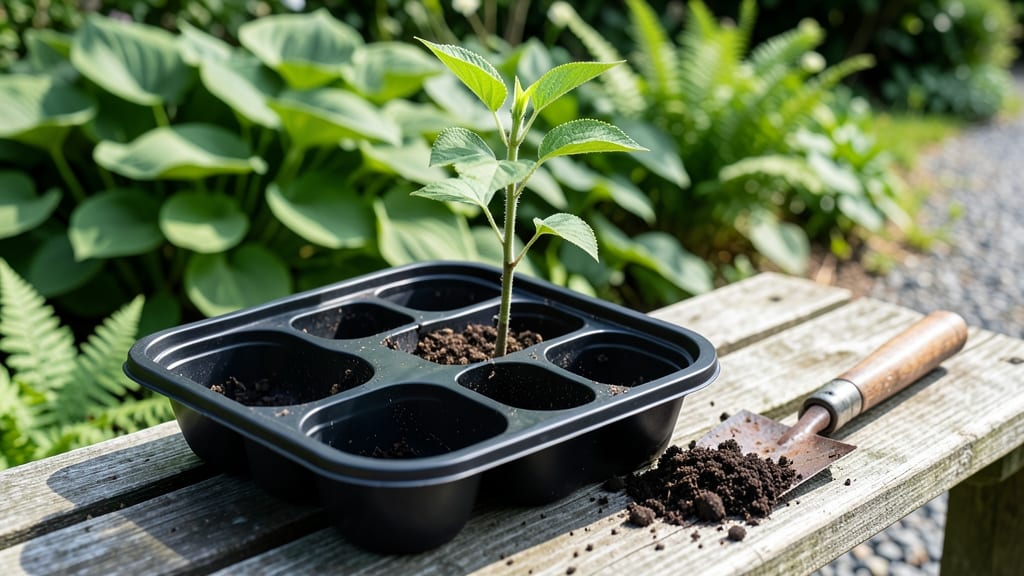
Growing a lilac tree seedling in the Pacific Northwest means your garden will soon burst with fragrant purple clouds every spring. 🌿 I learned the hard way that these delicate saplings need precise care—especially when it comes to pruning—to thrive in our wet, mild climate.
The key isn’t just timing; it’s understanding how each cut shapes their future blooms.
Start with well-draining soil mixed with compost, and plant your seedling at the same depth it was in its container. Lilacs crave full sun (6+ hours daily) and consistent moisture, but their roots hate soggy soil—so raised beds or mounds work wonders.
The first year focuses on establishing roots, not flowers, so hold off on heavy pruning until spring.
By following a Pacific Northwest pruning calendar, you’ll encourage stronger stems and bigger blooms year after year. After three years, you’ll see those iconic fragrant clusters appear in abundance—just in time for late spring’s signature scent.
The secret? Prune right after blooming, never in fall, and always with sharp shears.
Seedlings need gentle handling, while mature trees can take bolder cuts. Whether you’re growing from seed (a patience test) or transplanting a sapling, the payoff is worth it—imagine your yard filled with that intoxicating lilac perfume for decades. Let’s get those blooms started right.
📚 In This Guide
- What you need
- Instructions
- Tips and common mistakes
- Wrapping up and next steps
What you need
- ● Pruning shears: Bypass pruners (sharp, clean, and sterilized with rubbing alcohol or bleach solution to prevent disease). Quantity: 1 pair (for small branches up to ½ inch thick).
- ○ Optional: Loppers (for branches ½–1½ inches thick) or a pruning saw (for thicker growth).
- ● Gloves: Heavy-duty gardening gloves (to protect against thorns and sap). Quantity: 1 pair.
- ● Pro tip: Choose nitrile-coated gloves for extra grip and durability.
- ● Disinfectant: 70% isopropyl alcohol or a 10% bleach solution (for sterilizing tools between cuts). Quantity: Small spray bottle or cloth.
- ○ Pruning sealant (optional but recommended): Tree wound sealant (for cuts larger than ½ inch to prevent decay). Quantity: Small tube or jar.
- ● Trash bag or bucket: For collecting pruned branches and debris. Quantity: 1–2 (depending on size of your lilac).
- ● Notebook & pen: To jot down pruning notes (e.g., branch locations, dates, or growth patterns). Quantity: 1.
- ● Knowledge of lilac growth: Familiarize yourself with your seedling’s age, size, and last year’s blooms (young lilacs may need gentler pruning).
- ● Weather check: Prune on a dry, overcast day (avoid pruning when lilacs are wet—disease risk!).
- ● Safety gear: Safety glasses (if dealing with large branches or debris).
- ○ Ladder (optional): For taller seedlings (4+ feet). Always secure it properly!
- ● 🔥 Sharpen your tools: Dull blades tear wood, inviting pests and disease. Hone shears before starting.
- ● 🌡️ Time it right: Prune immediately after blooming (late spring/early summer) for next year’s flowers.
- ● ✨ Label branches: Use colorful tape to mark branches you’re unsure about—double-check before cutting!
Step-by-step Pacific Northwest pruning calendar for lilac tree seedlings
Here's the seasonal rhythm I follow to keep lilacs blooming reliably in our damp climate.
⏰ Step 1: Early Spring Pruning (February-March)
This is the moment that matters: prune right after the last frost when buds begin to swell but before new growth starts. You'll see tiny green buds forming along the branches—wait until they're the size of peas before cutting. I like to do this in late February or early March, when temperatures stay above 35°F at night.
Use clean, sharp pruning shears to remove any dead, diseased, or crossing branches first. These are easy to spot—they're brown, brittle, or growing inward. Next, cut back last year's growth by one-third to encourage bushier, more abundant blooms. Never prune more than that in a single season, or you risk sacrificing next year's flowers.
Here's the thing—lilacs bloom on old wood, so avoid heavy pruning in autumn or winter. If you cut back too much now, you might end up with fewer flowers next spring. I always mark my calendar to prune again in July, but this first cut sets the stage for everything.
☀️ Step 2: Summer Pruning (July-August)
After the lilacs finish blooming in June, wait 4-6 weeks before your second pruning. You'll know it's time when the branches have fully hardened off and new growth has started. This second cut encourages next year's flowers while keeping the plant tidy.
Focus on thinning out crowded branches to improve airflow—this prevents fungal diseases that thrive in our Pacific Northwest humidity. I look for branches that are growing straight up or crossing others, and cut them back to an outward-facing bud. This opens up the center of the plant and lets sunlight reach all the branches.
Don't skip this step (I learned the hard way). If you let lilacs get too dense, they'll produce fewer flowers and be more prone to powdery mildew. After pruning, give the plant a light watering to help it recover, especially if we've had a dry summer.
✂️ Step 3: Light Maintenance Pruning (September-November)
This is more of a tidying-up phase than actual pruning. In fall, I remove any dead or diseased branches that appear after summer storms. You'll spot these easily—they're often blackened or covered in mold. I also clean up any suckers growing from the base of the tree, as these divert energy away from the main structure.
Wait until after the first frost to do any significant shaping, but don't leave pruning until winter. Cold temperatures can stress the plant, and late pruning might stimulate new growth that won't harden off before freeze. A light shaping in late fall keeps the plant looking neat without risking winter damage.
I always finish this step by applying a 2-3 inch layer of mulch around the base (using the organic mulch from your materials list). This protects the roots from freezing temperatures and retains moisture for next spring's growth. Just keep the mulch a few inches away from the trunk to prevent rot.
🌱 Step 4: Winter Preparation (December-January)
While lilacs are dormant, I do minimal pruning—just removing any remaining dead wood or branches that might harbor pests. This is also the time to inspect the plant's overall structure. Look for branches that are rubbing against each other or growing in awkward directions, and make note of where you'll prune in early spring.
In our Pacific Northwest climate, winter pruning is mostly about planning. I sketch a rough diagram of the plant's shape and mark where I'll make cuts next February. This helps me visualize the final shape and ensures I don't over-prune. Lilacs are forgiving, but they do best with consistent, thoughtful pruning.
Here's what I do differently in wet winters: I avoid pruning during extended rain periods, as wet wood is more prone to disease. If you must prune, do it on a dry day and sterilize your tools with rubbing alcohol before and after to prevent spreading pathogens.
Tips & tricks for perfect lilac tree seedling pruning
These seasonal secrets will help you nurture your lilac seedlings into thriving, blooming beauties that last for decades.
Timing is Everything: Pay close attention to those 35°F nighttime temperatures in early spring. That's your cue that the last frost has passed and buds are ready to swell. I've learned the hard way—pruning too early when buds are still tight can damage emerging growth. Wait until you see those little green peas forming along the branches before making your first cuts. This timing ensures you're cutting at the perfect moment to encourage abundant blooms without sacrificing next year's flowers.
The One-Third Rule: When you're cutting back last year's growth in Step 1, think of it as giving your lilac a haircut—not a shave. Removing one-third of the previous year's growth creates that perfect balance between maintaining the plant's structure and encouraging new, vigorous growth. I mark my pruning shears with tape at the one-third point to make this easy to visualize. Remember, lilacs bloom on old wood, so you're not just pruning for looks—you're shaping next year's flowers.
Airflow is Your Best Defense: In our Pacific Northwest humidity, proper airflow is crucial for preventing fungal diseases like powdery mildew. When you're doing your summer pruning, focus on creating an open center by removing branches that grow straight up or cross others. Cut back to an outward-facing bud to encourage growth that will spread sunlight throughout the plant. I imagine I'm creating a sunburst pattern—this not only improves airflow but also gives your lilac that classic rounded shape that's so appealing.
Mulch Like a Pro: That 2-3 inch layer of mulch you apply in fall isn't just decoration—it's protection. Organic mulch acts like a cozy blanket for your lilac's roots, insulating them from freezing temperatures while locking in moisture for spring growth. The key is placement: keep that mulch a few inches away from the trunk to prevent rot. I always think of it as creating a donut shape around the base—this protects the roots while keeping the trunk dry and healthy.
Pro Tips for Lilac Tree Seedling
- These seasonal secrets will help you nurture your lilac seedlings into thriving, blooming beauties that last for decades.
- Timing is Everything: Pay close attention to those 35°F nighttime temperatures in early spring.
- The One-Third Rule: When you're cutting back last year's growth in Step 1, think of it as giving your lilac a haircut—not a shave.
Frequently asked questions
Got questions about growing and pruning your lilac tree seedling in the Pacific Northwest? You’re not alone! Here are some of the most common concerns—and their answers—to help you nurture a thriving, blooming tree.
When is the best time to plant a lilac tree seedling in the PNW?
Plant your lilac seedling in early spring (March–April) or fall (September–October) for ideal results. This timing allows roots to establish before summer heat or winter frost. Avoid planting in late summer, as young seedlings may struggle with drought stress.
How often should I prune a young lilac tree seedling?
For seedlings (first 2–3 years), prune lightly in late winter or early spring to shape the tree and remove dead wood. Avoid heavy pruning—focus on selective trimming to encourage strong growth. Once established, prune annually after blooming to maintain shape and health.
Why isn’t my lilac seedling blooming yet?
Lilacs typically take 3–5 years to bloom from seed. Young seedlings prioritize root and branch growth. Ensure it gets full sun (6+ hours/day), well-draining soil, and regular watering. Patience is key—over-fertilizing can delay flowering by encouraging leafy growth over blooms.
How do I protect my lilac seedling from PNW rain and wind?
While lilacs are hardy, young seedlings benefit from windbreaks (like a fence or nearby shrubs) and mulch (2–3 inches) to retain moisture. Avoid soggy soil—ensure the planting site has good drainage. If heavy rain saturates the area, consider a raised bed for better airflow.
Can I grow lilacs from seed, or should I buy a seedling?
While possible, growing lilacs from seed is slow and unpredictable—most varieties don’t true from seed. For consistent blooms, buy a grafted seedling from a reputable nursery. This ensures the plant will produce fragrant flowers matching the parent variety (e.g., ‘Katherine Havemeyer’ or ‘Sensation’).
What should I do if my lilac seedling’s leaves turn yellow?
Yellow leaves often signal overwatering, nutrient deficiency, or fungal issues. Check soil moisture—lilacs prefer moderately moist but not soggy conditions. Test soil pH (ideal: 6.0–7.0) and amend with compost if needed. If spots appear, treat with neem oil for fungal prevention.
Wrapping up and next steps
Growing a thriving lilac tree seedling in the Pacific Northwest is all about timing, patience, and a little know-how!
By following this pruning calendar, you’ll ensure stunning blooms year after year while keeping your tree healthy and vibrant. Remember, every snip is a step toward a garden that bursts with color—so grab those shears and get pruning!
Ready to take the next step? Mark your calendar for seasonal pruning tasks and watch your lilac flourish. For extra tips, check out local gardening groups or consult a PNW-focused horticulturist—your tree (and future blooms!) will thank you! 🌸✂️