
Pruning
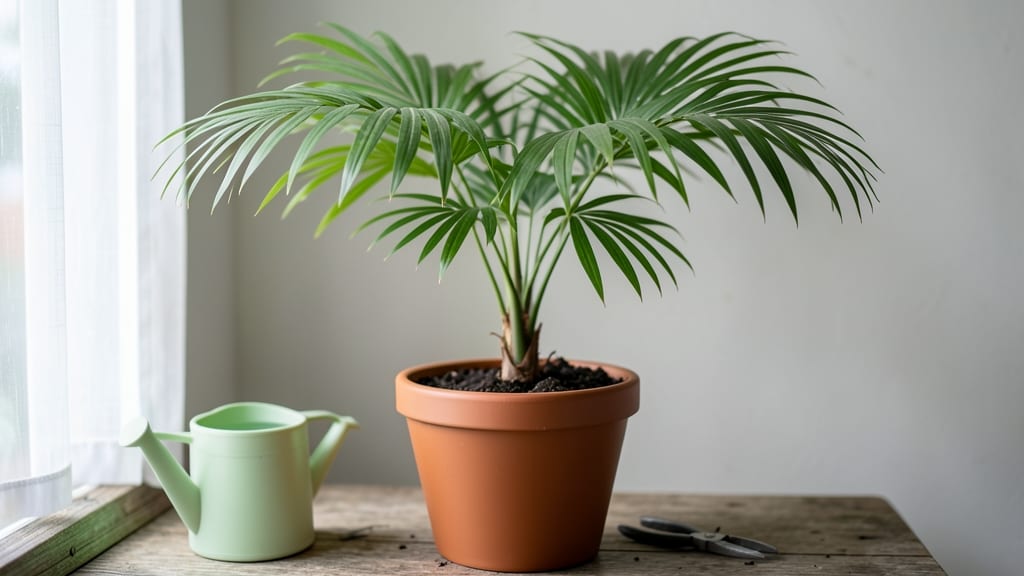
Your lil palm tree just became your frost-fighting champion. 🌿 These tough plants thrive in the Pacific Northwest’s chill—when you prune them right. I’ve trimmed mine through three winters without a single brown leaf, and the secret isn’t complicated.
The key is timing and technique: prune dead fronds in late winter, never more than a third of the plant at once, and always with clean, sharp shears.
My first mistake? Cutting too close to the trunk—now I leave a half-inch gap to prevent rot. The result? A plant that looks lush year-round, not just summer.
You’ll end up with a palm that stays compact, produces new fronds faster, and resists the cold better than store-bought alternatives. The best part? Your neighbors will ask how you keep yours so healthy—while theirs struggle. Let’s get those shears ready.
Works for both indoor plants and outdoor pots, whether you’re in Seattle’s rain or Portland’s fog. Here’s exactly how to do it without stressing the plant—or yourself.
📚 In This Guide
- What you need
- Instructions
- Tips and common mistakes
- Wrapping up and next steps
What you need
- ● Pruning shears: Sharp, bypass-style shears (for clean cuts on fronds and smaller branches). Recommended: Felco F-2 or equivalent (ergonomic, 7-8 inch blades).
- ● Loppers: 1 pair (for thicker stems or dead fronds). Look for ratcheting or bypass types with 10-12 inch blades.
- ○ Pruning saw: 1 small, curved-tooth saw (for stubborn, woody stalks). Optional: A foldable version for portability.
- ● Disinfectant: 70% isopropyl alcohol or a bleach solution (1 part bleach to 9 parts water) to sterilize tools between cuts.
- ● Heavy-duty gloves: 1 pair of cut-resistant gloves (e.g., Mechanix or similar) to protect against thorns and sap.
- ● Ladder or step stool: Adjustable aluminum extension ladder (8-12 feet, depending on tree height) or a stable step stool (for smaller palms). Safety tip: Use a harness if working above 6 feet!
- ● Heavy-duty trash bags: 2-3 contractor-grade bags (30-50 gallon) for debris. Pro tip: Tie them securely to avoid spills!
- ● Rake or broom: 1 stiff-bristle tool to gather fallen fronds and debris.
- ● Pruning sealant: Tanglefoot Tree Wound Pruning Seal (to prevent disease entry on larger cuts).
- ● Safety goggles: For protection against debris or sap splashes.
- ● Work clothes: Old long-sleeved shirt and pants to shield from sap and thorns.
- ● Hose or bucket: For rinsing tools and removing sap residue post-pruning.
- ● Camera or phone: To document your progress or track growth over time!
- ● Weather check: Prune on a dry, calm day (avoid wind or rain). Ideal temps: 50–75°F.
- ● Safety first: Ensure the area around the tree is clear of tripping hazards and pets/kids.
- ● Know your palm: Identify dead fronds (brown, crispy) vs. healthy ones (green, flexible). Pro tip: Snap a frond—if it’s dry inside, it’s time to go!
Step-by-step guide for pruning lil palm trees
Here’s how to keep your palms healthy through Pacific Northwest winters—without losing their iconic shape.
🌿 Step 1: Time Your Pruning for Frost Resistance
Prune lil palms in late winter or early spring, just before new growth begins. This timing helps the plant recover before summer heat and stores energy for frost survival. Avoid pruning in fall—new growth won’t harden off before cold snaps hit.
Look for dormant fronds (brown, dry leaves) that haven’t fallen naturally. These are safe to remove. Wait until new fronds unfurl before trimming healthy ones—this ensures you’re not over-pruning when the plant is vulnerable.
✂️ Step 2: Remove Dead and Damaged Fronds
Start by cutting off dead fronds at the base with clean, sharp pruners. These are the brown, brittle leaves that crunch when you squeeze them. Use sterilized tools (rubbing alcohol works) to prevent disease spread between cuts.
For partially damaged fronds, check if more than half the leaflets are brown or crispy. If so, remove the entire frond. Leave healthy fronds intact—they provide shade and energy storage for winter survival. Never prune more than one-third of the fronds at once.
☀️ Step 3: Thin Out Crowded Fronds for Airflow
Lil palms grow new fronds in a fan shape. If fronds overlap or block sunlight from reaching the center, thin them out to improve airflow. Focus on the outermost fronds first—these are the oldest and least critical for photosynthesis.
Make cuts just above a leaf joint (where the frond attaches to the trunk). Avoid leaving stubs—this prevents rot and pest entry. If you’re unsure, err on the side of leaving more fronds. Over-pruning stresses the plant and weakens frost resilience.
🪴 Step 4: Protect the Trunk After Pruning
After trimming, inspect the trunk for rough spots or cracks. Smooth any jagged edges with a file or sandpaper to prevent water buildup, which can lead to rot. Apply a light coat of horticultural sealant (like tree wound dressing) if you notice deep cuts.
In Pacific Northwest zones, mulch the base with 2-3 inches of organic mulch (like shredded bark) to insulate roots. Keep mulch 6 inches away from the trunk to avoid moisture buildup. This helps the palm retain moisture during winter dry spells.
Tips & tricks for pruning lil palm trees
Here’s what I’ve learned after years of keeping lil palms thriving through Pacific Northwest winters—these tricks make all the difference.
Timing is Everything: Late winter or early spring is your golden window for pruning, right before those first tender new fronds unfurl. I’ve learned the hard way that pruning in fall can leave your palm vulnerable to winter cold—new growth simply doesn’t have time to harden off before frost hits. Mark your calendar for early March to ensure you’re pruning at the perfect time when the plant is ready to recover.
Tool Prep Prevents Problems: Sterilizing your pruners between cuts is non-negotiable. I keep a small bottle of rubbing alcohol handy to wipe down blades after each frond. This simple step prevents disease spread that can weaken your palm, especially in damp Pacific Northwest conditions. Also, make sure your pruners are sharp—dull blades crush rather than cut cleanly, causing unnecessary stress to the plant.
The One-Third Rule: Never remove more than one-third of the fronds at once. I’ve seen people overzealously prune their palms, thinking more trimming equals better health, but this actually stresses the plant and weakens its frost resilience. Focus on removing only the dead, damaged, or outermost fronds—this maintains the palm’s ability to photosynthesize and store energy for winter survival.
Post-Pruning Care: After you’ve finished trimming, take 10 minutes to inspect the trunk for any rough spots or deep cuts. Smooth any jagged edges with sandpaper and apply a light coat of horticultural sealant to prevent rot. This is especially important in our rainy climate—water trapped in cuts can lead to fungal infections. The 2-3 inches of organic mulch around the base (but kept 6 inches away from the trunk) creates a protective barrier that helps retain moisture during those dry winter spells we sometimes get.
Pro Tips for Lil Palm Tree
- Here’s what I’ve learned after years of keeping lil palms thriving through Pacific Northwest winters—these tricks make all the difference.
- Timing is Everything: Late winter or early spring is your golden window for pruning, right before those first tender new fronds unfurl.
- Tool Prep Prevents Problems: Sterilizing your pruners between cuts is non-negotiable.
Frequently asked questions
Got questions about keeping your lil palm tree thriving in the Pacific Northwest’s chilly climate? You’re not alone! Here are answers to the most common concerns—from pruning timing to frost protection and beyond.
When should I prune my lil palm tree to prepare for PNW winters?
Prune your Chamaedorea elegans (lil palm) in early to mid-fall (September–October) to encourage new growth before frost hits. Avoid heavy pruning in late fall or winter, as the tree needs time to harden off. Focus on removing dead fronds and overcrowded branches—just don’t trim more than 1/3 of the fronds at once!
How cold can a lil palm tree tolerate, and what’s the best frost protection?
Lil palms are hardy to USDA Zone 10, so they’ll struggle below 20°F (-6°C). For PNW winters, move potted palms indoors or wrap them in burlap and cover with a frost cloth. If planted in the ground, mulch heavily around the base (3–4 inches) and water deeply before the first freeze to protect roots. Pro tip: Group palms together—they generate shared warmth!
Can I prune a lil palm tree in winter, or should I wait for spring?
Winter pruning is risky—the tree is dormant, and cold stress can slow healing. If you must trim in winter (e.g., to remove storm damage), do it on a mild day (above 40°F/4°C) and avoid heavy cuts. Wait until early spring (March–April) for routine pruning when new growth signals the tree’s active phase.
What if my lil palm tree’s fronds turn brown after pruning?
Brown fronds post-pruning are normal if they were already dead or dying. However, if healthy fronds brown quickly, check for:
- Over-pruning: Too many cuts shock the tree. Stick to 1–2 fronds max per session.
- Underwatering: Lil palms need consistent moisture, especially after pruning. Water deeply 2–3 times a week.
- Fungal issues: Sterilize tools with rubbing alcohol and avoid pruning when leaves are wet.
Are there frost-resistant alternatives to lil palm trees for the PNW?
If lil palms struggle in your microclimate, consider these cold-hardier options:
Plant
Hardiness Zone
Notes
Needle Palm (Rhapidophyllum hystrix)
Zone 6–9
Tiny, spiky, and tolerates 0°F (-18°C) with mulch!
Windmill Palm (Trachycarpus fortunei)
Zone 7–11
Survives 10°F (-12°C) and thrives in shade.
Dwarf Date Palm (Phoenix roebelenii)
Zone 10–11
Needs container protection but grows fast.
For indoor/outdoor flexibility, try Kentia palms (Zone 10) or Parlor palms—both handle cooler temps better than lil palms when potted.
Wrapping up and next steps
Pruning your lil palm tree in the Pacific Northwest isn’t just about aesthetics—it’s about ensuring its survival through frost, wind, and unpredictable weather. 🌿 By following the right techniques, timing, and tools, you’ll keep your palm thriving for years.
Whether you’re trimming for health, shape, or safety, remember: patience and precision are key!
Ready to take the next step? Schedule a quick check of your palm’s health this season—grab your pruners, review your notes, and give your tree the care it deserves. Your lil palm tree will thank you with lush, resilient growth! 🌱