
Pruning
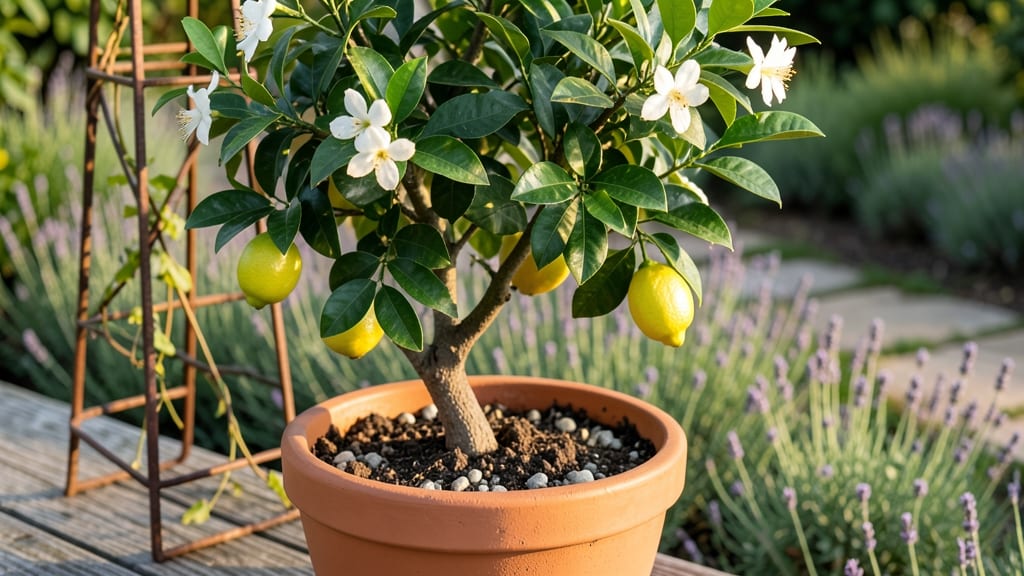
A lemon tree in a pot isn’t just a kitchen decoration—it’s a year-round fruit producer that fits on your patio or windowsill. 🌿 I’ve grown mine for five years, and the secret to its success?
Pruning cuts that keep it compact, productive, and pest-free. The right pot, soil, and sunlight make all the difference, but even beginners can nail it with the right approach.
Start with a 15-20 gallon pot (drainage holes are non-negotiable) and a mix of cactus soil and compost. My tree thrives in 6+ hours of morning sun, but it survives indoors near a bright window too.
Water when the top inch of soil feels dry—overwatering kills more lemon trees than anything else. A balanced citrus fertilizer every 4-6 weeks in spring and summer keeps it fruiting like crazy.
Pruning isn’t just about shaping—it’s about airflow and fruit quality. Cut back leggy branches in early spring and pinch new growth to encourage bushiness. With the right technique, you’ll harvest dozens of lemons by winter, even in a container.
The key is patience: it takes 2-3 years for a potted tree to bear reliably, but once it does, you’ll never buy lemons again.
This method works for Meyer lemon trees (the easiest for pots) or standard lemons if you’re in a warm climate. Indoor growers? Just move the pot outside in summer for better fruit set. Here’s how to keep yours thriving all year—no green thumb required.
📚 In This Guide
- What you need
- Instructions
- Tips and common mistakes
- Wrapping up and next steps
What you need
- ● Pot: A well-draining container (12–20 inches in diameter, depending on tree size). Opt for terracotta or ceramic with drainage holes. (Pro tip: 💡 Add a cache pot or saucer underneath to catch excess water!)
- ● Potting Mix: 10–12 lbs of a citrus-specific or well-draining mix (e.g., 60% inorganic matter like perlite/pumice + 40% organic matter like peat moss or coconut coir). Avoid garden soil—it compacts and suffocates roots!
- ● Lemon Tree: A dwarf variety (like ‘Meyer’ or ‘Improved Meyer’) for pots. Ensure it’s healthy and disease-free.
- ● Pruning Tools: Bypass Pruners: Sharp, clean (sterilize with rubbing alcohol between cuts).
- ● Concave Cutter: For larger branches (1/4"–3/4" diameter).
- ● Hand Saw: For thick stems (only if necessary!).
- ● Gloves: Heavy-duty gardening gloves (lemon trees have thorns!).
- ○ Pruning Sealer: Optional but helpful for sealing large cuts (use a citrus-safe product like tree wound pruning paste).
- ● Support Stakes: For young or top-heavy trees (bamboo or metal stakes + soft ties).
- ● Mulch: 2–3 inches of organic mulch (e.g., straw or pine bark) to retain moisture.
- ● Citrus Fertilizer: A balanced, slow-release formula (e.g., 6-6-6 or 8-3-9) with micronutrients like iron and zinc.
- ● Spray Bottle: For light misting during dry spells (lemon trees love humidity!).
- ● Grow Lights: If indoors, a full-spectrum LED grow light (12–14 hours/day in winter).
How to prune a potted lemon tree for year-round growth
Smart pruning keeps your citrus tree compact, productive, and healthy—here’s my foolproof method.
✂️ Step 1: Time Your Pruning for Optimal Growth
Prune your potted lemon tree in late winter or early spring, just as new growth begins. This timing ensures you remove dead wood while encouraging vigorous spring flushes. Avoid heavy pruning in fall—it stresses the tree before dormancy. I always wait until I see pinkish buds forming along the branches, which signals the tree’s about to wake up.
If you must prune at another time, do it after harvest to avoid removing potential fruit. Never prune when the tree is flowering—you’ll sacrifice next year’s crop. A light trim in summer to shape the tree is fine, but keep it minimal to avoid shocking the plant.
🌿 Step 2: Identify and Remove Problem Branches
Start by cutting out dead, diseased, or crossing branches—these compete for energy and invite pests. Use clean, sharp pruners to make 45-degree cuts just above a leaf node or outward-facing bud. I look for branches that are brown, brittle, or rubbing against others, as these will never produce healthy fruit.
Also remove any suckers (shoots growing from the base or trunk) and water sprouts (thin, vertical shoots). These drain energy from fruit production. If a branch is too thick to cut by hand, use a small handsaw—just don’t leave jagged edges. Smooth cuts heal faster and reduce rot risk.
🌱 Step 3: Shape for Airflow and Light Penetration
Open the tree’s canopy by trimming back overly dense growth inside the center. Aim for an open vase shape—this improves airflow, which prevents fungal diseases like citrus greasy spot. I target branches that block light from reaching the inner leaves, as these areas stay damp and prone to rot.
Cut back overly long branches by one-third to encourage bushier growth. Focus on outward-facing branches to maintain a rounded silhouette. Avoid "lion’s tailing" (cutting all the way back to the trunk)—this creates weak regrowth. Instead, leave 3-5 strong buds on each remaining stem.
☀️ Step 4: Fertilize and Hydrate After Pruning
Within 24 hours of pruning, feed your tree with a balanced citrus fertilizer (10-10-10 or similar) to compensate for the stress. Water deeply the same day, then monitor soil moisture—potted trees dry out faster after pruning. Let the top 1-2 inches of soil dry between waterings to prevent root rot.
Place the pot in bright, indirect light for a week post-pruning. If you notice yellowing leaves, it’s usually a sign of overwatering or nutrient shock. Adjust care by reducing water slightly and applying a foliar spray of seaweed extract to boost recovery.
Tips & tricks for perfect potted lemon tree pruning
Here's what nobody tells you about keeping your citrus tree thriving after the cut—these details make all the difference.
Timing Secret: The late winter/early spring window is critical because that's when your lemon tree naturally enters its growth phase. I've seen trees stressed beyond recovery when pruned too early—look for those pinkish buds as your green light. If you must prune outside this window, do it immediately after harvest when the tree has already set fruit for next season.
Tool Technique: Your pruners should be as sharp as a chef's knife—dull tools crush branches instead of making clean cuts. I sterilize mine with rubbing alcohol between cuts on different trees to prevent spreading disease. For branches thicker than your wrist, a small handsaw with a fine-tooth blade prevents tearing the bark, which invites rot.
Canopy Strategy: When shaping your tree's canopy in Step 3, think of it like opening a window for better airflow. I always target the center first—this is where humidity builds up and fungal spores thrive. Leave those 3-5 strong buds on each remaining stem to encourage bushier, fruit-bearing growth rather than weak regrowth from the trunk.
Post-Pruning Recovery: That 24-hour fertilization window is your chance to give your tree a nutritional boost after the stress. I've found mixing a foliar spray of seaweed extract with the fertilizer creates a double recovery punch. Watch for yellowing leaves—this is your tree's way of saying "I'm struggling," usually from overwatering or nutrient shock. Reduce water slightly and move to brighter light if this happens.
Pro Tips for Lemon Tree With Pot
- Here's what nobody tells you about keeping your citrus tree thriving after the cut—these details make all the difference.
- Timing Secret: The late winter/early spring window is critical because that's when your lemon tree naturally enters its growth phase.
- Tool Technique: Your pruners should be as sharp as a chef's knife—dull tools crush branches instead of making clean cuts.
Frequently asked questions
Got questions about keeping your lemon tree in a pot happy and productive? Here are some of the most common concerns—and their solutions!
How often should I repot my lemon tree?
Repot your lemon tree every 2–3 years or when roots start circling the pot. Spring is the best time—avoid disturbing it during winter dormancy. Choose a pot just 2–3 inches wider than the current one to prevent root stress. Pro tip: Add fresh, well-draining potting mix with compost to give it a nutrient boost!
When is the best time to prune a potted lemon tree?
Prune in late winter or early spring (just before new growth starts) to encourage healthy blooms and fruit. Avoid heavy pruning in fall—it can stress the tree before winter. Focus on removing dead, crossing, or overcrowded branches first, then shape it for airflow. Never prune more than 1/3 of the foliage at once!
Why isn’t my potted lemon tree fruiting?
Lemon trees need full sun (6+ hours/day), consistent watering, and balanced fertilizer (like 10-10-10) to fruit. If it’s not blooming, check for:
- Cold drafts (keep temps above 50°F/10°C)
- Overwatering (let soil dry slightly between waterings)
- Nutrient deficiency (add citrus-specific fertilizer in spring/summer)
Can I grow a lemon tree indoors year-round?
Yes! But it needs bright, indirect light near a south-facing window (or grow lights). If outdoors in winter, move it inside before temps drop below 40°F/4°C. Watch for pests like spider mites—spray leaves with neem oil if you spot them. Bonus: Rotate the pot monthly for even growth!
How do I protect my potted lemon tree in winter?
Move it to a cool (50–60°F/10–15°C), bright spot indoors or wrap the pot in bubble wrap if outdoors. Reduce watering—let soil dry more between drinks. Avoid heaters or drafts, which can shock the tree. If leaves drop, it’s likely adjusting to lower light, not dying! Pro tip: Mist leaves occasionally to combat dry indoor air.
What’s the best potting mix for a lemon tree?
Use a well-draining mix like:
- 60% cactus/succulent mix
- 30% peat moss or coconut coir
- 10% perlite or coarse sand
Wrapping up and next steps
Growing a lemon tree in a pot is a rewarding journey that brings fresh, zesty fruit right to your doorstep—with the right pruning techniques, you’ll keep it healthy and thriving year-round! 🌿 By mastering the art of strategic cuts, you’ll encourage lush growth, abundant blooms, and juicy lemons while avoiding common pitfalls.
Whether you’re a beginner or a seasoned green thumb, this guide gives you the confidence to prune like a pro.
Now that you’re armed with knowledge, roll up your sleeves and give your lemon tree the care it deserves!
Start with a quick assessment of its branches, grab your pruning shears, and follow the steps above. Before you know it, you’ll be harvesting homegrown lemons—and maybe even sharing the bounty with friends. Happy pruning!