
Pruning
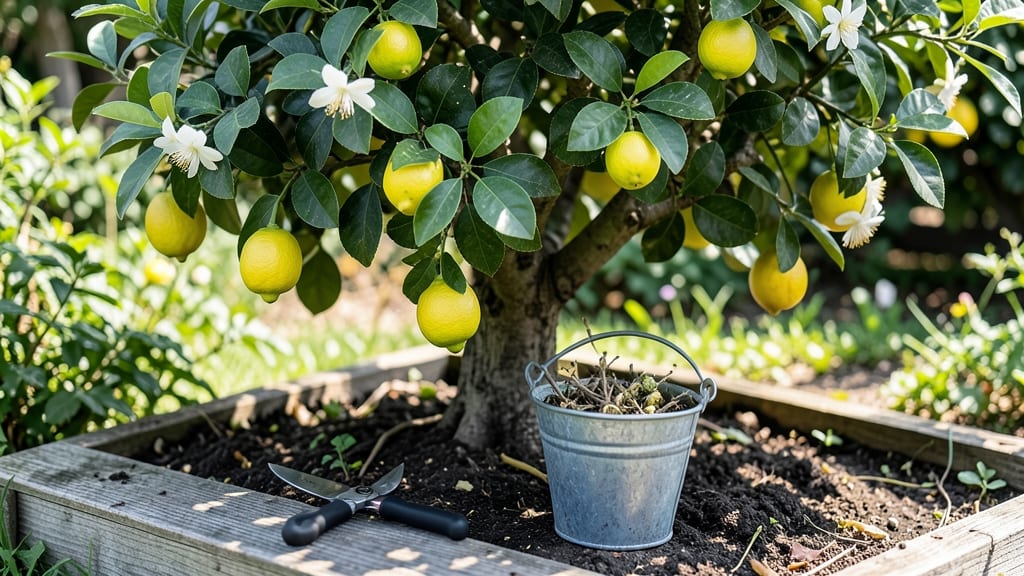
A lemon tree pruning diagram isn’t just helpful—it’s your roadmap to healthy fruit production and a tree that thrives for decades. 🌿 I’ve spent years watching overgrown branches crowd out sunlight and block airflow, turning what should be a golden harvest into a tangled mess.
The right cuts don’t just shape the tree; they unlock bigger, sweeter lemons and stronger growth.
You’ll need just three basic tools: sharp pruning shears, a saw for thicker branches, and rubbing alcohol to sterilize cuts. Timing matters too—prune in late winter or early spring before new growth starts, when the tree’s energy is focused on recovery.
This isn’t guesswork; it’s a system that works whether you’re shaping a dwarf tree in a pot or a mature one in the ground.
By the end, you’ll see thicker stems, more sunlight reaching the center, and fruit that actually ripens instead of hiding under dense foliage. The diagram breaks down exactly where to cut—from removing dead wood to thinning crowded branches—and why each cut matters. No more second-guessing what to snip.
Even experienced gardeners hit snags, like over-pruning or cutting too close to the trunk. I’ll show you how to avoid those mistakes and adapt the technique for container-grown trees or different lemon varieties. Let’s get those lemons growing like they should.
📚 In This Guide
- What you need
- Instructions
- Tips and common mistakes
- Wrapping up and next steps
What you need
- ● Pruning shears (bypass or anvil type) – Choose sharp, clean shears with a 4- to 6-inch blade for precision cuts. Bypass shears are ideal for clean cuts on woody stems.
- ● Loppers – For thicker branches (½ to 1½ inches in diameter). Opt for bypass loppers with a long handle (24-36 inches) for leverage.
- ● Hand pruners (for fine trimming) – A small, ergonomic pair for delicate cuts on new growth or small branches.
- ● Rubbing alcohol (70% isopropyl) – 1 small bottle (4 oz) to sterilize tools between cuts and prevent disease spread.
- ● Disposable gloves – 1 pair (nitrile or leather) to protect hands from thorns and sap.
- ● Sharpie or permanent marker – To mark branches for future reference if needed.
- ● Heavy-duty trash bags or bucket – For collecting pruned branches (5-gallon capacity recommended).
- ● Ladder (if needed) – A stable, 6- to 8-foot step ladder for reaching higher branches. Never stand on wobbly surfaces!
- ● Pruning saw – For branches thicker than 1½ inches.
- ● Tree wound dressing – Not always necessary, but can help large cuts heal faster (e.g., pruning sealant).
- ● Garden hose or spray bottle – To clean tools or rinse sap off hands.
- ● Notebook or sketchpad – To draw your lemon tree’s pruning diagram before cutting!
- ● Safety glasses – If dealing with very thick branches that may snap back.
How to prune a lemon tree for strong, fruitful branches
Here's the method I've used for years to keep my citrus trees producing well—no guesswork, just clear cuts.
🌿 Step 1: Identify the Right Cuts for Structure and Health
Start by removing any dead, diseased, or crossing branches first. These are your priority—they won't recover and can spread problems. Look for branches that are brown inside, have black spots, or rub against each other. Cut these back to the main trunk or a healthy side branch using clean, sharp shears.
Next, target branches growing inward toward the center of the tree. These compete for sunlight and air circulation, creating a dense, shaded interior where fruit rots. Aim to open up the canopy so light reaches all sides. You'll know you're doing it right when you can see sunlight hitting the center branches after pruning.
✂️ Step 2: Shape the Tree with Strategic Cuts
Make your first cuts to encourage an open, vase-like shape. Lemon trees naturally grow upright, so you'll want to prune the lower branches to allow better airflow and easier harvesting. Remove about one-third of the oldest wood—this stimulates new growth and keeps the tree productive. Focus on branches that are thicker than ½ inch in diameter.
For lateral branches, cut back to just above an outward-facing bud or leaf. This ensures the new growth will angle outward, creating a more balanced tree. Avoid cutting flush with the trunk—leave a small bump to prevent disease from entering the wound. If you're unsure which bud to target, look for the one that points in the direction you want the branch to grow.
☀️ Step 3: Encourage Fruit Production with Selective Trimming
To boost fruit production, prune back the tips of branches that have already borne fruit. Cut just above a leaf or bud where the branch splits. This redirects the tree's energy from leaf growth to flower and fruit development. You'll notice new shoots forming within 2-3 weeks—these are your signal that the tree is responding well.
For branches that are too long or leggy, shorten them by one-third to encourage bushier growth. Avoid heavy pruning in late summer or fall, as this can stimulate new growth that won't harden off before winter. The best time to prune is late winter or early spring, just before new growth begins. Your tree will thank you with a flush of fresh leaves and blossoms.
⏰ Step 4: Clean Up and Monitor for Recovery
After pruning, remove all fallen branches and debris from the area. This prevents pests and diseases from taking hold in the pruned wood. Sterilize your shears with rubbing alcohol between cuts to avoid spreading pathogens. A quick wipe-down keeps everything clean and ready for the next cut.
Watch your lemon tree closely in the weeks following pruning. New growth should appear within 3-4 weeks, and you'll see small leaves emerging from the buds you left behind. If you notice yellowing leaves or wilting, it could mean you pruned too aggressively. In that case, the tree will recover, but it may take longer to rebound. Keep the soil consistently moist but not soggy during this recovery period.
Tips & tricks for perfect lemon tree pruning
Here's what nobody tells you about pruning that'll make your lemon tree thrive for years.
Tool Prep: Sterilize your pruning shears with rubbing alcohol between each cut—this prevents spreading fungal spores and bacterial infections that can kill your tree. I keep a small bottle of 70% isopropyl alcohol handy and wipe down the blades after every 3-4 cuts. You'll also want to sharpen your shears before starting; dull blades tear wood instead of making clean cuts, which invites disease.
Visual Cues for Step 1: When identifying branches to remove in Step 1, look for these telltale signs: dead branches will snap easily when bent, while diseased branches often have dark streaks or oozing sap. For crossing branches, imagine the tree's natural vase shape—any branch growing directly into the center needs to go. Pro tip: Use a small mirror on a stick to check hard-to-see areas where branches might be rubbing.
Seasonal Timing: The late winter/early spring timing in Step 3 is critical because it gives new growth plenty of time to harden off before summer heat. If you must prune outside this window, avoid late summer—new growth won't have time to mature before winter. I've learned this the hard way after seeing new shoots freeze in my first year of citrus gardening!
Recovery Monitoring: After pruning, check your tree's progress weekly. The 3-4 week window for new growth is your best indicator of success—if you don't see fresh leaves by week 5, you may have pruned too aggressively. Keep a small notebook by your tree to track which branches you pruned and when new growth appears; this helps you adjust your approach for next year.
Pro Tips for Lemon Tree Pruning Diagram
- Here's what nobody tells you about pruning that'll make your lemon tree thrive for years.
- Tool Prep: Sterilize your pruning shears with rubbing alcohol between each cut—this prevents spreading fungal spores and bacterial infections that can kill your tree.
- Visual Cues for Step 1: When identifying branches to remove in Step 1, look for these telltale signs: dead branches will snap easily when bent, while diseased branches often have dark streaks or oozing sap.
Frequently asked questions
Got questions about lemon tree pruning? You’re not alone! Here are some of the most common queries—plus straightforward answers to keep your citrus tree thriving.
When is the best time to prune a lemon tree?
The ideal window is late winter or early spring (just before new growth starts). Avoid pruning in fall or winter in cold climates—your tree needs energy to survive dormancy. For tropical zones, prune after harvest (summer/fall) to balance fruit production and shape.
How do I know which branches to cut?
Look for:
- Dead/diseased branches (brown, brittle, or oozing sap)
- Crossing or rubbing branches (they’ll damage each other)
- Overcrowded growth (trim to improve airflow and sunlight)
- Suckers or water sprouts (fast-growing shoots at the base or trunk)
How often should I prune my lemon tree?
Light pruning (removing deadwood, shaping) can happen yearly, but heavy pruning (structural cuts) every 2–3 years is plenty. Young trees need more frequent shaping (every 6–12 months) to establish strong branches. Pro tip: Never remove more than 25–30% of the foliage at once!
Will pruning reduce my lemon harvest?
Not if done right! Pruning actually boosts fruit quality by improving air circulation and sunlight penetration. However, avoid heavy pruning during flowering/fruiting season—wait until after harvest. Focus on removing only non-productive branches to keep yields steady.
My lemon tree is bleeding sap after pruning—is this normal?
Yes, but it’s usually harmless! Lemon trees often "bleed" (oozing sap) after cuts, especially in warm weather. To minimize it:
- Prune on a cool, cloudy day (not hot or rainy)
- Avoid cutting into large, mature branches in one go
- Seal cuts with pruning wax if bleeding is excessive
Can I prune a lemon tree without shears?
While sharp pruning shears are ideal, you can use:
- A clean, sharp knife (for small branches)
- Hand pruners (for thicker stems)
- A saw (only for very large branches—sterilize first!)
Wrapping up and next steps
Pruning your lemon tree isn’t just about keeping it tidy—it’s the secret to bountiful harvests and vibrant growth! 🌿 With the right cuts (and our handy diagram as your guide), you’ll encourage stronger branches, better airflow, and those coveted lemons year after year.
Remember: confidence comes with practice, so don’t hesitate to grab those shears and get started.
Ready to take the next step? Bookmark this guide and revisit it before your next pruning session. Or, for even more inspiration, check out seasonal pruning tips tailored to your lemon tree’s life cycle. Happy pruning—your future lemons will thank you! 🍋✨