
Pruning
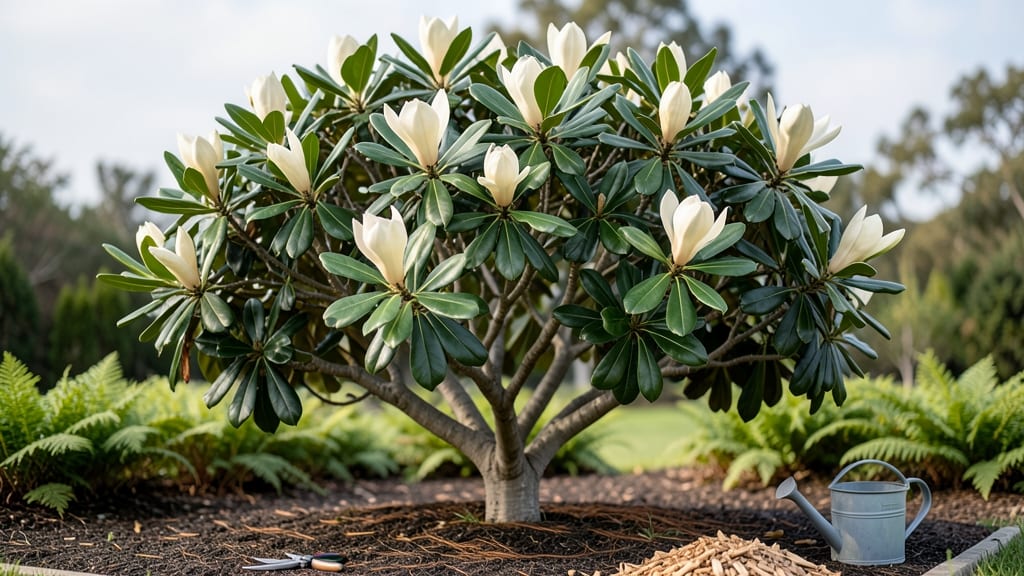
Summer is when your Jane magnolia tree needs layered cuts to stay strong and keep producing those stunning blooms—especially after its spring show. ✨ I’ve pruned mine every July for five years now, and the difference in growth and flowering is dramatic.
The key isn’t just cutting branches; it’s shaping the tree to encourage airflow and future blooms while avoiding the mistakes that stunt growth.
You’ll need sharp pruners, a ladder (for taller branches), and a clear day to assess the tree’s structure. The goal is to remove dead or crossing branches first, then thin out crowded growth to let sunlight reach the center.
Never cut more than 25% of the tree’s foliage at once—this keeps it healthy and prevents stress. My Jane magnolia blooms so heavily in spring that summer pruning feels like giving it a fresh start for next year’s flowers.
What you’ll end up with is a tree that looks fuller, grows more evenly, and puts energy into next season’s buds instead of weak, leggy branches. The blooms may be smaller in the following spring, but the overall health and longevity of the tree improve dramatically.
Plus, you’ll notice fewer pests hiding in dense foliage, making summer care a two-for-one benefit.
This method works for Jane magnolias in zones 5-9, though timing shifts slightly depending on your climate. In hotter areas, prune in early summer to avoid heat stress; in cooler zones, late summer is fine.
The same principles apply whether your tree is young or mature—just scale the cuts to the size of the branches.
📚 In This Guide
- What you need
- Instructions
- Tips and common mistakes
- Wrapping up and next steps
What you need
- ● Pruning shears: Bypass pruners (sharp, clean, and rated for branches up to ½ inch thick). Example: Fiskars PowerGear or Felco Classic.
- ● Loppers: One pair with a 16–20-inch handle for branches ½–1½ inches thick. Example: Corona 3-in-1 Lopper.
- ● Pruning saw: A curved-tooth saw (like the Felco F-2) for thicker branches (1½+ inches). Pro tip: Oil the blade to prevent gumming from magnolia sap! 💡
- ● Gloves: Heavy-duty, cut-resistant gloves (e.g., Wolverine Waffle Grip) to protect against thorns and sap.
- ● Disinfectant: 70% isopropyl alcohol or a pruning sealant (e.g., Tanglefoot Pruning Seal) to prevent disease spread.
- ○ Extension pole: Optional but handy—a 3–4 ft telescoping pole with a saw attachment for high branches.
- ● Weather check: Prune on a dry, overcast day (avoid midday heat). Early morning is ideal!
- ● Safety gear: Safety glasses (sap can irritate eyes!) and long sleeves/pants.
- ● Cleanup supplies: Heavy-duty trash bags (for debris)
- ● Rake or leaf blower (to clear fallen leaves/branches)
- ● Tree assessment: Sketch a rough map of your tree’s structure before cutting—note branches to remove vs. retain. Pro tip: Use a phone app like iTree for a digital guide! ✨
- ● Pruning paint: Tree wound dressing (e.g., Dynamat) for large cuts (2+ inches) to speed healing.
- ● Ladder: A sturdy, 3-section aluminum ladder (rated for your height needs) with non-slip feet.
- ● Camera: Snap photos of the tree before, during, and after pruning for reference.
- ○ Tree growth regulator: Optional—products like Bonide Fruit & Flower can promote bushier growth post-pruning.
How to prune a Jane magnolia tree for stronger summer growth
Summer's the perfect time to shape your magnolia—just focus on strategic cuts to keep it lush.
🌿 Step 1: Identify and Remove Dead or Weak Branches
Start by scanning the tree for branches that are brown, brittle, or showing signs of disease. These are your first targets—they’ll only drain energy from healthy growth. Use clean, sharp pruning shears to cut just outside the branch collar, where the branch meets the trunk. This ensures the tree can seal the wound properly and prevents rot.
Here's the thing—don’t rush this step. Take your time to spot thin, crossing branches or those growing inward. These compete for sunlight and air circulation, making the tree more prone to pests. Remove them entirely at the base, cutting at a 45-degree angle if needed, but always just outside the branch collar. You’ll know you’re doing it right when the cuts look clean and the tree’s structure starts to open up.
✂️ Step 2: Thin Out Crowded Growth for Better Airflow
Magnolias naturally grow dense, so thinning is key to keeping the center of the tree healthy. Look for branches that overlap or grow too close together—these create dark, humid pockets where fungal diseases love to hide. Aim to remove no more than 25% of the tree’s foliage in one session to avoid stressing it.
I like to work from the inside out, starting with the smallest branches first. Cut these back to a strong lateral branch or bud, making sure your cut is just above an outward-facing bud if possible. This encourages new growth to fill in gaps naturally. If you’re unsure which branch to remove, hold your hand where the branch meets the trunk—if you can’t see light through the branches, it’s time to thin.
☀️ Step 3: Shape the Tree for Even Sunlight Exposure
Now it’s time to refine the tree’s shape so sunlight reaches all the leaves. Focus on branches that are growing too tall or too wide, cutting them back to a strong lateral branch or bud. For larger branches, use three-step cuts: First, make a small notch on the underside of the branch, then cut just above it. This prevents the branch from tearing and gives you control over the weight.
Real talk: Don’t overthink the shape—magnolias are forgiving. Your goal is to create a balanced silhouette where light can filter through evenly. If you’re unsure where to cut, imagine the tree as a vase: wider at the base and narrowing toward the top. Step back occasionally to check your progress. You’ll see the difference in just a few weeks as new leaves fill in more evenly.
💧 Step 4: Clean Up and Protect the Tree
After pruning, rake up all the debris and dispose of it properly—don’t leave clippings on the ground, as they can harbor pests and diseases. Dip your pruning tools in rubbing alcohol or a 10% bleach solution to sterilize them and prevent spreading any pathogens to other parts of the tree.
Finally, give the tree a deep watering to help it recover. Focus on the root zone, watering slowly until the soil is moist 6-8 inches deep. Mulch around the base with 2-3 inches of organic mulch, keeping it a few inches away from the trunk to prevent rot. This helps retain moisture and keeps the roots cool during hot summer days.
Tips & tricks for perfect Jane magnolia tree summer pruning
Summer pruning transforms your magnolia into a healthy, vibrant centerpiece—these are the details that make all the difference.
Branch Collar Precision: When removing branches in Step 1, resist the urge to cut too close to the trunk. The branch collar (that swollen area where the branch meets the trunk) is your guide—cut just outside it. I learned this the hard way after seeing a few cuts develop rot from improper sealing. A clean cut here ensures the tree can heal properly and prevents disease entry points.
Thinning Strategy: In Step 2, focus on creating airflow by removing branches that grow inward or cross each other. The 25% foliage limit isn't arbitrary—it's about balance. I've seen magnolias stressed beyond recovery when over-pruned. Work systematically from the inside out, and you'll notice how much brighter the center becomes almost immediately after thinning.
Three-Step Cut Technique: For larger branches in Step 3, the three-step cut isn't just about safety—it's about control. First notch prevents the branch from tearing when you make the final cut. I've seen too many pruners lose control and create messy wounds that take years to heal. Take your time with this step, especially on branches thicker than your thumb.
Post-Pruning Care: After cleaning up in Step 4, don't forget the deep watering. The 6-8 inches of moisture you're aiming for helps the tree recover from the stress of pruning. I've noticed that trees with proper post-pruning care show new growth within just 3-4 weeks, while neglected ones take much longer to bounce back.
Pro Tips for Jane Magnolia Tree Summer
- Summer pruning transforms your magnolia into a healthy, vibrant centerpiece—these are the details that make all the difference.
- Branch Collar Precision: When removing branches in Step 1, resist the urge to cut too close to the trunk.
- Thinning Strategy: In Step 2, focus on creating airflow by removing branches that grow inward or cross each other.
Frequently asked questions
Got questions about pruning your Jane Magnolia tree during summer? You’re not alone! Here are some of the most common concerns—plus straightforward answers to keep your tree thriving.
Can I prune my Jane Magnolia tree anytime in summer, or are there specific windows?
The best time to prune is after flowering but before late July. This gives your tree time to recover before the heat stress of late summer. Avoid heavy pruning in August—it can stress the tree before winter dormancy. Light shaping? Go for it anytime, but major cuts should wait for the ideal window.
How do I know if I’m pruning too much or too little?
Stick to the 25% rule: Never remove more than 25% of the tree’s foliage in one session. For Jane Magnolias, this means trimming back only dead, crossing, or overcrowded branches. If you’re unsure, consult a local arborist—they can help you assess without over-pruning!
What should I do if my Jane Magnolia tree starts bleeding sap after pruning?
Sap bleeding is normal for magnolias! It won’t harm the tree, but you can minimize it by pruning on a cool, cloudy day (not scorching hot) and sealing cuts with pruning sealant if they’re large. Avoid pruning during peak heat—this reduces stress and sap loss.
Are there any alternatives to traditional pruning for summer maintenance?
Yes! For a low-maintenance approach, try:
- Thinning cuts (removing entire branches at the collar) to improve airflow.
- Selective shaping to open up the canopy without heavy cuts.
- Mulching around the base to retain moisture and reduce stress.
Will pruning attract pests like aphids or beetles to my Jane Magnolia?
Pruning can attract pests if the tree is already stressed, but a clean cut (using sharp, sterilized tools) minimizes risks. Inspect your tree after pruning—if you spot sticky residue (honeydew) or tiny insects, treat with neem oil or insecticidal soap. Healthy trees recover faster, so proper pruning reduces long-term pest problems!
Wrapping up and next steps
Summer pruning your Jane Magnolia tree is all about strategic cuts and patience—layered techniques ensure balanced growth while keeping your tree healthy and vibrant. 🌿 By following the right steps, you’ll encourage lush blooms and strong structure for years to come.
Now that you’re armed with the knowledge, grab those shears and give your magnolia the care it deserves!
Ready to take the next step? Mark your calendar for early summer pruning (June is ideal!) and watch your Jane Magnolia thrive. For extra tips, check out our pruning guide or join gardening forums to share your progress. Happy pruning! ✂️🌸