
Pruning
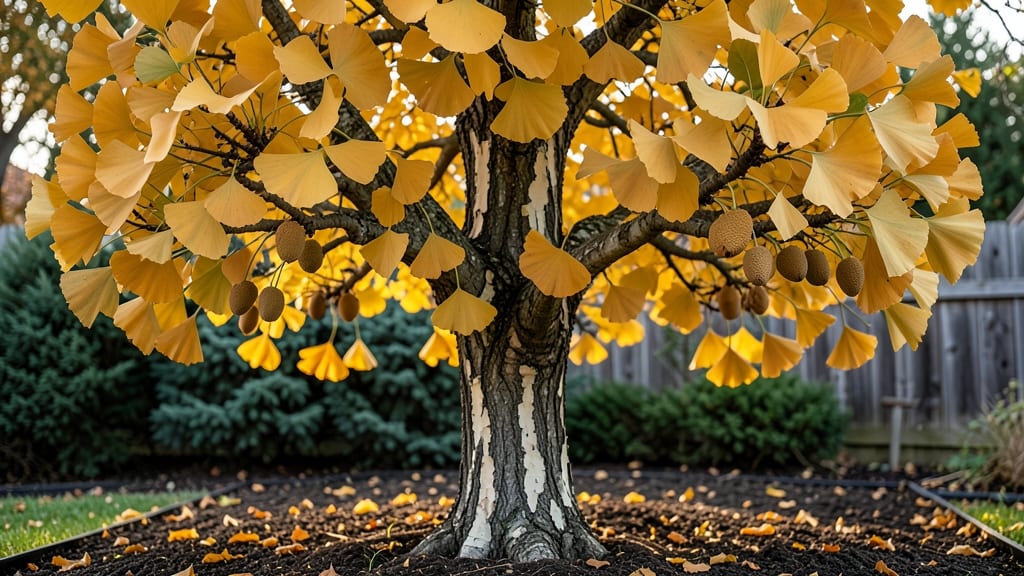
Pruning female ginkgo trees in late winter isn’t just about shaping branches—it’s about preparing your tree for Pacific Northwest storms and ensuring it stays healthy through the wet season. I’ve learned the hard way that skipping this step means dealing with weak limbs later, especially after our heavy winter rains.
The key is timing: wait until after the worst cold snaps but before buds swell, usually February or early March in our climate.
You’ll need sharp pruning shears, a sturdy ladder, and a clear day to avoid slipping on damp branches. Female ginkgos are tough but reward precise cuts—remove dead wood first, then thin out crowded branches to improve airflow.
The goal is to open up the canopy so sunlight reaches the lower limbs, which keeps the tree’s structure strong and reduces seed-cone buildup that can weigh down branches.
What you’ll end up with is a tree that looks effortlessly elegant while handling our region’s wind and rain like a champ. The fresh cuts encourage new growth just as spring arrives, and you’ll notice fewer seed cones dropping where they shouldn’t—like all over your patio.
Plus, the tree’s signature fan-shaped branches become even more striking after a good pruning.
This method works for both young trees and mature specimens, though older ginkgos may need more frequent maintenance.
The Pacific Northwest’s mild winters mean you’ve got a longer window than most regions—don’t wait until spring to start, or you’ll miss the best time to shape the tree for the growing season ahead.
📚 In This Guide
- What you need
- Instructions
- Tips and common mistakes
- Wrapping up and next steps
What you need
- ● Pruning shears: Bypass pruners (sharp, 6–8 inches) for small branches.
- ● Loppers: 1 pair (18–24 inches) for medium branches (½–2 inches thick).
- ● Pruning saw: 1 curved-tooth saw (for branches 2+ inches thick).
- ● Disinfectant: 70% isopropyl alcohol or pruning sealant (for tools and cuts).
- ● Gloves: Heavy-duty, cut-resistant (to protect from thorns and sap).
- ● Safety glasses: 1 pair (to shield eyes from debris).
- ○ Extension pole: Optional but helpful (for high branches, 6–10 feet).
- ● Twine or zip ties: 1 roll (to secure large branches during removal).
- ● Pruning paint: (For sealing large cuts > ½ inch to prevent disease).
- ● Work vest or apron: (To carry tools and collect debris).
- ● Ladder: Sturdy, 3-sided (if branches exceed 10 feet).
- ● Trash bags: Heavy-duty (for collecting pruned branches).
- ● Ginkgo tree care guide: (For reference on ideal branch angles and growth habits).
Step-by-step guide to pruning female ginkgo trees in late winter
Late winter is the perfect time to shape your ginkgo while it’s dormant and resilient.
Assess the Tree’s Structure and Identify Target Branches
Start by examining the tree from all angles, looking for branches that cross, rub against each other, or grow inward. These are the first candidates for removal—they create wounds and compete for energy. Focus on branches thicker than ½ inch in diameter, as these will have the biggest impact on the tree’s health and shape.
Next, scan for dead, diseased, or damaged branches. Deadwood is easy to spot—it’s brittle, lacks leaves, and often has a hollow core when tapped. Diseased branches may show discoloration, fungal growth, or unusual leaf patterns (though ginkgos are dormant now, check for last year’s signs). Mark these with flagging tape or a spray paint dot for later removal.
Here’s the thing—female ginkgos produce seeds, and those branches can become heavy. If you notice branches sagging under the weight of seed pods from last season, prioritize thinning them out. You’ll thank yourself in summer when the tree isn’t struggling under its own fruit.
Use the Right Tools and Make Clean Cuts
Grab your sharp pruning saw for thick branches and bypass pruners for thinner ones. Dull tools crush wood, inviting disease, so take a moment to sharpen your blades before starting. I always test the sharpness by making a clean cut through a small branch—if it tears or splinters, the tool needs honing.
When cutting, aim for a 45-degree angle just outside the branch collar—the swollen area where the branch meets the trunk. This ensures the wound heals properly. Avoid leaving stubs, as they trap moisture and rot. For larger branches, make a second cut about 12 inches from the trunk to reduce weight before removing the branch entirely.
Work methodically from the bottom up. Start with the lowest branches and move upward—this prevents you from standing on ladders longer than necessary and makes cleanup easier. If you’re pruning a mature tree, consider wearing gloves to protect against sap and potential thorns.
Thin Out the Canopy for Better Airflow and Light
Ginkgos grow broad canopies, and dense foliage can lead to fungal issues, especially in the Pacific Northwest’s damp climate. Focus on thinning the canopy by 20-30% to improve airflow and sunlight penetration. Remove branches that grow straight up or downward, as these create weak attachment points and block light from reaching the lower branches.
Look for clusters of branches growing from the same point—these compete for resources and create a crowded look. Select the weakest or smallest branch in the cluster and remove it entirely. This opens up the tree and encourages stronger growth in the remaining branches. Avoid "topping" the tree by cutting back the main leader—this stresses the ginkgo and leads to weak regrowth.
Real talk: If you’re unsure about a cut, take a step back and visualize the tree without it. Ask yourself, "Will this improve the tree’s health or structure?" If the answer is no, leave it alone. Ginkgos are forgiving, but over-pruning can weaken them for years.
Clean Up and Apply Wound Dressing (If Needed)
Once all cuts are made, gather the debris and remove it from the pruning area. Leaving branches on the ground invites pests and disease back into the tree. I like to shred larger branches for mulch, but if they’re diseased, dispose of them in the trash rather than compost.
For cuts larger than 2 inches in diameter, consider applying a wound dressing like pruning sealant to protect the exposed wood. While some gardeners skip this step, the Pacific Northwest’s wet winters can make ginkgos more susceptible to rot. Apply a thin layer to the cut surface, but avoid sealing the branch collar—this area needs to stay open for proper healing.
Finally, give the tree a final inspection. Walk around it one last time to check for missed branches or uneven cuts. If you spot any, now’s the time to fix them before the tree wakes up in spring. Step back and admire your work—the tree will thank you with stronger growth and fewer seed-related headaches.
Tips & tricks for perfect female ginkgo tree pruning
Late-winter pruning transforms your ginkgo into a stronger, healthier specimen—but only if you follow these key strategies. These insights will help you avoid common pitfalls and maximize your tree's long-term resilience.
Branch Selection Strategy: In Step 1, when identifying branches thicker than ½ inch, prioritize those with weak attachment points first. Look for branches that grow at sharp angles or show signs of past damage—these are the most vulnerable to storm damage. I’ve seen too many ginkgos lose major limbs because we overlooked these early warning signs. Focus on removing the most structurally compromised branches first, even if they’re not the thickest.
Tool Maintenance: Step 2 emphasizes sharp tools, but here’s what nobody tells you—your pruning saw and bypass pruners should be cleaned and oiled after each use, especially in the Pacific Northwest’s damp climate. Rust and sap buildup can dull blades faster than you think. I keep a small brush and rag in my tool bag to clean sap off tools immediately after use. This simple habit extends the life of your equipment and ensures cleaner cuts every time.
Canopy Thinning Visual: When thinning the canopy in Step 3, aim to create an "open vase" shape that allows sunlight to reach all branches. Imagine looking at the tree from above—you should see an even distribution of light filtering through. Start by removing every third branch in dense clusters, then step back frequently to visualize the overall shape. This method prevents the "windblown" look many pruned ginkgos develop when owners over-compensate by cutting too aggressively on one side.
Wound Care Nuance: For cuts larger than 2 inches in Step 4, I’ve found that applying wound dressing isn’t just about preventing rot—it’s about controlling moisture. In our wet climate, the key is to apply a thin layer (about ⅛ inch thick) and let it cure for 24 hours before any rain exposure. Thicker applications trap moisture and create the very conditions we’re trying to prevent. Think of it like bandaging a cut—too much padding slows healing.
Pro Tips for Female Ginkgo Tree
- Late-winter pruning transforms your ginkgo into a stronger, healthier specimen—but only if you follow these key strategies.
- Branch Selection Strategy: In Step 1, when identifying branches thicker than ½ inch, prioritize those with weak attachment points first.
- Tool Maintenance: Step 2 emphasizes sharp tools, but here’s what nobody tells you—your pruning saw and bypass pruners should be cleaned and oiled after each use, especially in the Pacific Northwest’s damp climate.
Frequently asked questions
Got questions about pruning female ginkgo trees in the Pacific Northwest? You’re not alone!
Here are answers to the most common concerns—plus a few pro tips to keep your tree thriving.
When is the exact best time to prune a female ginkgo tree?
Late winter (February–March) is ideal—after the worst cold snaps but before buds swell. In the PNW, aim for after January’s frost risks but before spring growth kicks in (around late March). This timing minimizes stress and disease risks while keeping your tree’s energy focused on new growth.
Why do female ginkgo trees need special pruning?
Female ginkgos produce smelly, messy seed pods () that can stain sidewalks and attract pests. Pruning to remove lower branches and overlapping limbs improves airflow, reduces fruit load, and makes maintenance easier. Plus, it keeps your tree’s shape balanced—critical for PNW’s windy conditions!
Can I prune a female ginkgo tree in summer or fall?
Not recommended! Summer pruning stresses the tree, and fall cuts (after September) risk ginkgo anthracnose (a fungal disease common in the PNW). If you must prune outside late winter, do it in early spring (April)—but late winter is still best for long-term health.
What if my female ginkgo tree isn’t producing pods?
Pod production can drop due to age (young trees <10 years old), poor nutrition (low phosphorus/potassium), or over-pruning. Test soil pH (ideal: 6.5–7.5) and fertilize with a balanced 10-10-10 in early spring. If the tree is mature but still bare, it might be male—check with a local arborist!
Pro Tip: How do I clean up after pruning?
- Dispose of debris immediately—ginkgo leaves/pods can harbor pests. Do not compost them!
- Seal cuts with pruning sealant (only for cuts >2” wide) to prevent disease.
- Sterilize tools with 70% rubbing alcohol between cuts to avoid spreading Phytophthora (a PNW soil-borne pathogen).
What if it rains during my pruning session?
Prune on a dry day—wet wood is harder to cut cleanly and increases disease risk. If rain’s forecasted, reschedule! If you’re already mid-prune, cover cuts with a plastic tarp temporarily to protect them until you finish.
Wrapping up and next steps
Pruning your female ginkgo tree in late winter isn’t just about shaping—it’s about setting the stage for a healthier, more resilient tree in the Pacific Northwest’s unique climate. 🌿 With the right tools, timing, and techniques, you’ll encourage vibrant growth while minimizing stress on the tree.
Remember, patience and precision are key, especially when dealing with its delicate seed cones!
Ready to give your ginkgo the care it deserves? Mark your calendar for late February or early March, gather your supplies, and roll up your sleeves—your tree will thank you with lush, golden foliage come summer! 🌟