
Pruning
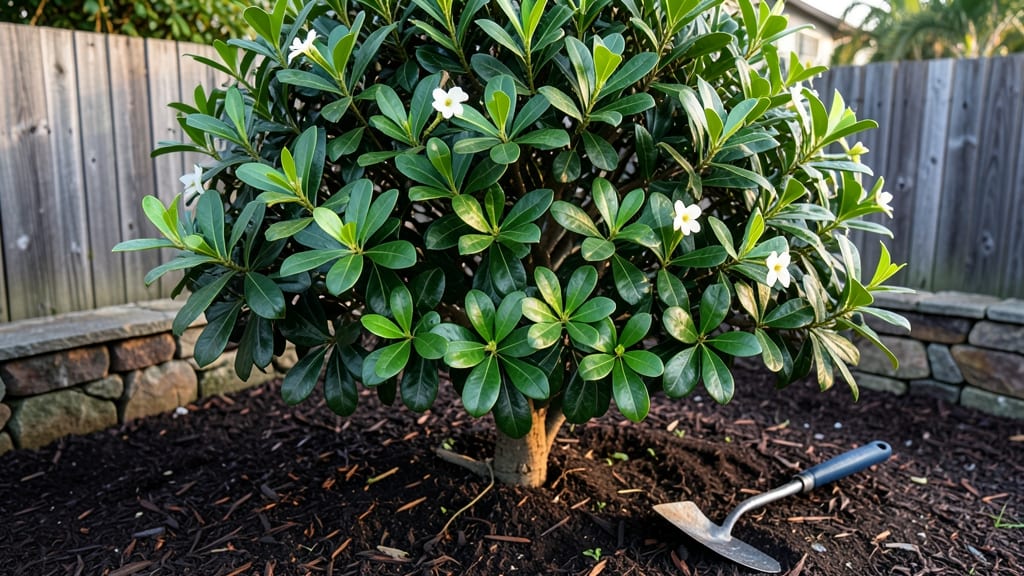
My curry leaf tree care routine starts with pruning precision—because this fragrant, fast-growing tree rewards sharp cuts with thicker foliage and bigger leaves for your cooking. 🌿 The secret isn't just trimming back leggy branches, though.
It's timing those cuts to match the tree's natural growth cycles, avoiding harsh winters, and giving it just enough light to stay lush without burning. I learned this the hard way after my first tree turned into a scraggly mess from over-pruning.
The right conditions turn this tropical tree into a kitchen staple, even in cooler climates. It thrives in 6-8 hours of morning sun, tolerates heat up to 90°F, and prefers well-draining soil—think sandy loam or a mix with perlite.
Water deeply once a week in summer, but cut back in winter when growth slows. The key is keeping the roots moist but never soggy, or you risk root rot that stunts leaf production.
My tree now yields enough leaves for curries year-round, and the aroma when you crush a few is unmistakable.
Pruning at the right time makes all the difference. I trim lightly in spring to shape the tree and more aggressively in late winter before new growth starts. Always cut just above a leaf node at a 45-degree angle to encourage bushier growth.
The result? A compact, leafy tree that doesn’t take up half the yard but still delivers the aromatic leaves you crave. Even indoor growers can keep one thriving near a bright window with a grow light supplement.
Whether you're growing outdoors in zones 9-11 or indoors with extra care, the goal is the same: a tree that keeps producing those culinary gold leaves without turning into a maintenance nightmare.
The first year is about establishing roots and branches; after that, it’s about refining your pruning rhythm and watching the leaves get bigger and more flavorful each season.
📚 In This Guide
- What you need
- Instructions
- Tips and common mistakes
- Wrapping up and next steps
What you need
- ● Curry leaf saplings or seeds: 1-2 healthy plants (ensure they’re disease-free).
- ● Well-draining potting mix: 5-10 gallons (use a blend of garden soil, sand, and compost—ratio: 2:1:1).
- ● Pot or garden bed: For containers: 15-20 gallon pot with drainage holes (diameter: 12+ inches).
- ● For outdoor planting: Sunlit spot with loose, fertile soil (pH 6.0-7.5).
- ● Pruning tools: Bypass pruners (for small branches).
- ● Loppers (for thicker stems, ½–1 inch diameter).
- ● Sharp pruning saw (for mature branches >1 inch).
- ● Organic mulch: 2-3 inches (straw, wood chips, or coconut coir).
- ● Fertilizer: Balanced organic fertilizer (10-10-10 NPK) or compost tea (apply every 2 months).
- ● Watering can or hose with a gentle spray nozzle.
- ● Root stimulator (for transplant shock).
- ● Slow-release fertilizer tablets (for potted trees).
- ● Pest control: Neem oil or insecticidal soap (if aphids or mites appear).
- ● Support stakes (for young trees in windy areas).
- ● Soil moisture meter (to track watering needs).
Step-by-Step guide to pruning your curry leaf tree for year-round growth
Here's how to keep your curry leaf tree thriving—pruning isn't just about shaping, it's about health.
🌿 Step 1: Time Your Pruning for Optimal Growth
Prune your curry leaf tree in early spring before new growth begins—this is when the tree recovers fastest. Avoid pruning during monsoon season or extreme heat, as the tree needs time to heal. Look for fresh, green leaves and tender new shoots as your signal that it's time to start shaping.
I always prune just before the rainy season starts in my climate. The new growth that follows uses the moisture to establish strong branches. If you miss spring, a light pruning in late summer still works, but avoid heavy cuts that could stress the tree before winter.
✂️ Step 2: Prune for Shape and Airflow
Use clean, sharp pruning shears to make cuts at a 45-degree angle just above a leaf node or outward-facing bud. Never leave stubs—this invites disease. Start by removing any dead, diseased, or crossing branches first. These are your priority because they're already harming the tree.
Next, shape the tree by cutting back overgrown branches to maintain an open canopy. Aim for a balanced, rounded shape that lets sunlight reach the inner leaves. You'll see how much better the center foliage looks once you improve airflow—this reduces fungal risks and encourages new growth.
🌱 Step 3: Encourage Bushier Growth with Strategic Cuts
To promote bushier growth, cut back the tips of new shoots by about one-third when they reach 3-4 inches long. This forces the tree to branch out instead of growing tall and leggy. I always make these cuts just above a set of leaves where new growth can sprout.
Don't prune more than one-third of the tree's foliage at once—this can shock the plant. After pruning, you'll notice fresh, vibrant new shoots emerging within 2-3 weeks. These are your signal that the tree is responding well to the cuts.
💧 Step 4: Post-Pruning Care for Fast Recovery
Water the tree deeply right after pruning to help it recover from the stress. The roots need moisture to support new growth. I always add a layer of mulch around the base (but not touching the trunk) to retain moisture and regulate soil temperature.
Keep the tree in bright, indirect light for the first week after pruning. If you notice yellowing leaves, it's usually a sign of overwatering or too much shade. The tree should bounce back fully within 4-6 weeks, with new leaves appearing along the pruned branches.
Tips & tricks for perfect curry leaf tree care
Real talk: Pruning your curry leaf tree isn't just about aesthetics—it's the secret to keeping it healthy and productive year-round.
Seasonal Timing Matters: The early spring timing in Step 1 is critical because that's when your tree's natural growth cycle kicks into high gear. I've learned this the hard way—pruning too late in spring can leave your tree vulnerable to fungal infections before the rainy season hits. If you're in a tropical climate, watch for those first tender shoots as your cue. They'll be bright green and slightly softer than mature leaves, signaling it's time to prune.
Tool Prep is Non-Negotiable: Before you even touch your tree, sterilize your pruning shears with rubbing alcohol. I always do this between cuts, especially when removing diseased branches in Step 2. Clean tools prevent spreading infections between healthy and sick parts of the tree. And remember: sharp shears make clean cuts that heal faster than jagged ones.
Strategic Pruning for Bushier Growth: When you're cutting back those 3-4 inch shoots in Step 3, think about where you're making those cuts. Always aim for the outward-facing bud—this is where new growth will emerge. I've seen people accidentally cut above a bud that points inward, which creates awkward growth patterns. Take your time with these cuts; they're what'll give you that lush, bushy tree you're after.
Post-Pruning Recovery Tip: That deep watering in Step 4 isn't just about hydration—it's about signaling to your tree that it's time to focus on recovery. I like to add a handful of compost to the mulch layer after pruning. The extra nutrients help the tree bounce back faster, especially if you've done some heavier pruning. Just make sure to keep that mulch 2-3 inches away from the trunk to prevent rot.
Pro Tips for Curry Leaf Tree Care
- Real talk: Pruning your curry leaf tree isn't just about aesthetics—it's the secret to keeping it healthy and productive year-round.
- Seasonal Timing Matters: The early spring timing in Step 1 is critical because that's when your tree's natural growth cycle kicks into high gear.
- Tool Prep is Non-Negotiable: Before you even touch your tree, sterilize your pruning shears with rubbing alcohol.
Frequently asked questions
Got questions about keeping your Murraya koenigii (curry leaf tree) happy and thriving? You’re not alone! Here are answers to the most common queries—from pruning puzzles to pest problems—so you can grow like a pro.
How often should I prune my curry leaf tree?
Prune your curry leaf tree 2–3 times a year, focusing on shaping in late winter or early spring (before new growth) and light trimming after harvests. Avoid heavy pruning in summer—it stresses the tree! For container plants, prune more frequently to control size. Learn the right cuts here.
Can I prune my curry leaf tree during monsoon season?
Pruning during monsoons is risky—wet conditions slow healing and invite fungal infections. If you must trim, do it early in the morning on dry days, and sterilize tools with rubbing alcohol. Wait until the rainy season ends (post-September) for ideal results.
What should I do if my curry leaves turn yellow?
Yellowing leaves usually signal overwatering, nutrient deficiency, or pests. Check soil moisture (it should be slightly dry between waterings) and inspect for aphids or mites. Boost potassium with compost tea or a balanced fertilizer (20-20-20). See more fixes here.
Can I grow a curry leaf tree in a pot? What’s the best soil mix?
Curry leaf trees thrive in pots with well-draining soil. Use a mix of 2 parts garden soil, 1 part sand, and 1 part compost. Add perlite for aeration, and repot every 2–3 years. Ensure the pot has drainage holes—root rot is a common killer!
How do I encourage more curry leaf harvests?
Harvest leaves sparingly (never take more than 1/3 of the foliage at once) and always leave 3–4 leaves per branch to support growth. Prune to open the canopy for sunlight, and fertilize with potassium-rich compost (like banana peel tea) every 2 months. Patience pays off—healthy trees yield year-round!
What pests should I watch for, and how do I treat them?
Common pests include aphids, mealybugs, and scale insects. Spray infested areas with neem oil or insecticidal soap, or wipe leaves with a damp cloth. For severe cases, introduce ladybugs (natural predators). Prevention tip: Keep the tree healthy with proper pruning and watering!
How cold-hardy is a curry leaf tree? Can it survive winter?
Curry leaf trees are tropical and thrive in USDA zones 10–11. If you’re in colder zones, grow it in a container and move it indoors (near a sunny window) when temps drop below 50°F (10°C). Avoid drafts—consistent warmth is key!
Wrapping up and next steps
Caring for your curry leaf tree is a rewarding journey—one that blends pruning precision with patience and love. By mastering the art of trimming, you’ll ensure lush foliage, abundant leaves, and a thriving plant year-round.
Whether you’re a seasoned gardener or just starting, every snip brings you closer to a bountiful harvest of fragrant, health-boosting leaves!
Ready to take the next step? Grab your pruners and schedule your first trim—your curry leaf tree will thank you with vibrant growth and delicious rewards! 🌿✨