
Pruning
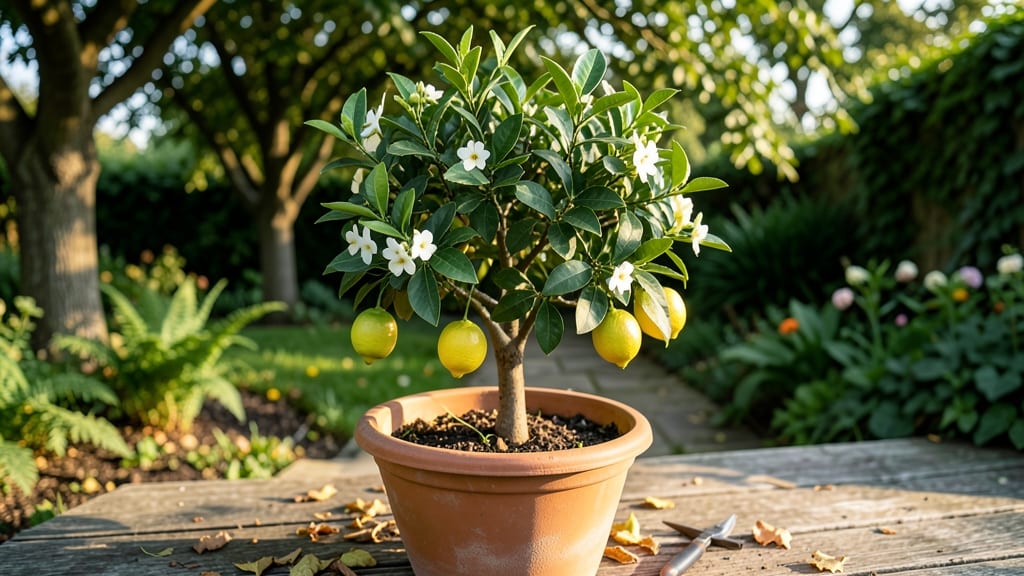
A small lemon tree in a pot can yield fruit indoors or on a sunny patio—if you prune it right. 🌱 The key isn’t just cutting back branches; it’s shaping growth so the tree stays healthy, compact, and productive year-round.
My first lemon tree nearly died from over-pruning, but I learned the simple rules that keep these citrus trees thriving in containers.
You’ll need sharp pruning shears, a well-draining mix of potting soil and perlite, and a 12-inch larger pot every 2-3 years. Prune in late winter (just before new growth) and again after harvest to encourage flowering.
The goal is to remove only 1/3 of the oldest growth—never more—to avoid stressing the tree. Indoor trees need extra attention to airflow and light.
With proper pruning, you’ll see bright green leaves and abundant blossoms by spring, followed by sweet, homegrown lemons by fall. The tree stays small enough for patios or sunny windowsills while producing fruit that rivals grocery-store quality. Just avoid overwatering—citrus trees hate soggy roots.
Outdoor trees can handle cooler temps in winter, but bring potted trees inside before frost. Yellowing leaves often mean overwatering or nutrient deficiency—adjust your care and watch the tree bounce back.
Patience is key: it takes 2-3 years for a pruned tree to bear fruit, but the effort is worth every tart, juicy bite.
📚 In This Guide
- What you need
- Instructions
- Tips and common mistakes
- Wrapping up and next steps
What you need
- ● Lemon tree (Citrus limon): Choose a dwarf variety (e.g., 'Meyer' or 'Improved Meyer') for pots—ideal for containers.
- ● Pot: 15–20 gallon container with drainage holes (terracotta or ceramic works best).
- ● Well-draining potting mix: 50% citrus-specific soil + 50% perlite/sand blend (avoid garden soil).
- ● Pruning tools: Bypass pruners (sharp, clean)
- ● Sterilizing alcohol (70% isopropyl) or rubbing alcohol
- ● Pruning saw (for thicker branches, if needed)
- ● Gloves: Heavy-duty gardening gloves (lemon sap can irritate skin).
- ● Root stimulator (for repotting or post-pruning recovery).
- ● Slow-release citrus fertilizer (balanced NPK, 10-10-10 or similar).
- ● Mulch (orchid bark or pine needles to retain moisture).
- ● Humidity tray or pebble tray (if indoors).
- ● Support stake or trellis (for structural pruning).
Step-by-step year-round pruning for your potted lemon tree
Keep your citrus thriving indoors with this simple pruning routine.
🌿 Step 1: Spring Pruning for Airflow and Structure
Start in late winter or early spring when new growth begins. Remove any dead, crossing, or inward-growing branches first—these compete for energy and block sunlight. Use clean, sharp pruning shears to make cuts just above a leaf node or outward-facing bud. This ensures new growth heads in the right direction.
Here's the thing—lemon trees flower on new wood, so avoid heavy pruning now. Instead, focus on shaping the tree into an open vase form. This lets light and air reach the center, which prevents fungal issues. Cut back any leggy branches by one-third to encourage bushier growth. You'll know you're doing it right when you see fresh green shoots emerging within 2-3 weeks.
☀️ Step 2: Summer Maintenance for Fruit Production
During summer and early fall, prune only to remove overly dense growth or branches that are growing toward the center. Lemon trees produce fruit on current season's growth, so avoid heavy cuts now. Instead, pinch back new shoots to encourage branching and fruit set. Use your fingers or small pruners to snip just above a leaf node.
Watch for suckers—those small shoots sprouting at the base of the tree or where branches meet the trunk. Remove these immediately, as they drain energy from fruit production. Thin out clusters of fruit if they're too crowded—leave 2-3 lemons per cluster to ensure they grow large and juicy. You'll see flowers appear within 4-6 weeks after pruning, signaling the tree is ready for fruit.
✂️ Step 3: Fall Cleanup for Winter Preparation
In late fall, do a light pruning to remove any remaining dead or diseased branches. This is also the time to reduce watering and move the tree to a cooler spot (around 50-60°F) to mimic its natural dormancy period. Prune any branches that grew too long during summer, cutting them back by one-third to maintain shape.
Real talk: Don't skip this step. A well-pruned tree handles winter stress better and rebounds with vigor in spring. Remove any fruit still on the tree—it takes energy the tree needs to survive dormancy. After pruning, give the tree a balanced citrus fertilizer to replenish nutrients. You'll notice new growth starting in early spring, signaling the cycle begins again.
⏰ Step 4: Winter Pruning for Shape and Health
In mid-winter, do a final light pruning to remove any dead wood or branches that grew out of shape during the year. Avoid heavy cuts now—the tree is in its resting phase. Focus on thinning out any crowded branches to improve airflow. This prevents humidity-related diseases that thrive in tight spaces.
Here's the moment that matters: Check for any branches that are rubbing against each other. These can create wounds where pests or diseases enter. Prune them back to the nearest outward-facing bud. After pruning, wipe down the shears with rubbing alcohol to prevent spreading any potential pathogens. Your tree will thank you with fresh, vibrant growth when spring arrives.
Tips & tricks for perfect small lemon tree pruning
Took me years to figure out these pruning secrets—your lemon tree will thank you for these simple adjustments.
Tool Prep: Before you start, sterilize your pruning shears with rubbing alcohol. I learned this the hard way after my tree developed fungal spots from contaminated tools. Wipe them down between cuts, especially when working with diseased branches. Sharp tools make cleaner cuts that heal faster, so hone your shears regularly—dull blades crush stems instead of making precise cuts.
Seasonal Timing: The 2-3 week window after spring pruning is critical for new growth. If you notice your tree isn't responding after 4 weeks, check your light exposure—lemon trees need at least 6-8 hours of sunlight daily. In summer, those 4-6 weeks until flowers appear can feel like forever, but patience pays off with bigger fruit. Mark your calendar now for each seasonal pruning to build consistency.
Visual Cues: When thinning fruit clusters, look for lemons that are uniformly green and firm. The ones with uneven color or soft spots won't ripen properly. I always leave the ones closest to the main branch—they get the most support. For winter pruning, focus on branches that are thinner than a pencil—they're the ones most likely to cause crowding and disease issues.
Fertilizer Strategy: After your fall pruning, use a balanced citrus fertilizer with equal parts nitrogen, phosphorus, and potassium. I apply it every 6-8 weeks during growing season, but cut back to once in late fall. The 50-60°F cooler spot you move your tree to helps it absorb nutrients more efficiently during dormancy—don't skip this step, even if your home stays warm year-round.
Pro Tips for Small Lemon Tree In Pot
- Took me years to figure out these pruning secrets—your lemon tree will thank you for these simple adjustments.
- Tool Prep: Before you start, sterilize your pruning shears with rubbing alcohol.
- Seasonal Timing: The 2-3 week window after spring pruning is critical for new growth.
Frequently asked questions
Got questions about keeping your small lemon tree in a pot thriving? You’re not alone! Here are answers to the most common concerns—from pruning to pests and beyond.
How often should I prune my potted lemon tree?
Prune your lemon tree twice a year: once in late winter (before new growth) to shape it and remove dead branches, and again in early summer to encourage fruit production. Light trimming between harvests keeps it manageable. Avoid heavy pruning in fall—it stresses the tree before winter dormancy.
Will pruning my lemon tree reduce fruit production?
Not if done right! Pruning promotes fruit by improving airflow and sunlight exposure. Focus on removing overcrowded branches and suckers (shoots growing from the trunk). Thin out dense areas to redirect energy to larger, healthier fruit. Just avoid cutting back more than 25% of the canopy at once.
What should I do if my potted lemon tree has yellow leaves?
Yellow leaves usually signal overwatering or nutrient deficiencies. Check the soil—it should be slightly dry on top before watering. If roots smell sour or the pot feels soggy, repot in fresh, well-draining soil. For yellowing between veins, it’s likely iron deficiency; use a citrus-specific fertilizer or apply chelated iron.
Can I keep my potted lemon tree indoors year-round?
Yes, but it needs bright, indirect light (like a south-facing window) for 6+ hours daily. If indoors, rotate the pot monthly for even growth. Watch for drafts (like AC vents) and low humidity
Try these fixes: What’s the best alternative if my lemon tree isn’t fruiting?
Wrapping up and next steps
Growing a small lemon tree in a pot is a rewarding journey that combines patience, care, and a little green thumb magic! 🌿 With the right pruning techniques—like shaping for airflow, removing dead branches, and encouraging fruit-bearing—you’ll soon enjoy fresh lemons year-round.
Remember, consistency is key, but don’t stress over perfection; even small adjustments make a big difference over time.
Ready to take the next step? Start by observing your tree weekly—trim as needed, and soon, you’ll be savoring homegrown lemons straight from your sunny windowsill! 🍋✨