
Trees
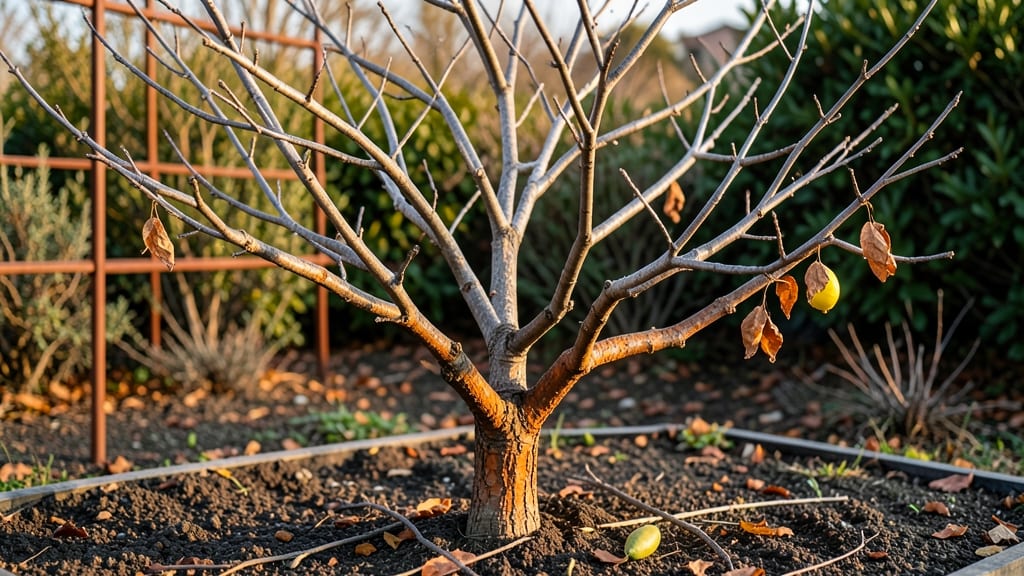
When your lemon tree lost all its leaves overnight, panic sets in—but there’s always a way back. 🌿 I’ve nursed my own citrus trees through total leaf loss, and the key is acting fast with the right diagnosis.
The good news? Most cases respond within weeks if you catch the root cause early.
Overwatering, pests like spider mites, or sudden temperature drops are the usual culprits. Check the soil first—it should feel slightly damp but not soggy. If the roots smell rotten, you’re dealing with overwatering; if you spot tiny webs or sticky residue, pests are likely the problem.
Once you identify the issue, recovery becomes straightforward.
📚 In This Guide
- What you need
- Instructions
- Tips and common mistakes
- Wrapping up and next steps
What you need
- ● Pruning shears or sharp bypass pruners – 1 pair (sterilized with rubbing alcohol to prevent disease spread).
- ● Garden gloves – 1 pair (nitrile or leather for durability).
- ● pH testing kit – 1 kit (digital or liquid test strips for soil pH).
- ● Balanced fertilizer – 1 bag (10-10-10 or 20-20-20 NPK ratio, organic or synthetic).
- ○ Slow-release fertilizer – 1 bag (optional but helpful for long-term health).
- ● Fungicide (copper-based or neem oil) – 1 bottle (for potential fungal or bacterial issues).
- ● Watering can or hose with a gentle spray nozzle – 1 unit (avoid harsh pressure).
- ● Mulch (organic, like straw or wood chips) – 2-3 gallons (to retain moisture and regulate temperature).
- ● Trowel or small shovel – 1 unit (for soil adjustments if needed).
- ● Spray bottle with water – 1 bottle (for misting leaves if they’re dry or dusty).
- ● Hair dryer or fan – To gently dry leaves if fungal spores are suspected.
- ● Root stimulator (like mycorrhizal fungi) – For reviving stressed roots.
- ● Insecticidal soap – If pests (like spider mites) are contributing to leaf loss.
- ● Light meter or sun intensity app – To check if your tree’s location is too harsh.
- ● Journal or notebook – To track progress, watering schedules, and fertilizer applications.
How to revive a lemon tree that dropped all its leaves
Here's the method I've used to bring back citrus trees—even when they look completely done for.
🌿 Step 1: Assess the Problem and Check Root Health
First, gently remove the tree from its pot and inspect the roots. Healthy roots should be white or light tan, while black, mushy, or overly dry roots signal trouble. If you see root rot, the tree needs immediate attention—cut away any dark, slimy roots with sterilized scissors. Real talk: this step can be scary, but it's the only way to know if your tree has a fighting chance.
Check the soil too. If it smells sour or looks compacted, it's been overwatered. Lemon trees hate soggy roots, so this is often the culprit behind leaf loss. If the soil is bone dry and crumbly, you've been underwatering. Either way, the fix starts with correcting the moisture balance right away.
💧 Step 2: Adjust Watering and Improve Drainage
Water your lemon tree only when the top 2-3 inches of soil feel completely dry. Stick your finger in—if it's damp, wait. If it's dry, give it a thorough watering until water runs out the drainage holes. I always use room-temperature water to avoid shocking the roots. Overwatering is the #1 killer of lemon trees, so don't skip this.
If your pot lacks drainage holes, it's time to upgrade. Lemon trees need excellent drainage—no exceptions. Repot into a container with holes, and add a layer of ¼-inch gravel at the bottom to prevent future soggy soil. This small change can make all the difference between a dying tree and one that bounces back.
☀️ Step 3: Provide the Right Light and Temperature
Lemon trees need bright, indirect light for at least 6-8 hours daily. If yours is in a dark corner, move it immediately—direct sunlight can scorch new growth, but too little light weakens the tree. South-facing windows work best, but if you're using artificial light, keep it 4-6 inches away from the tree to mimic sunlight intensity.
Temperature matters too. Keep your lemon tree between 60-75°F during the day and no lower than 50°F at night. Drafts from windows or doors can stress the tree, so avoid placing it where cold air lingers. If you see new leaves curling or dropping after a move, the light or temperature is still off.
✂️ Step 4: Prune Dead Branches and Encourage New Growth
Use sterilized pruning shears to trim any dead, brown, or brittle branches back to healthy green wood. Cut just above a leaf node where new growth can sprout. This might seem harsh, but it redirects the tree's energy into producing fresh leaves instead of struggling to support dead wood. I always prune in the morning when the tree is hydrated and ready to recover.
After pruning, apply a balanced citrus fertilizer (like 6-6-6) to give the tree a nutrient boost. Follow the package instructions, but I halve the dose for stressed trees. Fertilizing too soon can burn the roots, so wait until you see 2-3 new leaves forming before adding more food.
🪴 Step 5: Monitor and Adjust for Long-Term Recovery
Watch for new growth closely. Healthy lemon trees produce bright green, glossy leaves within 4-6 weeks of proper care. If you don't see any after 8 weeks, reassess the light, water, and soil. Sometimes, a simple adjustment—like moving the tree closer to a window or switching to a well-draining potting mix—is all it needs.
Once the tree stabilizes, repot it into a slightly larger container (just 1-2 inches wider) to give roots room to grow. Use fresh citrus-friendly potting mix and avoid compacting the soil. Over time, your lemon tree should regain its vigor, and you'll start seeing those signature lemon-scented leaves again.
Tips & tricks for reviving a lemon tree after leaf loss
Here's what I've learned from bringing back citrus trees—these small adjustments can make all the difference when your lemon tree looks like it's given up.
Root Inspection Tip: When checking roots in Step 1, don't just look—touch them! Healthy roots should feel firm but slightly springy, while rotten roots will be soft and mushy. If you're unsure, gently squeeze a root between your fingers—it should resist pressure. This tactile check helps you identify trouble spots even if they don't look obviously rotten. The key is catching root issues early before they spread.
Watering Technique: The 2-3 inch soil test in Step 2 works best when you check the same spot every time. I mark my pot with a small piece of tape at the 2-inch level to create a consistent reference point. Also, use a moisture meter for accuracy—these $10 tools take the guesswork out of watering and prevent both underwatering and overwatering. Remember, lemon trees prefer their soil to dry out between waterings rather than stay damp.
Light Positioning: For the 6-8 hours of bright indirect light in Step 3, I recommend placing your tree near an east-facing window first. Morning sun is gentler than afternoon sun and won't scorch new growth. If you're using artificial grow lights, position them 6 inches away and keep them on for 12 hours daily—this mimics natural daylight cycles better than shorter periods. Rotate your tree quarter-turns weekly to ensure even growth all around.
Pruning Strategy: When pruning in Step 4, focus on removing branches that are completely brown and brittle—they're dead and won't recover. Healthy wood should snap with a slight bend rather than crumble. After pruning, wipe your shears with rubbing alcohol between cuts to prevent spreading any potential diseases. This step might seem drastic, but it's actually helping your tree redirect its energy to new growth rather than supporting dead branches.
Pro Tips for Lemon Tree Lost All Leaves
- Here's what I've learned from bringing back citrus trees—these small adjustments can make all the difference when your lemon tree looks like it's given up.
- Root Inspection Tip: When checking roots in Step 1, don't just look—touch them!
- Watering Technique: The 2-3 inch soil test in Step 2 works best when you check the same spot every time.
Frequently asked questions
Got questions about your lemon tree losing all its leaves?
You’re not alone! Here are some of the most common concerns—and quick answers—to help you get your citrus tree back on track.
Why did my lemon tree suddenly lose all its leaves?
Leaves can drop due to stress triggers like overwatering, underwatering, temperature swings, or pests (e.g., spider mites or aphids). Check the soil moisture and inspect for bugs—often, the fix starts with identifying the root cause!
How long will it take for my lemon tree to regrow leaves?
With proper care, new growth can appear in 2–6 weeks. Focus on consistent watering (but avoid soggy soil) and place the tree in bright, indirect light. Patience is key—healthy roots = faster recovery!
Should I water my lemon tree differently now that it’s leafless?
Adjust your watering routine: Water deeply but less frequently (every 7–10 days, checking soil moisture first). Leafless trees lose less water, so overwatering risks root rot. Use well-draining soil and a pot with drainage holes.
Could pests or disease be the real culprit?
Yes! Inspect stems and soil for webbed leaves (spider mites), sticky residue (aphids), or fungal spots. Treat pests with neem oil or insecticidal soap, and prune affected branches. For disease, improve airflow and avoid wet foliage.
Will my lemon tree survive if it loses all its leaves?
Most likely, yes!
Lemon trees are resilient. As long as the roots are healthy (test by gently tugging the tree—it should resist), focus on light, water, and nutrients. New leaves will sprout once stress factors are addressed.
Pro Tip:
Use a humidity tray (pebbles + water under the pot) to mimic tropical conditions while your tree recovers. This helps prevent leaf drop from dry air!
Wrapping up and next steps
Don’t let a leafless lemon tree dim your spirits—your citrus companion can bounce back with the right care! 🌱 Whether it’s overwatering, pests, or nutrient deficiencies, you’ve got the tools to diagnose and revive it.
Start by assessing the root cause, then follow the steps above to nurse your tree back to health.
Next, keep an eye on progress and adjust your approach as needed. With patience and consistency, your lemon tree will soon be thriving again—ready to reward you with sweet, tangy fruit! 🍋