Pruning
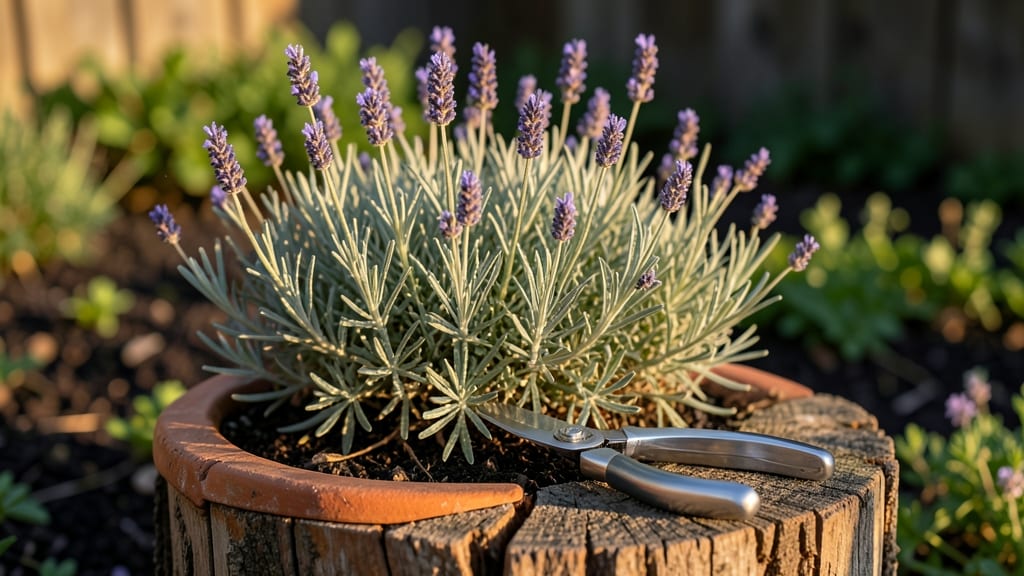
Lavender tree pruning transforms a scraggly shrub into a fragrant, bushy showstopper—and the best time to start is right after flowering. 🌿 I learned this the hard way after letting my first Lagerstroemia grow wild for two years, only to realize how much more vibrant it could have been with just a little annual care.
The secret lies in timing: prune late spring or early summer (after blooms fade) to encourage fresh growth, then do light shaping in fall. You’ll need clean pruners, gloves, and a clear vision—no need for fancy tools, just sharp cuts at a 45-degree angle just above leaf nodes.
Most people over-prune, which stresses the plant, but lavender trees are forgiving if you keep it simple.
What you’ll end up with is a tree that bursts with deep purple blooms every summer, stays compact, and resists disease better than neglected shrubs. The air around it will smell like a Provence summer, and your neighbors will ask how you keep yours looking so effortlessly perfect.
Here’s how to make it happen without killing your plant.
Works for both Lagerstroemia and other small ornamental trees like crape myrtles. The same principles apply—just adjust timing slightly for your climate. Let’s get those branches looking intentional!
📚 In This Guide
- What you need
- Instructions
- Tips and common mistakes
- Wrapping up and next steps
What you need
- ● Pruning shears: Bypass pruners (sharp, clean, and sized for small to medium branches—6- to 8-inch blades are ideal). Avoid anvil pruners to prevent crushing stems.
- ● Loppers: For thicker branches (up to 1.5 inches in diameter). Look for bypass-style loppers with long handles (24+ inches) for leverage.
- ● Gloves: Heavy-duty, cut-resistant gloves (e.g., mechanics’ or pruning gloves) to protect against thorns and sharp stems.
- ● Disinfectant: 70% isopropyl alcohol or a 10% bleach solution (1 part bleach to 9 parts water) to sterilize tools between cuts and prevent disease.
- ● Sharpie or marker: For labeling branches if you’re doing structured pruning (e.g., permanent markers that won’t smudge in rain).
- ● Bucket or bag: A sturdy 5-gallon bucket or heavy-duty trash bag to collect pruned branches and debris.
- ● Hand saw: For thick, woody branches (>1.5 inches). A pruning saw with a curved blade works best.
- ● Ladder: If your lavender tree is taller than 6 feet, use a stable, extendable ladder (e.g., aluminum or fiberglass for safety).
- ● Hose or spray bottle: To rinse tools after disinfecting or dampen dusty branches for easier cutting.
- ○ Pruning sealant: Tree wound sealant (optional for lavender, but useful if cutting large branches to prevent disease entry).
- ● Safety glasses: To protect your eyes from debris or sap splashes.
Step-by-Step guide to pruning your lavender tree
Here's how to keep your lavender tree thriving with simple, seasonal cuts.
✂️ Step 1: Prune After Blooming in Late Summer
This is the most important pruning time—wait until after flowers fade (usually late August to early September). Cut back one-third of the oldest stems to 6-8 inches above the base. I always use clean, sharp pruners to avoid tearing the woody stems.
Focus on removing long, leggy growth and any stems that look woody or dead. You'll notice new, fresh growth emerging from the base within weeks. Avoid pruning in fall or winter—lavender needs time to harden off before cold weather.
✂️ Step 2: Light Maintenance in Early Spring
In early spring (March to April), give your lavender tree a light trim to shape it. Remove any dead, damaged, or crossing branches first—these compete for energy. Then, trim back any overly long stems by 1-2 inches to encourage bushier growth.
Here's the thing—lavender grows best when slightly sheared rather than cut back hard. You'll see new buds forming along the stems after this light pruning. If you notice yellowing leaves, that's a sign of overwatering—prune back slightly to improve airflow.
✂️ Step 3: Shape and Thin in Mid-Summer
In mid-summer (June to July), do a light shaping trim to keep your lavender tree compact. Use your fingers or small pruning shears to pinch back new growth by ½ inch. This encourages denser foliage and more flowers next season.
Watch for overcrowded stems—these block sunlight and air from reaching the center. Thin out 1-2 stems per cluster to improve airflow. You'll know you're doing it right when the center of the tree looks lighter and more open after trimming.
✂️ Step 4: Avoid Pruning in Fall or Winter
Never prune lavender in fall or winter—this stresses the plant when it's already preparing for dormancy. If you must remove dead stems, do it sparingly in late winter (just before new growth starts). The key is to let the plant rest after summer blooms.
Real talk: I once pruned my lavender in October, and it took two full seasons to recover. The stems turned brown and brittle, and new growth was slow. Learn from my mistake—wait until late summer!
Tips & tricks for pruning lavender trees
Let me save you the headache I went through when my lavender bushes looked more like twigs than lush plants. These simple tricks will keep your lavender thriving year after year.
Timing is Everything: That late August to early September window for Step 1 is non-negotiable. I learned this the hard way after accidentally pruning in October—my lavender took two full seasons to recover! The plant needs time to harden off before winter, so mark your calendar now. If you miss this window, wait until the following spring for your main pruning.
Tool Selection Matters: Never use dull or rusty pruners—they crush stems instead of making clean cuts. I invest in a pair of sharp, bypass pruners specifically for lavender. For the light shaping in Step 2, your fingers work perfectly for that delicate pinch-back. And always sterilize your tools between cuts to prevent disease spread—just wipe with rubbing alcohol.
Visual Cues for Perfect Pruning: In Step 3, when you're thinning out overcrowded stems, look for the "light and airy" center test. After trimming, you should be able to see sunlight reaching the middle of the plant. If you're still seeing dense foliage in the center, keep thinning until you can see at least 3-4 inches of space. This airflow is what prevents fungal issues and promotes healthy new growth.
Seasonal Checklist: Create a simple seasonal reminder system. For Step 1, set a phone alert for early September. In spring, check for those yellowing leaves as your first clue about overwatering. And in mid-summer, do that quick pinch-back while you're watering—it takes just 5 minutes and makes all the difference for next year's blooms.
Pro Tips for Lavender Tree Pruning
- Let me save you the headache I went through when my lavender bushes looked more like twigs than lush plants.
- Timing is Everything: That late August to early September window for Step 1 is non-negotiable.
- Tool Selection Matters: Never use dull or rusty pruners—they crush stems instead of making clean cuts.
Frequently asked questions
Got questions about keeping your lavender tree in tip-top shape? Here are some of the most common ones—plus quick, practical answers to help you prune like a pro!
When is the best time to prune a lavender tree?
The ideal time is late winter or early spring (just before new growth starts). Avoid pruning in fall or after heavy blooms—this can stunt flowering. For Mediterranean lavender, a light trim after blooming (summer) can encourage bushier growth, but never cut more than 1/3 of the plant at once!
Can I prune my lavender tree at any time of year?
While light maintenance trims (like removing dead branches) can happen year-round, avoid heavy pruning in late summer or fall. Pruning too late can expose the plant to cold stress or prevent it from hardening off for winter. Stick to the late-winter/early-spring rule for major shaping!
What if I prune too much? Will my lavender tree die?
Over-pruning is the #1 mistake! If you’ve already trimmed too aggressively, don’t panic. Focus on revival care: water deeply, avoid fertilizing, and trim back only the most damaged stems. With time, lavender is resilient—just expect slower recovery and fewer blooms that season.
Do I need special tools to prune a lavender tree?
Not necessarily! Use clean, sharp bypass pruners (or small hand shears) for branches under ½ inch thick. For thicker stems, loppers work. Disinfect tools with rubbing alcohol between cuts to prevent disease. Avoid hedge trimmers—they can tear leaves and stress the plant.
Why isn’t my lavender tree blooming after pruning?
Lavender blooms on old wood, so aggressive pruning (especially cutting back to bare stems) can delay or reduce flowers. Try this: Trim only spent blooms (deadheading) and shape lightly in spring. If it’s still struggling, check for overwatering (lavender hates soggy roots!) or poor sunlight.
Wrapping up and next steps
Pruning your lavender tree doesn’t have to be intimidating—with the right timing, tools, and techniques, you’ll encourage lush growth and stunning blooms year after year! 🌿 The key is patience and consistency: trim lightly in early spring, shape in late summer, and clean up in winter to keep your tree healthy and vibrant.
Remember, a little effort now means big rewards in fragrance and beauty.
Ready to give your lavender tree the care it deserves? Roll up your sleeves and schedule your next pruning session—your fragrant oasis is waiting! For extra confidence, bookmark this guide or snap a photo of your tree before you start. Happy pruning! ✂️💜