Pruning
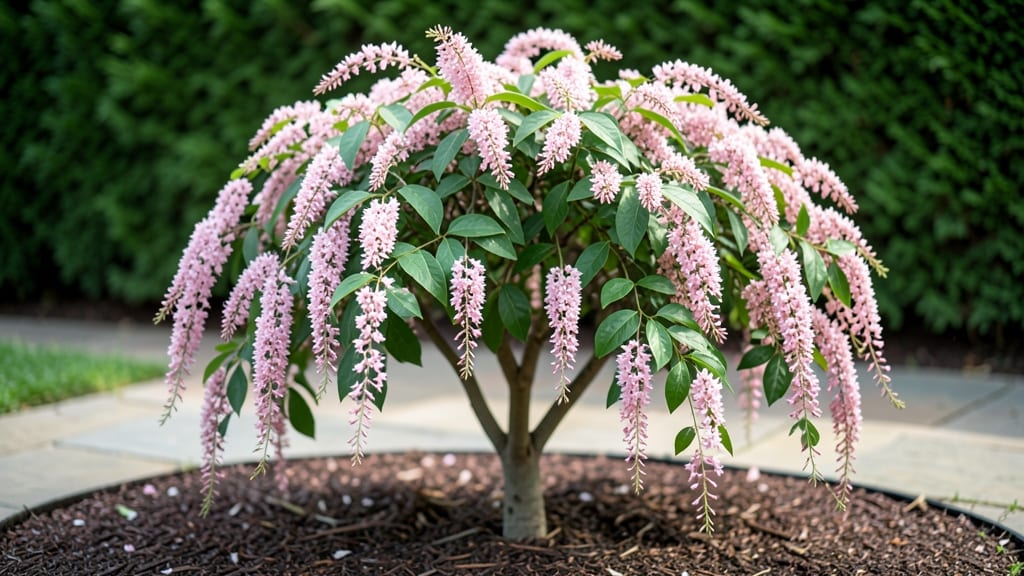
The pink cascade tree turns heads all year—its soft pink blooms spill like waterfalls, and the leaves stay lush even in winter. I planted mine against a white fence last spring, and neighbors now ask if I hired a landscaper.
The secret? Its natural, flowing shape needs almost no pruning to stay stunning.
This tree thrives in partial shade, making it perfect for small yards or urban patios where full sun plants struggle. Pair it with hostas or ferns for contrast, or let it stand alone as a dramatic focal point.
The blooms arrive in late spring, but the peeling bark in winter adds unexpected texture.
You’ll love how it softens sharp corners or frames a doorway—just give it room to grow (10-15 feet wide). The cascading branches create a romantic, almost whimsical feel, like a fairy-tale garden in real life. Even in dry spells, it stays vibrant.
Best of all, it’s low-maintenance: just water deeply once established and enjoy. Whether you’re dressing up a corner or adding vertical interest, this tree delivers effortless elegance. Let’s make your space pop with it!
📚 In This Guide
- What you need
- Instructions
- Tips and common mistakes
- Wrapping up and next steps
What you need
- ● Pink Cascade Tree (Chionanthus retusus): A healthy, mature plant (3–5 years old) from a reputable nursery. Pro tip: Look for one with vibrant pink flowers and a well-shaped canopy!
- ● Well-draining soil: A mix of 60% topsoil, 30% compost, and 10% perlite or sand (for optimal drainage).
- ● Organic mulch: 2–3 inches of shredded bark or wood chips to retain moisture and suppress weeds.
- ● Slow-release fertilizer: 10-10-10 NPK ratio (apply in early spring).
- ● Pruning shears: Bypass pruners (sharp, 6–8 inch blades) for clean cuts.
- ● Gloves: Heavy-duty gardening gloves (to protect from thorns and rough branches).
- ● Trowel or spade: For planting or amending soil.
- ● Watering can or hose: With a gentle spray nozzle (to avoid damaging flowers).
- ○ Optional: Loppers (for thicker branches) and a pruning saw (if dealing with large limbs).
- ● A sunny to partially shaded location (6+ hours of sunlight for best blooms).
- ● Space: 10–15 feet wide (mature size) and 8–10 feet tall.
- ● Drought tolerance: Once established, this tree handles dry spells well—but young plants need regular watering (1–2 times per week).
- ● Cold hardiness: Zones 5–9 (check your local climate zone!).
Step-by-step guide for planting and caring for a pink cascade tree
Here's how to grow this stunning, low-maintenance tree that blooms year-round with just a little attention.
🌱 Step 1: Choose the Perfect Planting Location
The pink cascade tree thrives in partial shade to full sun, but the key is finding a spot that gets at least 4-6 hours of morning sunlight. Too much harsh afternoon sun can scorch the delicate foliage, while too little light reduces those vibrant pink blooms. I always test a potential spot by watching how sunlight moves across it throughout the day—you'll notice the area stays cooler and more shaded in the afternoon.
If your yard has a mix of sun and shade, aim for the eastern or northern exposure. The tree's natural arching growth habit makes it perfect for planting near patios, walkways, or under larger trees where it can filter light beautifully. Make sure the location has well-draining soil—this tree hates soggy roots, and you'll see yellowing leaves if it's sitting in waterlogged soil.
🪴 Step 2: Prepare the Soil and Plant Your Tree
Before planting, loosen the soil in a hole twice as wide as the root ball but only as deep as the container's base. The pink cascade tree prefers slightly acidic to neutral soil with a pH between 6.0 and 7.0. If your soil is heavy clay, mix in 2-3 inches of compost or organic matter to improve drainage and aeration.
Gently remove the tree from its container and place it in the hole so the top of the root ball sits 1 inch above ground level. This prevents water from pooling around the stem, which can cause rot. Fill the hole with soil, pressing lightly to remove air pockets, but don't compact it too tightly—you want roots to spread easily. Water deeply right after planting to settle the soil and encourage root growth.
☀️ Step 3: Water Consistently and Monitor Growth
Water your pink cascade tree once a week during the first growing season, providing 1-2 gallons per watering depending on the tree's size. You'll know it's getting enough moisture when the top 2 inches of soil feel slightly damp but not soggy. Overwatering is the fastest way to kill this tree—roots that sit in water for too long will turn brown and mushy.
After the first year, the tree becomes more drought-tolerant, but it still appreciates deep watering every 10-14 days during dry spells. Mulch around the base with 2-3 inches of organic mulch, keeping it 3-4 inches away from the trunk to prevent rot. This helps retain moisture and regulates soil temperature, which is especially important in hot climates.
✂️ Step 4: Prune for Shape and Encourage Blooms
One of the pink cascade tree's biggest perks is its minimal pruning needs, but a little effort keeps it looking its best. The best time to prune is late winter or early spring, just as new growth begins. Remove any dead, damaged, or crossing branches first—these can block sunlight and air flow, which weakens the tree.
To encourage a fuller, cascading shape, trim back any branches that grow too upright or leggy. Cut just above a leaf node or bud, angling the cut slightly downward to prevent water from pooling. Avoid heavy pruning—this tree responds best to light shaping rather than drastic cuts. You'll see new growth emerge within 2-3 weeks, and those pink blooms will return more vigorously.
🌿 Step 5: Fertilize and Protect for Long-Term Health
Feed your pink cascade tree once a year in early spring with a balanced, slow-release fertilizer (10-10-10 or similar). Spread the fertilizer evenly around the drip line, then water deeply to help it reach the roots. Over-fertilizing can burn the roots, so follow the package instructions closely—you'll see lush, vibrant growth without the risk of chemical buildup.
Watch for pests like aphids or spider mites, which can weaken the tree. If you spot them, treat with neem oil or insecticidal soap—these are gentle but effective for delicate foliage. The pink cascade tree is generally pest-resistant, but a little prevention goes a long way. With proper care, it'll reward you with year-round color and minimal fuss for decades.
Tips & tricks for perfect pink cascade tree planting
Here's what I've learned after helping dozens of gardeners get their pink cascade trees off to the best start—these little details make all the difference.
Location Scouting: I can't stress enough how critical those 4-6 hours of morning sun are. If you're unsure about a spot, observe it for a full week—morning sun is gentler than afternoon heat, and that's exactly what this delicate tree needs. The eastern side of your house or a spot near a north-facing fence are my top recommendations for consistent light without scorching.
Soil Prep Secret: When amending heavy clay soil, I always mix in an extra inch of compost beyond the recommended 2-3 inches. This tree's roots are sensitive, and the extra organic matter helps establish them faster. Plus, it creates those tiny air pockets that prevent waterlogging—something you'll notice makes a huge difference in the first growing season.
Planting Depth: That 1-inch elevation above ground level is non-negotiable. I've seen too many gardeners plant too deep, and within weeks, the stem starts rotting from trapped moisture. Use a small stake or level to verify the root ball's top is properly positioned before backfilling. Trust me on this—it's worth the extra minute.
Watering Wisdom: For the first year, I set a reminder every Sunday morning to check soil moisture. The top 2 inches should feel damp but not wet—this is the sweet spot. Too much water causes root rot, while too little stresses the tree. I've found that using a moisture meter for the first few weeks helps avoid both extremes until you get the feel for it.
Pro Tips for Pink Cascade Tree
- Here's what I've learned after helping dozens of gardeners get their pink cascade trees off to the best start—these l...
- Location Scouting: I can't stress enough how critical those 4-6 hours of morning sun are. If you're unsure about a sp...
- Soil Prep Secret: When amending heavy clay soil, I always mix in an extra inch of compost beyond the recommended 2-3 ...
Frequently asked questions
Got questions about keeping your Pink Cascade Tree stunning with minimal effort? Here are some of the most common queries—plus quick answers to keep your tree thriving!
How often should I prune my Pink Cascade Tree?
Prune your Pink Cascade Tree just once a year, ideally in late winter or early spring (before new growth begins). This keeps its signature weeping shape while encouraging vibrant blooms. Avoid heavy pruning in fall—it can stress the tree before winter. Pro tip: Use clean, sharp shears to avoid tearing branches!
Can a Pink Cascade Tree survive winter?
This tree is hardy in USDA Zones 5-9, meaning it tolerates cold winters (down to -20°F). For extra protection in colder climates, mulch the base and wrap young trees in burlap. Never prune in winter—wait until dormancy ends to avoid frost damage.
Why aren’t my Pink Cascade Tree’s flowers as pink as they should be?
Faded or pale pink blooms often signal nutrient deficiencies (like phosphorus) or overwatering. Try these fixes:
- Fertilize in early spring with a balanced, acid-loving plant fertilizer (10-10-10 ratio).
- Ensure well-draining soil—these trees hate soggy roots!
- Check for pests like spider mites, which can stress the tree.
If the issue persists, test your soil’s pH—ideal range is 5.5-6.5.
What’s a low-maintenance alternative to a Pink Cascade Tree?
If you love the year-round color but want even less pruning, consider:
- Weeping Cherry (Prunus subhirtella) – Similar cascading habit, cold-hardy, and blooms white/pink.
- Dwarf Korean Lilac (Syringa meyeri) – Fragrant, compact, and thrives with minimal trimming.
- Japanese Maple (Acer palmatum ‘Bloodgood’) – Stunning foliage with zero pruning needed in mature trees.
All three offer seasonal interest with far less upkeep!
My Pink Cascade Tree’s leaves are yellowing—what’s wrong?
Yellow leaves usually mean overwatering or root rot. Here’s how to diagnose:
Issue
Signs
Fix
Overwatering
Soft, mushy leaves; yellowing from bottom up
Let soil dry between waterings; improve drainage
Underwatering
Crispy, brown edges; wilting
Water deeply 1-2x/week (adjust for climate)
Nutrient deficiency
Uniform yellowing (chlorosis)
Fertilize with iron or chelated iron supplement
If the tree is leaning, it may need staking—young trees can get top-heavy!
Wrapping up and next steps
The Pink Cascade Tree is a stunning, low-maintenance addition that brings vibrant color to your garden year-round—with minimal pruning effort! Whether you’re drawn to its cascading blooms or its resilient nature, this tree is a dream for busy gardeners and color lovers alike.
Ready to transform your outdoor space? Start by assessing your tree’s needs—whether it’s a light trim to shape its growth or a deeper clean-up to encourage fresh blooms.
With the right tools and a little care, your Pink Cascade Tree will thrive and reward you with breathtaking beauty for seasons to come! 🌸✨