
Pruning
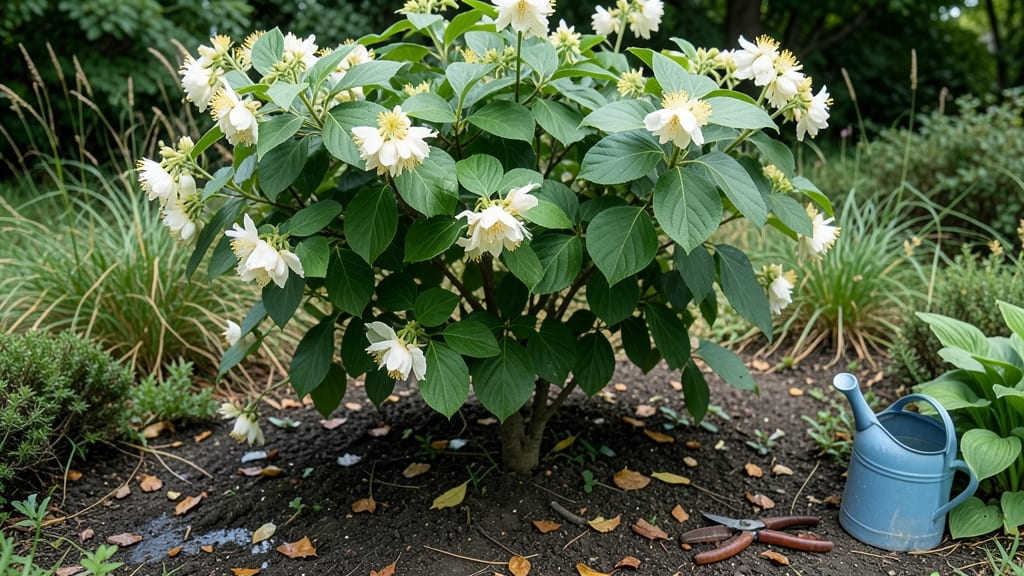
The kousa dogwood tree flower transforms your Pacific Northwest garden with its velvety pink blooms that last longer than most spring flowers. 🌸 I still remember the first time I saw one in bloom—it looked like a cloud had settled in my backyard, and it never failed to turn heads.
This tree isn’t just pretty; it’s tough, surviving frosts that would kill other dogwoods, and thriving in the damp, mild climate of the PNW.
What makes it special is how low-maintenance it is once established. You’ll need well-draining soil (even rocky soil works), partial shade to full sun, and consistent watering for the first year.
After that, it’s drought-tolerant and handles our wet winters like a champ. The flowers aren’t just showy—they’re fragrant too, adding another layer of charm to your garden.
Pruning is where the magic happens for keeping it healthy and bushy. The frost-resistant branches mean you can trim later than with other dogwoods, but timing matters—wait until late winter or early spring before buds swell.
A little strategic cutting now means bold blooms next season and fewer weak limbs later.
Whether you’re planting one as a specimen tree or lining your driveway with them, this tree delivers year after year. The best part? It attracts pollinators while looking effortlessly elegant. Let’s get yours growing strong for decades to come.
📚 In This Guide
- What you need
- Instructions
- Tips and common mistakes
- Wrapping up and next steps
What you need
- ● Bypass pruners: Sharp, clean pruners (1 pair) for cuts up to ½ inch in diameter.
- ● Loppers: Heavy-duty loppers (1 pair) for branches ½–1½ inches thick.
- ● Pruning saw: Curved-tooth saw (1) for thicker branches (1½+ inches).
- ● Gloves: Sturdy, cut-resistant gloves (1 pair) to protect hands.
- ● Disinfectant: 70% isopropyl alcohol or pruning sealant (small bottle) to sterilize tools.
- ● Pruning shears: Small shears (1 pair) for fine-tuning twigs.
- ○ Extension pole: Optional (1) for high branches (6–10 ft).
- ● Pruning paint: Small bottle to seal large cuts (prevents disease entry).
- ● Tree wound dressing: For damaged bark (1 tube).
- ● Work boots: Sturdy footwear for uneven terrain.
- ● Safety goggles: To protect eyes from debris.
- ● Notebook/pencil: To track pruning notes (season, cuts made, etc.).
- ● Knowledge: Basic understanding of Kousa dogwood growth habits (e.g., blooms on old wood).
- ● Timing: Prune during dormant season (late winter/early spring) for PNW climates.
- ● Weather: Choose a dry, calm day (avoid rain/snow for 24–48 hours post-pruning).
- ● Tree health: Inspect for pests/disease before pruning (treat if needed).
Step-by-step instructions for cultivating Kousa dogwood trees in the Pacific Northwest
Here's how to nurture these stunning bloomers through frost and flourishing seasons.
🌱 Step 1: Plant in Well-Draining Soil with Proper Spacing
Choose a location with morning sun and afternoon shade—Kousa dogwoods thrive where roots stay cool but branches get filtered light. The Pacific Northwest's damp climate means you'll want slightly acidic, well-draining soil (pH 5.0-6.5). Amend heavy clay with 2-3 inches of compost before planting to improve drainage.
Dig a hole twice as wide as the root ball but only as deep. This prevents root stress from being buried too deep. Gently remove the tree from its container and loosen any circling roots with your fingers. Place the tree in the hole so the top of the root ball sits 1 inch above ground level—this prevents water from pooling around the trunk.
Backfill with native soil mixed with compost, tamping down lightly every 6 inches to eliminate air pockets. Water deeply until moisture reaches 12 inches down. Space trees 15-20 feet apart to allow mature canopies room to develop without competition.
☀️ Step 2: Establish Frost-Resistant Care Through Seasonal Transitions
In spring, once new leaves emerge, apply 2-3 inches of mulch (wood chips or shredded bark) around the base, keeping it 3 inches away from the trunk. This protects roots from temperature swings while retaining moisture. Water deeply once a week during dry spells—Kousa dogwoods need consistent moisture but hate soggy roots.
Summer care focuses on even moisture and light pruning. If you notice leggy growth reaching for more light, trim back 1/3 of the longest branches in early summer to encourage bushier form. Avoid heavy pruning now—you'll do most shaping in late winter. Watch for powdery mildew on leaves; if you see white fuzzy spots, improve airflow by thinning dense branches.
Fall prep starts in October. Reduce watering as temperatures drop, letting the soil dry slightly between waterings. This helps trees enter dormancy stronger. Apply a slow-release fertilizer (10-10-10) in early fall to build root reserves for winter. In November, add an extra 2 inches of mulch to insulate roots against Pacific Northwest frosts.
✂️ Step 3: Prune for Frost Resistance and Optimal Bloom
Late winter (February) is prime time for pruning Kousa dogwoods. Remove dead, diseased, or crossing branches first—these compete with healthy growth. Cut back to the outer bud where branches grow outward. Avoid heavy pruning; limit removals to no more than 25% of the canopy in any single year.
Shape the tree by thinning interior branches to improve light penetration and airflow. Look for branches growing toward the center—these create dense, shaded areas where moisture lingers and diseases thrive. Make cuts just outside the branch collar (the swollen area where the branch meets the trunk) to promote rapid healing.
Spring cleanup happens after blooms fade. Remove any spent flower clusters and seed heads to redirect the tree's energy into next year's blooms. If you see suckers (shoots growing from the base), remove them immediately—they drain energy from the main tree. Always sterilize pruning tools with 70% rubbing alcohol between cuts to prevent disease spread.
⏰ Step 4: Monitor and Adjust for Pacific Northwest Conditions
Check soil moisture weekly during summer dry spells. Stick your finger 2 inches into the soil—if it feels dry, water deeply until moisture reaches 12 inches down. Kousa dogwoods are drought-tolerant once established, but young trees need consistent moisture to develop strong roots.
Watch for leaf scorch (brown edges) in late summer—this often signals underwatering or too much afternoon sun. If you notice this, move the tree to a slightly shadier spot or increase watering frequency. In winter, inspect the tree for cracked bark or sunscald (brown patches on south-facing sides). Protect vulnerable spots with tree wrap if needed.
Every 3-4 years, conduct a health check: Look for yellowing leaves (could indicate iron deficiency), pests (like scale insects), or fungal spots. Treat issues immediately—Kousa dogwoods are generally disease-resistant, but Pacific Northwest humidity can create problems if left unchecked. Adjust your care routine based on what you observe each season.
Tips & tricks for perfect Kousa dogwood tree flower cultivation
Real talk: Growing Kousa dogwoods in the Pacific Northwest takes patience—but these tricks will help you avoid the most common pitfalls.
Soil Prep Secret: Don't skip the compost amendment! The Pacific Northwest's heavy clay soils can suffocate roots. Mix that 2-3 inches of compost thoroughly into the bottom of the planting hole—it's not just about drainage, it's about giving roots their first nutrient boost. I've seen trees planted without this step struggle through their first winter, even with perfect pruning.
Planting Depth Matters: That 1 inch above ground level placement isn't just arbitrary—it's about preventing water from pooling around the trunk. After planting, I always draw a line on the trunk at ground level to remind myself where to measure mulch depth later. Too deep, and you risk rot; too shallow, and the tree becomes vulnerable to temperature swings.
Seasonal Care Calendar: Mark your calendar for these critical dates: February pruning, October fertilizer application, and November mulch top-up. These aren't just suggestions—they're the difference between a tree that thrives and one that just survives. I keep a small garden journal to track when I do each seasonal task, especially since Pacific Northwest weather can be unpredictable.
Watering Wisdom: When checking soil moisture with your finger, go 2 inches deep—surface moisture doesn't tell the whole story. I've learned this the hard way after seeing trees with damp topsoil but bone-dry roots. Water until moisture reaches 12 inches down—this ensures the entire root zone gets hydrated, not just the top layer.
Pro Tips for Kousa Dogwood Tree Flower
- Real talk: Growing Kousa dogwoods in the Pacific Northwest takes patience—but these tricks will help you avoid the most common pitfalls.
- Soil Prep Secret: Don't skip the compost amendment!
- Planting Depth Matters: That 1 inch above ground level placement isn't just arbitrary—it's about preventing water from pooling around the trunk.
Frequently asked questions
about the stunning kousa dogwood tree flower—here’s what you need to know before diving in!When is the best time to prune a kousa dogwood tree?
The ideal time to prune is late winter to early spring (February–March in the Pacific Northwest), just before new growth begins. Avoid pruning in fall or winter, as this can stimulate tender growth vulnerable to frost. If you must remove dead branches, do so anytime—but never during flowering season (May–June) to preserve blooms!
Can kousa dogwood trees survive harsh Pacific Northwest winters?
This frost-resistant beauty thrives in USDA Zones 5–8, making it perfect for PNW winters. Young trees may need winter mulch (3–4 inches) to protect roots, but mature kousa dogwoods handle cold snaps like a champ. Just avoid heavy snow damage by gently shaking off accumulation from branches.
Why aren’t my kousa dogwood flowers as vibrant as expected?
Fewer or duller blooms often stem from over-pruning, poor sunlight (they need full sun to partial shade), or nutrient deficiencies. Boost blooms by fertilizing in early spring with a balanced 10-10-10 formula. Also, ensure your tree isn’t stressed by drought—consistent moisture (but not soggy soil) keeps it happy!
What’s a good alternative if kousa dogwood is hard to find?
If you’re struggling to locate a kousa dogwood, consider these PNW-friendly Cornus cousins:
- Pacific Dogwood (Cornus nuttallii) – Larger, showier blooms but less heat-tolerant.
- Red Osier Dogwood (Cornus sericea) – Hardy, berry-producing, and great for wildlife.
- Korean Dogwood (Cornus kousa var. chinensis) – Similar care but slightly more compact.
How do I fix a kousa dogwood with dead branches?
Dead or diseased branches should be pruned immediately to prevent spread. Use sterilized pruners and cut back to the collateral bud (a side bud facing outward). If more than 25% of the tree is dead, inspect for pests (like borers) or fungal issues—treat with neem oil or a copper fungicide if needed. Healthy growth should return within a season!
Wrapping up and next steps
The Kousa dogwood tree is a stunning, frost-resistant gem that thrives in the Pacific Northwest’s climate—with the right care, it can reward you with vibrant blooms for decades. 🌸 Pruning at the right time (late winter or early spring) and using sharp tools ensures healthy growth and breathtaking flowers.
Whether you’re a beginner or a seasoned gardener, this guide gives you the confidence to nurture your tree like a pro.
Ready to transform your garden? Start by marking your calendar for next year’s pruning season—and maybe even share your progress with fellow plant lovers! 🌿 Grab your tools and get growing!