
Pruning
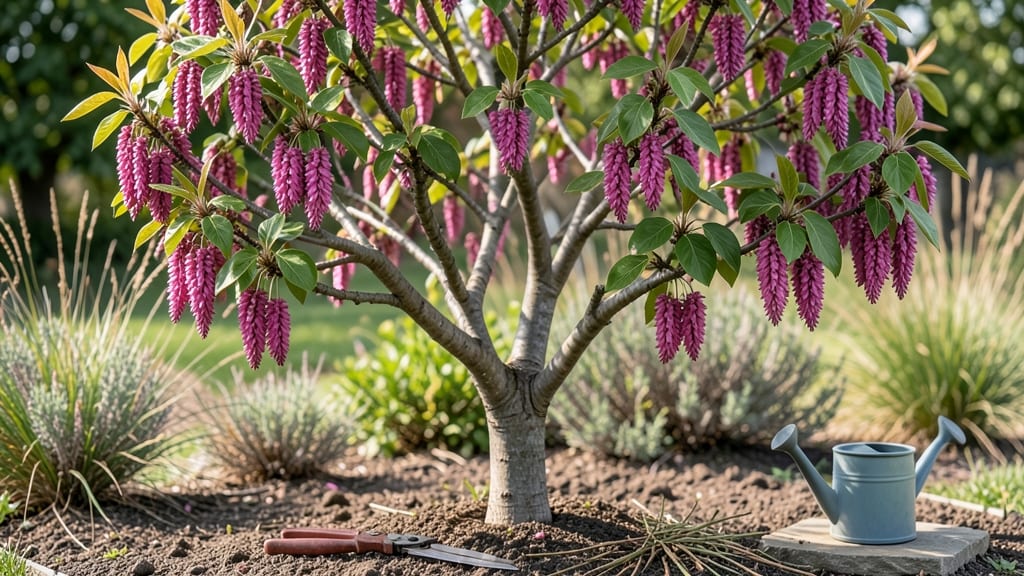
There’s nothing quite like a tree with pink flower clusters lighting up your Pacific Northwest garden from spring through summer. 🌸 I’ve planted mine near the patio where I can enjoy the scent while sipping morning coffee—it’s become the heart of my outdoor space.
These trees aren’t just pretty; they’re the kind of showstoppers that make neighbors pause and take photos.
The secret to making them truly shine lies in placement and companions. Pair them with ferns or hostas for contrast, or let them stand alone as a bold focal point near a seating area.
Their delicate blooms pair beautifully with deep greens or even other pink-hued plants like azaleas or rhododendrons, creating a dreamy, cohesive look. And because they thrive in our region’s mild, wet climate, they’ll reward you with season-long color with minimal fuss.
What you’ll love most is how they transform your yard into a living canvas. Imagine waking to soft pink clouds of blossoms in May, followed by lush foliage that stays vibrant until fall. The best part?
These trees are low-maintenance—just a little pruning to shape them and keep them healthy, and they’ll keep giving you that wow factor for years. Let’s make your garden the talk of the neighborhood.
Whether you’re planning a new landscape or refreshing an existing one, these trees are the easy, elegant choice for lasting beauty. They work in small yards, large estates, or even as a striking street tree. Here’s how to make the most of their natural charm without the high-maintenance hassle.
📚 In This Guide
- What you need
- Instructions
- Tips and common mistakes
- Wrapping up and next steps
What you need
- ● Tree sapling or bare-root plant: Choose a healthy 2-3 year-old specimen (e.g., Cornus or Magnolia) from a nursery. Size: 1–3 ft tall.
- ● High-quality potting mix: Well-draining, organic blend (e.g., 60% peat moss, 30% perlite, 10% compost). Quantity: 2–3 cubic feet.
- ● Organic fertilizer: Slow-release, balanced (10-10-10 NPK) or tree-specific formula. Amount: 1 lb per tree.
- ● Mulch: Wood chips or shredded bark (3–4 inches thick). Avoid: Fresh sawdust or dyed mulch.
- ● Garden trowel or spade: For planting and soil prep.
- ● Pruning shears: Sharp, bypass-style (for shaping and maintenance). Bonus: Sterilize with rubbing alcohol!
- ● Watering can or hose: With adjustable nozzle for gentle watering.
- ● Gloves: Heavy-duty work gloves to protect hands.
- ● Measuring tape: To mark planting depth (2x wider than root ball).
- ● Tree stakes & ties: For young trees in windy areas.
- ● Soil pH tester: Ideal range: 5.0–7.0 for most pink-blooming trees.
- ● Epsom salt: 1 tbsp mixed into soil for magnesium (boosts flower vibrancy).
- ● Bird netting: To protect buds from hungry critters during bloom season.
How to plant and care for a Pacific Northwest pink flowering tree
Here's the straightforward approach to growing a stunning pink-blooming tree that thrives in our region.
🌱 Step 1: Choose the Right Tree for Your Site
The Pacific Northwest's mild, wet climate favors trees like Pacific Dogwood (Cornus nuttallii) or Oregon Grape Holly (Mahonia aquifolium) for their vibrant pink clusters. Look for 2-3 gallon container-grown trees at local nurseries—they establish faster than bare-root stock. I always check for healthy, flexible branches and avoid trees with yellowing leaves or powdery mildew.
Site selection matters most. These trees need morning sun to partial afternoon shade—full sun can scorch leaves, while too much shade reduces flowering. Test your spot by observing how sunlight moves through the area in spring and summer. A location with 6+ hours of filtered light works best.
🪴 Step 2: Prepare the Planting Hole and Soil
Dig a hole twice as wide as the tree's root ball but only as deep—planting too deep suffocates roots. Loosen the sides of the hole with a shovel to encourage root spread. Amend the native soil with 3-4 inches of compost mixed into the bottom and sides, but don't use garden soil or peat moss—it compacts and strangles roots.
For clay-heavy soils common in the PNW, add 1-2 inches of coarse sand to improve drainage. Water the hole deeply before planting to settle the soil. The goal is moist but not soggy—you should see water drain within 30 minutes. If it pools, your site needs better drainage or a raised bed.
☀️ Step 3: Plant and Stake for Stability
Gently remove the tree from its container and loosen any circling roots with your fingers. Place it in the hole so the top of the root ball sits 1-2 inches above ground level—this prevents rot from winter moisture. Backfill with native soil, tamping lightly every 6 inches to eliminate air pockets.
Stake only if needed—young trees in windy PNW sites benefit from one 6-foot stake tied loosely with soft tree ties (never wire). Water immediately after planting to settle the soil, then create a 2-inch deep basin around the base to direct future watering. Mulch with 3 inches of wood chips, keeping it 6 inches away from the trunk to prevent rot.
💧 Step 4: Water and Monitor Through Establishment
Water deeply twice weekly for the first 6-8 weeks, then taper to once weekly once new growth appears. You'll know it's enough when water drains 6-8 inches deep—use a screwdriver to check. Overwatering smothers roots in our rainy climate, so prioritize deep soakings over frequent light watering.
Fertilize lightly in spring with 10-10-10 granular fertilizer (follow package rates) to encourage blooms, but skip fall feeding—new growth won't harden off before winter. Watch for aphids or scale on new shoots; a strong spray of water usually dislodges them before they cause damage.
✂️ Step 5: Prune for Health and Flowering
Prune late winter or early spring before buds swell, removing dead, crossing, or weak branches first. Thin out 10-20% of the oldest stems to improve airflow and flower production. I always sterilize pruners with rubbing alcohol between cuts to prevent disease spread.
Never prune after mid-summer—new growth won't mature before winter. If you see brown leaf edges, it's likely from winter salt damage or too much sun. These trees tolerate pruning well, but avoid heavy cuts—they bloom on current season's growth, so aggressive pruning reduces next year's flowers.
Tips & tricks for perfect Pacific Northwest pink flowering trees
Here's what I've learned from years of growing these stunning showstoppers in our region—avoid these common pitfalls for the best results.
Site Selection Secret: When testing your spot for that 6+ hours of filtered light, observe during the shortest day of winter (around the solstice). Evergreen trees or buildings can block winter sun while letting summer light through—this ensures consistent blooms even in our cloudy months. I've seen dogwoods planted in "perfect" summer light locations fail to flower because winter sun was blocked.
Soil Prep Pro Tip: For that 30-minute drainage test in Step 2, use a trowel to poke holes around the hole's perimeter before filling it. This creates natural drainage channels that prevent waterlogging. In heavy clay soils, mix in 1-2 inches of coarse sand—but don't overdo it, or you'll create a sand desert that won't hold moisture for root establishment.
Staking Strategy: If you're using a stake, bury it at a 45-degree angle about 12 inches deep—this creates better anchorage than vertical staking. The stake should be just firm enough to prevent sway in windy conditions, but not so tight it restricts trunk growth. I've seen trees grow in a spiral pattern from overly tight staking that never came off in time.
Pruning Timing: That late winter/early spring pruning window is critical because it allows new growth to harden off before winter. If you must prune in summer, do it before mid-July so new shoots have at least 6 weeks to mature. I've learned this the hard way—pruning too late means tender new growth gets winter-killed, leaving ugly scars where flowers should be.
Pro Tips for Tree With Pink Flower Clusters
- Here's what I've learned from years of growing these stunning showstoppers in our region—avoid these common pitfalls for the best results.
- Site Selection Secret: When testing your spot for that 6+ hours of filtered light, observe during the shortest day of winter (around the solstice).
- Soil Prep Pro Tip: For that 30-minute drainage test in Step 2, use a trowel to poke holes around the hole's perimeter before filling it.
Frequently asked questions
Got questions about those stunning trees with pink flower clusters? You’re not alone! Here are some of the most common queries—and answers—to help you care for these Pacific Northwest showstoppers like a pro.
What’s the best time to prune these trees for maximum blooms?
Prune your tree after flowering in late spring or early summer. This ensures you don’t cut off next year’s blooms! Avoid heavy pruning in fall or winter, as it can stress the tree before dormancy. Light shaping is fine, but focus on removing dead or crossing branches.
How do I encourage more pink flower clusters?
These trees thrive with full sun (6+ hours/day) and well-draining soil. Fertilize lightly in early spring with a balanced, slow-release fertilizer (10-10-10). Water deeply but infrequently—overwatering can lead to root rot. Mulch around the base (but not touching the trunk) to retain moisture.
Why aren’t my tree’s flowers as vibrant as expected?
Dull pink blooms often signal stress. Check for:
- Poor sunlight: Move to a sunnier spot if possible.
- Over/under-watering: Aim for consistent moisture.
- Nutrient deficiency: Test soil and amend with compost or fertilizer.
- Pests/disease: Inspect leaves for spots, wilting, or aphids.
Are there any low-maintenance alternatives to these trees?
Yes! If you want pink flower clusters with less upkeep, consider:
- Japanese Maple (Acer palmatum): Compact, shade-tolerant, and blooms in spring.
- Dogwood (Cornus florida): Compact, disease-resistant, and thrives in partial shade.
- Serviceberry (Amelanchier): Edible berries + spring blooms, great for pollinators.
Can I prune these trees in winter?
Light pruning (removing dead branches) is fine in late winter (February), but avoid heavy cuts. Winter pruning can expose the tree to cold damage or disease if done too early. Save major shaping for spring. Always sterilize tools with rubbing alcohol to prevent bacterial spread!
Wrapping up and next steps
Transforming your Pacific Northwest garden into a season-long spectacle with a tree adorned in stunning pink flower clusters is easier than you think! From understanding the right tools and timing to mastering pruning techniques, you now have the knowledge to nurture beauty and health in your outdoor space. 🌸✨
Ready to take the next step? Grab your pruners and schedule your first pruning session—your garden’s vibrant future starts now! Whether you’re a beginner or a seasoned gardener, every trim brings you closer to that breathtaking, color-filled canopy.