
Pruning
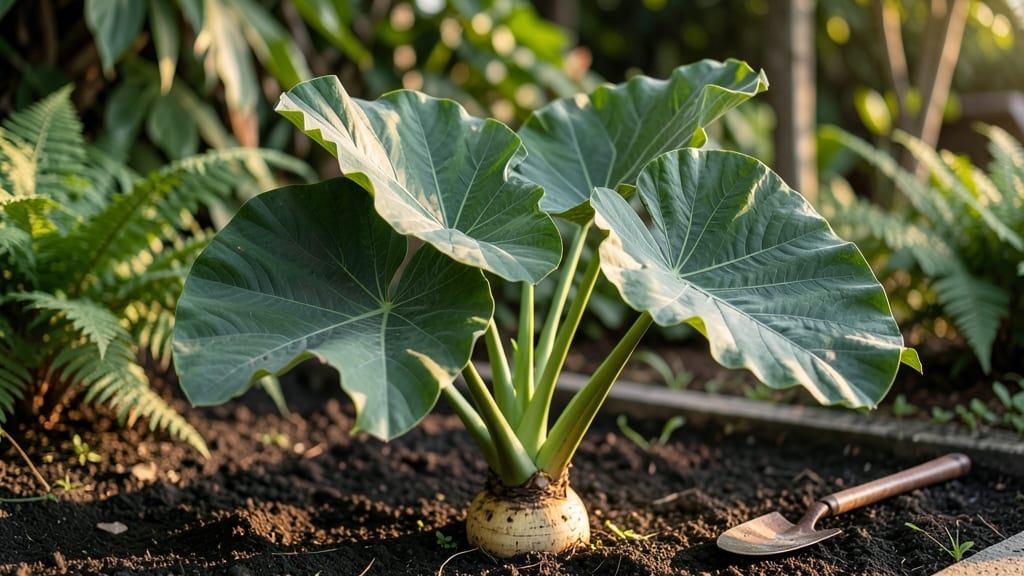
Pruning your Jamaican callaloo tree in late winter unlocks a jungle of tender leaves by summer. ✨ I’ve watched this plant go from scraggly to shockingly lush after just one strategic cut—it’s all about timing and technique.
The key is removing old growth while the plant’s energy shifts toward new shoots, not flowers or seeds.
You’ll need sharp pruners, a sunny spot, and about 30 minutes of focused work. Callaloo thrives in warm climates but handles light frosts if pruned back early. The goal isn’t perfection—it’s opening up the center so sunlight reaches all those leafy branches.
Think of it like giving your plant a fresh start before the growing season kicks in.
What you’ll end up with is a bushier, more productive plant by late spring. The leaves grow faster, stay tender longer, and pack that signature Jamaican flavor—perfect for soups, stews, or sautéed sides.
Even if you’ve never pruned before, this method is impossible to mess up when you follow the right steps.
Works in containers or in-ground, and adapts to tropical, subtropical, or even warm temperate zones. The same principles apply whether you’re growing one plant or a full garden bed. Let’s get those leaves growing thick and fast!
📚 In This Guide
- What you need
- Instructions
- Tips and common mistakes
- Wrapping up and next steps
What you need
- ● Sharp pruning shears: Bypass pruners (for clean cuts on smaller branches) or anvil pruners (for thicker stems). Must be sterilized with rubbing alcohol or bleach solution (1 part bleach to 9 parts water).
- ● Hand pruners or loppers: For medium-sized branches (up to 1.5 inches thick). Look for ergonomic handles and stainless steel blades.
- ● Gloves: Heavy-duty gardening gloves (nitrile-coated for grip and protection against thorns or sap).
- ● Disposable pruning bags or bucket: A 5-gallon bucket with a lid (to collect pruned leaves for compost or cooking!) or mesh bags for airflow.
- ● Rubbing alcohol (70% isopropyl) or bleach: For sterilizing tools between cuts (prevents disease spread).
- ● Pruning saw: For stubborn, thick branches (rare in callaloo trees but handy for overgrown specimens).
- ● Hose with nozzle: To rinse tools and clean sap off hands/gloves post-pruning.
- ● Ladder or step stool: If your tree is over 6 feet tall (callaloo trees can grow bushy!).
- ● Marking twine or tape: To label sections of the tree if you’re experimenting with pruning techniques.
- ● Compost bin or mulch: To repurpose pruned leaves (rich in nutrients for your garden!).
- ● Timing: Prune in late winter (just before new growth starts) for best results. Avoid pruning during frost or extreme heat.
- ● Weather: Choose a dry, overcast day to minimize stress on the plant and reduce sap splatter.
- ● Safety first: Wear long sleeves and closed-toe shoes—callaloo trees can have sharp stems!
- ● Know your tree: Familiarize yourself with the growth habit of your callaloo tree (it’s a tender perennial in warm climates, so avoid heavy pruning if you’re in a cooler zone).
How to prune your Jamaican callaloo tree for healthy, leafy growth
Late winter’s the perfect time to shape this tropical workhorse—just a few strategic cuts will keep your plant lush and productive.
✂️ Step 1: Gather Tools and Assess the Tree
Start by sharpening your bypass pruning shears—dull blades tear stems and invite disease. I like to wipe them down with rubbing alcohol before cutting to keep bacteria at bay. Examine your callaloo tree from all sides, looking for dead, yellowed, or crossing branches—these are your first targets.
Here’s the thing—callaloo trees grow fast, but they’re also sensitive to over-pruning. Focus on removing no more than 25% of the foliage in one session. You’ll know you’re doing it right when you see new growth buds along the main stems within weeks.
✂️ Step 2: Remove Dead and Crowded Branches First
Snip out any brown, brittle stems or branches that rub against each other—they’ll never produce leaves and create weak points. Cut just above a leaf node (the bump where leaves attach) at a 45-degree angle. This encourages water to run off instead of pooling, which prevents rot.
If you spot crossing branches, remove the smaller of the two. Callaloo trees channel energy into their strongest stems, so you’re not just cleaning up—you’re directing growth where you want it. I always work from the bottom up to avoid shading lower leaves.
✂️ Step 3: Thin Out Overly Dense Areas
Callaloo trees can get leggy if they don’t get enough light, so focus on thinning the center to improve airflow. Aim to leave 3-4 inches of space between branches—this prevents fungal issues and makes harvesting easier. You’ll notice the tree’s structure becomes more open, letting sunlight reach the lower leaves.
Watch for water sprouts (thin, vertical shoots growing straight up)—these steal energy from leaf production. Cut them back to a side branch or main stem. Real talk: I used to skip this step, and my callaloo tree looked bushy but produced tiny, sparse leaves.
☀️ Step 4: Shape for Better Light Exposure
Step back and visualize how sunlight hits your tree. Trim branches on the north side (in the Northern Hemisphere) more aggressively to balance growth. Callaloo trees lean toward light, so you’re essentially training them to grow evenly. After pruning, rotate the pot a quarter turn so all sides get equal exposure.
Leave 3-5 strong, healthy branches as your main structure—they’ll support the most leafy growth. You’ll see new shoots emerge from the nodes within 2-3 weeks, signaling your cuts worked. If you’re unsure, wait until spring to prune—callaloo trees are forgiving but respond best to timing.
💧 Step 5: Post-Prune Care for a Strong Recovery
Water deeply right after pruning to help the tree recover. Callaloo trees have shallow roots, so soak the soil until water runs out the drainage holes. Avoid fertilizing immediately—wait 4-6 weeks to let the cuts heal. I like to add a balanced organic fertilizer (like 10-10-10) only after new growth appears.
Keep your tree in bright, indirect light for the first week post-prune. If you notice leaves wilting, it’s a sign of stress—mist the foliage lightly to boost humidity. You’ll know you’ve done it right when your callaloo tree bursts with large, vibrant leaves by early spring.
Tips & tricks for pruning your Jamaican callaloo tree
Late-winter pruning transforms your callaloo tree—here’s how to make every cut count for maximum leafy growth.
Tool Prep Matters: Beyond just sharpening your bypass pruning shears, I’ve found that wiping them with rubbing alcohol between cuts prevents bacterial buildup that could infect your tree. For larger branches, consider using a clean hacksaw for smoother cuts—callaloo wood can be fibrous, and jagged edges invite rot. Always sterilize tools between trees if you’re working with multiple plants.
Visual Growth Indicators: The 25% foliage guideline in Step 1 is your safety net, but here’s what to watch for: Look for clusters of leaves where sunlight hits the center of the tree—these are your "keepers." If you see more than 3-4 inches of bare stem between leaf nodes, it’s time to prune that branch. I learned this the hard way after over-pruning a branch that took months to recover.
Light Exposure Strategy: When shaping for better light in Step 4, focus on creating a "sunburst" effect—trim the north side more aggressively to encourage outward growth. After pruning, rotate your pot a quarter turn weekly to prevent the tree from leaning back toward its preferred light source. This simple rotation keeps growth balanced and prevents leggy stems.
Post-Prune Recovery Hacks: That deep watering after pruning isn’t just about hydration—it helps the tree flush out any stress hormones from cutting. For extra recovery support, add a handful of compost to the soil surface after watering. The compost acts as a natural mulch, retaining moisture while providing gentle nutrients. Just skip the fertilizer for those crucial 4-6 weeks—the tree needs to focus on healing cuts, not processing new nutrients.
Pro Tips for Jamaican Callaloo Tree
- Late-winter pruning transforms your callaloo tree—here’s how to make every cut count for maximum leafy growth.
- Tool Prep Matters: Beyond just sharpening your bypass pruning shears, I’ve found that wiping them with rubbing alcohol between cuts prevents bacterial buildup that could infect your tree.
- Visual Growth Indicators: The 25% foliage guideline in Step 1 is your safety net, but here’s what to watch for: Look for clusters of leaves where sunlight hits the center of the tree—these are your "keepers."
Frequently asked questions
Got questions about pruning your Jamaican callaloo tree? You’re not alone!
Here are answers to the most common queries to help you grow a thriving, leafy plant with ease.
When is the exact best time to prune my callaloo tree?
The ideal window is late winter—just as new growth begins but before spring’s flush of energy. Aim for February to early March in most U.S. climates (adjust 2–4 weeks earlier for warmer zones like Florida or Hawaii). Avoid pruning in summer heat or winter frost, as the plant struggles to recover.
How much can I cut back without harming the tree?
You can safely remove up to 1/3 of the plant’s height in one session, but avoid over-pruning. Focus on thinning dense branches (cut back to outward-facing buds) rather than shearing. For mature trees, prune in stages over 2–3 years if needed. Never remove more than 30% in a single year!
What if my callaloo tree isn’t producing leaves after pruning?
If you see no new growth 4–6 weeks post-prune, check these fixes:
- Water stress: Keep soil consistently moist (but not soggy) for 2 weeks after cutting.
- Light deficiency: Callaloo trees need 6+ hours of sunlight daily—move it to a sunnier spot if leaves yellow.
- Temperature shock: If pruned too early (before last frost), protect with frost cloth.
If issues persist, test soil pH (ideal: 6.0–7.0) and amend with compost.
Can I prune a potted callaloo tree the same way?
Yes! The techniques are identical, but pot size matters. If roots are root-bound (circling the pot), prune 10–15% less aggressively and repot into a 2–4 inch larger container afterward. Use well-draining soil (60% potting mix, 30% compost, 10% perlite) to prevent rot.
Are there alternatives if my callaloo tree dies after pruning?
Don’t panic! Try these steps:
- Propagate from cuttings: Dip healthy stems in rooting hormone and plant in moist perlite/sand. Keep humid (use a plastic bag) and root in 4–6 weeks.
- Buy a new plant: Look for Sechium edule (callaloo’s scientific name) at tropical nurseries or online (e.g., Fast-Growing-Trees.com).
- Grow from seed (slower): Soak seeds overnight, plant ½-inch deep, and keep warm (75°F+). Germination takes 2–4 weeks.
Pro tip: If pruning fails, callaloo’s close relatives (like chayote or choko) make great substitutes for soups!
Wrapping up and next steps
The Jamaican callaloo tree thrives when given the right care, and late-winter pruning is your secret weapon for a lush, productive harvest. 🌿 By following these steps—cleaning tools, shaping strategically, and fertilizing thoughtfully—you’ll encourage vibrant leaf growth and a healthier plant.
Your efforts will pay off in flavorful, homegrown callaloo for months to come!
Ready to take the next step? Mark your calendar for your late-winter pruning session and watch your callaloo tree flourish. Happy gardening! 🌱