
Pruning
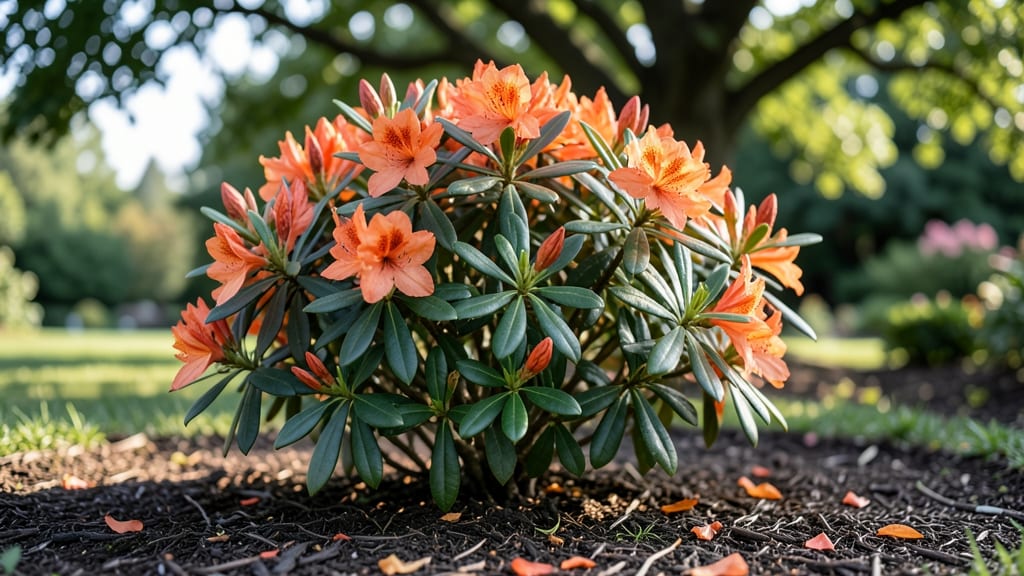
Pruning your orange azalea tree in late winter unlocks its secret to showstopping spring blooms—and I’ve learned the hard way that timing and technique make all the difference. 🌸 The first time I pruned too late, my 'Girard’s Orange' missed its prime blooming window, leaving me with sparse flowers.
Now, I swear by the 3-week rule: prune after the last frost but before buds swell, and you’ll trigger a flush of vibrant orange blossoms that last for weeks.
Here’s what you’ll need: sharp pruners (clean and sharp is non-negotiable), a ladder if your tree is tall, and a clear day to avoid spreading disease. Azaleas bloom on old wood, so we’re not hacking away—just shaping and thinning.
Start by removing any dead or crossing branches first, then cut back overgrown stems by about one-third to encourage bushier growth. The goal is to open up the center for sunlight and air circulation, which keeps those blooms healthy and abundant.
By spring, you’ll see the payoff: clusters of bright orange flowers that attract hummingbirds and fill your yard with fragrance. The key is patience—azaleas reward careful pruning with years of reliable blooms.
For extra insurance, feed with an acid-loving fertilizer in early spring, and mulch around the base to protect those delicate roots. Once you master this, your orange azalea will become the star of your landscape every year.
This method works for all Rhododendron hybrids, from dwarf varieties like 'Orange Rocket' to larger shrubs. Just adjust the pruning intensity based on size—smaller trees need lighter touches. Now grab those shears and let’s get to work—your future spring display starts with this one cut.
📚 In This Guide
- What you need
- Instructions
- Tips and common mistakes
- Wrapping up and next steps
What you need
- ● Pruning shears: Bypass pruners (sharp, clean, and sterilized with rubbing alcohol or bleach to prevent disease). Specs: 6-8" blades, ergonomic grip.
- ● Loppers: For thicker branches (½"–1½" diameter). Specs: Bypass or anvil type, 12-18" long.
- ● Hand pruners: For small twigs and dead growth. Specs: 4-6" blades, comfortable handle.
- ● Gloves: Heavy-duty gardening gloves (cut-resistant for safety). Specs: Waterproof, breathable, and long-cuffed.
- ● Disposable pruning bags: 1-2 bags (10-15 gallon capacity) to collect clippings and debris.
- ● Rubbing alcohol (70% isopropyl) or bleach solution: 1 bottle or 1:10 bleach-water mix (for sterilizing tools).
- ○ Sharpie or permanent marker: To label pruned branches if needed (optional but helpful for tracking).
- ● Water spray bottle: Small (8-16 oz) with clean water to dampen tools and branches if needed.
- ● Ladder or step stool: If your azalea is over 6 feet tall. Specs: Sturdy, non-slip, and rated for your height/weight.
- ● Pruning sealant: (e.g., tree wound dressing) for large cuts over ½" diameter. Use sparingly—only if necessary!
- ● Disinfectant wipes: For quick tool cleaning between cuts (great for large trees).
- ● Notebook or app: To sketch your azalea’s shape or track pruning progress (e.g., iNaturalist or a simple journal).
- ● Mulch: 2-3 bags of organic mulch (e.g., pine bark or shredded leaves) to replenish after pruning.
- ● Safety glasses: If working near the ground or with large branches.
Step-by-Step guide for pruning your orange azalea tree
Here's how to revive your azalea with precision cuts for next year's showstopper blooms.
✂️ Step 1: Time Your Pruning for Maximum Impact
Late winter, just as buds begin to swell but before new growth starts, is your perfect window. For most climates, aim for February or early March—this timing ensures you remove dead wood while preserving next season's flower buds, which form on last year's growth. If your area has mild winters, wait until 3-4 weeks before your last frost date.
Check the buds closely—they'll look like tiny green nubs along the stems. If you see any breaking open, you've waited too long. Prune too early, and you risk cutting off next year's blooms; too late, and you encourage weak, leggy growth. I always mark my calendar with the first warm day after a frost-free week to stay on schedule.
🌿 Step 2: Gather Your Tools and Assess the Tree
You'll need sharp, clean pruning shears for small branches and loppers for thicker stems over ½ inch. Disinfect your tools with rubbing alcohol to prevent spreading disease between cuts. Start by removing any dead, diseased, or crossing branches—these are your top priorities. Dead wood is easy to spot: it's brown, brittle, and doesn't bend when you test it.
Next, scan for branches growing inward toward the center of the tree. These compete for sunlight and air flow, creating a crowded, unhealthy center. Thin these out first, cutting all the way back to the main trunk or a strong outward-facing lateral branch. I always step back every few cuts to visualize the tree's shape—this helps me spot problem areas before they become obvious.
☀️ Step 3: Shape for Light and Airflow
Azaleas thrive when their branches receive even light and circulation. Aim to create an open, vase-like shape by cutting back 10-20% of the previous year's growth. For each branch, make your cut just above an outward-facing bud or leaf cluster. This encourages new growth to fill out the tree's form while keeping it balanced. Avoid cutting into old wood—new growth only forms on the current year's stems.
Pay special attention to the tree's lowest branches. If they're overcrowded or growing upward instead of outward, prune them back by ⅓ to ½ their length. This opens up the base for better air flow and makes future pruning easier. I like to imagine the tree as a fountain—water sprays outward, and so should your azalea's branches. After each cut, step back and check if the tree's silhouette looks more open and inviting.
💧 Step 4: Clean Up and Monitor Recovery
Once you've finished pruning, rake up all the clippings to reduce disease risk in your garden. Water the tree deeply right after pruning to help it recover and reduce stress. You'll see new growth emerge within 3-4 weeks if conditions are right—look for fresh, bright green leaves pushing from the buds you preserved. If growth appears slow or weak, check for signs of stress like yellowing leaves or wilting.
Here's the thing—azaleas are sensitive to over-pruning. If you've removed more than 25% of the tree's foliage, it may struggle to rebound. In that case, focus on light maintenance next year and let the tree recover. I've learned the hard way that azaleas reward patience—better to prune lightly now and enjoy vibrant blooms for years to come.
Tips & tricks for perfect orange azalea tree pruning
Common mistakes can turn a simple pruning session into a disaster for your azalea—here's how to avoid them and get it right the first time.
Timing is Everything: The February or early March window in Step 1 is non-negotiable for azaleas. I once pruned mine in January and ended up cutting off next year's buds completely—don't make my mistake! If you're in a mild climate, use the 3-4 weeks before your last frost date as your absolute deadline. The key visual cue is those tiny green nubs along the stems—once they start breaking open, you've missed your chance.
Tool Prep Prevents Problems: Step 2 emphasizes clean tools, but here's what nobody tells you—sterilize your tools between each cut when dealing with diseased branches. I use a 1:10 bleach-water solution (9 parts water, 1 part bleach) to wipe down shears between cuts on infected wood. For thicker branches over ½ inch, loppers give you better leverage, but make sure they're sharp enough to cut cleanly without crushing the stems.
Shape with Intention: When cutting back 10-20% of last year's growth in Step 3, think of your azalea as a living sculpture. Always cut just above an outward-facing bud—this creates the natural vase shape that lets sunlight penetrate to the center. Pro tip: If you're unsure which direction a bud faces, make your cut at a 45-degree angle above the bud. I also recommend using a small flagging tape to mark branches you're unsure about before making cuts.
Recovery Checklist: After pruning, monitor for new growth within 3-4 weeks as mentioned in Step 4. Here's what to watch for: fresh green leaves should appear bright and firm, not yellow or wilted. If you see only sparse growth, you may have over-pruned. In that case, next year's pruning should be minimal—just remove any dead wood and shape lightly to encourage recovery.
Pro Tips for Orange Azalea Tree
- Common mistakes can turn a simple pruning session into a disaster for your azalea—here's how to avoid them and get it right the first time.
- Timing is Everything: The February or early March window in Step 1 is non-negotiable for azaleas.
- Tool Prep Prevents Problems: Step 2 emphasizes clean tools, but here's what nobody tells you—sterilize your tools between each cut when dealing with diseased branches.
Frequently asked questions
When is the best time to prune an orange azalea tree for late-winter revival?
The ideal window is late winter to early spring, just as new growth begins but before buds swell (typically February–March in most climates). This timing ensures you don’t cut off next year’s blooms while still shaping the tree for healthy growth. Avoid pruning in fall—it can stimulate tender new growth that won’t survive winter frost.
How much can I trim back my orange azalea without harming it?
You can safely remove up to one-third of the tree’s total growth, but focus on dead, diseased, or overcrowded branches first. For shaping, aim to thin out congested areas by cutting branches back to a bud or lateral branch. Avoid heavy "topping" (cutting back to stubs)—this stresses the tree and reduces flowering. Pro tip: Step back often to check your progress!
What if I prune at the wrong time and miss the late-winter window?
Don’t panic! If you prune in early spring after buds form, you’ll likely cut off some blooms—but the tree will still recover. For fall pruning, wait until late autumn (after a light frost) to minimize frost damage. Light pruning anytime is better than none! Just prioritize removing dead wood and diseased branches year-round.
Can I use the same pruning techniques for orange azaleas as for other azaleas?
Yes! Orange azaleas (like Rhododendron ‘Girard’s Orange’) share pruning needs with other spring-blooming azaleas. The key differences are timing (late winter for spring blooms) and avoiding heavy pruning on fall-blooming varieties. For orange azaleas, focus on airflow and light penetration—they love a slightly open canopy to prevent fungal issues.
My orange azalea isn’t blooming well after pruning. What went wrong?
Common culprits include:
- Pruning too late (after buds opened)—cutting off flower buds.
- Over-pruning (removing >30% of growth) or shearing instead of selective trimming.
- Poor soil/nutrients—azaleas thrive in acidic, well-draining soil (pH 4.5–6.0). Test your soil and amend with peat moss or pine needles if needed.
- Stress from transplant shock—if recently planted, give it 1–2 years to establish before heavy pruning.
Give it time—healthy roots and branches will bounce back with proper care!
Wrapping up and next steps
Pruning your orange azalea tree in late winter isn’t just about tidying up—it’s your secret to stunning spring blooms and a healthier plant! 🌸 With the right tools, timing, and technique, you’ll set the stage for vibrant flowers and lush foliage.
Remember, patience and precision pay off—so take your time and enjoy the process.
Ready to transform your azalea into a showstopper? Grab your pruners, mark your calendar, and start planning your late-winter revival today! Your future spring blooms will thank you.