
Pruning
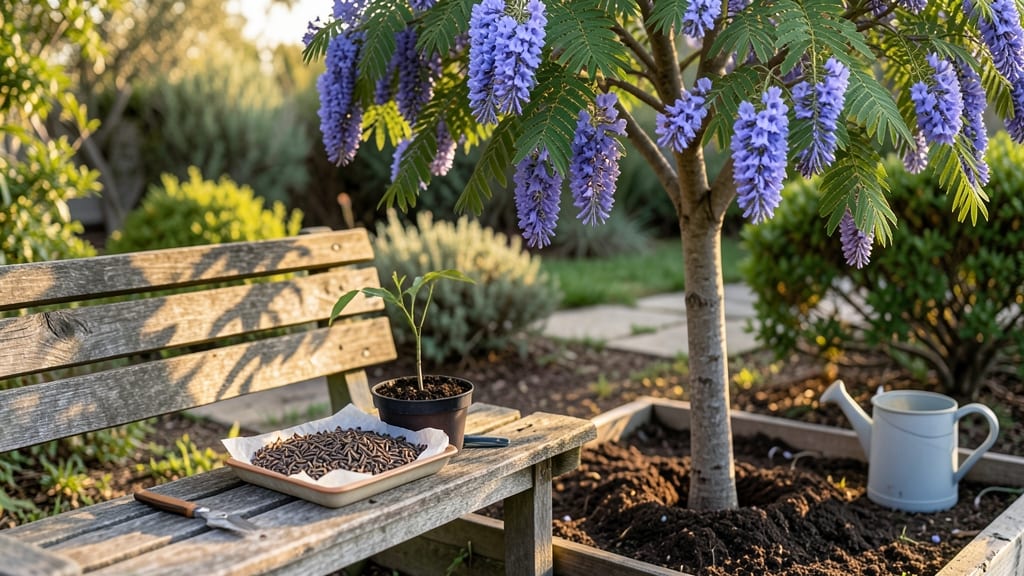
Growing jacaranda trees from seeds isn’t just possible—it’s a rewarding challenge that starts with the right approach. 🌱 The key to fast sprouting lies in fresh seeds and a little pre-treatment magic that tricks them out of their natural dormancy.
My first batch took three weeks to crack the shell, but with the right method, you can cut that time in half and watch those first pale green leaves unfurl.
You’ll need fresh jacaranda seeds (stored seeds lose viability fast), a warm spot with bright indirect light, and a mix of sphagnum peat and perlite to keep moisture steady without drowning the seeds. The real game-changer?
A quick hot-water scarification—just dip the seeds in boiling water for 90 seconds—to mimic the tropical rains that trigger germination in the wild. It’s simple, but this step alone can double your success rate.
Once sprouted, those delicate seedlings need gentle handling and a humid environment to prevent wilting.
Keep them under grow lights for 14 hours a day until they’re strong enough for outdoor conditions, and expect 6-12 inches of growth in their first season if you keep the soil consistently moist but never soggy. The payoff?
A tree that’ll one day shower your yard with lavender-blue blooms every spring.
Fair warning: jacarandas grow fast, so plan for 10+ feet of height by year three. But the wait is worth it—these trees thrive in USDA zones 9-11, and with patience, you’ll have a living legacy that outshines any nursery-bought sapling. Ready to start?
📚 In This Guide
- What you need
- Instructions
- Tips and common mistakes
- Wrapping up and next steps
What you need
- ● Jacaranda tree seeds: 5–10 fresh, plump seeds (ensure they’re fully mature and dry).
- ● Well-draining potting mix: 1–2 bags (cactus/succulent mix or a blend of perlite, peat, and sand).
- ● Small pots or seed trays: 3–6 (4–6 inches deep with drainage holes).
- ● Spray bottle: For gentle watering.
- ● Plastic wrap or clear lid: To create a humidity dome.
- ○ Heating mat (optional): A small one (70–80°F range) to speed up germination.
- ● Grow lights or sunny windowsill: For 6–8 hours of indirect light daily.
- ● Patience—jacaranda seeds can take weeks to months to sprout!
- ● Consistency in moisture and warmth (avoid soggy soil).
- ● Space for seedlings to grow (they’ll need repotting as they mature).
Step-by-step guide to germinating jacaranda tree seeds
Here's how to break the dormancy barrier and get those slow-germinating seeds sprouting in weeks, not months.
🌱 Step 1: Stratify Seeds to Simulate Winter Conditions
Jacaranda seeds need a cold stratification period to mimic natural winter dormancy. Place them in a plastic bag with a damp paper towel—just enough moisture to keep it damp but not soaking. Seal the bag and refrigerate for 6-8 weeks at 35-40°F. Check weekly to ensure the towel stays moist; if it dries, mist lightly.
This cold treatment tricks the seed into thinking winter has passed, breaking its dormancy. I like to label the bag with the date to track the 6-week minimum. Some seeds may start swelling slightly during this time—that's a good sign. If mold appears, discard the batch and start fresh with new seeds.
🌱 Step 2: Sow in Warm, Sterile Starting Mix
After stratification, fill 4-inch pots with a sterile seed-starting mix (never garden soil—it's too dense). Jacaranda seeds are large and hard, so plant them 1 inch deep—deeper planting delays germination. I use a wooden popsicle stick to make a hole just wide enough for the seed, then drop it in gently. Cover with a light sprinkle of mix to secure it.
Place the pots in a seedling heat mat set to 75-80°F to maintain warmth. Without this, germination can take 6-12 months—or never happen. Water gently from the bottom by placing the pot in 1 inch of warm water for 10 minutes to avoid displacing the seed. Let excess water drain completely before returning to the heat mat.
☀️ Step 3: Provide High Humidity and Indirect Light
Cover the pots with clear plastic wrap to create a humidity dome, but leave a small gap for airflow. Jacaranda seeds need 80-90% humidity to sprout. Place them under a grow light set to 12-14 hours daily—not direct sun yet. The light should be 6 inches above the pots to avoid overheating. You'll see condensation on the plastic; this is normal and ensures the seeds stay hydrated.
Germination can take 4-12 weeks, depending on seed age and stratification success. Watch for the first green shoot—it'll emerge slowly at first, then push through the soil in a burst of energy. If no sprouts appear after 12 weeks, the seeds may have failed; try a fresh batch with longer stratification.
🌿 Step 4: Transplant to Larger Containers When Sprouts Emerge
Once the first true leaves (not the initial seed leaves) appear, carefully transplant each seedling into a 6-inch pot with fresh seed-starting mix. Jacaranda seedlings are delicate—avoid disturbing the roots by sliding the seedling out of its original pot. Use a wooden dowel to loosen the soil around the edges if needed.
Place the new pots under the same grow light but raise it to 12 inches as the seedlings grow. After 4-6 weeks, when the seedlings are 4-6 inches tall, you can introduce them to morning sun for 1-2 hours daily, gradually increasing exposure. Harden off for 2 weeks before moving outdoors—jacarandas hate transplant shock and may drop leaves if rushed.
Tips & tricks for perfect jacaranda seed germination
Here's what I learned after struggling with stubborn jacaranda seeds—these tricks cut germination time in half.
Stratification Precision: The 6-8 week cold period at 35-40°F is non-negotiable, but I've found wrapping the sealed bag in a second plastic bag creates a more stable moisture environment. This prevents the paper towel from drying out between weekly checks. For extra insurance, place a small dish of water in the fridge near your seed bags—humidity helps too. The key is maintaining that delicate balance between damp and soggy during those critical weeks.
Sowing Technique: When planting those 1-inch-deep jacaranda seeds, use a wooden popsicle stick to make the hole—it creates the perfect snug fit without crushing the seed. After placing the seed, gently press the surrounding soil with your finger to eliminate air pockets. This small step makes all the difference in preventing the seed from shifting during germination. I've seen seeds pop up right through the soil surface when planted too loosely.
Heat Mat Hack: The 75-80°F heat mat requirement is essential, but I've discovered placing a small fan on low circulation near the pots helps prevent overheating. Jacaranda seeds are sensitive to temperature spikes, and even a few degrees above 80°F can delay germination. Monitor the soil surface—it should feel warm to the touch but not hot. This subtle adjustment has helped me avoid the dreaded "no sprouts after 12 weeks" scenario.
Light Positioning: That 6-inch distance from grow lights is crucial, but I've found using a simple ruler to measure and mark the height on the light stand prevents accidental adjustments. The light should be positioned so it's just above the plastic wrap's highest point—this ensures even light distribution across all pots. I've seen uneven growth when lights are too close to some pots but not others, creating lopsided seedlings.
Pro Tips for Jacaranda Tree Seeds
- Here's what I learned after struggling with stubborn jacaranda seeds—these tricks cut germination time in half.
- Stratification Precision: The 6-8 week cold period at 35-40°F is non-negotiable, but I've found wrapping the sealed bag in a second plastic bag creates a more stable moisture environment.
- Sowing Technique: When planting those 1-inch-deep jacaranda seeds, use a wooden popsicle stick to make the hole—it creates the perfect snug fit without crushing the seed.
Frequently asked questions
How long do jacaranda seeds take to germinate?
Patience is key! Jacaranda seeds typically sprout in 4–12 weeks, depending on temperature and moisture. Keep them warm (70–80°F) and consistently damp—germination speeds up in ideal conditions. If nothing happens after 3 months, they may need scarification or fresh soil.
Can I plant jacaranda seeds straight from the tree?
Yes, but with a twist! Fresh seeds germinate best when scarified (lightly sanded or soaked in warm water for 24 hours) to break dormancy. If they’re dry, soak them first—this mimics natural rain triggers. Pro tip: Store seeds in a cool, dry place if planting later!
What’s the best soil mix for jacaranda seed germination?
Light, airy, and slightly acidic soil is ideal. Mix 50% peat moss or coconut coir with 50% perlite or sand to prevent rot. Avoid heavy garden soil—jacarandas hate soggy roots! A small pot with drainage holes works best for starting seeds indoors.
Why aren’t my jacaranda seeds sprouting?
Troubleshoot with this checklist:
Too cold? Move to a warmer spot (jacarandas love heat!).
Too wet/dry? Keep soil moist but not soggy—misting daily helps.
Old seeds? Jacaranda seeds lose viability after 1–2 years. Test a few with scarification.
Pests? Check for mold or fungus—use a fungicide if needed.
Can I grow jacarandas from cuttings instead of seeds?
While seeds take time, semi-hardwood cuttings (6–8 inches long) root faster in summer. Dip the base in rooting hormone, plant in perlite/peat mix, and keep humid with a plastic bag. Cuttings sprout in 4–8 weeks—perfect for impatient gardeners!
Wrapping up and next steps
Growing jacaranda tree seeds can be a rewarding adventure—with the right techniques, you’ll soon see those vibrant purple blooms gracing your garden! 🌱 Remember, patience, consistency, and proper care are key to fast sprouting success.
Whether you’re a seasoned gardener or just starting out, your efforts will pay off in stunning results.
Ready to take the next step? Grab those seeds, set up your germination station, and watch your jacaranda journey begin! Happy planting! 🌿