Propagation
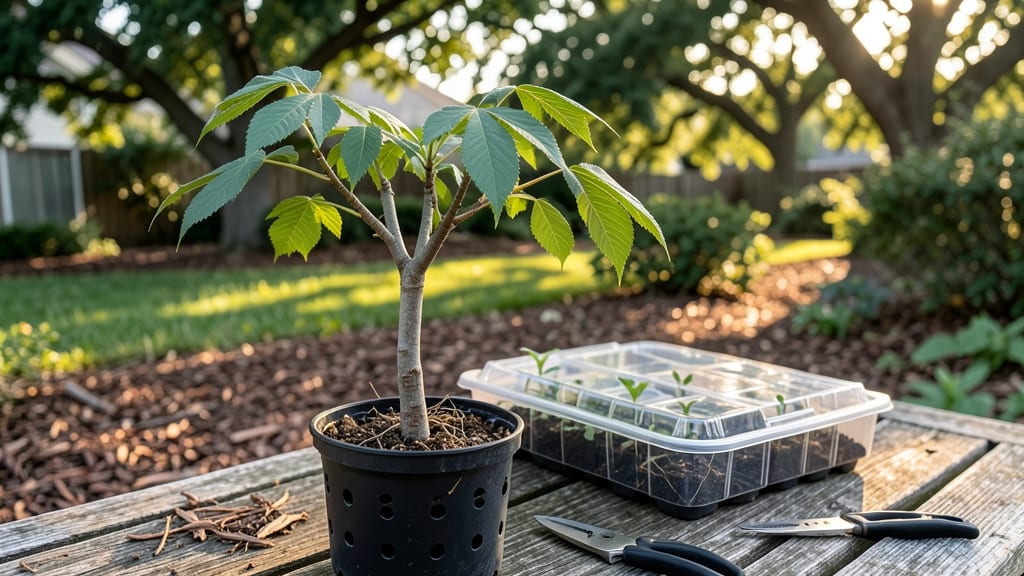
Growing a pecan tree from seed is one of the most rewarding long-term projects in gardening—if you're willing to wait. 🌱 The key to success lies in understanding pecan seeds' unique germination quirks, which can take months (even years) to crack.
My first attempt failed because I rushed the stratification process, but after three seasons of trial and error, I finally got those first green shoots.
The secret starts with fresh, properly stored seeds and a 90-day cold stratification period that mimics winter conditions. You'll need a mix of sand and peat moss, a warm spot for initial soaking, and a patient mindset—these aren't fast-growing houseplants.
Once you hit that germination tipping point, you'll see roots emerge within 4-8 weeks, but don't expect a tree overnight.
What you'll end up with is a hardy sapling that eventually grows into a majestic shade tree with delicious nuts—though it takes 10-15 years before it bears its first harvest.
The early years focus on protecting your young tree from pests like pecan weevils and diseases such as scab, while ensuring it gets full sun and well-draining soil.
This method works best in USDA zones 6-9, where pecan trees thrive naturally. For colder climates, start seeds indoors in late winter and transplant carefully. The payoff? A tree that outlives you, with nuts you'll never find in stores. Let's get those seeds started right.
📚 In This Guide
- What you need
- Instructions
- Tips and common mistakes
- Wrapping up and next steps
What you need
- ● Fresh pecan seeds: Use only fresh, raw pecans (not roasted or salted). Aim for 3–5 seeds to increase your chances of germination.
- ● Well-draining potting mix: A blend of 50% peat moss, 30% perlite, and 20% coarse sand works best. Avoid garden soil—it retains too much moisture.
- ● Small pots or seed trays: Use 3–4 inch diameter pots (one per seed) or a seed tray with drainage holes. 6–12 total if starting multiple seeds.
- ● Drainage trays or saucers: To catch excess water and prevent root rot.
- ● Spray bottle: For gentle watering during germination.
- ● Plastic wrap or humidity dome: To maintain moisture and warmth while seeds sprout.
- ● Pruners or sharp scissors: For trimming seeds or pots if needed.
- ○ pH testing kit: Optional but helpful—pecans prefer a slightly acidic soil (pH 6.0–7.0).
- ● Grow lights or sunny windowsill: Seedlings need bright, indirect light (10–12 hours/day) once sprouted.
- ● Fertilizer (balanced, low-nitrogen): Like a 5-5-5 or 10-10-10 formula, diluted to half-strength for young seedlings.
- ○ Thermometer: Optional but useful—ideal germination temps are 70–85°F (21–29°C).
Step-by-step guide to growing pecan trees from seed
Here's how to coax those stubborn pecan seeds into sturdy saplings—my foolproof method for patient growers.
🌱 Step 1: Stratify Seeds for Germination Success
Pecan seeds need a cold stratification period to break dormancy. Place the seeds in a paper towel and dampen it with lukewarm water until evenly moist but not soggy. Fold the towel to wrap the seeds completely, then place them in a resealable plastic bag. Store the bag in your refrigerator's crispier drawer (around 35-40°F) for 90-120 days.
Check the seeds every 2-3 weeks—if the towel dries out, mist it lightly with water. You'll know stratification worked when the seed coat splits open slightly or tiny roots appear. This cold treatment mimics winter conditions and tricks the seed into thinking spring has arrived. Real talk: Skipping this step means waiting years, if ever, for germination.
💧 Step 2: Plant Stratified Seeds in Moist Growing Medium
Fill a 4-inch deep container with a mix of 50% sterile potting soil and 50% perlite (this ensures excellent drainage). Moisten the mix until it feels like a wrung-out sponge—damp but not dripping. Plant each seed 1 inch deep, spacing them 2 inches apart if using multiple containers. Gently press the soil around the seeds to eliminate air pockets.
Place the container in a warm, bright location (around 70-75°F) where it gets indirect light. A seedling heat mat speeds germination by keeping soil temps consistent. Water lightly from the bottom by placing the container in ½ inch of water for 10 minutes, then drain. Bottom-watering prevents seed rot while keeping moisture even.
☀️ Step 3: Provide Consistent Warmth and Light
Once sprouts appear (usually 4-8 weeks after planting), move them to a south-facing window or under grow lights for 14-16 hours daily. Pecan seedlings need bright, indirect light to prevent leggy growth. If using grow lights, position them 4-6 inches above the plants and adjust as they grow. You'll see strong, compact seedlings with deep green leaves—not the pale, stretched stems that signal light deficiency.
Keep the soil evenly moist but never soggy. Stick your finger 1 inch deep—if it feels dry, water lightly. Overwatering at this stage causes root rot, which kills seedlings before they develop roots. A spray bottle works best for gentle hydration without disturbing tender sprouts.
🪴 Step 4: Transplant to Larger Containers
When seedlings reach 6-8 inches tall (usually 3-4 months after germination), transplant them into 5-gallon containers filled with well-draining potting mix. Handle the seedlings carefully by their leaves—never grip the fragile stems. Dig a hole twice as wide as the root ball and 1 inch deeper than the original planting depth to encourage root expansion.
After transplanting, water deeply to settle the soil and place the containers in partial shade for 1 week to reduce transplant shock. Gradually introduce them to full sun over 2 weeks. Pecan trees need full sun to thrive, but young saplings appreciate a slow transition. You'll know they're adapting when new growth appears within 2-3 weeks—that's your sign they're happily established.
Tips & tricks for perfect pecan tree germination
Patience and precision are your best tools when growing pecan trees from seed—here's how to optimize each critical step for success.
Stratification Precision: The 90-120 day cold stratification at 35-40°F is non-negotiable for pecan seeds. I've found that placing the bag on a shelf near the back of the fridge (where temps stay most consistent) gives the most reliable results. If your fridge runs warmer, consider using a dedicated seed stratification fridge or even a DIY setup with a cooler and ice packs to maintain that precise temperature range. The key is consistency—fluctuations can break dormancy unevenly or prevent it entirely.
Moisture Management: During the 10-minute bottom-watering in Step 2, resist the urge to over-soak the container. The goal is to moisten the soil evenly without creating waterlogged conditions. I use a clear container so I can visually confirm the water level reaches just halfway up the sides—this ensures thorough saturation without drowning the seeds. After draining, gently shake the container to distribute moisture evenly before planting.
Light Transition Strategy: When moving seedlings to full sun after transplanting, I recommend a gradual 2-week acclimation period rather than sudden exposure. Start with 2 hours of morning sun and gradually increase by 30 minutes daily. This mimics natural shade progression and prevents sunburn on tender new leaves. Watch for slight leaf curling—this is normal and indicates the plant is adjusting to increased light intensity.
Container Upgrade Timing: The 3-4 month window for transplanting to 5-gallon containers is ideal, but don't wait until the last possible moment. I've seen seedlings that became root-bound in their initial containers develop stunted growth that's difficult to recover from. When you notice roots circling the bottom or emerging from drainage holes, that's your signal to upgrade—even if they're not quite 6-8 inches tall yet.
Pro Tips for Pecan Tree From Seed
- Patience and precision are your best tools when growing pecan trees from seed—here's how to optimize each critical step for success.
- Stratification Precision: The 90-120 day cold stratification at 35-40°F is non-negotiable for pecan seeds.
- Moisture Management: During the 10-minute bottom-watering in Step 2, resist the urge to over-soak the container.
Frequently asked questions
Got questions about growing a pecan tree from seed? You’re not alone! Here are some of the most common queries—and their answers—to help you succeed.
How long does it take for a pecan seed to germinate?
A pecan seed typically takes anywhere from 30 to 90 days to germinate, depending on temperature, moisture, and seed viability. Cold stratification (mimicking winter) speeds this up—aim for 60–80 days with proper chilling. Patience is key, but don’t worry if sprouts take longer!
Do I need to cold-stratify pecan seeds before planting?
Yes! Pecan seeds require cold stratification (40–50°F for 60–90 days) to break dormancy. Skip this step, and germination rates plummet. Place seeds in a damp paper towel in the fridge, or plant them outdoors in fall for natural stratification. Your future tree will thank you!
Will a pecan tree grown from seed produce nuts like the parent tree?
Probably not! Seed-grown trees may take 10–15 years to bear nuts—and they won’t match the parent’s quality or yield. For consistent harvests, graft a named cultivar onto a seedling rootstock. If you’re experimenting, enjoy the journey (and the shade) first!
What should I do if my pecan seed sprouts rot or mold?
Rotting or mold usually means too much moisture or poor drainage. If you spot fuzzy growth or foul smells, remove the seed, trim any damaged roots, and replant in fresh, sterile potting mix. Keep humidity in check—sprouts need moisture, not sogginess!
Can I grow a pecan tree indoors until it’s big enough to plant outside?
Yes, but it’s tricky! Pecan trees grow fast and need lots of light and space. Start seeds indoors under grow lights, then transplant to a large pot (5+ gallons) outdoors during warm months. By year 2, it’ll be ready for permanent planting—just be ready for rapid growth!
Wrapping up and next steps
Growing a pecan tree from seed is a rewarding journey that combines patience, care, and a touch of nature’s magic. 🌱 While it takes time—often years—to see those coveted nuts—every step, from scarification to nurturing young saplings, builds your green-thumb skills. Celebrate your progress! Once your tree is thriving, consider transplanting it to a sunny spot in your yard or sharing cuttings with fellow gardening enthusiasts.
Ready to take the next step? Start small:
- Research local climate zones to ensure your pecan tree’s long-term success.
- Join gardening forums or local groups for tips and troubleshooting.
- Explore advanced techniques like grafting for faster, more reliable results.