
Pruning
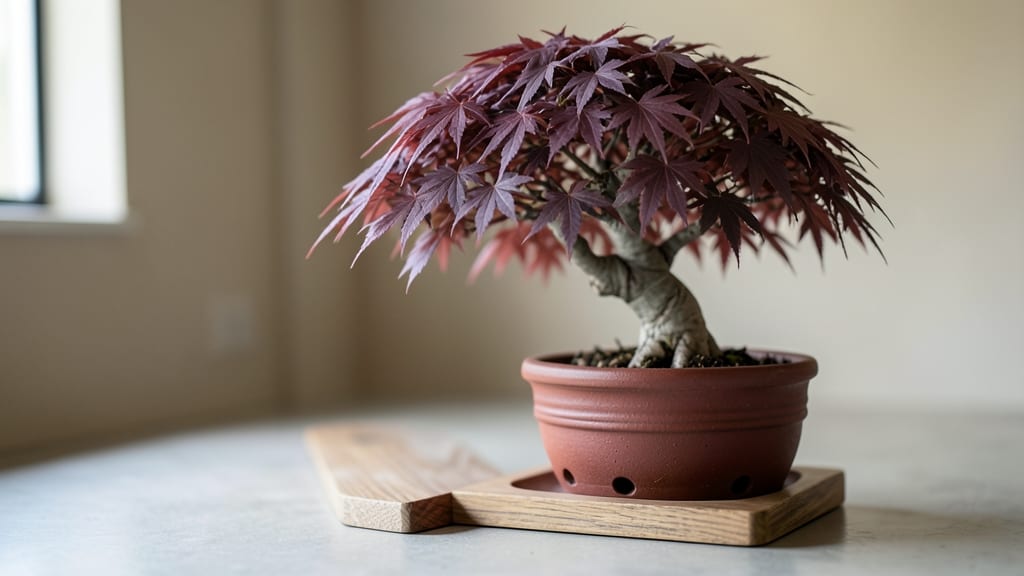
Growing an indoor maple tree like Acer palmatum or Acer buergerianum brings the forest indoors—those delicate, palmate leaves and graceful branches transform any room into a sunlit sanctuary. I’ve nurtured mine for years, and the secret isn’t complicated: it’s about light, patience, and mimicking the tree’s natural habitat.
Too little light? The leaves lose their vibrant green. Too much? They crisp at the edges. But get it right, and you’ll watch it grow taller than you in just a few seasons.
The key supplies are simple: a 10-15 gallon pot with drainage, well-draining potting mix, and a spray bottle for humidity. Maple trees thrive in bright, indirect light—think east or west-facing windows—but they’ll tolerate lower light if you rotate the pot weekly.
Water when the top inch of soil feels dry, and wipe the leaves occasionally to keep dust from blocking sunlight. My tree’s first major growth spurt came after I added a pebble tray under its pot to boost humidity, a game-changer for indoor air.
By summer, your maple’s leaves will be a rich, velvety green, and with careful pruning, you can shape it into a stunning focal point. The branches grow slowly but steadily, so a little trim now keeps it manageable.
Watch for spider mites—those tiny pests love dry air—and treat them early with a gentle soap spray. With the right care, your indoor maple will reward you with years of lush, sunlit beauty, even in the darkest winter months.
Works for any indoor space, from cozy apartments to sunlit living rooms. The first year is about establishing roots and finding the right balance—after that, it’s all growth. Let’s get your maple thriving!
📚 In This Guide
- What you need
- Instructions
- Tips and common mistakes
- Wrapping up and next steps
What you need
- ● Indoor Maple Tree Seedling: Choose a healthy Norway maple (Acer platanoides), Japanese maple (Acer palmatum), or Red Maple (Acer rubrum)—dwarf varieties work best for indoor spaces.
- ● Pot: A well-draining container (12–18 inches deep) with drainage holes. Terracotta or ceramic pots are ideal.
- ● High-Quality Potting Mix: A blend of 60% peat moss or coconut coir, 20% perlite or pumice, and 20% compost for aeration and moisture retention.
- ● Pruning Shears: Sharp, clean bypass pruners (size 6–8 inches) for trimming branches and shaping.
- ○ Rooting Hormone (Optional): A gel or powder to encourage root growth if propagating from cuttings.
- ● Misting Bottle or Sprayer: For maintaining humidity, especially in dry indoor climates.
- ● Fertilizer: A balanced, water-soluble fertilizer (10-10-10 or 20-20-20) or slow-release granular fertilizer.
- ● Grow Lights: LED or fluorescent grow lights (12–16 hours/day) if natural light is insufficient.
- ● Humidity Tray: A pebble tray with water to boost moisture levels.
- ● Support Stakes or Trellis: For young trees needing structural support.
- ● Soil Moisture Meter: To monitor watering needs without over-saturating the roots.
- ○ Pruning Sealer (Optional):strong> For sealing larger cuts to prevent disease.
Step-by-Step instructions for cultivating an indoor maple tree
Here's how to nurture your maple tree into a thriving, sunlit centerpiece that lasts for years.
🌱 Step 1: Select and Prepare the Right Container
Choose a 12-14 inch diameter pot with drainage holes—maple trees hate soggy roots. I recommend a glazed ceramic container because it retains moisture while allowing airflow. Fill the bottom 2 inches with orchid bark mix to improve drainage and prevent compaction.
Next, add a 2-inch layer of high-quality potting mix designed for indoor trees. Press it down lightly with your fingers—you want it loose but settled so the roots have room to grow without floating. The key here is not to overpack the soil; maples develop shallow but widespread roots, and dense soil restricts their spread.
☀️ Step 2: Position for Optimal Light Exposure
Maple trees thrive in bright, indirect light—think east or west-facing windows where they get 4-6 hours of morning or afternoon sun. If your space only has north light, supplement with a grow light placed 12-18 inches away for 12-14 hours daily. Avoid harsh midday sun, which can scorch delicate leaves.
Here's the thing—maples will lean toward the light if it's uneven. Rotate the pot a quarter turn every 2 weeks so the tree grows straight and full. You'll notice the leaves adjusting their angle toward the light source within a few days of rotation. This small habit prevents that lopsided, sad look many indoor trees develop.
💧 Step 3: Establish a Consistent Watering Routine
Water your maple tree when the top 2 inches of soil feel dry to the touch. Stick your finger in—if it comes out clean, it's time. I like to water deeply until water runs out the drainage holes, then empty the saucer 10 minutes later to prevent root rot. Overwatering is the #1 killer of indoor maples, so never let the plant sit in standing water.
In winter, when indoor air is dry, you might water every 7-10 days. But if you notice the leaves curling or dropping, that's your cue to check the soil moisture immediately. A humidity tray with pebbles and water beneath the pot helps maintain consistent moisture without drowning the roots.
🌿 Step 4: Fertilize and Prune for Healthy Growth
Feed your maple tree every 4-6 weeks during spring and summer with a balanced liquid fertilizer (10-10-10 ratio). Dilute it to half-strength to avoid burning tender roots. I skip fertilizing in fall and winter unless the tree looks particularly stressed. Always water the tree before applying fertilizer to prevent root burn.
Prune in late winter or early spring before new growth begins. Use clean, sharp pruners to trim back any leggy branches or dead growth. Cut just above a leaf node at a 45-degree angle to encourage new shoots. Don't remove more than 25% of the foliage at once—maples are resilient but can shock easily.
⏰ Step 5: Monitor and Adjust for Year-Round Care
Check your tree weekly for pests like spider mites or aphids. Wipe leaves gently with a damp microfiber cloth to remove dust and allow better light absorption. If you spot pests, treat with neem oil (mixed as directed) and isolate the tree for 48 hours to prevent spreading.
Every 2-3 years, repot your maple into a container 2-3 inches larger in diameter. This gives the roots room to expand without becoming root-bound. Spring is the best time—right before the growing season kicks in. After repotting, hold off on fertilizing for 4-6 weeks while the tree adjusts to its new home.
Tips & tricks for perfect indoor maple tree growth
A few simple adjustments can transform your indoor maple tree from a struggling specimen into a vibrant, year-round centerpiece. Here's what I've learned after years of nurturing these delicate beauties.
Container Depth Matters: In Step 1, when selecting your 12-14 inch pot, pay special attention to depth. Maple trees develop extensive shallow root systems, so choose a container that's at least 12 inches deep. Shallow pots restrict root growth and lead to stunted trees. I've seen maples in decorative bowls with no drainage—big mistake! The orchid bark mix at the bottom creates that crucial air pocket roots need to breathe.
Light Rotation Strategy: The quarter-turn rotation every 2 weeks in Step 2 works wonders, but here's the secret: do it at the same time each time. I rotate mine right after my morning coffee—consistency matters. You'll notice within weeks how the leaves adjust their angle toward the light source. This prevents that classic "one-sided" look while ensuring even growth all around the tree.
Winter Watering Adjustment: During winter months when indoor air is dry, I've found that adding a pebble tray with water beneath the pot creates a microclimate that helps maintain consistent moisture. The key is to keep the pot elevated so the bottom doesn't sit in water—just enough humidity to prevent leaf curling. This simple trick has saved me from losing multiple maples to winter stress.
Pruning Precision: When pruning in late winter, focus on removing branches that are growing inward or crossing each other. These are the ones that create weak points and potential pest entryways. I make my cuts just above a leaf node at a 45-degree angle using clean pruners—this encourages new growth while maintaining the tree's natural shape. Never remove more than 25% of the foliage at once, or you'll shock the tree.
Pro Tips for Indoor Maple Tree
- A few simple adjustments can transform your indoor maple tree from a struggling specimen into a vibrant, year-round centerpiece.
- Container Depth Matters: In Step 1, when selecting your 12-14 inch pot, pay special attention to depth.
- Light Rotation Strategy: The quarter-turn rotation every 2 weeks in Step 2 works wonders, but here's the secret: do it at the same time each time.
Frequently asked questions
Got questions about keeping your indoor maple tree thriving?
Here are answers to the most common concerns—from pruning to sunlight and beyond.
How often should I prune my indoor maple tree?
Prune your indoor maple tree lightly every 2–3 months to maintain shape and encourage bushier growth. Focus on removing dead, yellowing, or overcrowded branches. Avoid heavy pruning—maples produce sap, and excessive trimming can stress the tree. Use clean, sharp pruners to prevent disease.
Why are the leaves on my indoor maple tree turning yellow?
Yellowing leaves (a condition called chlorosis) often signal overwatering, underwatering, or nutrient deficiencies. Check the soil—it should be slightly moist but not soggy. Yellow edges may mean low humidity; mist leaves or use a pebble tray. Brown spots? Too much direct sunlight or fluoride in tap water (try filtered water).
Can I keep an indoor maple tree in low-light conditions?
Most indoor maples (like Norway maple or Japanese maple) thrive in bright, indirect light. Low light leads to leggy growth and sparse leaves. If natural light is limited, supplement with a grow light 12–14 hours daily. Rotate the tree weekly for even exposure to prevent lopsided growth.
What’s the ideal temperature range for an indoor maple tree?
Indoor maples prefer moderate temperatures between 60–75°F (15–24°C). Avoid drafts (like AC vents or heaters) and sudden temperature swings. Below 50°F (10°C), growth slows; above 80°F (27°C), leaves may scorch. Place it away from windows in winter to protect from cold drafts.
Are there low-maintenance alternatives to indoor maple trees?
If maples feel high-maintenance, consider these hardy houseplants:
- Rubber Plant (Ficus elastica) : Tolerates low light, grows tall, and needs minimal pruning.
- Fiddle-Leaf Fig (Ficus lyrata) : Dramatic leaves, but forgiving with consistent care.
- Snake Plant (Sansevieria) : Nearly indestructible—thrives in neglect!
- ZZ Plant (Zamioculcas zamiifolia) : Survives drought and low light effortlessly.
Wrapping up and next steps
Growing an indoor maple tree is a rewarding journey that brings nature’s beauty into your home year-round! With the right care—like proper pruning, lighting, and attention to pests—you’ll enjoy vibrant foliage and a touch of serenity.
Remember, consistency is key, and even small adjustments can make a big difference over time.
Ready to nurture your green companion further? Start by observing your tree’s growth patterns and fine-tuning your routine—whether it’s adjusting pruning techniques or troubleshooting leaf issues. Your dedication will keep that sunlit glow thriving! 🌿✨