
Pruning
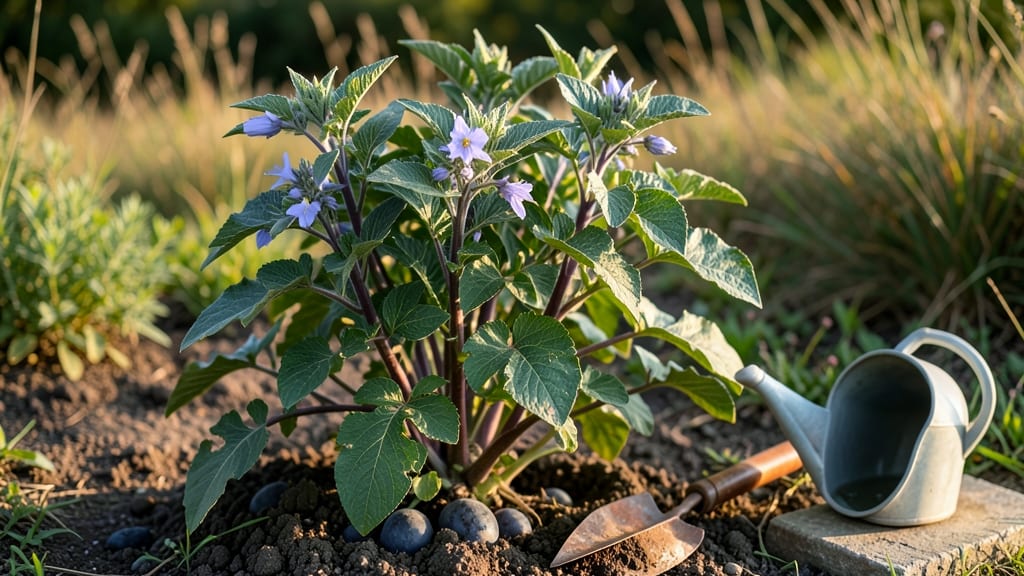
The blue potato bush tree (Solanum rantonnetii) is the Pacific Northwest’s secret weapon for year-round color—its striking blue-purple blooms and glossy foliage outshine any summer annual. I’ve grown mine for five years, and it’s become the star of my shady garden corner, thriving where nothing else will.
The key? Mimicking its native habitat with just the right balance of moisture, light, and a little winter protection.
This tough little tree handles everything from drought to urban pollution, making it perfect for containers or tricky spots in your yard. Start with well-draining soil—it hates soggy roots—and give it morning sun or dappled shade.
Feed it lightly in spring with balanced fertilizer, and you’ll be rewarded with blooms from early summer through frost. The real magic happens when you prune it back after flowering to keep it compact and bushy.
By mid-summer, you’ll have a lush, flowering canopy that hums with bees and attracts hummingbirds—no deadheading required. The foliage stays vibrant even in winter, and with a little winter mulch, it’ll bounce back stronger each spring.
It’s the kind of plant that makes neighbors stop and ask, “What’s that?”—and then want one for themselves.
Whether you’re growing it in a 15-gallon pot or planting it directly in the ground, this tree delivers drama with minimal fuss. Here’s how to keep yours looking its best through every season.
📚 In This Guide
- What you need
- Instructions
- Tips and common mistakes
- Wrapping up and next steps
What you need
- ○ Pruning shears: Bypass pruners (sharp, 6–8" blades) for clean cuts on small branches. Optional: Loppers (for thicker branches, 12–18") or a pruning saw (for stubborn wood).
- ● Gloves: Heavy-duty, cut-resistant gloves (size medium/large) to protect hands from thorns and sap.
- ● Disinfectant: 70% isopropyl alcohol or rubbing alcohol (small bottle) to sterilize tools between cuts and prevent disease.
- ○ Pruning sealant: Tree wound pruning paste (1 small tube) to seal larger cuts (optional but recommended for wet climates).
- ● Ladder or step stool: Sturdy, non-slip (6–8 ft tall) for reaching higher branches. Pro tip: Use a harness if pruning very tall trees!
- ● Trash bags or bucket: Heavy-duty contractor bags (2–3) for collecting pruned branches and debris.
- ● Work clothes: Long sleeves/pants (to avoid scratches) and closed-toe shoes.
- ● Timing: Prune in late winter/early spring (before new growth) or summer (after flowering). Avoid pruning in fall/winter in rainy PNW climates.
- ● Weather check: Choose a dry, overcast day (humidity <60%) to reduce sap bleeding and disease risk.
- ● Tree health: Inspect the tree for dead, diseased, or crossing branches before starting. Note: Blue Potato Bush Trees are drought-tolerant but thrive with well-draining soil.
- ● Safety first: Ensure the tree is stable and free of pests (like aphids) before pruning.
- ● Extension pole: For high branches (10–15 ft reach).
- ● Marking spray: White paint to mark cuts for complex pruning.
- ● Mulch: Wood chips (3–4 inches) to replenish soil after pruning.
Step-by-Step guide to growing a thriving blue potato bush tree
Here's how to cultivate this Pacific Northwest standout with minimal fuss.
🌱 Step 1: Select the Perfect Planting Site
Choose a location that receives at least 6 hours of sunlight daily—though this tree tolerates partial shade better than most. In the Pacific Northwest, a spot with morning sun and afternoon shade works beautifully. The tree thrives in well-draining soil with a slightly acidic to neutral pH (6.0-7.0).
Dig a hole twice as wide as the root ball but only as deep. Loosen the sides of the hole to encourage root spread. If your soil is heavy clay, mix in 2-3 inches of compost to improve drainage. The tree’s vibrant foliage will signal when it’s happy—deep blue-green leaves mean ideal conditions.
🪴 Step 2: Plant with Care for Long-Term Stability
Remove the tree from its container and gently tease the roots if they’re circling. Position it in the hole so the top of the root ball sits 1 inch above ground level—this prevents waterlogging and rot. Backfill with native soil, pressing lightly to eliminate air pockets but avoiding compaction.
Water deeply right after planting to settle the soil and encourage root contact. Use 1-2 gallons of water for each tree, letting it soak in gradually. Avoid mulching too close to the trunk—keep it 3-4 inches away to prevent moisture buildup. The tree’s slow, steady growth means you won’t need to fertilize for the first year.
☀️ Step 3: Maintain Year-Round with Minimal Effort
Water once a week during the first growing season, increasing to twice a week in summer if rainfall is scarce. The tree’s drought tolerance kicks in after the first year, but consistent moisture ensures vibrant foliage. Check soil moisture by sticking your finger 2 inches deep—water when it feels dry.
Prune lightly in late winter or early spring to shape the tree and remove any dead or crossing branches. This tree doesn’t need heavy pruning, but occasional trimming keeps it looking tidy. The Pacific Northwest’s mild winters mean you can leave the tree outdoors year-round—no need for winter protection.
✂️ Step 4: Enjoy Year-Round Canopy and Seasonal Interest
The blue potato bush tree’s glossy, blue-green leaves provide year-round interest, while its small white flowers in summer attract pollinators. In fall, the foliage deepens in color, offering a striking contrast to other plants. Its compact, tree-like form makes it ideal for small gardens or as a focal point in larger landscapes.
To encourage bushier growth, pinch back new growth in early spring by one-third. This promotes branching and a fuller canopy. The tree’s slow growth means it won’t outgrow its space quickly—ideal for Pacific Northwest gardens where space is often limited.
Tips & tricks for perfect blue potato bush tree cultivation
Between us, these little details make all the difference when growing your Pacific Northwest blue beauty.
Soil Prep Secret: Before planting, test your soil’s pH using a simple kit from your garden center. If it’s below 6.0, mix in 1/4 cup of lime per square foot of planting area and let it sit for 2-3 weeks. The tree’s vibrant blue-green leaves will thank you—this pH range is non-negotiable for that signature color. The 2-3 inches of compost mentioned in Step 1 works wonders for clay soil, but for sandy soil, add 1/2 cup of peat moss instead to improve moisture retention.
Planting Depth Trick: That 1 inch above ground level positioning in Step 2 isn’t just about drainage—it’s also about preventing crown rot. I learned this the hard way after burying one too deep, which led to yellowing leaves within weeks. Use a level to check depth before backfilling. For container-grown trees, the soil line from the pot is your perfect reference point.
Watering Wisdom: The 1-2 gallons per tree right after planting should soak down to 6 inches deep. Use a trowel to check—if the soil 6 inches down is still dry, add more water. For the once weekly maintenance watering, split it into two sessions: 1 gallon in the morning and 1 gallon in the evening. This mimics natural rainfall patterns and prevents deep root stress.
Pruning Pro Tip: When you pinch back new growth by one-third in Step 4, focus on the top 3-4 inches of the main stems. This encourages branching from the lower buds, creating that lush, bushy form. I always do this in early April when new growth is about 2 inches tall—any later and you’ll be pruning already hardened wood. Use clean, sharp pruners to avoid tearing the bark.
Pro Tips for Blue Potato Bush Tree
- Between us, these little details make all the difference when growing your Pacific Northwest blue beauty.
- Soil Prep Secret: Before planting, test your soil’s pH using a simple kit from your garden center.
- Planting Depth Trick: That 1 inch above ground level positioning in Step 2 isn’t just about drainage—it’s also about preventing crown rot.
Frequently asked questions
How fast does a blue potato bush tree grow, and when will it reach full size?
A healthy blue potato bush tree grows 12–24 inches per year, depending on soil, sunlight, and care. In the PNW’s mild climate, it typically reaches 6–10 feet tall in 3–5 years. Prune strategically in early spring to encourage bushier growth and maintain its iconic rounded shape. Pro tip: Mulch with compost to boost root health and speed up maturation!
Does a blue potato bush tree survive PNW winters, and how do I protect it?
Yes! This hardy shrub tolerates USDA Zones 7–10, meaning it’s well-suited for the PNW’s wet, cool winters. However, young plants (under 2 years old) may need extra care. Wrap the base in burlap or use mulch (4–6 inches deep) to insulate roots. Avoid heavy pruning in late fall—wait until early spring to shape it.
When and how should I prune my blue potato bush tree for maximum blooms?
Prune twice a year for best results:
- Late winter/early spring (Feb–March): Remove dead or crossing branches to improve airflow. Cut back 1/3 of the oldest stems to encourage new growth.
- Right after blooming (June–July): Lightly trim to shape the canopy and promote fuller foliage. Avoid heavy cuts—this shrub blooms on old wood!
Can I grow a blue potato bush tree in a container, and what size pot do I need?
This shrub adapts well to containers, making it perfect for patios or small yards. Use a 15–20 gallon pot with drainage holes and a well-draining potting mix (add perlite or sand for PNW’s clay-heavy soil). Repot every 2–3 years to refresh nutrients. Note: Container-grown trees may need winter protection (move to a sheltered spot or use a frost cloth).
Why are the leaves on my blue potato bush tree turning yellow or brown?
Yellowing leaves often signal overwatering or nutrient deficiencies, while brown edges can mean underwatering or salt buildup (from tap water). Check these fixes:
- Ensure soil is moist but not soggy—PNW’s rainy climate can lead to root rot!
- Fertilize in early spring with a balanced 10-10-10 formula.
- Flush the soil with rainwater (not tap) to reduce salt buildup.
Wrapping up and next steps
The blue potato bush tree is a stunning, low-maintenance addition to your Pacific Northwest garden, offering year-round interest with its striking foliage and vibrant blooms. By mastering pruning techniques—like light shaping in late winter and deadheading for continuous flowers—you’ll keep it thriving for decades.
With the right tools and care, this canopy masterpiece becomes a showstopper that rewards both effort and patience.
Ready to transform your outdoor space? Start small—pick one bush to practice pruning this season, and soon, your garden will be buzzing with blue-green beauty! 🌿✨