
Pruning
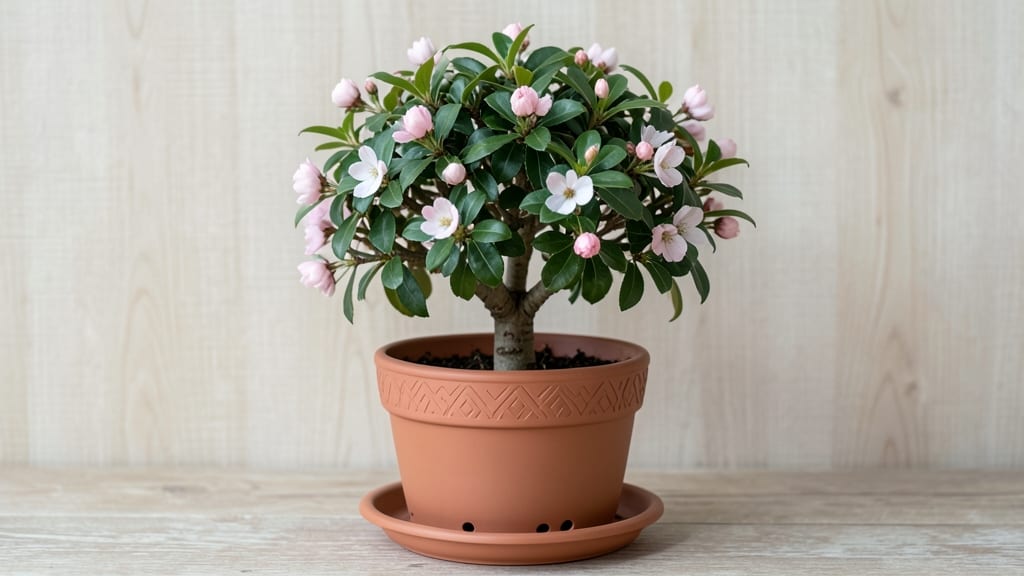
Growing an indoor cherry tree isn't just a dream—it's a reality with the right dwarf variety and care. 🌱 I’ve watched my own miniature cherry blossom into a productive little tree, producing tiny but edible cherries right on my kitchen windowsill.
The key? Choosing a compact variety like 'Stella' or 'Shirofugen' and mastering the pruning cuts that keep it healthy and fruitful.
You’ll need bright, indirect light for 6-8 hours daily, well-draining soil, and a 10-15 gallon pot with drainage holes. Water when the top inch of soil feels dry, and prune in late winter to shape the tree and encourage fruit production.
The real magic happens when you time your pruning cuts just right—this keeps the tree from getting leggy and ensures those little cherries actually ripen.
By summer, you’ll see clusters of tiny cherries forming, and with patience, they’ll be ready to pick—though they’re more decorative than a grocery store’s harvest. The real reward? Watching the tree burst into pink blossoms indoors, filling your home with springtime fragrance even in winter.
It’s not just a plant; it’s a living centerpiece that keeps giving.
Works best in zones 5-9 as a houseplant, but even in colder climates, you can overwinter it indoors. The trick is keeping it dormant in winter with less water and light, then bringing it back to life in spring. Ready to start your own indoor orchard?
📚 In This Guide
- What you need
- Instructions
- Tips and common mistakes
- Wrapping up and next steps
What you need
- ● Dwarf cherry tree sapling: Choose a Prunus avium or Prunus cerasus variety (e.g., 'Stella' or 'Balaton')—ensure it’s labeled for container growing.
- ● Large container: A 5-gallon pot (16-18" diameter) with drainage holes (terracotta or fabric pots work best).
- ● High-quality potting mix: A blend of 60% well-draining soil (e.g., cactus/succulent mix) and 40% perlite/pumice for aeration.
- ● Slow-release fertilizer: 10-10-10 or 7-9-5 NPK ratio (1-2 tbsp per planting).
- ● Pruning tools: Bypass pruners (sharp, clean, and sterilized with rubbing alcohol).
- ● Hand pruners (4-6" blades for smaller cuts).
- ● Loppers (for thicker branches, 8-12" reach).
- ○ Grow lights (optional but recommended): Full-spectrum LED (12-16 hours/day) or a south-facing window for natural light.
- ● Self-watering pot: Reduces root rot risk for busy growers.
- ● Humidity tray: A pebble tray with water to maintain 40-60% humidity.
- ● Tree support: A small stake or bamboo pole for young trees.
- ● Organic mulch: Pine bark or coconut coir (1-2" layer) to retain moisture.
- ● Pollination aid: A soft paintbrush to hand-pollinate flowers (if growing sweet cherries).
Step-by-step guide for cultivating an indoor cherry tree
Here's how to coax fruit from your indoor cherry tree—it's all about the light and pruning.
🌱 Step 1: Choose the Right Variety for Indoor Living
Not all cherries thrive indoors. Look for dwarf varieties like 'Stella' or 'Comet'—they stay small enough for containers but still produce fruit. These types grow 6-8 feet tall at maturity, perfect for bright living spaces. Avoid standard-sized trees; they outgrow rooms quickly and struggle with indoor conditions.
Start with a 2-3 year old tree from a specialty nursery. Younger trees have established root systems that adapt better to indoor life. Check the roots—healthy ones should be white or light tan, not dark or mushy. If you're starting from seed, expect to wait 5-7 years for fruit, so nursery-bought is the way to go for indoor results.
☀️ Step 2: Position for Maximum Sunlight
Indoor cherry trees need 6-8 hours of direct sunlight daily. Place yours near a south-facing window where light is most intense. If that's not an option, supplement with a grow light for 14-16 hours per day. I use a full-spectrum LED bulb positioned 12 inches above the tree—too close and it burns leaves, too far and growth slows.
Rotate the tree quarter turn weekly so all sides get even light. You'll notice leaves leaning toward the window? That's your cue to move it closer or add a light. Without enough light, branches grow weak and fruit never sets. Watch for yellowing leaves—this means it's getting too much indirect light or not enough direct rays.
💧 Step 3: Water and Fertilize for Fruit Production
Water when the top 2 inches of soil feel dry—stick your finger in to check. Overwatering is the #1 killer of indoor cherry trees. I use a self-watering pot to keep moisture consistent without soggy roots. When watering, aim for the soil, not the leaves, to prevent fungal diseases that thrive in damp foliage.
Feed every 4-6 weeks with a balanced 10-10-10 fertilizer during growing season (spring-fall). Reduce to monthly in winter when growth slows. The key is consistency—too much fertilizer burns roots, too little means small, sour fruit. You'll know you're doing it right when you see new leaves every 2-3 weeks and branches filling with buds.
✂️ Step 4: Prune for Shape and Fruit Set
Prune twice a year: once in late winter to shape the tree, and again after fruiting to clean up. Use sterilized pruning shears to make 45-degree cuts just above a leaf node. Remove any dead, crossing, or inward-growing branches first—they compete for energy and reduce fruit production.
Thin out 25% of the branches each year to maintain an open center. This ensures air circulates and sunlight reaches inner buds. Here's the thing—indoor cherry trees produce more fruit when they're slightly stressed by pruning. You'll see small, tart cherries first, but with proper thinning, they'll grow sweeter and larger over time.
🍒 Step 5: Encourage Pollination and Fruit Development
Indoor cherry trees need help pollinating. Use a soft paintbrush to transfer pollen between flowers daily during bloom. I do this in the morning when flowers are fresh. If you have multiple trees, bees might visit, but don't count on it indoors. Without this step, flowers drop off without setting fruit.
Once fruit forms, reduce water slightly to concentrate sugars. You'll know it's working when cherries turn from green to their variety's mature color. Harvest when they're fully colored but still slightly firm—they won't ripen further off the tree. Expect 10-20 cherries per tree in ideal conditions, enough for small jams or fresh eating.
Tips & tricks for perfect indoor cherry tree cultivation
Real talk: Growing fruit indoors takes patience, but these tricks will help you avoid the biggest pitfalls.
Lighting Strategy: That 6-8 hours of direct sunlight is non-negotiable—if your windows aren't cutting it, invest in a full-spectrum LED grow light. I've seen trees wither when people assume artificial light is enough. Place the light 12 inches above and keep it on 14-16 hours daily, mimicking summer sunlight. The key is consistency: if you miss even a few hours, buds won't form properly.
Pruning Precision: When you're thinning those 25% of branches each year, focus on removing the oldest growth first. These branches produce smaller fruit and compete with newer wood. Make your cuts at a 45-degree angle just above a leaf node—this prevents water from pooling and causing rot. I always sterilize my pruners with rubbing alcohol between cuts to avoid spreading disease.
Pollination Hack: That daily paintbrush pollination might seem tedious, but it's the difference between fruit and flowers. I keep a small brush by my morning coffee and do 5-10 flowers at a time. For extra insurance, gently shake the tree during bloom—this helps pollen spread naturally. If you notice flowers dropping after a few days, you're not pollinating enough.
Seasonal Adjustments: During winter's shorter days, reduce watering by half and cut fertilizer to monthly. The tree's growth slows naturally, so don't fight it. I've seen people overwater in winter, leading to root rot. Watch for leaf drop—this is normal, but if it's excessive, your tree might be too cold or getting too much water.
Pro Tips for Indoor Cherry Tree
- Real talk: Growing fruit indoors takes patience, but these tricks will help you avoid the biggest pitfalls.
- Lighting Strategy: That 6-8 hours of direct sunlight is non-negotiable—if your windows aren't cutting it, invest in a full-spectrum LED grow light.
- Pruning Precision: When you're thinning those 25% of branches each year, focus on removing the oldest growth first.
Frequently asked questions
Got questions about growing an indoor cherry tree? You’re not alone—many gardeners wonder about care, fruit production, and troubleshooting. Here are answers to the most common queries to help you succeed!
Can an indoor cherry tree actually produce fruit?
Yes! With the right variety (like Prunus avium or Prunus cerasus), proper sunlight (6+ hours daily), and pollination support (hand-pollinate with a soft brush), you can grow sweet-tart cherries indoors. Just expect smaller yields than outdoor trees.
How long does it take for an indoor cherry tree to bear fruit?
Patience is key—most dwarf varieties take 2–5 years to fruit indoors, while standard trees may wait 5–10 years. Young trees focus on root/growth first. Use growth regulators or transplant shock reducers to speed things up slightly.
What’s the best indoor cherry tree alternative if fruit is too tricky?
Try ornamental cherry trees (like Prunus serrulata) for stunning spring blooms with zero fruit fuss! Or opt for dwarf citrus trees (e.g., Meyer lemon) if you love fruit but prefer easier care. Both thrive indoors with similar light needs.
Why are my indoor cherry tree leaves turning yellow or dropping?
Yellow leaves often signal overwatering (check soil moisture—top 1–2" should dry out) or nutrient deficiency (use a balanced fertilizer like 10-10-10 in spring/summer). Dropping leaves? It could also mean low humidity—mist leaves or use a pebble tray to mimic outdoor conditions.
Do indoor cherry trees need artificial grow lights?
A full-spectrum LED grow light (12–16 hours/day) is ideal if natural light is insufficient. Place it 12–18" above the tree and adjust as it grows. Skip cheap bulbs—cherry trees need bright, blue-red spectrum light for photosynthesis and fruiting.
Wrapping up and next steps
Growing an indoor cherry tree is a rewarding journey that brings fresh fruit and natural beauty into your home—with the right pruning techniques, you’ll keep it thriving all year! 🌿 Whether you’re a beginner or a seasoned plant parent, the key lies in patience, precision, and a little love.
Your tree will thank you with lush foliage, vibrant blooms, and—if you’re lucky—sweet, homegrown cherries.
Ready to take the next step? Start small:
- Pick a healthy branch to practice cuts.
- Grab your tools and follow the pruning guide.
- Monitor your tree’s progress and adjust as needed.