
Pruning
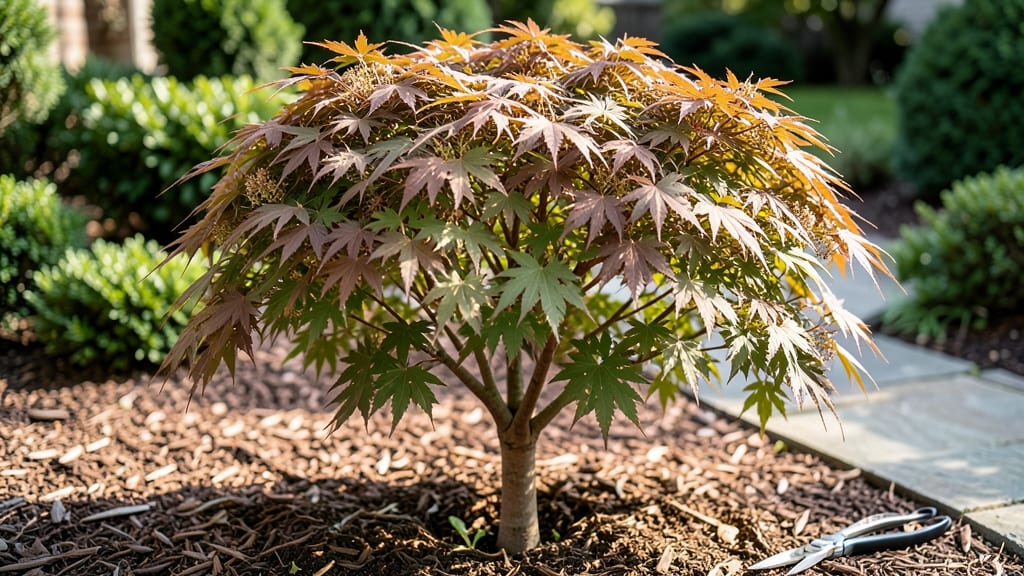
Growing a miniature maple tree like 'Bloodgood' or 'Emperor I' turns your yard into a living painting—delicate foliage that shifts from spring green to fiery autumn hues, all on a scale that fits a small patio or garden corner. 🌿 My first attempt nearly failed when I planted it in too much shade, but once I moved it to morning sun with afternoon shade, the leaves turned that perfect vibrant bronze in fall.
The key isn’t just the variety; it’s matching their needs to your space.
These trees thrive in well-draining soil and containers as small as 15-gallon pots, making them perfect for balconies or urban gardens. Water deeply once a week in summer, but never let them sit in soggy soil—root rot is their arch-nemesis.
A light pruning in late winter keeps them compact, and a thin layer of mulch in winter protects tender roots from temperature swings. The payoff? Year-round interest with minimal fuss.
You’ll love how they anchor garden beds, frame doorways, or even grow as bonsai. Their slow growth means you won’t outpace them—unlike fast-growing shrubs that need constant trimming.
The real magic happens in fall when the leaves blush crimson or gold, turning heads without taking up space. Ready to add one to your landscape?
Works for both ground planting and containers, and adapts to zones 5–8 with proper winter care. Here’s how to keep yours thriving for decades.
📚 In This Guide
- What you need
- Instructions
- Tips and common mistakes
- Wrapping up and next steps
What you need
- ● Miniature Maple Tree Seedling – Choose a dwarf variety like Acer palmatum 'Bloodgood' or Acer buergerianum (paperbark maple). Ensure it’s 1–3 feet tall for manageable pruning.
- ● Well-Draining Potting Soil – 5–10 gallons of peat-based or cactus/succulent mix (add perlite or sand for aeration).
- ● Container – A 10–15 gallon pot with drainage holes (terracotta or ceramic works best).
- ● Pruning Shears – Bypass pruners (sharp, 5–7 inch blades) for clean cuts. Sanitize with rubbing alcohol between uses!
- ○ Rooting Hormone (Optional but Helpful) – A powder or gel to boost grafted or propagated cuttings.
- ● Support Stake (for Young Trees) – A 3–4 ft bamboo or metal stake to stabilize the trunk during growth.
- ● Watering Can with Rose Nozzle – For gentle, deep watering (avoid soggy soil!).
- ● Slow-Release Fertilizer – A balanced 10-10-10 or acid-loving plant formula (apply in early spring).
- ● Mulch – Organic mulch (pine bark or shredded leaves) to retain moisture and regulate soil temp.
- ● Grafting Tools – If propagating from cuttings (a grafting knife and rubber bands for securing grafts).
- ● Tree Tie or Soft Twine – To secure the stake to the tree trunk without damaging it.
- ● Humidity Dome or Plastic Bag – For high-humidity environments (great for cuttings or seedlings).
- ● Soil pH Test Kit – Miniature maples prefer slightly acidic soil (pH 5.0–6.5).
- ● Decorative Stones or Gravel – For a natural, aesthetic touch around the base.
Step-by-Step instructions for cultivating miniature maple trees
Here's how to nurture these stunning small-scale trees into vibrant, long-lived additions to your garden.
🌱 Step 1: Choose the Right Location and Soil
Miniature maples thrive in partial shade to full sun, with 4-6 hours of direct sunlight daily for best color development. I always select a spot with well-draining soil—these trees hate soggy roots. If your garden soil is heavy clay, mix in 2-3 inches of compost before planting to improve aeration and moisture control.
Test your site's drainage by digging a 6-inch deep hole—if water pools after 30 minutes, amend the soil with sand or perlite. The ideal planting spot should also protect the young tree from strong winds, which can stress delicate branches. A slightly elevated area helps prevent waterlogging during heavy rains.
🪴 Step 2: Plant at the Correct Depth and Stake for Support
Dig a hole twice as wide as the root ball but only as deep—planting too deeply can suffocate the roots. Gently remove the tree from its container and loosen any circling roots with your fingers. Place it in the hole so the top of the root ball sits level with the surrounding soil (never bury the trunk).
Backfill with native soil, tamping lightly every 2 inches to eliminate air pockets. Water thoroughly until moisture reaches 4 inches deep. Install a stake no wider than 1 inch if needed—miniature maples rarely require support, but young specimens benefit from gentle guidance during their first growing season. Secure the tree with soft plant ties, leaving room for trunk growth.
☀️ Step 3: Water Deeply and Maintain Consistent Moisture
Water deeply once a week during the first growing season, aiming for 1-2 gallons per tree—this encourages deep root growth. You'll know you've watered enough when moisture reaches 6 inches down. Let the top 2 inches of soil dry out between waterings to prevent root rot, but never let the soil become bone-dry.
Mulch around the base with 2-3 inches of organic mulch (like shredded bark) to retain moisture and regulate soil temperature. Keep mulch 3 inches away from the trunk to prevent rot. In containers, check soil moisture daily—small pots dry out faster. If leaves start curling or yellowing, it's a sign of either overwatering or underwatering.
✂️ Step 4: Prune for Shape and Health in Late Winter
The best time to prune is late winter or early spring, just before new growth begins. Remove any dead, diseased, or crossing branches first using clean, sharp pruners. Cut just above a bud or lateral branch to encourage healthy regrowth. I never remove more than 25% of the canopy in one season—this prevents stress.
Shape the tree by selectively trimming leggy growth or branches that spoil the natural form. Miniature maples respond well to pruning, so you can train them into attractive shapes over time. After pruning, apply a balanced fertilizer (10-10-10) in early spring to support new growth. Avoid heavy feeding in fall—it encourages tender shoots that won't survive winter.
⏰ Step 5: Protect During Winter and Monitor Year-Round
Young miniature maples benefit from winter protection in cold climates. Wrap the trunk with tree guard or burlap to prevent rodent damage, and mound 2-3 inches of mulch around the base for insulation. In containers, move trees to a protected location or wrap pots in bubble wrap to prevent freeze-thaw cycles from cracking the pot.
Check for pests like aphids or spider mites regularly—these trees are relatively pest-resistant, but early intervention with neem oil keeps them healthy. Watch for signs of stress: yellowing leaves often mean overwatering, while brown leaf edges signal underwatering or salt buildup from poor-quality water. Adjust care as needed, and your miniature maple will reward you with stunning foliage year after year.
Tips & tricks for perfect miniature maple tree cultivation
Here's what nobody tells you about keeping these delicate beauties thriving for decades.
Location Intelligence: The 4-6 hours of sunlight mentioned in Step 1 are critical—this is the sweet spot for vibrant foliage. I've learned the hard way that placing them too close to a south-facing wall can scorch leaves during summer afternoons. Instead, position them where they get morning sun and afternoon shade, especially in hot climates. This gradual light exposure prevents leaf burn while maintaining that stunning color development.
Soil Testing Secret: Before amending your soil with the 2-3 inches of compost, do this quick test: Dig your 6-inch hole and fill it with water. If it drains completely within 30 minutes (as mentioned), you're good—but if it pools even slightly, add 50% more sand or perlite by volume. I once ruined a sapling by missing this step, and the roots suffocated in compacted soil. The difference between thriving and struggling trees often comes down to this drainage check.
Watering Wisdom: That "deeply once a week" guideline in Step 3 is perfect for most climates, but here's the real trick: Water in the early morning when evaporation rates are lowest. I've noticed my trees develop fewer fungal issues when watered this way. Also, use a moisture meter to check that 6-inch depth—if it's dry at that level, water again. Overwatering is just as deadly as underwatering for these delicate root systems.
Pruning Pro Tip: When shaping your tree in Step 4, focus on removing branches that grow toward the center—they'll compete for sunlight and weaken the tree's structure. I always make my cuts just above a bud or lateral branch to encourage outward growth. And here's a little-known trick: Prune on a cloudy day. The reduced sunlight stress helps the tree recover faster from cuts. That 25% canopy rule is non-negotiable—pushing it risks stressing the tree's entire system.
Pro Tips for Miniature Maple Tree
- Here's what nobody tells you about keeping these delicate beauties thriving for decades.
- Location Intelligence: The 4-6 hours of sunlight mentioned in Step 1 are critical—this is the sweet spot for vibrant foliage.
- Soil Testing Secret: Before amending your soil with the 2-3 inches of compost, do this quick test: Dig your 6-inch hole and fill it with water.
Frequently asked questions
Got questions about keeping your miniature maple tree thriving? You’re not alone! Here are some of the most common queries—and their answers—to help you grow with confidence.
How do I know if my miniature maple tree is healthy?
A healthy miniature maple should have vibrant green leaves, sturdy branches, and no signs of pests or disease. Check for yellowing leaves (could mean overwatering or nutrient deficiency), brown edges (often underwatering or low humidity), or sticky residue (possible sap-sucking insects). If you spot issues early, prune affected areas and adjust care!
How fast do miniature maple trees grow?
These trees grow slowly—typically 6 to 12 inches per year—making them perfect for small spaces. Growth slows in winter but speeds up in spring/summer with proper sunlight (6+ hours daily) and balanced fertilizer. Patience is key; they’ll reward you with years of compact beauty!
Can I grow a miniature maple indoors?
Yes! Many varieties (like Japanese maples) thrive indoors near a bright window or under grow lights. Use well-draining soil, a pot with drainage holes, and mist leaves occasionally to mimic humidity. Just avoid drafts or sudden temperature swings—these trees love consistency!
When and how should I prune my miniature maple?
Prune in late winter or early spring (before new growth) to shape the tree and remove dead branches. Use clean, sharp pruners to cut just above a bud or branch collar. Avoid heavy pruning—these trees have delicate canopies. Pro tip: Sterilize tools with rubbing alcohol to prevent disease!
What’s the best alternative if I want a low-maintenance tree?
If miniature maples seem too fussy, consider dwarf citrus trees (like Meyer lemons) or bonsai-friendly junipers. Both tolerate indoor conditions and require minimal pruning. For maple-like foliage, dwarf ferns or ornamental grasses are great fillers with less upkeep.
Wrapping up and next steps
Growing a miniature maple tree is a rewarding journey that brings year-round beauty to your space—whether it’s a cozy balcony, sunny patio, or elegant indoor corner. With the right pruning techniques, patience, and care, you’ll nurture a stunning, compact tree that thrives for decades. 🌿✨
Now that you’re armed with the tools, tips, and troubleshooting to keep your tree healthy, why not take the next step? Share your progress with fellow plant lovers, experiment with creative pruning styles, or even gift a cutting to a friend!
Your green thumb is about to shine brighter than ever.