
Orchid Care
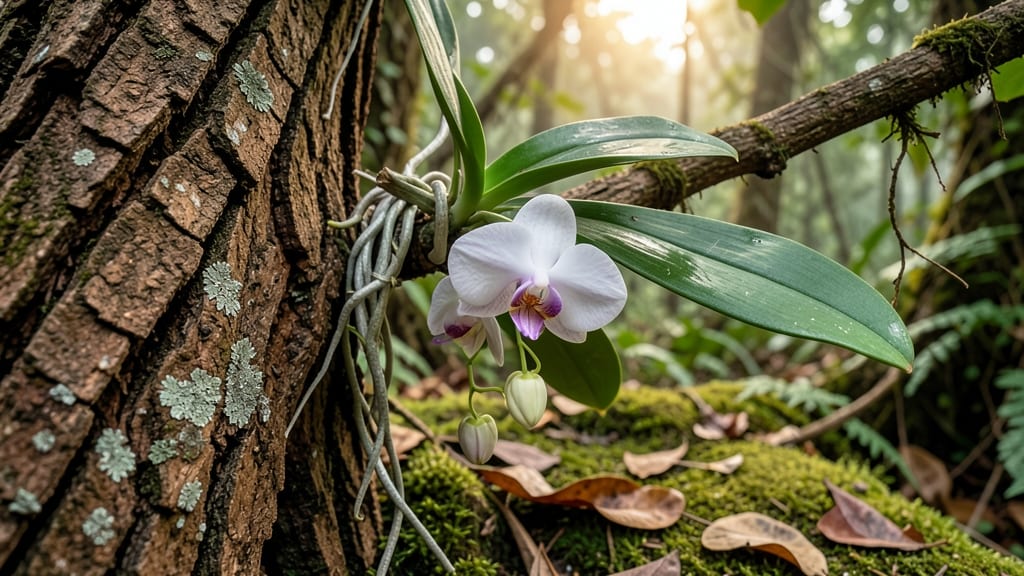
Mounting orchids on trees transforms your yard into a living jungle. 🌿 I still remember the first time I saw my dendrobiums clinging to a mature oak—it looked like something out of a tropical forest, not my suburban backyard.
The key is choosing the right tree species with rough, textured bark that orchids can grip naturally.
You’ll need healthy orchids with strong roots, a few basic supplies (orchid mounts, wire, and a spray bottle), and a spot with bright, indirect light. Most orchids thrive when mounted on trees with bark like oak, pine, or eucalyptus—they mimic the natural conditions these plants love in their native habitats.
The process is simpler than it looks, and the results are stunning.
Within months, you’ll see new roots clinging to the bark and vibrant blooms cascading down like nature’s chandeliers. The orchids stay lush year-round, adding a touch of elegance that no potted plant can match. Plus, the tree itself becomes a vertical garden, saving space while creating a breathtaking focal point.
Works best in warm climates but can be adapted with shade cloth for cooler regions. Pair your tree-mounted orchids with ferns, bromeliads, or ivy to complete the tropical vibe. Here’s how to get started without the guesswork!
📚 In This Guide
- What you need
- Instructions
- Tips and common mistakes
- Wrapping up and next steps
What you need
- ● Orchid plants: Choose epiphytic orchids like Phalaenopsis, Dendrobium, or Vanda (3–10 plants, depending on tree size). Ensure they’re healthy with firm roots.
- ● Mounting substrate: Cork bark sheets: 1–2 sheets (3–6 inches wide, 12+ inches long, depending on tree branches).
- ● Orchid mounting clips or ties: 6–10 pieces (non-metallic, like nylon or plastic).
- ● Wire or fishing line: 1–2 spools (1–2mm thick, for securing plants to branches).
- ● Tree or structure: A mature tree with rough bark (e.g., oak, pine, or ficus) or
- ● A wooden frame (e.g., driftwood, bamboo, or treated plywood) if mounting indoors.
- ● Pruning shears or scissors: For trimming roots or substrate.
- ● Spray bottle: (8–16 oz) for misting orchids daily.
- ○ Moss or sphagnum: Optional (1–2 cups) for added humidity retention.
- ○ Waterproof glue (optional): For securing cork bark to smoother surfaces.
- ● Gloves: To protect hands from rough bark or sap.
- ● A shady to bright indirect light spot (6+ hours of filtered light daily). Avoid direct sun.
- ● Moderate humidity: 50–70% (use a humidifier or group plants together).
- ● Patience: Orchids take 4–8 weeks to acclimate to their new home!
Instructions: how to create a lush orchid tree display
Transform your space with these simple steps to grow orchids on trees.
🌿 Step 1: Select the Right Tree and Orchid Pairings
Start with a sturdy, slow-growing tree like a ficus or ficus ginseng—their thick trunks provide excellent support. Avoid fast-growing trees that will outpace your orchids. Look for trees with rough bark or natural crevices where orchids can anchor their roots. I like to choose air plants first, like Tillandsia, since they’re easier to establish before moving to more delicate orchids.
For orchids, begin with epiphytic varieties like Phalaenopsis, Dendrobium, or Cattleya—they thrive in elevated, airy conditions. Avoid terrestrial orchids; they need soil, not tree bark. Match your orchid’s light needs to your tree’s location: bright, indirect light works best for most pairs. If your tree sits in low light, pick orchids like Masdevallia that tolerate shade.
🪴 Step 2: Prepare the Tree and Attach Orchids Securely
Clean the tree trunk with a damp cloth to remove dust or debris—this helps orchids grip better. Use orchid clips or soft nylon stockings (cut to size) to secure the plants. Never use wire or tight straps; they can damage the tree’s bark or strangle the orchid roots over time. For small orchids, I wrap the stocking around the trunk, tuck the orchid inside, and fasten it gently with a twist tie.
Position orchids 12-18 inches apart on the tree to allow airflow and prevent overcrowding. Place them where they’ll get dappled light—direct sun can scorch leaves, while deep shade slows growth. If your tree is outdoors, wait until temperatures stay above 55°F before attaching orchids. Cold snaps can shock delicate roots, so bring potted orchids inside if frost is forecasted.
☀️ Step 3: Mimic the Tropical Canopy with Light and Humidity
Orchids on trees need bright, indirect light—think of a forest understory, not a desert. If your tree is indoors, place it near an east-facing window or use a grow light 12-16 inches away for 12-14 hours daily. You’ll know the light is right when leaves stay deep green (not yellow or pale). Too little light? Leaves stretch toward the source. Too much? They’ll develop brown patches.
Humidity is key—orchids love 50-70% humidity, which mimics their natural canopy home. Mist the tree and orchids daily with room-temperature water, or place a humidifier nearby. For outdoor setups, group trees closely to create a microclimate. Avoid soggy conditions: orchids rot in stagnant moisture. Let the bark dry slightly between mistings—test by touching it; if it feels damp, wait a day.
💧 Step 4: Water and Fertilize Like a Rainforest
Water orchids once a week during the growing season (spring-fall), but adjust based on your tree’s bark. Ficus bark, for example, holds moisture longer than smooth-barked trees. Soak the orchids until water runs out the bottom, then drain excess. I use a spray bottle for a gentler approach, especially for newly attached plants. Avoid wetting the tree’s leaves to prevent fungal issues.
Fertilize lightly with a balanced orchid fertilizer (like 20-20-20) diluted to half-strength every 4-6 weeks during active growth. Skip fertilizer in winter when orchids rest. Over-fertilizing burns roots—think of it as a light snack, not a feast. If your orchid’s leaves turn yellow or drop, it’s a sign you’re overdoing it. Flush the bark with plain water to cleanse excess salts.
⏰ Step 5: Prune and Maintain for Long-Term Beauty
Check orchids monthly for dead leaves, spent blooms, or roots that have outgrown their space. Snip off dead blooms with sterilized scissors to encourage new flowers. For leggy growth, trim back to a node (the bump where leaves and roots emerge). This redirects energy to stronger growth. I prune in early spring, just as new shoots appear—it’s the perfect time to shape the plant without stressing it.
Every 6-12 months, inspect the tree’s bark for damage or mold. Gently remove any orchids that aren’t thriving and replant them in pots to recover. Rotate the tree quarter-turns every few months so all sides get even light. This keeps the display balanced and prevents one side from looking overgrown. With care, your orchid tree will flourish for years, blooming like a living piece of art.
Tips & tricks for perfect orchid tree displays
Creating a thriving orchid tree display takes patience, but these practical tips will help you avoid common pitfalls and create a stunning tropical canopy.
Tree and Orchid Pairing Strategy: Start with a ficus ginseng or ficus—their thick trunks provide the perfect foundation. I’ve found that trees with rough bark or natural crevices give orchids better grip right from the start. For beginners, Tillandsia air plants make excellent starter orchids because they’re hardier and adapt well to tree conditions. Once you’ve mastered the basics, you can move to more delicate varieties like Phalaenopsis or Dendrobium.
Attachment Technique: When securing orchids in Step 2, I recommend using soft nylon stockings instead of wire clips. They’re gentler on the tree’s bark and adjust better as the orchid grows. For the first few days after attaching, give your orchids a little extra support by gently tying them to the tree with a twist tie—this prevents them from shifting in wind or when you move the tree. The 12-18 inch spacing mentioned in the instructions is perfect for airflow, but if you’re using larger orchids, you might need to increase this slightly to prevent overcrowding.
Light and Humidity Management: The 12-14 hours of daily light from a grow light is ideal, but I’ve noticed that some orchids (especially Masdevallia) can actually do well with slightly less if they’re in very bright natural light. For humidity, I’ve found that grouping your orchid trees together creates a microclimate that maintains those crucial 50-70% levels without needing a humidifier. Just be sure to space them so air can circulate—stagnant air leads to fungal issues. A quick test: if condensation forms on leaves in the morning, your humidity is perfect.
Seasonal Adjustments: In winter, when orchids rest, you can reduce watering to every 2-3 weeks instead of weekly. The 55°F minimum temperature is important—if you’re in a colder climate, bring potted orchids inside before attaching them to outdoor trees. I’ve learned this the hard way after seeing frost damage ruin several displays! For fertilizer, the 4-6 week schedule works well, but in very hot summers, you might need to fertilize more frequently to support active growth.
Pro Tips for Orchids On Trees
- Creating a thriving orchid tree display takes patience, but these practical tips will help you avoid common pitfalls and create a stunning tropical canopy.
- Tree and Orchid Pairing Strategy: Start with a ficus ginseng or ficus—their thick trunks provide the perfect foundation.
- Attachment Technique: When securing orchids in Step 2, I recommend using soft nylon stockings instead of wire clips.
Frequently asked questions
Got questions about growing orchids on trees? You’re not alone! Here are some of the most common queries—and their straightforward answers—to help you bring that lush, tropical vibe to your space.
Can orchids on trees survive in cold climates?
Most orchids on trees (epiphytic orchids) thrive in warmth, but some hardy varieties like Dendrobium or Cattleya can tolerate cooler temps down to 40°F (4°C). In colder zones, grow them in containers or bring them indoors during winter. Pro tip: Use a greenhouse or shade cloth for extra protection!
How often should I water orchids growing on trees?
Watering depends on humidity and climate, but aim for 1-2 times per week during active growth (spring/summer) and reduce to every 2-3 weeks in winter. Let the roots dry slightly between waterings—overwatering is a common killer! Mist leaves in dry heat to mimic their natural habitat.
What’s the best tree to use for orchid mounting?
Choose mature, non-toxic trees with rough bark (like ficus, mango, or oak) for grip. Avoid smooth-barked trees—orchids need texture to attach. If mounting isn’t an option, use orchid mounts or cork slabs as alternatives. Avoid trees treated with pesticides!
Why are my orchid leaves turning yellow?
Yellow leaves often signal overwatering, root rot, or nutrient deficiency. Check the roots—healthy ones are silvery-green, while rotten ones are mushy and brown. Trim affected roots, repot in fresh bark mix, and adjust watering. Ensure good airflow to prevent fungal issues.
Can I grow orchids on trees indoors?
Use a large, well-lit window or grow lights to mimic sunlight. Mount orchids on a spider plant, fern, or even a hanging terrarium. Just ensure humidity stays high (60%+) with a humidifier or pebble tray. Rotate pots occasionally for even growth!
Wrapping up and next steps
Transforming your space with orchids on trees isn’t just about aesthetics—it’s a celebration of nature’s grace and your green thumb in action! 🌿 Whether you’re a seasoned grower or a curious beginner, these tropical beauties bring year-round elegance and a touch of the wild indoors.
Now that you’re armed with the right materials and answers to common questions, it’s time to let your creativity bloom.
Ready to take the next step? Start by selecting your favorite orchid varieties and craft your own living art—whether it’s a whimsical terrarium or a bold hanging display. Your jungle-inspired oasis awaits! 🌺✨