
Propagation
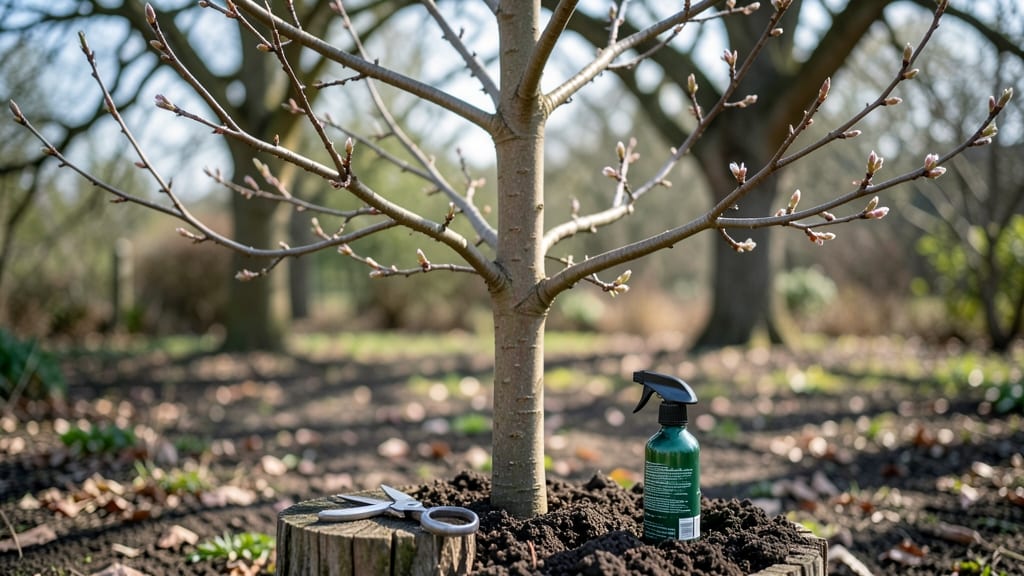
Learn how to stop a tree trunk from growing the way you want—before it turns your backyard into a jungle: strategically. ✂️ I learned the hard way that hacking branches willy-nilly doesn’t work; you need to target the right parts of the tree to slow that vertical climb without harming its health.
The key lies in understanding how trees allocate energy, and where to prune to redirect it toward a fuller canopy instead of a taller trunk.
Most people assume you just cut the top off, but that’s a recipe for stress and potential dieback. Instead, focus on selective pruning of the upper branches—specifically, the terminal leader (the main upward-growing shoot) and any competing vertical branches.
This forces the tree to shift its energy downward, encouraging bushier growth. For young trees, you can even pinch back new shoots in early summer to stunt height while promoting lateral branches.
The goal isn’t to stunt the tree entirely, but to guide its growth into a shape that fits your space.
What you’ll end up with is a tree that stays within your yard’s height limits while still thriving—think lush canopies instead of skinny poles. The trade-off?
You might sacrifice some of that dramatic vertical height, but you gain a tree that’s easier to maintain, less prone to storm damage, and far more visually appealing. Just remember: timing matters.
Prune in late winter or early spring before new growth kicks in, and avoid heavy cuts in late summer, which can leave the tree vulnerable to disease.
This method works best for ornamental trees like crape myrtles, Japanese maples, or fruit trees where you want to control size without sacrificing productivity. For fast-growing species like willows or poplars, you’ll need to prune more aggressively—and more often—to keep them in check.
The key is consistency: a little effort now saves you from dealing with a 50-foot monster later. Let’s get those branches under control the right way.
📚 In This Guide
- What you need
- Instructions
- Tips and common mistakes
- Wrapping up and next steps
What you need
- ● Pruning shears: Bypass pruners (for cuts up to ¾ inch in diameter) or anvil pruners (for thicker branches). Pro tip: 💡 Sharpen them before starting to avoid jagged cuts!
- ● Loppers: A pair with a 6-8 inch cutting blade for branches between ¾ inch and 2 inches in diameter.
- ○ Pruning saw: A curved-tooth saw for branches thicker than 2 inches. Optional: A folding pruning saw for hard-to-reach spots.
- ● Extension pole: A 6-10 foot pole with a saw or shears attachment for high branches. Safety first: 🔥 Use a sturdy, non-slip grip!
- ● Work gloves: Heavy-duty, cut-resistant gloves to protect your hands from thorns and rough bark.
- ● Ladder or lift: A stable, extension ladder (rated for your height needs) or an arborist lift for tall trees. Warning: 🌡️ Never stand on the top two rungs!
- ● Disinfectant: A 10% bleach solution (1 part bleach to 9 parts water) or rubbing alcohol to sterilize tools between cuts and prevent disease spread.
- ● Heavy-duty trash bags: 2-3 bags (30-gallon size) to collect pruned branches and debris.
- ○ Tree wound dressing (optional): Pruning sealant for large cuts (though many arborists argue it’s unnecessary for healthy trees).
- ● Weather check: Plan your pruning on a dry, calm day. Avoid pruning during wet or windy conditions.
- ● Tree identification: Know the species of your tree—some (like oaks) bleed sap heavily, while others (like maples) may produce a milky sap.
- ● Safety gear: Safety glasses, long sleeves, and closed-toe shoes to protect against falling debris or sap.
- ● Notepad & pen: To jot down notes on cuts made, branch sizes, and any observations for future reference.
How to control tree trunk growth through strategic pruning
Here’s how to manage upward growth—without harming your tree’s health.
🌿 Step 1: Assess the Tree’s Current Growth and Health
Start by examining the tree’s trunk and canopy. Look for signs of vigorous upward growth—thick, fast-growing shoots at the top or a trunk that’s outpacing your desired height. Healthy trees have a balanced ratio of trunk thickness to canopy spread, so measure both with a tape measure. If the trunk is growing too quickly, the tree may need structural pruning to redirect energy.
Check for any dead, diseased, or crossing branches that could compete with upward growth. These should be removed first, as they drain the tree’s energy. I always prune on a dry, overcast day to reduce stress on the tree. Avoid pruning during flowering or fruiting seasons, as this can weaken the tree’s ability to recover.
✂️ Step 2: Prune the Upper Canopy to Slow Trunk Elongation
Focus on the top third of the tree’s canopy. Use clean, sharp pruning shears to make cuts just above a lateral branch or bud, angled slightly downward. This encourages the tree to grow outward rather than upward. For larger branches, use a pruning saw to avoid tearing the bark.
Remove no more than 25% of the canopy in one session—this prevents shock and allows the tree to heal. Prioritize branches that are growing vertically or those that are too dense. You’ll see the tree’s energy shift toward lateral growth within a few weeks, slowing trunk elongation naturally.
☀️ Step 3: Encourage Lateral Growth with Strategic Cuts
Make small, precise cuts just below a leaf node or bud on the upper branches. This technique, called heading back, stimulates the growth of side shoots. Avoid cutting into the trunk itself—this can cause damage and invite disease. Instead, focus on the branches that are contributing to the tree’s height.
If the tree has a strong central leader (the main upward-growing branch), you can prune it back to a lateral branch about one-third of its length. This forces the tree to develop a wider, fuller canopy. Watch for new shoots emerging from the cut area—these will grow outward, slowing the trunk’s vertical growth.
🪴 Step 4: Monitor and Maintain the Tree’s Shape
After pruning, keep an eye on the tree’s response. If new vertical shoots appear, prune them back again in the next growing season. Consistency is key—trees adapt to pruning over time, so repeat this process annually or biannually as needed.
Apply a thin layer of mulch around the base (if using) to retain moisture and protect the roots. Water deeply after pruning to help the tree recover. Over time, you’ll notice the trunk growth slow while the canopy fills out, giving you the controlled height you want.
Tips & tricks for strategic tree pruning
Here's what nobody tells you about managing tree growth without harming your tree's health.
Timing is Everything: The best time to prune is during the dormant season—late winter or early spring before new growth begins. This gives your tree the full growing season to recover. I've learned the hard way that summer pruning can stress the tree and make it more susceptible to disease. If you must prune in warmer months, do it on a cool, cloudy day to minimize stress.
Tool Selection Matters: Using the right tools makes all the difference. For branches up to 1 inch in diameter, sharp pruning shears work best. For larger branches, a pruning saw with a curved blade prevents tearing. I always clean my tools with rubbing alcohol before and after use to prevent spreading disease between cuts. Don't make the mistake of using dull tools—they crush branches instead of making clean cuts.
Pruning Technique Insight: When making your cuts in Step 2, aim for a 45-degree angle just above a lateral branch or bud. This angle helps water run off the cut, preventing rot. For larger branches, make the cut just outside the branch collar—the swollen area where the branch meets the trunk. This encourages faster healing. I've seen too many trees develop cankers from improper cuts, so take your time with this step.
Recovery Care: After pruning, give your tree some TLC to help it recover. Water deeply right after pruning to help the tree absorb nutrients. Apply a 2-3 inch layer of mulch around the base (keeping it away from the trunk) to retain moisture. I've noticed that trees pruned in early spring often show new lateral growth within just 4-6 weeks when given proper aftercare.
Pro Tips for Stop A Tree Trunk From Growing
- Here's what nobody tells you about managing tree growth without harming your tree's health.
- Timing is Everything: The best time to prune is during the dormant season—late winter or early spring before new growth begins.
- Tool Selection Matters: Using the right tools makes all the difference.
Frequently asked questions
Got questions about managing tree growth? You’re not alone! Here are some of the most common concerns—and straightforward answers—to help you take control of your tree’s height without stress.
Can I permanently stop a tree trunk from growing taller?
While you can’t completely halt a tree’s vertical growth, you can slow or redirect it using pruning techniques like heading back (cutting just above a lateral branch) or crown reduction. Young trees respond best, but mature trees may still thicken rather than grow taller. Think of it as managing growth, not stopping it forever.
How long does it take to see results after pruning?
Results vary by tree species, but you’ll typically notice slower vertical growth within 1–2 growing seasons. Fast-growing trees (like willows or poplars) may show changes sooner, while slow growers (oaks or maples) take longer. Patience is key—consistent pruning in late winter or early spring yields the best long-term control.
Is it safe to cut a tree trunk directly? Should I avoid the trunk entirely?
Yes! Never cut the trunk itself—this can kill the tree or leave it vulnerable to disease. Instead, focus on lateral branches near the trunk’s base. Use the 3-cut method to avoid tearing bark, and always sterilize tools with rubbing alcohol to prevent infections. Think of pruning like traffic directing for the tree’s energy.
What’s the best alternative if pruning doesn’t work for my tree?
If your tree is too large or too aggressive for pruning, consider:
- Root pruning: Trimming roots in a trench to limit nutrient uptake (best for young trees).
- Grafting or topiary: For ornamental trees, shaping with strategic cuts can redirect growth.
- Removal: If the tree is hazardous or beyond control, professional removal may be the safest option.
For fruit trees, espaliering (training branches flat against a wall) can also control height while boosting yield!
My tree is bleeding sap after pruning—is this normal?
Yes, but it’s usually temporary. Trees “bleed” when cut in spring (when sap flows), but this doesn’t harm them. To minimize mess:
- Prune in late winter or summer (avoid early spring).
- Seal cuts with pruning sealant (optional for large wounds).
- Water deeply after pruning to help recovery.
If bleeding is heavy or persistent, consult an arborist—it could signal stress or disease.
When is the worst time to prune for height control?
Avoid pruning during:
- Late fall: Dormant trees heal slowly, increasing disease risk.
- Peak bloom season: Cutting flowering branches reduces next year’s blooms (bad for fruit/ornamental trees).
- Extreme heat/drought: Trees are already stressed, making recovery harder.
Pro tip: Late winter (just before buds swell) is ideal for most trees—it’s like giving your tree a fresh start before the growing season kicks in!
Wrapping up and next steps
Stopping a tree trunk from growing doesn’t mean sacrificing its beauty—it’s all about strategic pruning and patience! 🌳 By using the right techniques, like crown reduction or heading cuts, you can guide growth while keeping your tree healthy and manageable.
Remember, consistency is key, and always prioritize safety and professional advice when needed.
Now that you’re armed with knowledge, take action! Start with small adjustments, monitor your tree’s response, and gradually refine your approach. Whether you’re tackling a young sapling or an established shade tree, your green thumb can make a difference—one careful cut at a time. 🌟