
Pruning
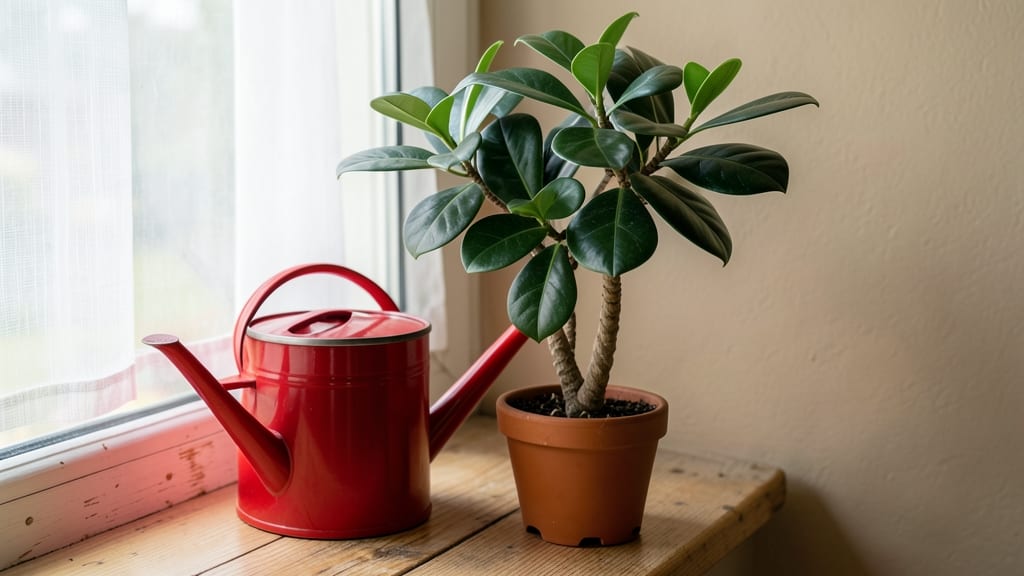
Learn how to take care of a money tree indoors—and you’ll turn your space into a lush, lucky haven with its glossy leaves and iconic braided trunk, provided you dodge the two mistakes everyone else makes. 🌿 The secret isn’t complicated: it’s about matching its tropical roots to your home’s conditions, from bright indirect light to the right watering rhythm.
My first money tree nearly died from overwatering, but once I learned its signals, it thrived for years.
You’ll need a few simple supplies: a well-draining pot with drainage holes, a mix of potting soil and perlite (or orchid bark), and a humidity tray or pebble tray to mimic its natural rainforest home.
Money trees love warmth—keep it away from drafts—and their leaves should stay a deep, vibrant green. Yellowing leaves scream overwatering, while crispy edges mean it’s too dry.
With the right care, your money tree will grow 3-4 feet tall in a few years, developing that signature braided trunk if you train it early. The key is consistency: water when the top inch of soil feels dry, and dust those leaves regularly to keep them breathing.
Prune leggy stems in spring to encourage bushier growth—just above a leaf node for clean cuts.
Seasonal adjustments matter too: reduce watering in winter when indoor air gets dry, and boost humidity with a humidifier if your home feels like a desert. A happy money tree isn’t just a statement plant—it’s a low-maintenance green companion that rewards patience with lush, year-round foliage.
📚 In This Guide
- What you need
- Instructions
- Tips and common mistakes
- Wrapping up and next steps
What you need
- ● Pot: A well-draining container (10–12 inches in diameter) with drainage holes. Terracotta or ceramic pots are ideal.
- ● Well-draining soil: A mix of 60% potting soil, 20% perlite, and 20% sand or orchid bark to prevent root rot.
- ● Watering can: A spouted can for precise watering (avoid over-saturating the soil).
- ○ Humidity tray or pebble tray: Optional but helpful for maintaining humidity (fill with water + pebbles).
- ● Fertilizer: A balanced liquid fertilizer (10-10-10 or 20-20-20) diluted to half-strength. Use every 4–6 weeks during spring/summer.
- ● Pruning shears: Sharp, clean shears (sterilize with rubbing alcohol before/after use).
- ● Support stake or bamboo pole: For taller trees (3–4 feet) to prevent leaning.
- ● Grow lights: LED or fluorescent lights (12–14 hours/day) if natural light is less than 4–6 hours daily.
- ● Misting bottle: For occasional humidity boosts (especially in dry climates).
- ● Soil moisture meter: To check soil dryness before watering.
- ● Decorative cache pot: A stylish outer pot (ensure it has drainage holes if nesting inside the main pot).
Step-by-Step guide to keeping your money tree thriving indoors
Here's how I've kept my money tree lush for years—simple habits make all the difference.
🌿 Step 1: Choose the Perfect Light Spot
Your money tree loves bright, indirect light—think east or west-facing windows where sunlight filters gently. Avoid harsh midday sun, which can scorch those glossy leaves. If your home has dim lighting, supplement with a grow light for 12-14 hours daily.
Watch for these signs: Leaves turning yellow? Too much sun. Leaves stretching toward the light? It needs more brightness. Rotate the pot quarter-turn weekly so growth stays even. I place mine near a window but not directly in the path of afternoon rays—this keeps the foliage vibrant without stress.
💧 Step 2: Water with Precision
Water when the top 1-2 inches of soil feel dry—stick your finger in to check. Money trees hate soggy roots, so always use a pot with drainage holes. Pour water slowly until it drains through the bottom, then empty the saucer. Overwatering causes root rot, which kills plants fast.
Here's the trick: Water deeply but infrequently. My money tree thrives on every 7-10 days in winter, but I check weekly in summer when heat dries soil faster. If the leaves start curling, it's thirsty—water immediately. If they yellow and drop, you've overdone it. Balance is everything.
☀️ Step 3: Maintain Ideal Humidity and Temperature
Money trees love 60-75°F and humidity levels above 40%. If your home runs dry, mist the leaves 2-3 times weekly or place the pot on a tray of pebbles with water (just don't let roots sit in it). A humidifier near the plant works wonders in winter when indoor air gets parched.
Watch for brown leaf tips—this is your humidity warning. Dust the leaves monthly with a damp cloth to help them absorb light. I group my money tree with other plants to create a mini humid microclimate. Avoid cold drafts (like AC vents) or sudden temperature swings, which stress the plant and drop leaves.
✂️ Step 4: Prune for Shape and Health
Prune in spring to encourage bushier growth. Use clean scissors to trim just above a leaf node (where leaves grow). Cutting here stimulates new branches. Remove any yellow or damaged leaves immediately—they drain energy and attract pests.
This is the moment that matters: If your money tree gets leggy, don't panic—just prune the top 1-2 inches and propagate those cuttings in water. You'll get two plants for the price of one! I prune mine every 3-4 months to keep it compact and full. Always sterilize your tools with rubbing alcohol to prevent infections.
Tips & tricks for perfect money tree care
Between us, these little details make all the difference between a struggling plant and one that thrives for years.
Light Spot Secrets: The 12-14 hours of grow light mentioned in Step 1 works best when placed about 12-18 inches above the plant. I use a simple LED bulb on a timer—no fancy setup needed. If you notice leaves stretching toward the light (called etiolation), it's begging for more brightness. Move it closer to the window or increase grow light hours by 1-2 hours. The goal is even growth all around, not just on one side.
Watering Wisdom: That finger-in-the-soil check in Step 2 is your best friend. I like to use my index finger—when it comes out clean up to my first knuckle, it's time to water. Here's the thing: money trees store water in their thick stems, so they're more drought-tolerant than you'd think. In winter, I'll sometimes go 2 weeks between waterings without issue. The key is that saucer—always empty it after 10 minutes to prevent root rot.
Humidity Hacks: The 60-75°F range is just right, but humidity is where most people struggle. My go-to trick is the pebble tray method: fill a shallow tray with pebbles, add water up to halfway, and place the pot on top. The evaporating water creates natural humidity without soggy roots. In winter, I boost this by grouping my money tree with my snake plant and spider plant—they all benefit from each other's moisture. That monthly leaf dusting? Use a damp microfiber cloth—it removes dust AND helps leaves absorb more light.
Pruning Payoff: When you prune those leggy stems in Step 4, don't toss the cuttings! Place them in a jar of water with just the bottom few inches submerged. Change the water every 3-4 days, and you'll see roots forming in about 2-3 weeks. This is how I've propagated three new money trees from my original plant. Pro tip: Use the same clean scissors you'd use for haircutting—sterilize them with rubbing alcohol between cuts to prevent infections that can spread to your main plant.
Pro Tips for Take Care Of A Money Tree Indoors
- Between us, these little details make all the difference between a struggling plant and one that thrives for years.
- Light Spot Secrets: The 12-14 hours of grow light mentioned in Step 1 works best when placed about 12-18 inches above the plant.
- Watering Wisdom: That finger-in-the-soil check in Step 2 is your best friend.
Frequently asked questions
How often should I prune my money tree?
Prune your money tree once or twice a year—typically in spring or early summer—to encourage bushier growth. Trim back leggy stems or yellowing leaves with clean, sharp scissors. Avoid over-pruning, as this can stress the plant. Pro tip: Use the cuttings to propagate new plants!
Why are the leaves turning yellow?
Yellow leaves usually signal overwatering or poor drainage. Let the top 1–2 inches of soil dry out between waterings, and ensure the pot has drainage holes. If yellowing persists, check for root rot by gently removing the plant from its pot. Brown edges? That’s often underwatering or low humidity.
What pests should I watch for, and how do I treat them?
Money trees are tough but can attract spider mites, mealybugs, or scale. Wipe leaves with a damp cloth to spot early signs (sticky residue, tiny webs, or white cottony patches). Treat with neem oil or insecticidal soap, and isolate the plant until pests are gone. Prevent tip: Mist leaves weekly to deter mites!
How long does it take for a money tree to grow?
With proper care, your money tree grows 6–12 inches per year, but growth slows in winter. Patience is key—some varieties (like the braided type) take years to develop their signature shape. Boost growth by placing it in bright, indirect light and fertilizing lightly during spring/summer.
Can I keep my money tree small, or will it always grow tall?
Yes! Money trees stay compact with regular pruning and proper pot size. Choose a smaller container (12–16 inches wide) to limit growth, and prune back new shoots to encourage a bushier form. Just avoid root-bound conditions, which can stunt growth or stress the plant.
Wrapping up and next steps
Caring for a money tree indoors is all about patience, consistency, and a little love—and you’ve got this! 🌱 With the right light, watering routine, and occasional pruning, your plant will reward you with vibrant, lucky leaves and a thriving presence in your home.
Remember, even the most experienced plant parents started somewhere, so don’t stress over small setbacks.
Now that you’re armed with these tips, why not take the next step? Share your money tree’s progress with fellow plant lovers online, or experiment with creative pruning to shape it into a stunning centerpiece. Your green thumb is growing—keep nurturing it! 💚