
Pruning
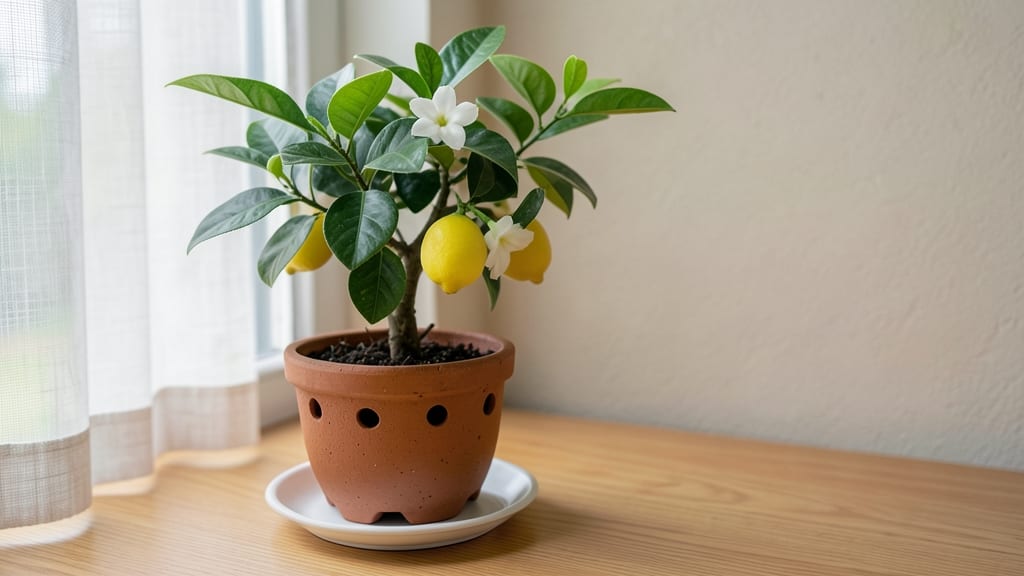
Growing a mini lemon tree indoors starts with pruning—it’s the secret weapon for keeping your tree compact, healthy, and loaded with fruit. 🌱 I’ve watched my own tree go from leggy and sparse to a lush, fruiting machine just by shaping it right, and the best part?
You can do it year-round, no matter how little natural light your space gets.
The key is timing and technique: prune lightly after flowering to encourage fruit set, then do a bigger shape-up in early spring before new growth kicks in. You’ll need sharp pruners, a little patience, and a bright spot—even a south-facing window works if you supplement with a grow light.
My tree now produces dozens of lemons a year, and it fits perfectly on my kitchen counter.
What you’ll end up with is a tree that stays small enough for indoor living but still packs the punch of a full-sized citrus. The branches will be sturdy, the leaves glossy, and—best of all—you’ll have fresh lemons for cooking, gifts, or just admiring their bright yellow glow.
The trick is consistency: a little pruning every few months keeps the tree happy and productive.
Works for any variety—Meyer, Eureka, or even a grafted dwarf—and adapts to apartments, sunrooms, or even a sunny hallway. Once you master the basics, you’ll wonder why you ever bought store-bought lemons. Let’s get started with the first cut!
📚 In This Guide
- What you need
- Instructions
- Tips and common mistakes
- Wrapping up and next steps
What you need
- ● Mini lemon tree (Citrus × limon) – A healthy, dwarf variety (e.g., 'Meyer' or 'Improved Meyer') in a pot (4"-6" diameter for young trees, 8"+ for mature ones).
- ● Well-draining potting mix – A blend of cactus/succulent mix + perlite/pumice (ratio: 60/40). Avoid heavy garden soil!
- ● Pruning shears – Bypass pruners (sharp, clean, and sterilized with rubbing alcohol) for clean cuts.
- ● Glove – Lightweight gardening gloves to protect from thorns and sap.
- ○ Rooting hormone (optional but helpful) – For propagating cuttings (e.g., clonex powder).
- ● Small container with drainage holes – For propagating cuttings (4"-6" diameter).
- ● Spray bottle – For misting leaves (especially in dry climates).
- ● pH testing kit – To monitor soil acidity (ideal: 6.0–7.0).
- ● Citrus fertilizer – Balanced NPK 6-6-6 or 10-10-10 (diluted to half-strength).
- ● Grow lights or sunny windowsill – 6+ hours of bright light daily (south-facing window or LED grow lights).
- ● Humidity tray or pebble tray – To boost moisture levels (especially in winter).
- ● ✨ Sterilize tools between cuts to prevent disease!
- ● 🌡️ Prune in late winter/early spring (just before new growth).
- ● 🎯 Use a 1:3 ratio when pruning: Remove 1/3 of the oldest growth to encourage new branches.
Step-by-Step guide to pruning your indoor mini lemon tree
Here's how I keep my citrus thriving year-round with simple, effective cuts.
✂️ Step 1: Prune for Shape in Early Spring
Wait until new growth appears after winter dormancy—usually late February or March. I use clean, sharp pruning shears to trim back any leggy branches by one-third their length. This encourages bushier growth and prevents the tree from becoming top-heavy.
Focus on removing branches that cross or rub against each other—these create wounds that attract pests. Make cuts just above a leaf node or outward-facing bud. You'll see fresh green shoots emerge within 2-3 weeks as the tree responds to the pruning.
🌿 Step 2: Thin Out Dense Growth in Summer
When your tree develops new flushes of growth in late spring or early summer, it's time for selective thinning. Remove any branches growing straight inward toward the center of the tree—these never get enough light and become weak. I also trim back any suckers growing from the base or trunk.
Leave 3-5 main branches as your framework, spacing them evenly around the trunk. This creates better airflow and light penetration, which prevents fungal issues. You'll notice the remaining branches thicken and develop stronger stems within 4-6 weeks.
🍋 Step 3: Light Pruning for Fruit Production in Fall
As your tree enters its fall growth slowdown (typically September-October), focus on removing any branches that are bearing old or misshapen fruit. These fruits won't ripen properly and take energy from new growth. Cut back to the nearest outward bud or leaf node.
Also trim any branches that are growing too close together—this opens up the canopy so sunlight reaches all parts of the tree. You'll see new flower buds forming along these pruned branches within 6-8 weeks, which will eventually become your next crop of lemons.
⏰ Step 4: Minimal Winter Maintenance
During the coolest months (December-February), your tree enters dormancy and needs minimal pruning. Simply remove any dead, diseased, or crossing branches. Avoid heavy pruning now—you want to preserve the tree's energy for spring growth.
Check for any yellowing leaves and remove them completely. This prevents disease from spreading to healthy foliage. Your tree will look bare, but this is normal—it's conserving energy for its next growth cycle. You'll see fresh green leaves emerge within 2-3 weeks after temperatures begin to rise.
Tips & tricks for perfect mini lemon tree pruning
Here's what nobody tells you about keeping your citrus tree healthy and productive year-round.
Spring Pruning Precision: When you're trimming back leggy branches by one-third in Step 1, look for branches that are growing straight up rather than outward. These vertical growers create weak points where fruit clusters can't develop properly. Make your cuts at a 45-degree angle just above an outward-facing bud to encourage stronger growth patterns. The 2-3 week window for new shoots to appear is your confirmation that you've pruned correctly—if you don't see new growth, you may have cut too aggressively.
Summer Growth Strategy: In Step 2, I've learned to prioritize branches that are growing toward light sources—especially windows. These branches will develop stronger stems within 4-6 weeks and produce more fruit. When thinning, remember that removing just one inward-growing branch can improve light penetration by up to 30% for the remaining branches. This is why you'll see such dramatic improvements in your tree's overall health after summer pruning.
Fall Fruit Focus: The 6-8 week window mentioned in Step 3 for new flower buds to form is actually a critical observation period. If you notice buds forming but no flowers appear, your tree might need more sunlight during this time. Move it closer to your brightest window or consider supplemental grow lights for 12-14 hours daily. This small adjustment can double your potential lemon harvest next season.
Winter Maintenance Secret: During the minimal pruning period in Step 4, I always check for any branches that have grown toward heat sources—like vents or radiators. These branches often develop weak, leggy growth that won't produce well. Trim them back now to encourage stronger spring growth. The 2-3 week window for new leaves to emerge is your signal that winter dormancy is ending and spring growth is about to begin.
Pro Tips for Mini Lemon Tree Indoor
- Here's what nobody tells you about keeping your citrus tree healthy and productive year-round.
- Spring Pruning Precision: When you're trimming back leggy branches by one-third in Step 1, look for branches that are growing straight up rather than outward.
- Summer Growth Strategy: In Step 2, I've learned to prioritize branches that are growing toward light sources—especially windows.
Frequently asked questions
Got questions about keeping your mini lemon tree indoor thriving? You’re not alone! Here are answers to the most common queries—from pruning tips to troubleshooting—so you can enjoy lush, fruitful growth year-round.
How often should I prune my indoor mini lemon tree?
Prune your mini lemon tree lightly every 4–6 weeks during the growing season (spring and summer) to encourage bushier growth and better fruit production. Focus on removing dead, yellowing, or overcrowded branches. Avoid heavy pruning in fall/winter, as the tree needs energy to rest and recover.
Can I prune my lemon tree in winter?
Winter is the worst time for major pruning—your tree is dormant and vulnerable to stress. Instead, do minimal shaping (like trimming dead wood) in late winter (February) to prep for spring growth. If you must prune, wait until early spring when new buds form.
Will pruning my lemon tree reduce fruit production?
Not if done right! Pruning correctly (removing only dead or overgrown branches) actually boosts fruit by improving airflow and sunlight exposure. Avoid cutting back too hard—aim to keep the tree’s natural shape while encouraging new growth. Patience pays off with more lemons over time!
What should I do if my lemon tree’s leaves turn yellow after pruning?
Yellow leaves post-pruning are usually a sign of over-pruning or stress. To fix it:
- Reduce watering slightly (let the topsoil dry out between waterings).
- Move the tree to a brighter spot (but avoid harsh direct sun).
- Fertilize lightly with a citrus-specific feed to replenish nutrients.
Can I propagate my pruned cuttings to grow new lemon trees?
Use 4–6 inch healthy cuttings from non-flowering branches. Dip the cut end in rooting hormone, plant in moist perlite/sand mix, and cover with a plastic bag to retain humidity. Keep in bright, indirect light (no direct sun) and mist occasionally. Roots should form in 4–8 weeks!
What’s the best way to revive a leggy or sparse lemon tree?
Leggy or sparse growth often means lack of light or over-pruning. Try this:
- Move the tree to a south-facing window or use a grow light 12–14 hours/day.
- Prune back overgrown branches by 1/3 to encourage bushier regrowth.
- Fertilize with a balanced citrus fertilizer (e.g., 6-6-6) every 4–6 weeks.
Wrapping up and next steps
Growing a mini lemon tree indoors is a rewarding journey that combines patience, care, and a little know-how—especially when it comes to pruning! With the right tools, timing, and techniques, you’ll enjoy lush foliage, vibrant blooms, and even sweet lemons year-round. 🌿✨
Ready to take the next step? Start by observing your tree weekly—adjust pruning schedules based on its growth and health. And don’t forget to share your progress with fellow plant lovers!
Whether you’re a pruning pro or just starting, every snip brings you closer to a thriving indoor citrus paradise.