
Trees
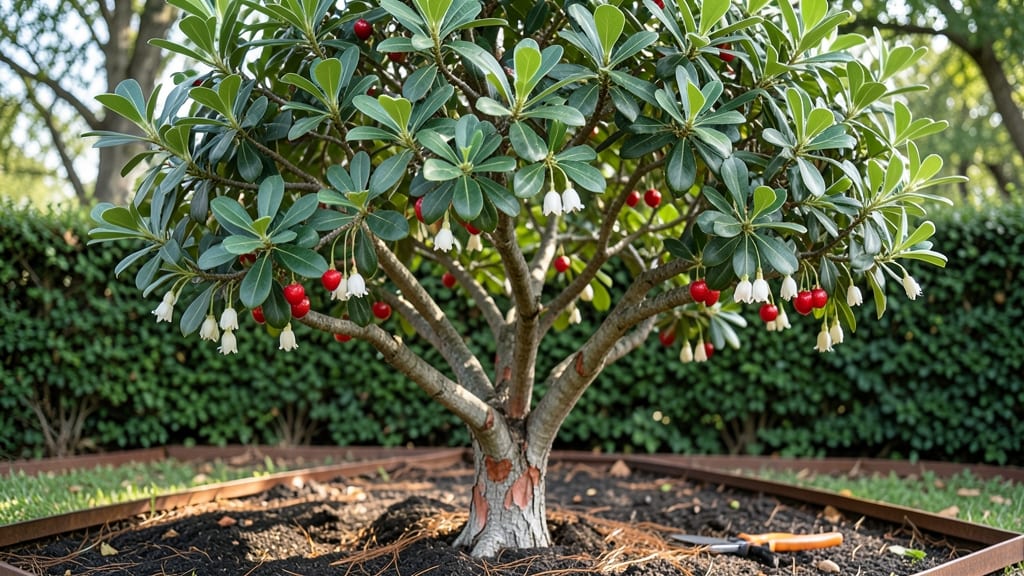
Strawberry tree leaves yellowing or spotting? That’s your first warning sign the tree’s struggling—not just a seasonal quirk. 🌿 I’ve nursed back more than a few of these with simple fixes that keep the foliage vibrant year-round, and the key starts with understanding what’s really going wrong.
Most problems boil down to three things: water stress, fungal infections hiding in damp leaves, or pests like scale sucking sap without you noticing. The good news? You can spot these early—just look for sticky residue on leaves (aphids), black spots with yellow halos (fungus), or crispy edges (underwatering).
Once you know what you’re dealing with, the fixes are straightforward.
📚 In This Guide
- What you need
- Instructions
- Tips and common mistakes
- Wrapping up and next steps
What you need
- ● Pruning tools: 1 pair of bypass pruners (sharp, 6"-8" blades for clean cuts)
- ● 1 pair of loppers (for thicker branches, 24" reach)
- ● 1 pruning saw (for stubborn, large branches)
- ● Gloves: 1 pair of gardening gloves (nitrile-coated for durability)
- ● Fertilizer: 1 bag of balanced, slow-release fertilizer (10-10-10 ratio, 5 lbs)
- ● 1 bottle of acid-loving plant fertilizer (e.g., azalea/camellia mix, 16 oz)
- ● Mulch: 2-3 bags of pine bark or wood chips (3 cubic feet each)
- ● Watering supplies: 1 hose with adjustable nozzle (for gentle watering)
- ● 1 watering can (3-gallon capacity, for targeted hydration)
- ● Diagnostic tools: 1 hand lens/magnifier (10x magnification for pest inspection)
- ● 1 bottle of rubbing alcohol (70%) (for cleaning tools)
- ● 1 tree tie kit (for supporting young or weak branches)
- ● 1 sprayer bottle (for applying neem oil or fungicides, 16 oz)
- ● 1 soil pH test kit (to monitor acidity levels, 6-7.5 range ideal)
- ● 1 wheelbarrow (for moving mulch or pruned branches)
- ● 1 tree wound dressing (for sealing large cuts, 1 lb)
- ● Know your strawberry tree’s age and size (young trees need lighter pruning).
- ● Check local plant hardiness zone (strawberry trees thrive in zones 7-9).
- ● Schedule tasks based on the season (prune after flowering, fertilize in early spring).
- ● Ensure proper drainage (avoid waterlogged soil—strawberry trees hate soggy roots!).
How to maintain lush strawberry tree foliage year-round
Keeping those vibrant leaves healthy takes just a few seasonal adjustments—here's how to do it right.
🌿 Step 1: Prune for Airflow and Light Penetration
Start in early spring when new growth begins. Remove any dead or crossing branches first—these compete with healthy foliage for nutrients. I like to make cuts just above a leaf node where new growth can emerge. This prevents unsightly stubs and encourages bushier foliage.
Focus on thinning out dense areas so sunlight reaches the inner leaves. Strawberry trees need good airflow to prevent fungal issues, and you'll see the difference in leaf color within weeks. Aim to remove about 20-30% of the total branches during this first prune.
☀️ Step 2: Adjust Light Exposure Seasonally
Strawberry trees tolerate partial shade but thrive with morning sun and afternoon shade in hot climates. If you notice leaves yellowing or scorching in summer, move the plant to a spot with 4-6 hours of filtered light daily. I've found that east-facing windows work best for indoor plants.
In winter, when light levels drop, supplement with a grow light if leaves start looking pale. Position it 12-18 inches away and keep it on for 12-14 hours daily. You'll know it's working when new growth appears within 3-4 weeks—that's your signal the plant is happy.
💧 Step 3: Water Smartly Based on Leaf Condition
Water when the top 2 inches of soil feel dry—that's usually every 5-7 days in summer. Overwatering causes yellow leaves, while underwatering leads to crispy edges. I check by sticking my finger in the soil; if it's dry at that depth, it's time to water.
In winter, reduce watering to every 10-14 days unless your home has very dry air. The key is to keep the soil slightly moist but never soggy. You'll see healthy leaves stay deep green and firm to the touch—no wilting or drooping.
✂️ Step 4: Fertilize for Vibrant Foliage
Use a balanced liquid fertilizer (10-10-10) every 4-6 weeks during spring and summer. Dilute it to half-strength to avoid burning the leaves. I mix it with water in a spray bottle for even distribution—this lets me target the soil around the roots without getting fertilizer on the foliage.
Stop fertilizing in fall and winter unless you see new growth. The goal is to feed the plant just enough to maintain its health, not force it into dormancy. You'll notice leaves stay glossy and dark green when the plant has the right nutrients.
Tips & tricks for perfect strawberry tree foliage
Here's what nobody tells you about keeping those leaves vibrant all year—these little adjustments make a world of difference.
Pruning Precision: When you're removing those 20-30% of branches in Step 1, focus on the "V" shaped junctions where branches grow out. These are often weak points that can develop disease. I've found that making cuts at a 45-degree angle just above a leaf node prevents water from pooling and causing rot. Also, use sharp, clean pruners—dull blades crush stems and invite infection.
Light Exposure Secrets: That 4-6 hours of filtered light in Step 2 is crucial, but here's the trick: rotate your plant every 2-3 weeks so all sides get even exposure. I noticed my strawberry tree developed uneven growth until I started rotating it—now the leaves stay lush all around. For indoor plants, a simple quarter-turn each week works wonders.
Watering Wisdom: The finger test in Step 3 is perfect, but there's more: water in the morning so leaves have all day to dry out. Wet foliage at night invites fungal problems. I also recommend using room-temperature water—cold water can shock the roots. If your tap water is very hard, let it sit out overnight before watering to reduce mineral buildup.
Fertilizer Timing: That 4-6 week schedule in Step 4 works, but here's my pro tip: always fertilize after watering. This prevents fertilizer burn by giving the soil time to absorb moisture first. I also like to flush the soil with plain water every 3 months to remove any salt buildup from fertilizers—just run water through the pot for about 5 minutes.
Pro Tips for Strawberry Tree Leaves
- Here's what nobody tells you about keeping those leaves vibrant all year—these little adjustments make a world of difference.
- Pruning Precision: When you're removing those 20-30% of branches in Step 1, focus on the "V" shaped junctions where branches grow out.
- Light Exposure Secrets: That 4-6 hours of filtered light in Step 2 is crucial, but here's the trick: rotate your plant every 2-3 weeks so all sides get even exposure.
Frequently asked questions
Got questions about keeping your strawberry tree (Arbutus unedo) leaves lush and vibrant? You’re not alone! Here are some of the most common concerns—and straightforward answers to keep your tree thriving year-round.
When is the best time to prune strawberry tree leaves for optimal growth?
Prune your strawberry tree after flowering (late spring to early summer) or in early spring before new growth begins. Avoid heavy pruning in fall or winter, as it can stress the tree. Focus on removing dead, diseased, or crossing branches to encourage airflow and sunlight penetration.
Why are my strawberry tree leaves turning yellow or brown?
Yellowing or brown leaves often signal overwatering, underwatering, or nutrient deficiencies. Check soil moisture—strawberry trees prefer well-draining soil and hate soggy roots. Brown edges may also mean low humidity or pests (like spider mites). Adjust care and inspect leaves for signs of infestation.
Do strawberry tree leaves drop in winter? Is this normal?
Yes! Strawberry trees are evergreen but deciduous in colder climates. In mild winters, they retain some leaves, but harsh freezes may cause them to drop. Don’t panic—this is natural. Focus on mulching the base in winter to protect roots and encourage regrowth in spring.
Can I use strawberry tree leaves for anything besides decoration?
While not edible, dried strawberry tree leaves make fragrant potpourri or tea (used traditionally in some cultures for digestion). They’re also deer-resistant, making them a great natural deterrent in gardens. Just avoid consuming fresh leaves—they can cause mild stomach upset.
What’s the fastest way to revive a struggling strawberry tree with poor leaf health?
Start with a balanced fertilizer (10-10-10) in early spring, then reduce watering if soil is soggy. Trim back dead growth and improve drainage by amending soil with compost. If pests are the issue, use neem oil spray for a natural, tree-safe solution.
Wrapping up and next steps
Caring for your strawberry tree leaves year-round doesn’t have to be complicated—just consistent! With the right tools, a little knowledge, and regular attention, you’ll reward yourself with vibrant foliage and thriving growth. Whether you’re pruning, fertilizing, or troubleshooting pests, each step keeps your tree flourishing.
Ready to take the next step? Bookmark this guide and check your tree’s leaves weekly—your green thumb is closer than you think! 🌿 For extra inspiration, explore strawberry tree care communities or consult a local arborist to tailor tips to your climate. Happy gardening!