
How To
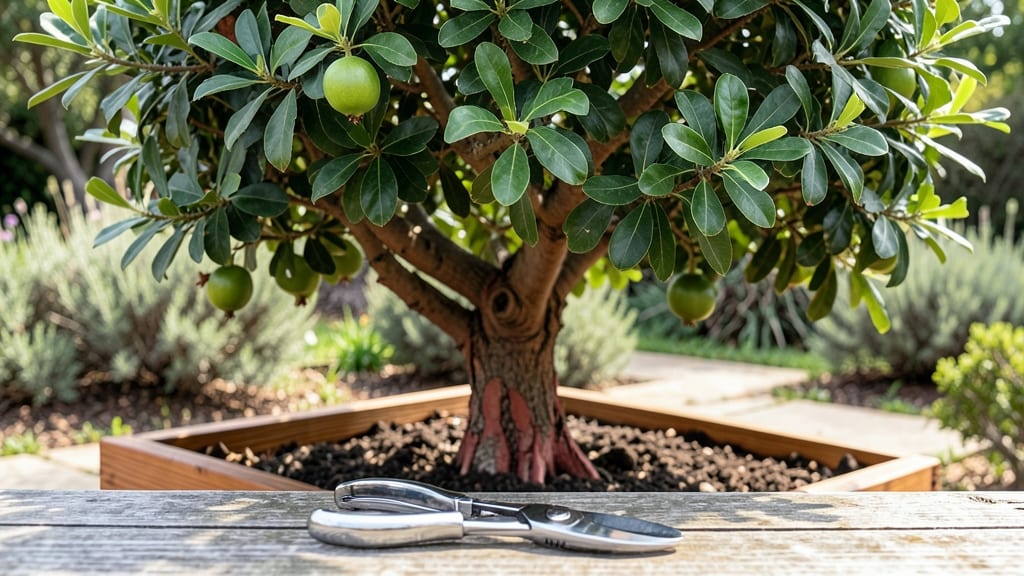
Pruning a pomegranate tree isn't just about shaping branches—it's the secret to doubling your fruit harvest every season. I learned this the hard way after years of pruning too late, leaving my tree looking lopsided with tiny, bitter fruits.
The key is timing: late winter or early spring when the tree is dormant but about to burst with new growth.
You only need three basic tools: sharp pruning shears for small branches, loppers for thicker stems, and gloves to protect against the tree's thorns. The goal is to open up the center so sunlight reaches all the way in—this is where fruit production happens.
Start by removing any dead, crossing, or weak branches first, then thin out crowded growth to improve airflow.
📚 In This Guide
- What you need
- Instructions
- Tips and common mistakes
- Wrapping up and next steps
What you need
- ● Pruning shears (bypass or anvil type) – Choose sharp, clean shears (4-6 inch blades) for clean cuts. Disinfect with rubbing alcohol between cuts to prevent disease spread.
- ● Loppers – For thicker branches (1-2 inches in diameter). Opt for bypass loppers for precision.
- ● Hand pruners (felco or similar) – For smaller branches and detailed trimming (3-5 inch blades).
- ● Saw (pruning or handsaw) – For branches thicker than 2 inches. A curved pruning saw works best.
- ● Gloves (gardening or heavy-duty) – Protect your hands from thorns and sap. Leather or reinforced gloves are ideal.
- ● Disinfectant (rubbing alcohol or 10% bleach solution) – Clean tools between cuts to avoid bacterial/fungal spread.
- ● Rag or paper towels – For wiping tools and hands.
- ○ Pruning sealant (optional but helpful) – A tree wound sealant (like Tanglefoot) to coat large cuts and prevent disease entry.
- ● Ladder or step stool – If your tree is taller than 6 feet. Ensure it’s stable and non-slip.
- ● Bucket or bag – For collecting pruned branches (compost or dispose of them).
- ● Notebook & pencil – To sketch your tree’s structure or mark cuts for reference.
- ● Safety glasses – To shield eyes from debris or sap splashes.
- ● Long sleeves & pants – Extra protection from thorns and sun exposure.
- ● Tree spray (copper fungicide) – If your tree shows signs of disease before pruning.
- ● String or twine – For temporarily tying branches to support new growth.
- ● Camera or phone – Snap photos of your tree’s structure before pruning for future reference!
Step-by-step guide for pruning a pomegranate tree
Pruning pomegranates isn't just about shaping—it’s how you ensure fruit production and tree health.
Plan Your Pruning Season
Pomegranates respond best to late winter or early spring pruning, just before new growth begins. This timing prevents disease spread and lets the tree heal before summer heat. Avoid pruning in fall—it opens wounds that won’t close before winter’s chill arrives.
Here’s the thing—you’ll want to prune again lightly in summer after fruit sets. This removes any suckers or overly vigorous branches that compete with fruit production. Just trim back 10-15% of new growth to keep the tree balanced.
Gather Your Tools and Safety Gear
You’ll need clean, sharp pruning shears for small branches and loppers for thicker stems. A sterilizing solution (1 part bleach to 9 parts water) is critical—dip tools between cuts to prevent bacterial spread. Wear gloves too; pomegranate thorns are serious business.
I always lay down a tarp or old sheet first. Pomegranate branches drop leaves and thorns everywhere, and cleanup takes longer than the pruning itself. Trust me, you’ll thank yourself later.
Remove Dead, Diseased, or Crossing Branches
Start by cutting out any dead or diseased wood—these branches won’t produce fruit and can spread problems. Look for gray, brittle stems or blackened spots on bark. Cut back to the main trunk or a healthy lateral branch, making your cuts at a 45-degree angle just outside the branch collar.
Next, remove crossing or rubbing branches—these create wounds where disease enters. If two branches grow too close, choose the stronger one and cut the other at its base. You’ll see new growth fill in the gaps within weeks.
Thin Out Overcrowded Branches
Pomegranates fruit best on older wood, so focus on opening the center of the tree to let light and air circulate. Remove up to 30% of the oldest, thickest branches to encourage younger, fruit-bearing growth. Cut these back to a side branch or outward-facing bud—never leave a stub.
Watch for water sprouts (thin, fast-growing shoots) and suckers (shoots from the base). These steal energy from fruit production. Snip them off at the base—no need for fancy cuts here, just clean removal.
Shape for Airflow and Fruit Access
Pomegranates thrive with an open vase shape, so aim for a rounded canopy with branches spaced 12-18 inches apart. This prevents humidity buildup in the center, which invites fungal diseases. Step back often to visualize the tree’s structure—you’re sculpting, not hacking.
Leave 3-5 main scaffold branches (the largest, sturdy limbs) and prune others to maintain balance. If a branch grows too vertically, cut it back to encourage outward growth. You’ll know you’ve done it right when sunlight reaches the center of the tree.
Tips & tricks for pruning a pomegranate tree
Took me a while to figure these out, so here goes—these details make all the difference between a healthy, fruitful pomegranate and one struggling to produce.
Season Timing: The late winter/early spring pruning window is non-negotiable for pomegranates. This is when the tree is dormant but just about to wake up—perfect for making clean cuts that heal quickly. I’ve seen trees pruned in fall develop fungal infections because those fresh cuts can’t seal properly before winter’s chill sets in.
Tool Sterilization: That bleach solution (1 part bleach to 9 parts water) isn’t just a suggestion—it’s essential. I learned this the hard way after my first pruning session left my tree with a mysterious dieback. Always sterilize tools between cuts, especially when dealing with diseased branches. For extra protection, wipe tools with rubbing alcohol after each use.
Cutting Technique: Those 45-degree angles aren’t just for looks—they help water run off the cut, preventing rot. When cutting back to a healthy lateral branch, make sure you’re cutting just outside the branch collar (that swollen area where the branch meets the trunk). This ensures the wound heals properly and new growth emerges from the right spot.
Summer Maintenance: That light summer pruning (10-15% of new growth) is where most people go wrong. Don’t overdo it—you’re not trying to shape the tree so much as control its energy. Focus on removing those water sprouts and suckers at their base; they’re like weeds stealing nutrients from your fruit production. A quick once-over every summer keeps things balanced without stressing the tree.
Pro Tips for Prune A Pomegranate Tree
- Took me a while to figure these out, so here goes—these details make all the difference between a healthy, fruitful pomegranate and one struggling to produce.
- Season Timing: The late winter/early spring pruning window is non-negotiable for pomegranates.
- Tool Sterilization: That bleach solution (1 part bleach to 9 parts water) isn’t just a suggestion—it’s essential.
Frequently asked questions
Got questions about pruning your pomegranate tree? You’re not alone! Here are some of the most common concerns—plus clear, actionable answers to keep your tree thriving.
When is the best time to prune a pomegranate tree?
The ideal time is late winter or early spring (just before new growth starts). However, you can also do light pruning after harvest (fall) to shape the tree. Avoid pruning during active flowering or fruiting—this stresses the tree and reduces yield.
Can I prune a pomegranate tree in summer?
Summer pruning is possible but risky. If you must prune, do it early summer (before heat peaks) to minimize stress. Avoid heavy cuts—focus on removing only dead or diseased branches. Water deeply before and after to help recovery.
Will pruning reduce my pomegranate harvest?
Not if done correctly! Pruning increases fruit quality and quantity by improving airflow and sunlight exposure. However, over-pruning (removing >30% of foliage at once) can reduce yield. Stick to 10–25% annual cuts for optimal results.
What if my pomegranate tree has pests or disease after pruning?
Pruning opens wounds, making trees vulnerable to pests like aphids or fungal infections. Sanitize tools with rubbing alcohol, remove infected branches immediately, and apply neem oil or copper fungicide if needed. Keep the area clean to deter reinfestation.
Do I need to prune a young pomegranate tree?
Yes! Young trees (under 3 years) benefit from structural pruning to encourage a strong framework. Focus on removing water sprouts (shoots growing straight up) and thinning crowded branches. This sets the stage for a healthier, more productive tree long-term.
Wrapping up and next steps
Pruning your pomegranate tree might seem daunting at first, but with the right tools, timing, and techniques, you’ll soon be harvesting plump, juicy fruits like a pro! 🌱 Remember, consistency is key—whether you’re shaping young branches or maintaining an established tree, each cut brings you closer to a bountiful harvest.
Now that you’re armed with knowledge, grab those pruners and get ready to transform your tree into a thriving fruit powerhouse!
Your next step? Mark your calendar for the ideal pruning seasons and check out our seasonal guide to stay ahead of the game. Happy pruning—and may your pomegranates be bursting with flavor! 🍇✨