
Pruning
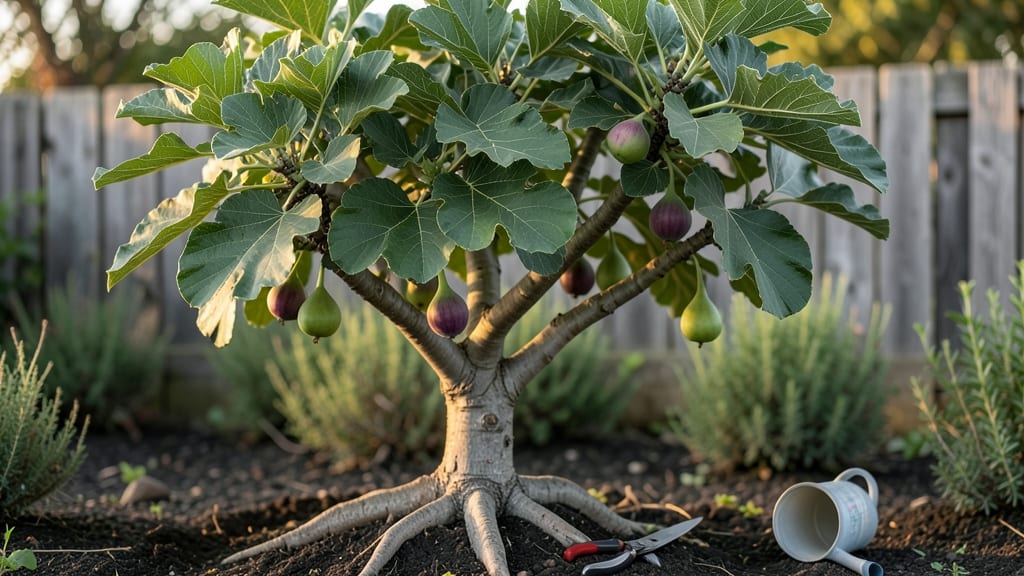
Growing a fig tree from bare roots to fruit-laden branches is one of the most rewarding gardening adventures you’ll ever take—though I’ll admit, my first attempt ended with a sad, frost-bitten sapling. 🌱 The secret isn’t just sunshine and water; it’s knowing when to prune, how to protect those tender new shoots, and which varieties play nice in your climate.
I’ve since grown enough figs to share jars with neighbors, and the process is simpler than you’d think once you understand the basics.
You’ll need a sunny spot—figs crave at least 6 hours of direct light daily—and soil that drains like a dream, because soggy roots mean trouble. For containers, a 15-gallon pot works wonders, while in-ground plantings thrive in well-amended soil with a touch of compost.
Varieties like ‘Celeste’ or ‘Brown Turkey’ are beginner-friendly, while ‘Desert King’ handles heat like a champ. The real magic happens when you time your pruning right after harvest to encourage next year’s fruit.
By late summer, you’ll be plucking sweet, sun-warmed figs straight from the tree—no grocery store in sight. The first harvest is the best, but the real payoff comes when your tree matures and starts producing pounds of fruit with almost no effort.
Even in colder zones, a little winter protection keeps these Mediterranean natives happy year after year. Let’s get those roots in the ground—or pot—so you can taste the difference fresh figs make.
Whether you’re growing in a pot on your patio or planting directly in the garden, the same principles apply. Fig trees are forgiving once you understand their needs, and the rewards—juicy, honey-sweet fruit—make every bit of effort worthwhile. Ready to turn your sunny corner into a fig oasis?
📚 In This Guide
- What you need
- Instructions
- Tips and common mistakes
- Wrapping up and next steps
What you need
- ● Fig tree variety: Choose between Ficus carica (common fig) or other cold-hardy types like Chicago Hardy or Celeste.
- ● Healthy plant: Seedling (from a nursery or online)
- ● OR rooted cutting (4–6 inches long, with at least 2–3 nodes)
- ● OR bare-root fig tree (for transplanting in early spring)
- ● Well-draining soil: Mix 1 part potting soil with 1 part perlite or coarse sand (figs hate soggy roots!).
- ● Container or planting site: For containers: 5–10 gallon pot with drainage holes (terracotta or fabric pots work best).
- ● For ground planting: Full sun spot (6+ hours/day) with loose, rocky soil (amend clay soil with compost).
- ● Pruning tools: Sharp bypass pruners (for clean cuts)
- ● Sterilized hand pruners (for small branches)
- ● Loppers (for thicker branches, ½–1 inch in diameter)
- ● Mulch: 2–3 inches of organic mulch (straw, wood chips, or pine needles) to retain moisture and regulate soil temp.
- ● Rooting hormone (for cuttings—speeds up root growth by 30%).
- ● Grafting tape (if grafting scions onto rootstock).
- ● Soil moisture meter (figs prefer dry soil—overwatering is their #1 enemy!).
- ● Fertilizer: Balanced 10-10-10 (spring) for new growth
- ● Low-nitrogen 5-10-10 (summer) to boost fruit production
- ● Drip irrigation system (for containers or dry climates—figs hate wet leaves!).
- ● Frost cloth (for young trees in zones below 7–8).
- ● Glove (to protect hands from thorns and sap).
Step-by-Step guide to planting and establishing your fig tree
Here's the straightforward approach I've used to grow thriving fig trees—whether from cuttings or nursery stock.
🌱 Step 1: Choose and Prepare Your Planting Site
Figs thrive in full sun, so select a location that receives at least 6-8 hours of direct sunlight daily. The spot should have well-draining soil—they absolutely hate soggy roots. If your soil is heavy clay, amend it with 2-3 inches of compost mixed into the top 12 inches of soil.
Dig a hole twice as wide as the root ball but only as deep as the container it came in. Figs don't like being buried too deep, which can suffocate the roots. Loosen the sides of the hole with a shovel to encourage root spread. Here's the thing—figs grow fast, so give them room to establish without crowding nearby plants.
🪴 Step 2: Plant Your Fig Tree Properly
Gently remove the fig from its container and examine the roots. If they're circling or tightly bound, tease them apart with your fingers—this prevents girdling as the tree matures. Place the tree in the hole so the top of the root ball sits 1-2 inches above ground level. Figs often grow multiple trunks, so position them symmetrically for balance.
Backfill the hole with native soil mixed with 1 cup of balanced 10-10-10 fertilizer (this gives them an immediate nutrient boost). Water deeply to settle the soil and eliminate air pockets. You'll know it's right when the soil surface looks slightly damp but not glistening. Mulch around the base with 2-3 inches of wood chips, keeping it 6 inches away from the trunk to prevent rot.
☀️ Step 3: Water and Maintain Through the First Year
Water your fig tree deeply once a week during the first growing season, providing 1-2 gallons per watering depending on pot size. The goal is to encourage deep root growth—not frequent shallow watering. You'll see this working when the leaves stay a vibrant green and the soil feels dry 2-3 inches down between waterings.
In late winter or early spring, prune any dead, crossing, or weak branches using clean, sharp pruners. Figs produce fruit on both old and new wood, so avoid heavy pruning—just shape the tree to open the canopy for sunlight penetration. Real talk: Over-pruning in the first year can delay fruiting, so keep it light.
✂️ Step 4: Encourage Fruit Production Year After Year
Once your fig tree is established (usually after 2-3 years), it's time to focus on fruit production. In early spring, apply 1 cup of 5-10-10 fertilizer around the drip line, keeping it 6 inches away from the trunk. Water thoroughly after fertilizing to help nutrients penetrate the soil. Figs are heavy feeders, so repeat this every 4-6 weeks during the growing season.
Watch for figs forming in late spring or early summer—they'll appear as small, green bumps where branches meet the trunk. Here's where it gets fun: Figs ripen at different times on the same tree, so check them every 2-3 days once they start coloring. Harvest when they're soft to the touch and slightly yielding—this ensures peak sweetness.
Tips & tricks for perfect fig tree establishment
These essential insights will help you avoid common pitfalls and set your fig tree up for long-term success—no guesswork required.
Sunlight Strategy: While the instructions specify 6-8 hours of direct sunlight, I've found that morning sun is most critical. Figs need that intense morning light to kickstart photosynthesis, so position your tree to catch those early rays. If you're in a hot climate, afternoon shade helps prevent leaf scorch—just don't let it drop below 4-5 hours of sunlight, or you'll delay fruiting.
Root Care Secret: When teasing apart circling roots in Step 2, don't just pull them—gently separate them with your fingers while holding the root ball underwater. This prevents damage and makes the roots more flexible. After planting, I like to add a handful of mycorrhizal fungi to the backfill soil (optional but game-changing). These beneficial microbes help roots absorb water and nutrients more efficiently, giving your tree a stronger start.
Watering Wisdom: The once-weekly deep watering is perfect, but here's the thing about that 2-3 inch soil dryness check: Use a soil probe or long screwdriver to verify moisture at that depth. Sandy soils dry faster—you might need to water every 5 days in summer. A simple rain gauge near your tree helps track natural water input so you can adjust your schedule. Overwatering is the #1 killer of young figs, so when in doubt, wait one more day.
Fertilizer Timing: That first 1 cup of 10-10-10 fertilizer in Step 2 gives your tree a great start, but here's what nobody tells you—figs actually prefer slightly less nitrogen than that ratio suggests. After the initial planting, switch to a 5-10-10 blend (or even 3-4-6) to encourage fruiting over leafy growth. I apply mine in early spring and again after harvest, but skip it in late summer to let the tree harden off for winter.
Pro Tips for Fig Tree
- These essential insights will help you avoid common pitfalls and set your fig tree up for long-term success—no guesswork required.
- Sunlight Strategy: While the instructions specify 6-8 hours of direct sunlight, I've found that morning sun is most critical.
- Root Care Secret: When teasing apart circling roots in Step 2, don't just pull them—gently separate them with your fingers while holding the root ball underwater.
Frequently asked questions
Got questions about growing your own fig tree? You’re not alone! Here are some of the most common queries—plus straightforward answers to help you nurture a thriving tree.
When is the best time to plant a fig tree?
The ideal time to plant a fig tree is in early spring after the last frost, when soil temperatures are consistently above 60°F (15°C). This gives roots time to establish before summer heat. For container growing, plant in late spring to avoid winter stress.
How cold can fig trees tolerate?
Most fig varieties (like ‘Brown Turkey’ or ‘Celeste’) survive down to 15–20°F (-9 to -7°C), but young trees or tropical types (e.g., ‘Black Mission’) need winter protection. Mulch heavily, wrap the trunk, or grow in containers and move indoors during freezes.
How long does it take for a fig tree to bear fruit?
Patience is key! Dwarf varieties may fruit in 2–3 years, while standard trees take 3–5 years. Ensure full sun, well-draining soil, and consistent watering to speed up the process. Prune strategically to encourage stronger growth.
Can I grow a fig tree in a pot?
Fig trees thrive in containers with at least 15–20 gallons of space. Use a fast-draining mix (like cactus soil), and choose a pot with drainage holes. Move pots to a sunny spot in summer and bring them indoors (or protect from frost) in winter.
What pests should I watch for, and how do I treat them?
Common pests include aphids, spider mites, and fig beetles. Spray infested areas with soapy water or neem oil. For beetles, handpick them or use row covers. Healthy trees (with proper pruning and water) are less vulnerable!
How do I revive a struggling fig tree?
Revive a wilting fig by checking for root rot (overwatering) or drought stress (underwatering). Adjust watering, trim dead branches, and fertilize lightly with citrus-specific fertilizer. If roots are healthy but growth stalls, prune to encourage new shoots.
Wrapping up and next steps
Growing a fig tree is a rewarding journey that blends patience, care, and a touch of creativity! 🌱 Whether you’re pruning for shape, health, or harvest, remember that consistent attention—especially during dormancy and fruiting seasons—is key.
With the right tools, timing, and techniques, your tree will thrive and treat you to sweet, sun-ripened figs year after year.
Ready to take the next step? Start small: pick one pruning task—like shaping your tree or removing dead branches—and observe how your fig responds. Over time, you’ll build confidence and a deeper connection to your tree. Happy growing! 🌿