
Planting
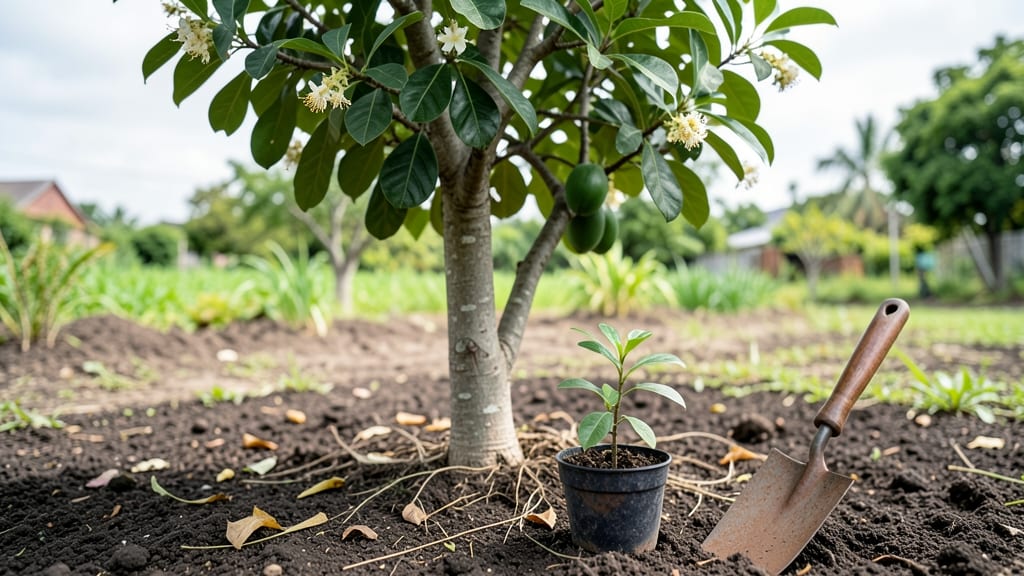
Planting a guava tree means sweet, fragrant fruit within 2-3 years—if you get the start right. 🌱 I learned the hard way that guavas thrive in warm climates (zones 9-11) but need the perfect spot to avoid stunted growth or fruit drop.
The secret isn’t just digging a hole; it’s matching soil, sunlight, and water to what guavas actually crave in their native tropics.
Start with a healthy sapling from a nursery—avoid those with yellow leaves or soft stems. Your planting site needs full sun (6+ hours daily) and well-draining soil; amend heavy clay with compost or sand.
Space trees 15-20 feet apart unless you’re growing dwarf varieties, which stay compact. Water deeply after planting, but don’t drown the roots—guavas hate soggy soil.
Within a month, you’ll see new growth, but the real magic happens in year 2-3 when flowers appear. Prune young trees to encourage a strong structure, and fertilize lightly in spring with citrus-friendly nutrients.
The first fruits might be small, but each one is a reward for patience—imagine plucking ripe guavas straight from your backyard.
This works for container growing too (in pots 18+ inches deep), though fruiting takes longer. Just keep the soil warm and protect from cold snaps. Let’s get that tree in the ground before summer heat sets in!
📚 In This Guide
- What you need
- Instructions
- Tips and common mistakes
- Wrapping up and next steps
What you need
- ● Guava seeds or saplings: 1–3 (seeds take longer to bear fruit; saplings from a nursery are faster).
- ● Well-draining potting mix or garden soil: 5–10 gallons (amend with compost for better fertility).
- ● Pot (if starting indoors): 1–2 (5–7 gallon size with drainage holes).
- ● Shovel or trowel: 1 (for digging holes).
- ● Garden fork or pruners: 1 (for loosening soil or trimming).
- ○ Organic fertilizer (balanced NPK 10-10-10 or citrus-specific): 1–2 lbs (optional but recommended).
- ● Mulch (straw, wood chips, or pine bark): 2–3 inches (to retain moisture).
- ● Watering can or hose with a gentle spray nozzle: 1 (for hydration).
- ● Sunlight access: Full sun (6+ hours/day) or partial shade (if in extreme heat).
- ● Grow lights (if indoors): 1–2 (for seedlings needing extra light).
- ● Drip irrigation system: 1 (for consistent watering).
- ● Pest control (neem oil or insecticidal soap): 1 bottle (for aphids or mites).
- ● Support stakes (if young sapling is top-heavy): 1–2 (3–4 ft tall).
- ● Soil pH test kit: 1 (ideal pH: 6.0–7.5).
Step-by-step instructions for planting a guava tree
Here's how to give your guava tree the perfect start—where it thrives and bears fruit.
🌱 Step 1: Choose the Right Location and Prepare the Soil
Guavas need full sun—at least 6-8 hours daily—and well-draining soil. I always pick the sunniest, warmest spot in my yard, since guavas hate cold drafts or soggy roots. If your soil feels heavy or clay-like, mix in 3-4 inches of compost or sand to improve drainage.
Dig a hole twice as wide as the root ball but only as deep as the container it came in. Guavas dislike being buried too deep, which can suffocate the roots. Loosen the sides of the hole with a shovel to help roots spread easily when planted.
🪴 Step 2: Plant the Guava Tree at the Correct Depth
Remove the tree from its container and gently tease the roots apart if they’re circling. Place it in the hole so the top of the root ball sits level with the ground—never buried deeper. Guavas often grow grafted, so the graft union (a visible bump near the base) should stay 1-2 inches above soil level to prevent rot.
Backfill the hole with native soil, pressing lightly around the edges to remove air pockets. Water deeply right after planting to settle the soil and encourage root contact. You’ll know it’s right when water drains freely without pooling—guavas hate wet feet.
☀️ Step 3: Water and Mulch for Strong Establishment
Water once a week for the first month, giving 1-2 gallons per tree each time. After that, reduce to every 10-14 days, depending on rainfall, since guavas are drought-tolerant once established. Overwatering is the #1 killer—always let the top 2 inches of soil dry out before watering again.
Spread 2-3 inches of mulch (like wood chips or straw) around the base, keeping it 6 inches away from the trunk to prevent rot. Mulch keeps roots cool and retains moisture, but don’t pile it high—guavas need airflow at the base to stay healthy.
⏰ Step 4: Protect and Fertilize for Fruit Production
Guavas need regular feeding to fruit well. After 3 months, apply a balanced 10-10-10 fertilizer (follow package rates) in early spring and again in mid-summer. Avoid heavy nitrogen—it boosts leaves but stunts fruit. You’ll know it’s working when new growth appears within 2-3 weeks of fertilizing.
Young trees benefit from light pruning to shape the canopy, but wait until they’re 1-2 years old before cutting back. Remove any dead or crossing branches with clean, sharp pruners, and always make cuts just above a leaf node. This encourages stronger growth and better fruit set.
Tips & tricks for planting guava trees
Took me a while to figure these out, so here's how to avoid common pitfalls—and help your guava tree thrive from day one.
Sunlight Secret: While the instructions call for 6-8 hours of daily sun, I've found guavas actually benefit from morning sun and afternoon shade in hot climates. If your tree gets intense afternoon sun, consider planting it near a wall or fence that provides some afternoon shade—this prevents sunburn on the leaves, which can stress young trees.
Soil Prep Pro Tip: Before mixing in that 3-4 inches of compost or sand, do a quick soil test by digging a small hole and filling it with water. If it drains within 10 minutes, your soil is already well-draining. If water remains after 30 minutes, you definitely need to amend it. I've seen too many guava trees fail because their roots stayed too wet.
Watering Wisdom: The first month's weekly watering is critical, but I've learned to check soil moisture before watering. Stick your finger about 2 inches into the soil—if it feels dry, that's your cue. Overwatering is the silent killer, so always let the top 2 inches dry out completely before watering again. A moisture meter makes this easy, but even a simple finger test works.
Fertilizer Timing: When applying that 10-10-10 fertilizer after 3 months, I've found it's better to split the dose into two applications—half in early spring and half in mid-summer. This prevents nutrient overload that can burn young roots. Also, always water the tree thoroughly before and after fertilizing to help distribute nutrients evenly.
Pro Tips for Plant Guava Tree
- Took me a while to figure these out, so here's how to avoid common pitfalls—and help your guava tree thrive from day one.
- Sunlight Secret: While the instructions call for 6-8 hours of daily sun, I've found guavas actually benefit from morning sun and afternoon shade in hot climates.
- Soil Prep Pro Tip: Before mixing in that 3-4 inches of compost or sand, do a quick soil test by digging a small hole and filling it with water.
Frequently asked questions
Got questions about growing your own guava tree?
Here are answers to the most common concerns—so you can plant with confidence and enjoy sweet rewards!
What’s the best time of year to plant a guava tree?
Plant guava trees in early spring (after the last frost) or late summer for warm-weather climates. They thrive in heat but need time to establish roots before cooler months. Avoid planting in winter if temperatures dip below 40°F (4°C)—young trees are sensitive to frost!
How long does it take for a guava tree to bear fruit?
With ideal conditions, guava trees can produce fruit in 2–4 years, but dwarf varieties may fruit sooner (as early as 1–2 years). Patience is key—focus on proper care (water, sunlight, and soil) to speed up the process.
Can I grow a guava tree in a pot, or does it need to be planted in the ground?
Yes! Guava trees adapt well to large containers (15+ gallons) if you live in a cold climate or have limited space. Use well-draining soil and repot every 2–3 years. Just ensure the pot gets full sun and you’re prepared to move it indoors if temperatures drop below 30°F (-1°C).
Why aren’t my guava tree leaves turning green, or are they yellowing?
Yellow leaves often signal overwatering, nutrient deficiency, or poor drainage. Check soil moisture (it should be dry 1–2 inches down) and ensure your tree gets 6+ hours of sunlight daily. A balanced fertilizer (like 10-10-10) in spring can also help.
How do I know if my guava tree is healthy enough to produce fruit?
A healthy guava tree shows dark green, glossy leaves, steady growth, and small white/pink flowers. Avoid pruning heavily during fruiting seasons, and ensure it’s in well-draining soil with a pH of 5.0–7.0. If flowers appear but drop off, it may need more sunlight or consistent watering.
Wrapping up and next steps
Planting a guava tree is a rewarding journey that brings sweet, tropical flavors right to your backyard! 🌱 By following the right steps—choosing the perfect spot, preparing the soil, and nurturing your sapling—you’ll set the stage for a thriving fruit tree.
Remember, patience and care are key, especially in the early stages.
Now that you’re armed with knowledge, take the next step: grab your tools, pick a sunny day, and get planting! Whether you’re a beginner or a seasoned gardener, your guava tree will thank you with delicious harvests in just a few years. Happy growing! 🌿