
Planting
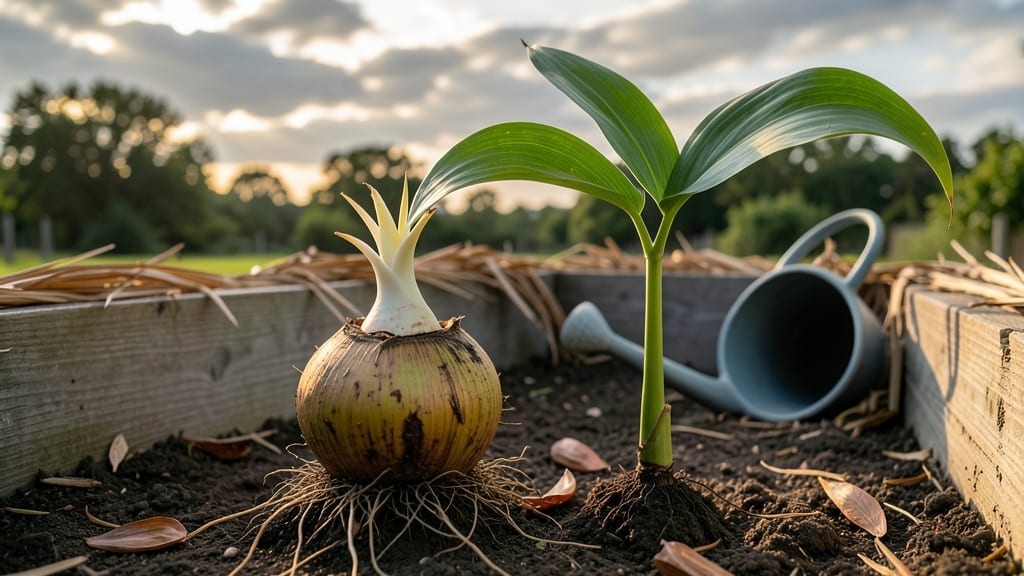
Planting a coconut tree from a coconut lets you grow your own tropical paradise—right in your backyard. 🌴 I’ve watched brown-eyed coconuts sprout into towering palms, and the process is simpler than you’d think, especially if you live in zones 10-12.
The key is starting with the right coconut and giving it the warmth and moisture it craves.
You’ll need a mature coconut with a firm husk, a sharp knife or drill, and a sunny spot with well-draining soil. Soak the coconut for 24 hours to soften the husk, then drain the water and poke holes near the brown base to encourage germination.
Plant it just deep enough so half the coconut sits above soil—this prevents rot while keeping the roots moist. Patience is key, as germination can take 4-12 weeks, depending on temperature.
Once sprouted, your seedling will need consistent moisture but no soggy soil. Keep it in bright, indirect light until it’s tall enough to handle direct sun, which strengthens the trunk and encourages rapid growth.
In ideal conditions, you could see a 10-foot palm in just a few years—though slower growth is normal in cooler climates. The payoff? Fresh coconuts, shade, and a piece of the tropics in your own yard.
If you’re in a subtropical zone, protect young trees from cold snaps with frost cloth. Rot is the biggest threat, so avoid overwatering and ensure good drainage. With the right care, your coconut tree could outlive you—and that’s a legacy worth planting. Ready to get started?
📚 In This Guide
- What you need
- Instructions
- Tips and common mistakes
- Wrapping up and next steps
What you need
- ● 1 mature coconut – Choose a fresh, unrefrigerated coconut with a firm husk (avoid pre-shucked or dried ones).
- ● Sharp knife or coconut cutter – A serrated knife or coconut opener works best for slicing through the husk.
- ● Well-draining potting mix or garden soil – A blend of coconut coir, perlite, and compost (3:1:1 ratio) is ideal for seedlings.
- ● Small pot (6–8 inches deep) – Use a container with drainage holes to prevent root rot.
- ● Watering can or spray bottle – For gentle, consistent moisture without over-saturating the soil.
- ● Plastic wrap or humidity dome – Keeps the coconut moist while it germinates (a clear plastic bag or glass jar works too!).
- ● Sunny spot or grow light – Coconut seedlings thrive in bright, indirect light (6+ hours daily).
- ● Patience (and a warm climate!) – Germination can take 4–12 months, and coconuts love tropical temperatures (70–90°F).
- ○ Rooting hormone – Speeds up germination (optional but handy for stubborn coconuts).
- ● Fertilizer (balanced, low-nitrogen) – Use diluted seaweed fertilizer or fish emulsion once leaves appear.
- ● Thermometer – Ensures your coconut stays in a warm, humid environment (ideal: 80–90°F).
- ● Sturdy trellis or bamboo stakes – Supports the seedling as it grows taller (6+ feet!).
- ● Mulch (straw or wood chips) – Retains moisture and protects young roots in outdoor plantings.
Step-by-step instructions for growing a coconut tree from a coconut
Here's how to turn that beach souvenir into a towering tropical beauty.
🌱 Step 1: Select and Prepare Your Coconut
Choose a mature coconut with a brown, fibrous husk—it should feel heavy for its size, indicating a developed embryo inside. Scrub off the outer husk with water and a stiff brush to expose the hard shell. Tap the coconut firmly on a hard surface to crack it open, then carefully pry off the top third to reveal the white meat and liquid inside.
Here's the thing—you want the coconut to have a clear, sweet-smelling liquid and firm white meat. If it's dried out or smells sour, germination won't happen. Pour out most of the liquid (save some for drinking!) and scoop out the white meat, leaving a small hole where the liquid was. This hole will become your planting chamber.
💧 Step 2: Germinate the Coconut
Place the coconut in a shallow container with the hole facing upward. Fill the hole with water until the coconut floats—about half submerged. Keep it in a warm, humid spot with indirect light, like a sunny windowsill or under a grow light. Change the water every 2-3 days to prevent mold and keep it fresh.
Watch for the first sign of life: a small sprout emerging from the hole after 4-8 weeks. The sprout will look like a tiny white root, followed by a green shoot. Once the sprout reaches 2-3 inches, it's ready for planting. Real talk: if nothing happens after 3 months, your coconut might not have a viable embryo—don't give up, try another one!
☀️ Step 3: Plant the Germinated Coconut
Fill a 12-inch deep pot with well-draining potting mix, leaving the top 2 inches empty. Gently place the coconut on top of the soil with the sprout facing downward. The coconut should sit above the soil line—it won't be buried like other seeds. Press lightly around the base to secure it, but don't pack the soil too tightly.
Water the coconut until moisture seeps from the bottom of the pot, then place it in a warm, sunny spot. Coconut trees love heat and humidity, so aim for temperatures above 70°F. If your climate dips below 50°F, move the pot indoors near a sunny window or under a grow light. You'll see new leaves unfurl in 2-4 weeks, signaling strong growth.
🌿 Step 4: Transplant and Maintain Growth
Once the coconut tree reaches 18-24 inches tall and has a sturdy trunk, it's time to transplant it outdoors. Choose a location with full sun and well-draining soil. Dig a hole twice as wide as the pot but no deeper, then gently remove the coconut tree and place it in the hole, backfilling with soil. Water deeply to settle the roots and remove the pot.
Coconut trees thrive in tropical climates but can survive in USDA zones 10-11. In cooler areas, grow it in a large container and bring it indoors during winter. Water the tree when the top 2 inches of soil feel dry, but avoid overwatering—coconut trees hate soggy roots. Fertilize lightly with a balanced fertilizer every 3 months to encourage healthy growth. With patience, your coconut tree could reach 60 feet tall in ideal conditions!
Tips & tricks for growing a coconut tree from a coconut
Here's what nobody tells you about turning that beach treasure into a thriving tropical plant.
Selection Tip: The key to success starts with choosing the right coconut. Look for ones that feel heavy for their size—this indicates a well-developed embryo inside. I've tried lighter coconuts, and they just don't work. Also, avoid coconuts with cracks or holes in the shell, as these often mean the embryo has already dried out. The liquid inside should be clear and sweet-smelling, not murky or sour. This freshness is your first sign that germination is possible.
Germination Secret: During the 4-8 week germination period, keep your coconut in a spot that maintains consistent warmth—around 70°F is ideal. I've found that placing it near a sunny window with indirect light works perfectly. The water level is crucial too: it should be just enough to keep the coconut floating, not submerged. I change the water every 2-3 days to prevent mold, and always use room-temperature water. Cold water can shock the developing embryo.
Planting Strategy: When you're ready to plant, that 12-inch deep pot is your best friend. Use a well-draining potting mix—coconut trees hate soggy roots. I like to add a handful of perlite to improve drainage. The coconut should sit above the soil line, not buried like other seeds. This positioning mimics its natural tropical environment. After planting, give it a thorough watering until moisture seeps from the bottom, but don't let it sit in standing water.
Growth Hack: In cooler climates, I've had great success using a heat mat under the pot to maintain those ideal 70°F temperatures. For the first few weeks after planting, watch for those new leaves unfurling—they're your sign that everything's working. If you notice yellowing leaves, it's usually a sign of overwatering. Let the top 2 inches of soil dry out between waterings. Patience is key here—your coconut tree might take several months to show significant growth, but it's worth the wait!
Pro Tips for Plant A Coconut Tree From A Coconut
- Here's what nobody tells you about turning that beach treasure into a thriving tropical plant.
- Selection Tip: The key to success starts with choosing the right coconut.
- Germination Secret: During the 4-8 week germination period, keep your coconut in a spot that maintains consistent warmth—around 70°F is ideal.
Frequently asked questions
Got questions about growing a coconut tree from a coconut? You’re not alone! Here are answers to the most common curiosities—from timing to troubleshooting—to help you grow your tropical dream tree with confidence.
How long does it take for a coconut to sprout into a tree?
A coconut planted in the right conditions may sprout within 1–3 months, but growing into a mature tree (10+ feet tall) takes 5–10 years. Patience is key—especially in cooler climates where growth slows. Monitor moisture and warmth to speed things up!
Can I plant a coconut indoors or in a pot first?
Start indoors in a well-draining pot (6+ inches deep) with warm water and a sunny windowsill. Once roots appear (2–4 weeks), transplant outdoors after the last frost or move the pot to a sheltered outdoor spot. Just ensure it gets full sun and stays above 60°F (15°C).
Can I use a store-bought coconut (like from a grocery store) to plant?
Yes, but choose fresh, unrefrigerated coconuts with a green husk and no cracks. Avoid dried or water-packed coconuts—they’re less likely to sprout. Rinse off any preservatives, and let it dry for a day before planting. Pro tip: Look for coconuts labeled “fresh” or “organic” for better odds!
What should I do if my coconut rots or mold grows?
If mold appears, rinse the coconut with a 1:10 bleach-water solution (let it dry in sunlight), then replant. For rot, check for overwatering or poor drainage. Let the coconut sit in warm water (80°F/27°C) for 24 hours to encourage sprouting before replanting. If all else fails, try a new coconut—some just aren’t meant to grow!
Will a coconut tree grow in my climate if I live outside the tropics?
Coconut trees thrive in USDA Zones 10–11 but can survive in Zones 8–9 with winter protection (mulch, frost cloth, or container-grown pots moved indoors). In cooler areas, grow it as a houseplant or in a greenhouse. Just know: it’ll need year-round warmth and bright light to produce coconuts.
| Quick Fixes | When to Use |
|---|---|
| Rinse with bleach water (1:10 ratio) | Mold or fungal spots appear |
| Soak in warm water (80°F) for 24 hours | Coconut feels soft or mushy |
| Use a heat mat or sunny windowsill | Slow or no sprouting in cool weather |
Wrapping up and next steps
Growing a coconut tree from a coconut is a rewarding journey that connects you to nature’s tropical magic! 🌴 With patience, the right techniques, and a little care, you’ll soon witness the emergence of a lush, thriving tree.
Whether you’re dreaming of fresh coconuts or simply adding greenery to your space, every step—from selecting your coconut to nurturing the seedling—brings you closer to success.
Now that you’re armed with the how-to, why not plant your coconut today? Share your progress with fellow plant enthusiasts or explore more tropical gardening tips. Happy planting—your future coconut tree awaits! 🌱✨