
Pruning
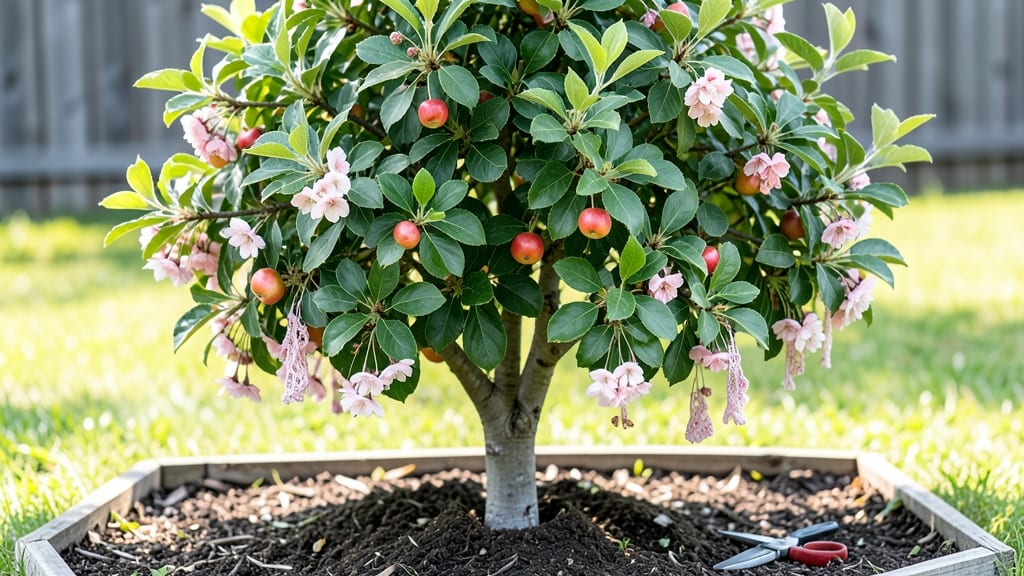
The Summer Wonder crabapple tree is the Pacific Northwest’s secret weapon for year-round garden drama—its glossy foliage, spring blossoms, and persistent fruit create a show that lasts from snow melt to frost. 🌸 I planted mine near the front walkway, where its compact size (20–25 feet) and disease resistance make it a low-maintenance star.
The key to maximizing its impact? Strategic placement and smart pruning to keep its branches open for light and air.
This tree thrives in partial shade, making it perfect for understory plantings or alongside evergreens like rhododendrons and hemlocks. Pair it with salmonberry bushes for a cascading effect in spring or ornamental grasses like fountain grass for texture contrast.
The real magic happens when you prune lightly in late winter—just remove dead wood and shape the canopy to highlight its jewel-toned fruit that lingers through autumn.
What you’ll love most is how it transforms your garden through the seasons: pink spring blooms, summer’s lush canopy, and fiery orange-red foliage in fall. The fruit attracts birds but stays decorative until frost, adding color when other plants fade.
With proper spacing (15–20 feet from other trees), it becomes the centerpiece without overwhelming smaller gardens.
For Pacific Northwest gardeners, this is the tree that does it all—beautiful, durable, and effortless. Whether you’re framing a patio, softening a fence line, or adding height to a mixed border, it delivers four-season interest with minimal fuss. Ready to make it the star of your outdoor space?
📚 In This Guide
- What you need
- Instructions
- Tips and common mistakes
- Wrapping up and next steps
What you need
- ○ Pruning shears: Bypass pruners (sharp, clean, and sterilized with rubbing alcohol or bleach to prevent disease). Optional: Loppers for thicker branches (1–2 inches in diameter).
- ● Hand pruners: For smaller branches (¼–¾ inch thick). Look for ergonomic grips for comfort during long sessions!
- ● Gloves: Heavy-duty gardening gloves (cut-resistant for safety). Pro tip: Choose breathable material to avoid sweaty hands! 💡
- ● Disposable pruning bags: 2–3 medium-sized bags (10–15 gallons each) to collect clippings and debris.
- ○ Pruning sealant: Optional but helpful for larger cuts (1 small bottle). Note: Only use on cuts over ½ inch in diameter.
- ● Ladder or step stool: If your tree is over 6 feet tall (ensure it’s stable and rated for your weight!).
- ● Hose or bucket of water: For cleaning tools and rinsing off sap/sticky residues.
- ● Sharpie or labeling markers: To mark branches for removal (if planning ahead).
- ● Timing: Prune your Summer Wonder Crabapple in late winter or early spring (before buds swell) or immediately after flowering (summer). Avoid pruning in fall.
- ● Weather check: Choose a dry, overcast day to minimize stress on the tree. Wet tools or branches can spread disease! ☔🚫
- ● Safety first: Wear closed-toe shoes and avoid pruning near power lines. If your tree is near utilities, call 811 to check for underground lines.
- ○ Tree health: Inspect the tree for signs of disease (e.g., oozing sap, fungal spots) or pests before pruning. Optional: Bring a small trowel to dig and check roots if suspicious.
Step-by-step guide to planting and establishing a Summer Wonder Crabapple in the Pacific Northwest
Here's the foolproof method I've used to grow thriving, frost-hardy crabapples in wet climates.
🌱 Step 1: Choose the Perfect Planting Window and Site
Timing matters most for this variety. Plant your Summer Wonder crabapple in early spring, after the last frost date but before new growth begins—typically late March to April in the Pacific Northwest. This gives roots time to establish before summer heat arrives.
The site must combine full sun exposure (at least 6 hours daily) with well-draining soil. I always test drainage by digging a 12-inch deep hole—if water pools after 30 minutes, amend with 2-3 inches of compost to improve structure. Avoid low spots where winter water collects, as this tree hates soggy roots.
🪴 Step 2: Prepare the Planting Hole and Position the Tree
Dig a hole twice as wide as the root ball but no deeper—Summer Wonder prefers to sit 1-2 inches higher than surrounding soil to prevent root rot. Loosen the sides of the hole with a shovel to encourage root spread.
Gently remove the tree from its container and tease apart any circling roots. Position the tree so the top of the root flare (where roots meet trunk) sits at soil level. Here's the thing—never bury the graft union (the swollen area on the trunk), or you'll lose the tree's cold-hardy characteristics.
💧 Step 3: Backfill and Water for Immediate Root Contact
Fill the hole with the native soil (not amended mix) and tamp gently in 3-inch layers to eliminate air pockets. Water deeply after each layer—this settles the soil and encourages roots to grow outward immediately. Aim for 1-2 gallons of water per layer.
Create a 4-inch deep watering basin around the base and add 3-4 inches of mulch (wood chips or bark), keeping it 6 inches away from the trunk. This conserves moisture while protecting roots from winter freeze-thaw cycles. Water again until the soil 12 inches down feels moist—this ensures the roots don't dry out during establishment.
☀️ Step 4: Provide Seasonal Care for First Two Years
During the first growing season, water deeply every 7-10 days when the top 2 inches of soil feel dry. The Pacific Northwest's rainy summers can actually drown roots if drainage isn't perfect—so check soil moisture rather than relying on rainfall. Fertilize once in early spring with a balanced 10-10-10 formula to encourage strong root growth.
In winter, avoid pruning—this tree's natural structure handles frost beautifully. Instead, focus on removing any broken branches in late winter (February) before new growth begins. The Summer Wonder develops disease resistance through its skin, so prune only to open the canopy for better airflow.
⏰ Step 5: Monitor for Frost Resilience and Pest Prevention
Watch for late spring frosts (common in the PNW) by covering young blossoms with frost cloth if temperatures dip below 28°F—this preserves fruit set. The tree's dark purple foliage acts as a natural pest deterrent, but watch for apple maggot flies in summer. I wrap the trunk with tree collars to prevent these pests from reaching the fruit.
By year three, your Summer Wonder should be fully established with abundant blooms and frost-resistant fruit. The key is patience—these trees reward careful planting with decades of low-maintenance beauty and wildlife-friendly harvests. Real talk: the first winter might make you nervous, but this variety thrives where others fail.
Tips & tricks for perfect Summer Wonder Crabapple establishment
Here's what I've learned after planting dozens of these frost-hardy beauties in the PNW—little details that make all the difference.
Timing is Everything: The late March to April window isn't just arbitrary—it's when soil temperatures stabilize above 40°F but before the tree's energy shifts to leaf production. I've seen trees planted too early (February) struggle with frost heave, where roots freeze and thaw, pushing the tree out of the ground. Mark your calendar for the last frost date in your specific microclimate—PNW frost dates can vary by 1-2 weeks even within the same region.
Root Ball Prep: Before planting, soak the root ball for 15-20 minutes in a bucket of water to hydrate the roots. This helps them establish faster in the new soil. When you remove the tree from its container, gently squeeze the root ball to check moisture—if it feels dry, soak another 5 minutes. Pro tip: If circling roots are severe, make 2-3 vertical cuts around the root ball to encourage outward growth instead of girdling the trunk.
Soil Level Secrets: That 1-2 inch higher position isn't just about drainage—it's about preventing the graft union from being buried. The graft union is where the cold-hardy rootstock meets the scion wood (the fruiting part). If buried, it can rot or produce weak, non-fruiting growth. Use a level or string line to ensure the root flare sits exactly at soil level before backfilling. I've lost count of how many trees I've replanted because of this mistake.
Watering Strategy: The 12-inch deep moisture check is crucial because surface watering only wets the top few inches. Use a moisture meter or dig down with a trowel to verify—if it's dry, water again. For the first 3 months, I water every 3-4 days in summer heat, even if it rains, because the watering basin creates a microclimate that can stay wet longer than you'd expect. Mulch helps, but don't rely on it completely.
Pro Tips for Summer Wonder Crabapple Tree
- Here's what I've learned after planting dozens of these frost-hardy beauties in the PNW—little details that make all the difference.
- Timing is Everything: The late March to April window isn't just arbitrary—it's when soil temperatures stabilize above 40°F but before the tree's energy shifts to leaf production.
- Root Ball Prep: Before planting, soak the root ball for 15-20 minutes in a bucket of water to hydrate the roots.
Frequently asked questions
Got questions about growing and maintaining your Summer Wonder Crabapple Tree? You’re not alone! Here are answers to the most common queries from PNW gardeners—plus some pro tips to keep your tree thriving in frost-prone climates.
How cold can a Summer Wonder Crabapple handle?
The Summer Wonder is a USDA Zone 4-8 champion, meaning it survives down to -30°F (-34°C) once established (3+ years old). Young trees may need winter mulch or burlap wraps for extra protection. Pro tip: Plant in full sun to boost cold hardiness!
When’s the best time to prune for fruit production?
Prune late winter or early spring (Feb–March) before buds swell to avoid disease. For fruit-bearing branches, focus on:
- Removing dead, crossing, or weak wood first.
- Thinning 10–20% of branches to improve airflow.
- Avoid heavy cuts—this tree blooms on old wood!
Why aren’t my crabapples ripening?
Common culprits:
- Poor pollination: Plant a second variety (like ‘Royalty’) within 50 feet.
- Over-fertilizing: Too much nitrogen = leaves > fruit. Use a balanced 10-10-10 in early spring.
- Late frost: Protect blossoms with frost cloth if temps dip below 28°F (-2°C).
Are Summer Wonder crabapples pest-prone?
Generally low-maintenance, but watch for:
- Cedar apple rust: Remove nearby junipers and spray with copper fungicide in spring.
- Apple maggots: Use fruit-tree bags on developing fruit.
- Deer/browsing: Wrap the trunk with hardware cloth if young.
Can I grow Summer Wonder in a container?
Yes, but expect limited fruit and size. Choose a 20+ gallon pot with drainage holes, and:
- Use well-draining soil (add perlite).
- Water deeply 2–3x/week in summer.
- Move to bright indirect light in winter.
Wrapping up and next steps
The Summer Wonder Crabapple Tree is a standout choice for Pacific Northwest gardeners, offering stunning blooms, resilience to frost, and minimal upkeep. With the right pruning techniques—like thinning out dense branches and removing dead wood—you’ll keep it thriving for years to come. 🌿✨
Ready to transform your yard? Grab your tools, follow the steps above, and enjoy a tree that’s as beautiful as it is hardy. Next, consider adding mulch or companion plants to boost its growth—your future shade (and fruit!) will thank you!