
Pruning
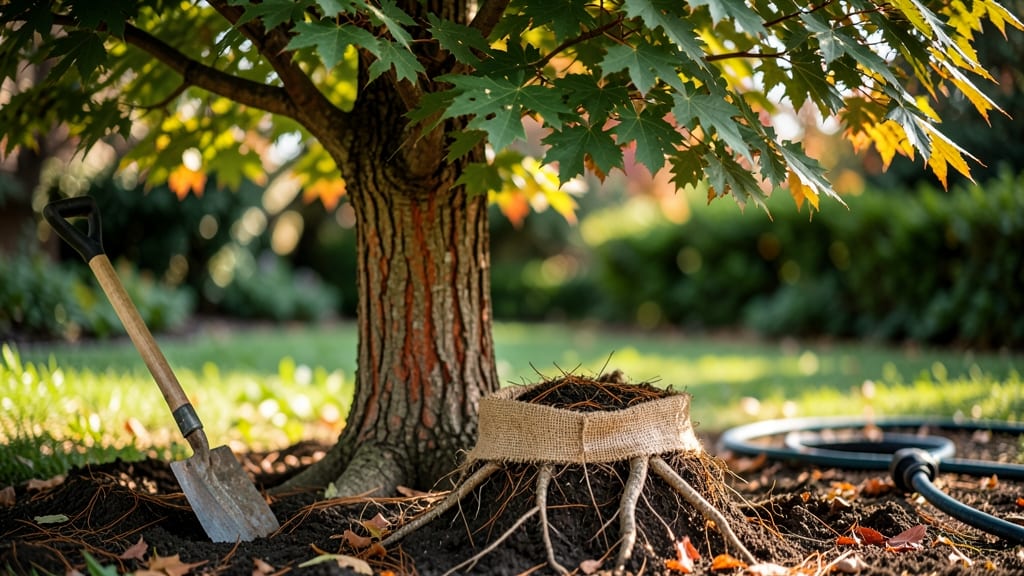
Moving a tree isn’t as daunting as it sounds—especially when you time it right and handle the roots carefully. I’ve transplanted everything from young saplings to mature maples, and the secret lies in minimizing root disturbance while keeping the tree hydrated.
The best time to move is early spring or fall, when temperatures are mild and the tree isn’t under stress from heat or drought.
You’ll need basic tools like a shovel, pruners, burlap, and a wheelbarrow, plus a plan to protect the root ball. For small trees, a 5-gallon container and some root stimulator can make all the difference.
Larger trees require more prep—think about hiring help for the heavy lifting, as even a 10-foot oak can weigh hundreds of pounds once you dig it up.
After transplanting, focus on recovery: water deeply every 2-3 days for the first month, and prune any damaged branches to reduce stress. The key is patience—most trees take 1-2 years to fully adjust, but with the right care, they’ll thrive in their new home just as well as before.
Not every tree is a good candidate for DIY moving. If you’re dealing with a 20-foot-plus specimen or a species prone to transplant shock (like willows or birches), it’s safer to call an arborist.
But for most backyard trees, a little planning turns a risky job into a simple, rewarding project.
📚 In This Guide
- What you need
- Instructions
- Tips and common mistakes
- Wrapping up and next steps
What you need
- ● Shovel or spade: A sharp, sturdy digging spade (24–36 inches long) for root excavation. For large trees, a matoko saw or digging bar may be needed.
- ○ Wheelbarrow or tarp: A large, durable wheelbarrow (or a heavy-duty tarp) to transport soil and roots. Optional: A dolly for heavy loads.
- ● Pruning shears or handsaw: For trimming roots or branches that might interfere with the move.
- ● Burlap or landscape fabric: 2–3 yards of heavy-duty burlap (or breathable fabric) to wrap roots and secure the root ball.
- ● Twine or rope: 50+ feet of strong, stretchy twine (like baling twine) to tie the burlap tightly.
- ● Garden hose or spray bottle: To keep roots and soil moist during the move.
- ● Gloves and knee pads: Thick gardening gloves and knee pads for comfort and protection.
- ● Measuring tape: To assess root ball size and digging depth.
- ● Root stimulator: A mycorrhizal fungi powder or rooting hormone to encourage regrowth post-move.
- ● Tree jack or lever: For large trees—helps lift the root ball without damaging it.
- ● Post-hole digger: If replanting in a new hole.
- ● Helper(s): Trees over 10 feet tall or with thick trunks need at least 2–3 people to lift safely.
Step-by-step guide to moving a tree safely
Here's how to relocate a tree without damaging roots or stressing the plant.
Choose the Right Season and Timing
Move your tree during its dormant season—late fall or early spring when temperatures stay above 32°F but before new growth begins. This minimizes stress and maximizes survival rates. Avoid moving during extreme heat, drought, or frost, as these conditions increase transplant shock. If you must move in summer, schedule it for a cloudy day to reduce water loss through the leaves.
Check the weather forecast for 3-5 days before moving. Ideal conditions include light winds and soil that's moist but not waterlogged. If the ground is frozen or bone-dry, wait—roots won't adapt well to transplanting under these conditions. Digging in dry soil also makes the task harder and increases root damage.
Prepare the New Location and Dig the Tree Pit
Select a new spot with similar sunlight, soil type, and drainage to the original location. The hole should be twice as wide as the tree's root ball and 12 inches deeper than the root system. This gives roots room to spread without circling, which can strangle the tree over time. Use a shovel or mechanical digger to loosen the soil gradually—don’t force it or you’ll tear roots.
Amend the native soil in the pit with 2-3 inches of compost mixed into the bottom layer. This improves nutrient availability and drainage. Avoid adding fresh mulch directly to the root ball—wait until after planting to top-dress the soil surface. Water the pit thoroughly 24 hours before transplanting to help roots settle into the moist environment.
Dig Around the Tree and Lift the Root Ball
Mark a digging circle around the tree trunk, 6-12 inches beyond the dripline (the outermost branches). Use a sharp spade to cut cleanly around the root zone, working in 1-inch increments to avoid shearing roots. For larger trees, consider hiring a professional to use a root saw or trenching tool—this reduces trauma and speeds up recovery.
Once the root ball is exposed, wrap it in burlap or tree-moving fabric to protect delicate roots from drying out. Lift the tree slowly, supporting the root ball with your hands or a tarp. If the tree is heavy, use a wheelbarrow or dolly to transport it—never drag it by the trunk or branches. Keep the root ball level at all times to prevent roots from tearing.
Plant the Tree in Its New Home
Lower the tree into the prepared hole, ensuring the top of the root ball sits 2-3 inches above ground level. This prevents soil from settling and smothering the trunk over time. Backfill the hole with native soil, tamping down gently to remove air pockets. Avoid compacting the soil too firmly—roots need loose, oxygen-rich soil to establish.
Create a watering basin around the base by mounding soil outward to direct water toward the roots. Water deeply immediately after planting to settle the soil and eliminate air gaps. Mulch the area with 2-3 inches of organic mulch, keeping it 6 inches away from the trunk to prevent rot. Water again the next day to help roots rehydrate.
Monitor and Care for the Transplanted Tree
Shade the tree for the first 2-3 weeks using a lightweight fabric or shade cloth to reduce stress from direct sunlight. Water every 2-3 days (or daily in extreme heat) until new growth appears—this keeps the root ball moist and encourages recovery. Avoid fertilizing for 3-6 months to let roots establish before competing for nutrients.
Check the tree’s leaves weekly for signs of stress, such as wilting, yellowing, or browning. If you notice these symptoms, increase watering frequency or adjust shade coverage. Most trees show signs of recovery within 4-8 weeks, but larger specimens may take up to a year to fully stabilize. Prune only dead or damaged branches during the first year—never remove healthy growth.
Tips & tricks for stress-free tree relocation
These practical insights will help you navigate the nuances of moving a tree without compromising its health or your sanity.
Seasonal Timing Precision: While late fall or early spring is ideal for moving trees when temperatures stay above 32°F, don't overlook the importance of checking the 3-5 day forecast for light winds and moist soil conditions. I've seen many well-intentioned tree moves fail because the ground was either frozen or bone-dry—both conditions create unnecessary stress on the root system. If you're working with a deciduous tree, aim for when the leaves have fully fallen but before the ground freezes solid.
Root Ball Protection Strategy: The 6-12 inch digging radius beyond the dripline is critical, but what happens after you expose those roots makes all the difference. I recommend using a tree-moving fabric instead of burlap if you're working with larger trees—it's more durable and provides better moisture retention. Once wrapped, keep the root ball level at all times during transport. I've seen roots tear when someone tries to lift a heavy tree by the trunk rather than supporting the root ball properly—this is where a sturdy tarp or wheelbarrow becomes your best friend.
Post-Planting Care Nuances: The 2-3 inch mulch layer around the base is essential, but placement matters just as much as quantity. Keep that mulch 6 inches away from the trunk to prevent rot—this is a common mistake that leads to trunk disease. Also, remember that the 24 hours of pre-watering the pit isn't just about moisture; it's about helping roots settle into their new environment before the transplant shock hits. I've found that adding a mycorrhizal fungi supplement (optional) to the planting hole can significantly improve root establishment rates in the first critical weeks.
Pro Tips for Move A Tree
- These practical insights will help you navigate the nuances of moving a tree without compromising its health or your sanity.
- I've seen many well-intentioned tree moves fail because the ground was either frozen or bone-dry—both conditions create unnecessary stress on the root system.
- Root Ball Protection Strategy: The 6-12 inch digging radius beyond the dripline is critical, but what happens after you expose those roots makes all the difference.
Frequently asked questions
Got questions about moving a tree without the stress? You’re not alone!
Here are some of the most common concerns—and practical answers—to help you plan like a pro.
When is the best time of year to move a tree?
The ideal window is late fall to early spring (dormant season), when trees aren’t actively growing. Avoid summer heat or winter freezes, which can shock roots. For young trees, even early fall works—just water them well afterward!
How do I know if my tree is too big to move safely?
If the tree is over 15–20 feet tall or has a trunk wider than 6 inches, moving it risks root damage or death. For mature giants, consider transplanting sections (like air-layering) or hiring a pro. Smaller trees (under 10 feet) are your best bet for DIY success!
Do I need special tools, or can I use household items?
You’ll need a shovel, wheelbarrow, burlap, and root pruners—but skip the fancy stuff! A garden fork works for digging, and old blankets can replace burlap in a pinch. Rent heavy equipment (like a tree spade) for stubborn roots. Pro tip: Borrow tools from neighbors to save cash!
What if my tree dies after moving?
Don’t panic! Root shock is common but fixable. Water deeply 2–3 times a week for the first month, and prune 1/3 of the foliage to reduce stress. If branches yellow or wilt, trim damaged areas and fertilize lightly. Patience is key—some trees take 1–2 years to fully recover.
Can I move a tree without digging up all its roots?
Yes! For delicate trees, try the “root ball” method: Dig a trench around the tree, lift it with a tarp, and transport the intact soil. Alternatively, topple and roll small trees (like saplings) by loosening roots first. Just avoid leaving gaps—fill them with fresh soil to prevent drying.
How long should I wait before pruning after moving?
Wait 4–6 weeks to prune unless you see dead branches. Trim only 10–15% of the canopy to avoid stress. Focus on removing broken limbs or crossing branches first. Use sterilized shears to prevent disease.
Wrapping up and next steps
Moving a tree—whether it’s a towering oak or a delicate sapling—doesn’t have to be a daunting task. With the right tools, timing, and technique, you can relocate your green companion safely and stress-free. Remember: patience, preparation, and a little elbow grease are your best allies! 🌳✨
Ready to give your tree a fresh start? Mark your calendar for the ideal moving window (like early spring or fall), gather your supplies, and dive in with confidence. And if you’re feeling ambitious, why not turn this project into a weekend adventure? Your future shade—or fruit-bearing friend—will thank you!