
Planting
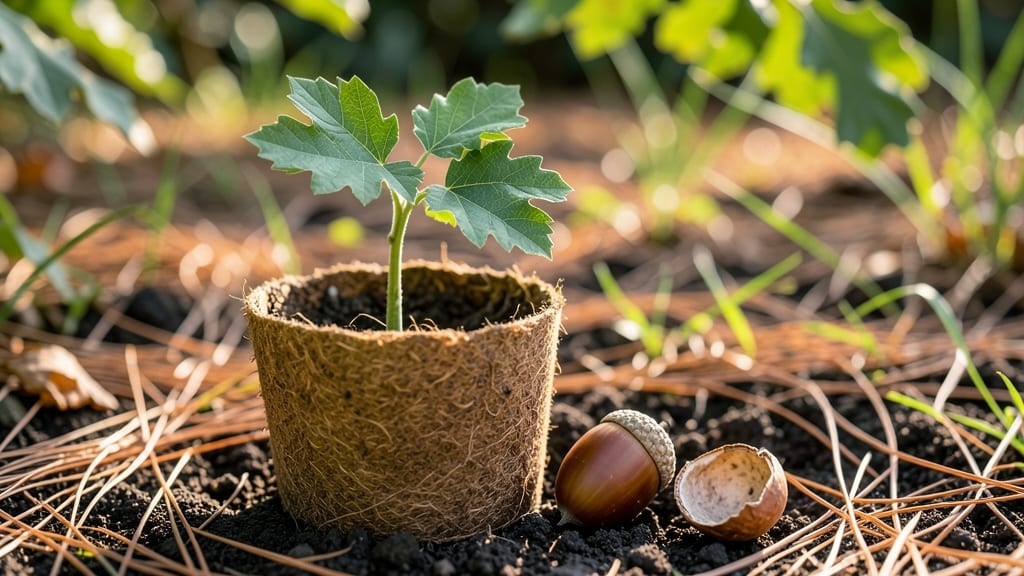
Planting an acorn to grow an oak tree is the ultimate act of patience—this tiny seed holds the promise of a towering giant that could live for centuries. 🌰 I still remember the first time I buried an acorn in my backyard, wondering if I'd ever see it grow beyond a sapling.
The magic starts with finding the right acorn, planting it at the perfect depth, and giving it time to develop roots before the first true leaves appear.
The process isn't just about digging a hole—it's about creating the ideal conditions. You'll need a well-draining, slightly acidic soil mix (think forest floor), a spot with full sun, and a shallow but deep enough planting spot to protect the acorn from drying out or rotting.
Most acorns take 6 months to a year just to sprout, and the first few years are all about nurturing that delicate seedling before it can fend for itself.
What you're really planting is a legacy—an oak that will provide shade for future generations, food for wildlife, and a home for birds and insects.
By the time it reaches 10 feet tall, you'll start seeing the first acorns of its own, and by 20 years, it could be dropping enough seeds to plant a whole new forest.
The real reward isn't in the first few years, but in knowing you helped create something that will outlive you.
Of course, there are challenges—drought, pests, and impatience—but every oak tree starts with someone who refused to give up. The key is to water deeply but infrequently once the seedling emerges and to protect it from deer and rabbits until it's strong enough to stand on its own.
If you're willing to wait, you'll end up with a tree that's not just beautiful, but essential to your local ecosystem.
📚 In This Guide
- What you need
- Instructions
- Tips and common mistakes
- Wrapping up and next steps
What you need
- ● Mature acorns: 1–3 fresh, plump acorns (preferably from a Quercus species like white oak or red oak). Look for ones with no cracks or mold!
- ● Small planting pots: 3–6 small pots (4–6 inches deep) with drainage holes, or a shallow tray with well-draining soil.
- ● Well-draining potting mix: 2–3 cups of a high-quality, sandy or perlite-amended mix (avoid heavy clay soil).
- ● Watering can or spray bottle: For gentle hydration (overwatering is the #1 enemy of acorn seedlings!).
- ○ Plastic wrap or humidity dome: A small clear bag or lid to create a mini greenhouse effect (optional but helpful for germination).
- ● Patience and a sunny spot: Acorns need warmth (60–70°F) and light to sprout—find a bright, indirect window or a greenhouse.
- ● Seed stratification kit: If your acorns aren’t fresh, a cold stratification method (like a fridge for 6–8 weeks) can boost germination rates.
- ● Fertilizer (light dose): A balanced, water-soluble fertilizer (5-5-5 NPK) after sprouting (use sparingly!).
- ● Grow lights: If natural light is limited, a simple LED grow bulb can give seedlings a head start.
- ● Journal or labels: Track planting dates, species, and growth milestones—future you will thank you!
Step-by-Step instructions for growing an oak tree from an acorn
Here's my tested method for nurturing an acorn into a mighty oak—it's all about timing and tender care.
🌱 Step 1: Collect and Prepare the Acorn
Find a healthy acorn from a mature oak tree in late fall. The cap should be intact and free of cracks or mold. I like to gather them after they've fallen naturally—they've already passed nature's first test. Store them in a paper bag in a cool, dry place until planting season.
In late winter, soak the acorn in water for 24 hours to soften the shell slightly. This helps break dormancy and encourages faster germination. After soaking, place the acorn between two damp paper towels in a sealed plastic bag. Keep it in a warm spot (65-75°F) and check daily. Germination can take 4-8 weeks, so patience is key here.
When a 1-inch root appears, it's time to plant. Don't rush—waiting for this root ensures the seedling will have the strength to establish itself properly.
🪴 Step 2: Plant the Germinated Acorn
Fill a small pot (4-6 inches deep) with a mix of 50% potting soil and 50% perlite for drainage. This prevents root rot, which is a common killer of young seedlings. Make a small hole (½ inch deep) in the center of the soil and gently place the acorn inside, root-side down.
Cover the acorn lightly with soil—just enough to hold it in place. Press down gently but don't compact the soil. Water the pot until moisture seeps from the drainage hole, then place it in a bright, indirect light spot. A south-facing window works well, but avoid direct sunlight, which can overheat the pot.
Keep the soil consistently moist but never soggy. Stick your finger in the soil—if the top ½ inch feels dry, it's time to water. Overwatering is the biggest mistake here; it can drown the delicate root before it even gets started.
☀️ Step 3: Transplant and Care for the Seedling
Once the seedling grows its first true leaves (not the initial cotyledons), it's ready for its first transplant. Choose a slightly larger pot (6-8 inches deep) with fresh potting mix. Dig a hole just deep enough to cover the root ball, then gently place the seedling in and firm the soil around it.
Move the pot to a spot with morning sun and afternoon shade for the first month. This gradual introduction to sunlight prevents leaf scorch. Water deeply once a week, allowing the top 1 inch of soil to dry out between waterings. This teaches the seedling to develop a strong root system that can handle drier conditions later.
In spring of the second year, when the seedling reaches 12-18 inches tall, it's time to transplant it outdoors. Choose a location with partial shade and well-draining soil. Dig a hole twice as wide as the root ball but only as deep as the pot. Gently remove the seedling, place it in the hole, and backfill with soil, pressing lightly to eliminate air pockets.
⏰ Step 4: Long-Term Growth and Maintenance
For the first year outdoors, protect your young oak from harsh weather. Use a tree guard or wire cage to shield it from animals and wind. Water deeply once a week during dry spells, focusing on the root zone. Avoid wetting the leaves to prevent fungal diseases like powdery mildew.
Fertilize lightly in early spring with a balanced, slow-release fertilizer (10-10-10). Too much fertilizer can burn young roots, so follow the package instructions for small trees. Prune only to remove dead or damaged branches—never prune for shape in the first few years. This ensures the tree develops a strong structure naturally.
Real talk: Growing an oak from an acorn is a decade-long commitment. The first few years are about survival, not speed. But with this care, you'll have a 100-foot giant standing strong in your landscape one day. That's the magic of patience in gardening.
Tips & tricks for perfect oak tree cultivation from acorns
Common pitfalls—and how to sidestep every one. Oak trees are resilient, but these small details make all the difference.
Germination Patience: The 24-hour soak is non-negotiable—it softens the acorn's hard shell and kickstarts germination. Here's what nobody tells you: If your acorn doesn't sprout within 4-8 weeks, it might be dormant longer. Don't give up! Place it in a warm spot (65-75°F) and check weekly. I've seen acorns take up to 12 weeks to show the first root—patience is the secret ingredient.
Soil Mix Matters: That 50-50 potting soil and perlite mix in Step 2 isn't just arbitrary—it's about drainage. Too much soil without perlite can lead to root rot, which is the silent killer of young seedlings. I learned this the hard way after losing three acorns to soggy soil. If you don't have perlite, substitute with coarse sand or small gravel, but never skip the drainage component entirely.
Light Balance: Morning sun and afternoon shade in Step 3 is crucial, but here's the trick: If you only have one sunny spot, place the pot where it gets 4-6 hours of morning light maximum. Oak seedlings can't handle the intensity of afternoon sun—they'll scorch faster than you can react. I've seen seedlings turn crispy in just a few hours of direct afternoon sun.
Transplant Timing: Waiting for the first true leaves before transplanting (not the initial cotyledons) is critical. Those first true leaves indicate the seedling has enough energy to handle the stress of repotting. Pro tip: If your seedling is still small after 3-4 months, don't rush—wait until it's at least 4-6 inches tall before transplanting to the 6-8 inch pot. Smaller seedlings struggle more with the transition.
Pro Tips for Plant An Acorn To Grow An Oak Tree
- Common pitfalls—and how to sidestep every one. Oak trees are resilient, but these small details make all the difference.
- Germination Patience: The 24-hour soak is non-negotiable—it softens the acorn's hard shell and kickstarts germination.
- Soil Mix Matters: That 50-50 potting soil and perlite mix in Step 2 isn't just arbitrary—it's about drainage.
Frequently asked questions
Got questions about growing an oak from an acorn?
You’re not alone! Here are answers to the most common queries—because patience (and a little know-how) will turn that tiny nut into a towering giant.
How long does it take for an acorn to sprout?
Acorns typically sprout in 4–8 weeks if conditions are ideal (warmth, moisture, and proper soil). Some may take longer—up to a few months—especially if planted in cooler seasons. Don’t rush it; acorns are slow but steady!
Can I plant an acorn in winter?
While fall is the best time (acorns naturally germinate then), you can plant in early spring if you stratify them first (see our tips section). Avoid freezing temps—acorns need consistent moisture and warmth (60–70°F) to sprout. If planting in winter, keep the pot indoors near a sunny window until spring.
Will my oak tree grow as big as the ones in the park?
Maybe! Oak trees can reach 60–80 feet tall, but growth depends on soil quality, sunlight, and care. Park oaks often have centuries of growth behind them—yours will take decades. With patience and proper pruning, you’ll nurture a majestic legacy (just like the old-timers!).
Why isn’t my acorn sprouting? Troubleshooting tips
Check these common issues:
- Dry soil: Acorns need constant moisture—water gently but often.
- Poor drainage: Use a mix of sand/peat to prevent rot.
- Cold temps: Acorns need warmth (try a heat mat or indoor start).
- Old/viable acorn: Fresh acorns (from this year’s crop) sprout best.
What if I don’t have an oak tree nearby? Can I order acorns?
Many nurseries and online sellers (like Arbor Day Foundation) offer acorns or saplings. Just ensure they’re from a local, disease-resistant oak species (like white or red oak) for the best success in your climate.
Wrapping up and next steps
Growing an oak tree from an acorn is a rewarding journey that blends patience with the joy of nurturing life. Remember, consistency is key—whether it’s watering, protecting your sapling, or giving it time to thrive.
With care, your tiny acorn could one day become a towering oak, offering shade and beauty for generations.
Ready to take the next step? Start small today—plant that acorn and watch nature’s magic unfold! 🌱💚