
Propagation
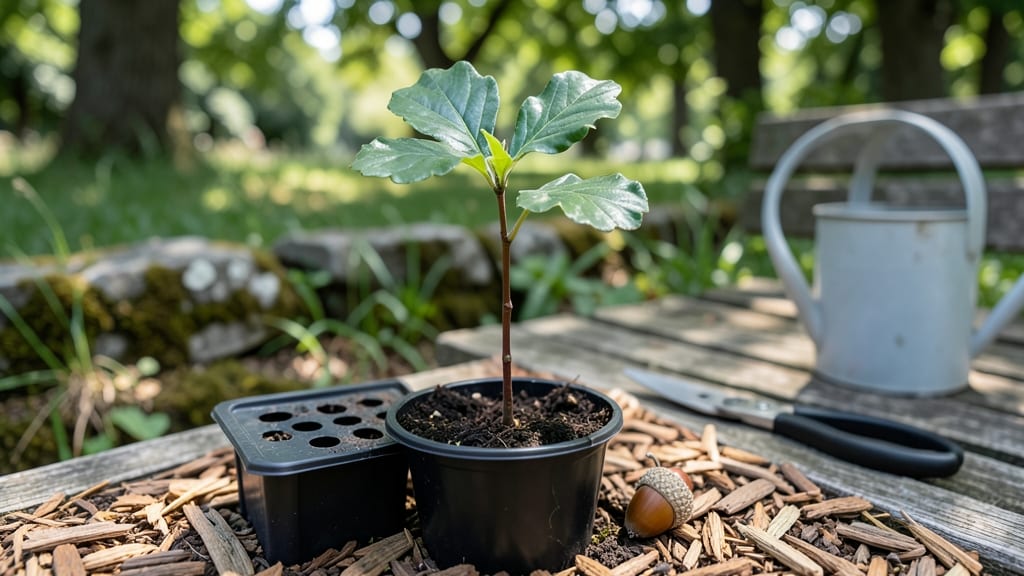
Growing an oak tree from an acorn is the ultimate long-term gardening project—one where every small step today becomes a towering canopy in decades. 🌳 I’ve watched my first acorn sprout into a sturdy sapling over five years, and the thrill of nurturing something that will outlive me is unmatched.
The key isn’t rushing it; it’s creating the right conditions for nature to take its time.
You’ll need fresh, undamaged acorns from mature oak trees, a pot or shallow trench with well-draining soil, and a sunny spot that mimics a forest floor. The real magic happens in the first few months: germination can take weeks, and early seedlings are delicate.
But once they establish roots, they’re tougher than you’d expect—even through drought or pests. Think of this as a 20-year commitment, not a quick harvest.
By year five, you’ll have a sapling tall enough to transplant outdoors, its leaves turning rich green in spring. With proper care—watering deeply but infrequently, protecting it from deer, and giving it space to spread—you’re not just growing a tree.
You’re planting a future landmark. The patience pays off in more ways than one.
This method works best in temperate climates where oak trees thrive naturally, but even in colder zones, container-grown seedlings can be overwintered. The slow growth is part of the charm: every ring in that wood tells a story you helped write. Ready to start your legacy?
📚 In This Guide
- What you need
- Instructions
- Tips and common mistakes
- Wrapping up and next steps
What you need
- ● Fresh acorns (10–20, collected from mature oak trees—white oaks or red oaks work best). Pro tip: 💡 Pick acorns from healthy trees in fall (September–October) and store them in a cool, dry place until planting.
- ● Well-draining potting mix (1–2 bags, 10–20 quarts each). Look for a blend labeled for seed starting or container gardening.
- ○ Small seed-starting trays or pots (10–20, 2–4 inches deep with drainage holes). Optional: Biodegradable peat pots can reduce transplant shock later!
- ● Plastic wrap or humidity dome (to retain moisture while the acorn germinates).
- ● Spray bottle (for gentle watering—no heavy streams!).
- ● Sunlight or grow lights (a sunny windowsill or a basic LED grow light for 12–16 hours/day).
- ● Larger container or garden plot (for transplanting after 1–2 years; 5+ gallons or a 12"x12" space in the ground).
- ● Pruning shears or scissors (for trimming acorn caps or cleaning pots).
- ● pH testing kit (to check soil acidity—oaks prefer slightly acidic soil, pH 5.0–7.0).
- ● Fertilizer (balanced, low-nitrogen) (like 10-10-10, sparingly—oaks hate over-fertilizing!).
- ● Mulch (wood chips or straw) (to protect young seedlings from weeds and temperature swings).
- ● Tree stakes & ties (for support as your oak grows—critical in windy areas!).
- ● Label markers (to track planting dates and species—trust us, you’ll forget!).
Step-by-step instructions for growing an oak tree from an acorn
Here's how to turn a single acorn into a future shade giant—with the right timing and care.
🌱 Step 1: Collect and Stratify Acorns for Germination
Gather fresh acorns in fall from mature oak trees—look for plump ones with intact caps. I like to collect them after they've fallen naturally, as store-bought acorns often lack the proper dormancy. Place them in a moist paper towel inside a sealed container, then refrigerate for 60-90 days. This cold treatment mimics winter and breaks dormancy.
Check the acorns weekly—when the paper towel feels damp but not soggy, you're maintaining ideal moisture. After 90 days, transfer them to a warm spot. You'll see the first signs of germination in 2-4 weeks when tiny white roots emerge. This is your signal to plant immediately before the root grows too long.
🪴 Step 2: Plant Acorns in a Controlled Growing Environment
Use a 4-inch deep container with well-draining soil—equal parts potting mix and perlite works best. I plant 2-3 acorns per pot since germination rates vary. Press each acorn 1 inch deep into the soil, leaving the cap on top to prevent rot. Water gently until the soil feels evenly moist but not waterlogged.
Place the container in a spot with bright, indirect light—a north-facing window or under a grow light works well. Keep the soil consistently moist by misting daily or using a humidity tray. You'll notice the first true leaves appear in 4-6 weeks, signaling the seedling has successfully established roots.
☀️ Step 3: Transplant Seedlings to Larger Pots
Once seedlings reach 6 inches tall with 4-5 leaves, it's time to move them to 6-inch pots filled with fresh potting mix. I like to transplant in early spring when new growth begins. Gently remove the seedling, keeping as much soil around the roots as possible—this minimizes shock. Place it in the new pot and firm the soil lightly around the base.
After transplanting, water thoroughly and place the pot in a sheltered spot outdoors for 1-2 hours daily to harden off. Gradually increase exposure over 2 weeks until the seedling can stay outside full-time. You'll see stronger, darker green leaves within a week—this means it's adapting well.
🌿 Step 4: Prepare for Outdoor Planting After 2-3 Years
When your oak seedling is 2-3 feet tall with a sturdy stem, it's ready for its permanent home in the ground. Choose a location with full sun and well-draining soil—oaks hate soggy roots. Dig a hole twice as wide as the root ball but no deeper. This gives roots room to spread without being buried too deep.
Water the seedling thoroughly the day before planting to reduce stress. After placing it in the hole, backfill with native soil and tamp gently. Mulch around the base with 2-3 inches of organic mulch, keeping it 6 inches away from the trunk to prevent rot. Water deeply once planted—you'll see new growth within 2-3 weeks if conditions are right.
Tips & tricks for growing an oak tree from an acorn
Real talk: Growing an oak tree from an acorn is more about patience than magic—here's how to set yourself up for success.
Acorn Selection Matters: Don't just grab any acorn! Look for ones that are plump, heavy for their size, and have intact caps. Store-bought acorns often lack the proper dormancy needed for successful germination. I've learned this the hard way—my first batch from the grocery store never sprouted. Collect fresh acorns from mature oak trees in fall when they've naturally fallen. The cap acts as a natural seal to prevent rot, so leave it on during stratification.
Stratification Success: The 60-90 day cold treatment is non-negotiable for breaking dormancy. I place my acorns in a sealed container with a moist paper towel and store them in the fridge's crisper drawer—it maintains consistent moisture and temperature. Check weekly to ensure the paper towel stays damp but not soggy. After 90 days, move them to a warm spot (around 70°F) and you should see those first white roots emerge in 2-4 weeks. This is your cue to plant immediately before the root gets too long.
Lighting is Everything: Once you've planted your acorns in the 4-inch deep container, bright indirect light is crucial for those first 4-6 weeks. A north-facing window works well, but if that's not an option, a grow light on a timer (14-16 hours of light daily) will do the trick. I've seen seedlings stretch too tall and become leggy when they don't get enough light—this makes them weak and more prone to disease. Keep the soil consistently moist by misting daily or using a humidity tray, but never let it become waterlogged.
Transplanting Timing: Wait until your seedlings reach 6 inches tall with 4-5 leaves before moving them to 6-inch pots. This usually happens around early spring when new growth begins. The key is to transplant when the seedling has developed a good root system but isn't yet too large for its current pot. I like to do this in early spring because the warmer temperatures help the seedling recover from the shock of transplanting. After transplanting, the gradual 2-week hardening off period is crucial—start with just 1-2 hours of outdoor exposure daily and increase slowly.
Pro Tips for Grow An Oak Tree From An Acorn
- Real talk: Growing an oak tree from an acorn is more about patience than magic—here's how to set yourself up for success.
- Acorn Selection Matters: Don't just grab any acorn!
- Stratification Success: The 60-90 day cold treatment is non-negotiable for breaking dormancy.
Frequently asked questions
Got questions?
Growing an oak from an acorn is rewarding but comes with its share of curiosity. Here are answers to the most common ones—because even the best gardeners need a little guidance!
How long does it take for an acorn to sprout?
Patience is key! Acorns typically sprout within 4 to 12 weeks if kept moist and warm (around 70°F). Some may take longer—don’t worry if nothing happens in 3 months. Cold stratification (mimicking winter) can speed this up for stubborn acorns.
Can I plant an acorn directly in the ground?
Yes, but timing matters! Plant acorns in fall (right after harvesting) or early spring in a shallow hole (1–2 inches deep). Avoid planting too deep—they need sunlight to germinate. A nursery pot first gives young oaks a better survival rate.
Do acorns need cold treatment (stratification) to grow?
Many oak acorns benefit from cold stratification (30–90 days in moist sand or a fridge). This mimics winter and breaks dormancy. Skip this step only if you’re planting in fall—nature handles the cold for you!
Why did my acorn sprout but then die?
Young oak seedlings are fragile! Common culprits: drought (keep soil consistently moist), overwatering (roots need air), or pests (like rodents or slugs). Move seedlings to a protected spot after sprouting to avoid wildlife munching.
What if my acorn doesn’t sprout—can I try another?
Not all acorns germinate—some may be immature or damaged. Try 2–3 acorns per attempt, and use fresh ones from healthy trees. Pro tip: White oaks (like bur oaks) sprout more reliably than red oaks.
How big should my oak tree be before transplanting?
Wait until your seedling is 1–2 feet tall (about 1–2 years old) and has 3–5 strong leaves. Transplant in early spring or fall to minimize shock. Harden off seedlings by gradually exposing them to outdoor conditions for a week before moving.
Wrapping up and next steps
Growing an oak tree from an acorn is a rewarding journey that teaches patience and connects you to nature’s timeless cycle. 🌱 With the right care—from selecting a healthy acorn to nurturing your seedling—you’ll witness the magic of life unfolding over decades.
Once your sapling is thriving, consider planting it in a permanent spot where it can grow into a majestic oak, shading future generations.
Ready to take the next step? Share your progress with fellow gardening enthusiasts or explore other propagation projects—like growing fruit trees or native plants—to keep your green thumb busy! 🌳