Trees
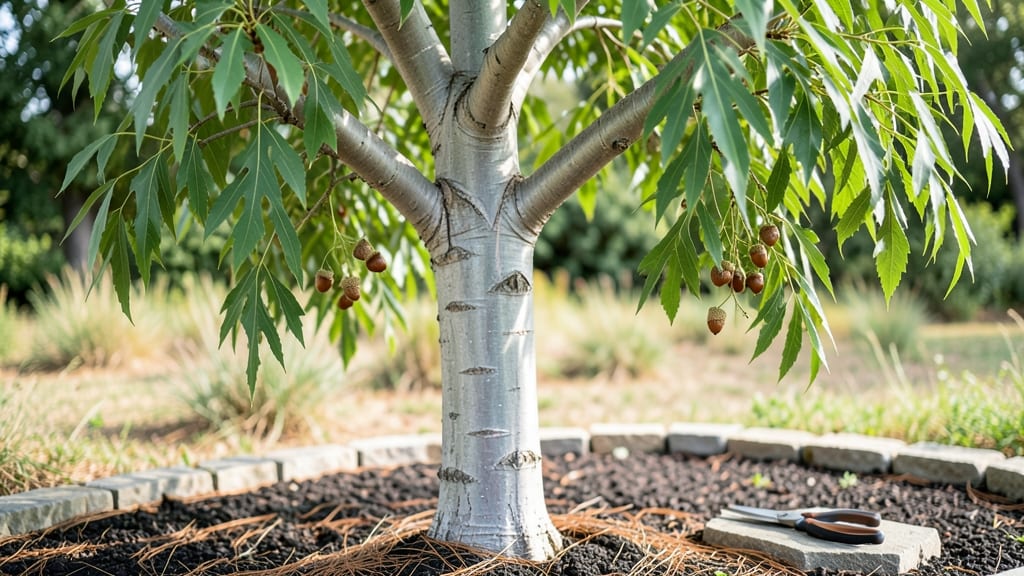
The willow oak tree’s acorns hold the promise of a future shade giant—harvesting and nurturing them is a patient, fulfilling journey that transforms a tiny seed into a sturdy sentinel over time. 🌱 The key starts with patience—these acorns can take months to sprout, but once... they do, you're building a tree that thrives in heat and drought once established.
My first attempt taught me that skipping the cold stratification step means waiting years for germination, but with the right timing, you'll see those first pale green leaves by spring.
You'll need just three things to begin: fresh acorns, a plastic bag with damp peat moss, and a sunny spot in your yard. The stratification process mimics winter's natural chilling, breaking dormancy so the seed knows it's time to grow.
Most gardeners overlook this step, but it's the difference between a seed that sprouts in weeks and one that sits in the soil for a year. Once stratified, planting is simple—just 1 inch deep in well-draining soil where the tree can stretch toward sunlight without competition.
By month 12, you'll have a sapling with a sturdy trunk and lobed leaves that catch the light like stained glass. The willow oak's fast growth means it outpaces many native trees, offering shade within a decade.
Early care focuses on consistent moisture and protection from deer—those first few years are critical, but the payoff is a tree that handles urban pollution, salty soil, and even hurricane winds better than most. The real magic happens when you step back and watch it grow.
This method works in zones 5-9, though southern gardeners get a head start with warmer winters. Container-growing is possible for urban spaces, though transplanting young trees can be tricky. The biggest mistake?
Impatience—willow oaks grow fast once established, but the first year is about setting roots, not rushing the process. Let nature take its time, and you'll have a tree that lasts centuries.
📚 In This Guide
- What you need
- Instructions
- Tips and common mistakes
- Wrapping up and next steps
What you need
- ● Fresh willow oak acorns (10–20, collected in fall or purchased from a reputable supplier)
- ● Gloves (nitrile or leather, to protect hands from tannins)
- ● Small pots or containers (4–6 inches deep, with drainage holes—3–5 per acorn)
- ● Well-draining potting mix (sandy loam blend, avoid heavy clay)
- ● Spray bottle (for gentle watering)
- ● Plastic wrap or humidity dome (to retain moisture during germination)
- ● Grow lights or sunny windowsill (6+ hours of indirect light daily)
- ● Fertilizer (balanced 10-10-10, diluted to half-strength for seedlings)
- ● Larger containers or nursery pots (1-gallon size, for transplanting after 3–4 months)
- ● Acorn stratification setup (wet paper towels + sealed bag in fridge for 60–90 days, if acorns are fresh)
- ● Heating mat (to speed up germination in cooler climates)
- ● Acidifier (like sulfur or pine needles, to mimic natural soil pH ~5.0–6.5)
- ● Mulch (pine straw or shredded bark for outdoor planting later)
- ● Tree pruners (sterilized, for future shaping)
Step-by-step instructions for growing willow oak saplings from acorns
Here's how to transform acorns into sturdy young trees in just one year.
🌱 Step 1: Collect and Stratify Acorns for Germination
Gather mature acorns from healthy willow oak trees—look for plump, intact nuts without cracks or holes. The key to success is stratification, which mimics winter's cold period. Place your acorns in a sealed container with slightly damp peat moss or sand, then refrigerate for 60-90 days at 35-45°F. Check monthly to ensure the mix stays moist but not soggy.
I like to wrap the container in a plastic bag with a few air holes to maintain humidity. After 90 days, remove the acorns and soak them in lukewarm water for 24 hours to soften the shell. This is where patience pays off—stratification breaks the seed's dormancy so it'll sprout reliably.
🪴 Step 2: Plant Stratified Acorns in Containers
Fill 4-inch diameter pots with a mix of 50% potting soil and 50% perlite for excellent drainage. Plant 2-3 acorns per pot, burying them 1 inch deep with the pointed end facing downward. This depth prevents rot while keeping moisture consistent.
Water gently until the soil surface looks evenly damp but not wet. Place the pots in a warm, sunny spot indoors or under a grow light for 12-16 hours daily. Germination usually takes 2-4 weeks, but don't rush it—keep the soil consistently moist until you see green shoots breaking through.
☀️ Step 3: Transplant and Harden Off Seedlings
Once seedlings reach 4-6 inches tall with 3-4 true leaves, it's time to transplant. Choose a location with full sun exposure and well-draining soil. Dig holes twice as wide as the root ball but only as deep as the container.
Harden off seedlings by placing them outdoors in partial shade for 2-3 hours daily, gradually increasing exposure over 10-14 days. This slow adjustment prevents shock. After 2 weeks, transplant into the ground, spacing saplings 10 feet apart to allow room for root development.
💧 Step 4: Maintain Saplings Through First Year
Water deeply once weekly during dry spells, ensuring the soil stays moist but not waterlogged. Willow oaks thrive in well-draining soil, so avoid soggy conditions. Mulch around the base with 2-3 inches of organic mulch to retain moisture and suppress weeds.
Fertilize lightly in spring with a balanced 10-10-10 fertilizer to encourage strong root growth. By the end of the first year, your saplings should reach 3-5 feet tall—a great start toward a mature willow oak!
Tips & tricks for growing willow oak saplings from acorns
Real talk: Growing acorns into saplings takes more patience than most people expect. Here’s how to avoid the common pitfalls that trip up beginners.
Stratification Success: The 60-90 days at 35-45°F is non-negotiable—this mimics winter’s cold period and breaks dormancy. I’ve seen people skip this step and wonder why their acorns never sprout. Pro tip: If you’re short on time, you can extend stratification up to 120 days, but don’t go shorter. The cold period is what triggers germination, not just time alone.
Soil Mix Matters: The 50/50 blend of potting soil and perlite in Step 2 is critical for drainage. Too much soil can lead to rot, while too much perlite drains too fast. I’ve had the best luck with a slightly gritty texture—almost like coarse sand. If you don’t have perlite, coarse sand or vermiculite works too, but stick to the same ratio.
Germination Watch: Those 2-4 weeks of waiting for green shoots can feel like forever, but consistency is key. I set a reminder to check moisture every 3-4 days—damp, not soggy. If the soil surface dries out, germination slows or stops. A spray bottle helps maintain even moisture without overwatering.
Hardening Off Strategy: The 2-3 hours of partial shade in Step 3 is where most seedlings fail. Start with just 1 hour on day one, then add 30 minutes each day. I’ve lost count of how many seedlings I’ve shocked by moving them straight to full sun. Think of it like sunburn protection for your little trees—they’re not ready for full exposure yet.
Pro Tips for Willow Oak Tree Acorns
- Real talk: Growing acorns into saplings takes more patience than most people expect.
- Stratification Success: The 60-90 days at 35-45°F is non-negotiable—this mimics winter’s cold period and breaks dormancy.
- Soil Mix Matters: The 50/50 blend of potting soil and perlite in Step 2 is critical for drainage.
Frequently asked questions
Got questions about growing willow oak acorns? You’re not alone! Here are some of the most common queries—plus quick, practical answers to help you succeed.
How do I know if my acorn is viable before planting?
A healthy willow oak acorn should be plump, firm, and free of cracks or mold. Tap it gently—if it sounds hollow, it’s not viable. Fresh acorns (harvested in fall) have the highest success rate. Store them in a cool, dry place until planting to prevent sprouting too early.
When is the best time to plant willow oak acorns?
Plant them immediately after harvest (late fall) or in early spring for the best results. Willow oaks thrive in cooler months when soil temps are below 60°F (15°C). If planting in spring, stratify (chill) acorns for 6–8 weeks in a damp paper towel to mimic winter conditions.
Can I grow a willow oak from an acorn in a pot before transplanting?
Start in a 4–6 inch pot with well-draining soil. Keep it in partial shade and water lightly to avoid rot. Transplant outdoors after 1–2 months when the seedling has 2–3 true leaves. Just remember: Willow oaks grow fast—choose a permanent spot early!
Why aren’t my acorns sprouting after 4–6 weeks?
Patience is key! Willow oak germination can take 4–12 weeks. Check for moisture (not soggy), temperature (50–70°F/10–21°C), and light (indirect sunlight). If mold appears, repot in fresh soil. Some acorns need extra stratification—try a second round of chilling.
Are there faster-growing alternatives to willow oak acorns?
If you want quicker results, consider fast-growing nursery saplings (like red oak or pin oak) or container-grown willow oaks. However, growing from acorns is rewarding—willow oaks develop stronger root systems and adapt better to local soil. For instant shade, try hybrid willow oaks (e.g., ‘Nachez’), bred for faster growth.
Wrapping up and next steps
Growing a willow oak tree from acorns is a rewarding journey that connects you to nature’s cycle—and yes, you can do it! 🌱 Whether you’re a beginner or a seasoned gardener, these steps unlock the potential of a resilient, fast-growing tree that thrives in diverse climates.
Start small, stay patient, and soon you’ll be nurturing a sapling that could one day provide shade, beauty, and even wildlife habitat.
Ready to take the next step? Plant your first acorn this season! Gather supplies, follow the guide, and watch your green thumb grow—literally. Share your progress or ask questions in the comments; we’d love to see your willow oak adventure unfold! 🌳💚