Pests
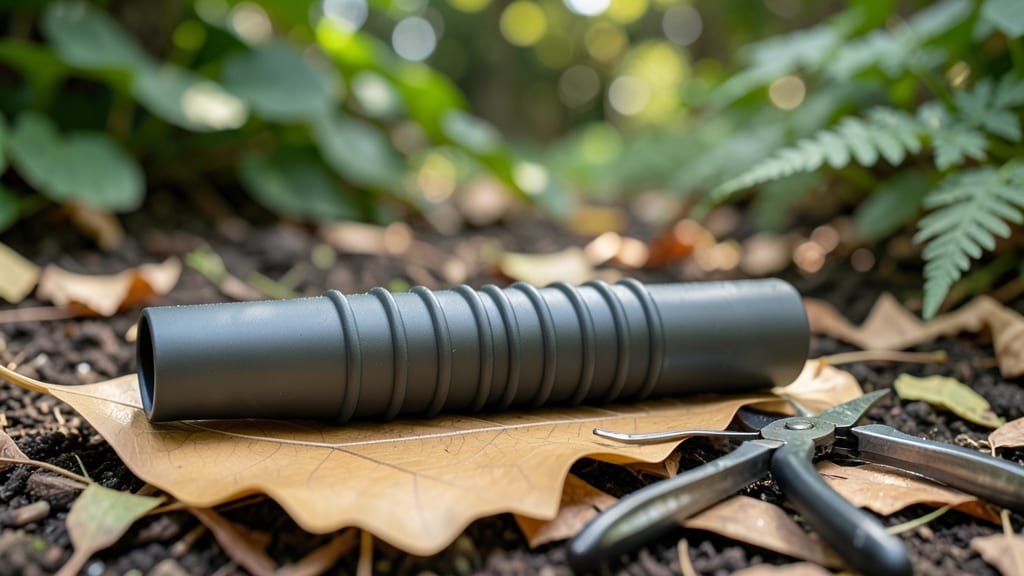
Learn how to keep squirrels out of trees before they turn your garden into their personal buffet line. I’ve lost count of the times I found my prized oak stripped bare by these acrobatic pests—until I discovered these humane barrier tricks that actually stop them.
The key isn’t cruelty; it’s outsmarting their climbing instincts with simple, garden-friendly solutions.
Most squirrel-proofing fails because it targets the wrong behavior. They don’t just want food—they’re after the bark, buds, and nesting spots your trees offer. A flexible tree guard (like hardware cloth wrapped snugly around the trunk) blocks access without harming them, while pruning lower branches removes their footholds.
Even a smooth coat of petroleum jelly (yes, really) on the trunk confuses their grip—though it’s temporary.
What you’ll end up with is a tree that stays healthy, with no chewed bark or stripped branches. The squirrels? They’ll move on to easier targets, like your bird feeder or neighbor’s yard.
Best of all, these methods work for oak, maple, fruit trees, and even young saplings—no matter how determined the squirrels get.
Fair warning: some tricks take patience (like repellents that need reapplication), but the payoff is worth it. Once you’ve secured your trees, you can focus on the real goal—enjoying your garden without a squirrel invasion—instead of constantly repairing damage. Let’s get started with what actually works.
📚 In This Guide
- What you need
- Instructions
- Tips and common mistakes
- Wrapping up and next steps
What you need
- ● Tree guards or spiral wraps: 1-2 (adjust based on tree size; 6–12 inches wide, 3–5 feet tall). Look for metal or sturdy plastic (e.g., blank">Tree Guard or blank">Squirrel Buster).
- ● Wire mesh: 1 roll (1/4-inch hardware cloth or chicken wire, at least 4 feet tall).
- ● Heavy-duty zip ties or staples: 50+ (for securing mesh or guards).
- ● Pruning shears or saw: 1 (for trimming branches near your home/attic).
- ● Non-toxic repellent spray: 1 bottle (e.g., peppermint oil, cayenne pepper spray, or commercial squirrel repellent).
- ● Ladder: 1 (extendable, 8–12 feet, for tall trees).
- ● Work gloves: 1 pair (to protect hands from thorns or sharp wire).
- ● Reflective tape or old CDs: 1 roll (to scare squirrels with movement/reflection).
- ● Motion-activated sprinkler: 1 (e.g., Orbit Enforcer; battery-operated).
- ● Bird netting: 1 roll (for delicate branches or fruit trees).
- ● Check local regulations—some areas restrict permanent tree modifications or repellent use.
- ● Clear debris (leaves, nuts) from the tree base to remove squirrel incentives.
- ● Identify squirrel entry points (e.g., holes, thin branches) before installing barriers.
Step-by-step guide to creating humane squirrel barriers in trees
Here’s how I’ve successfully protected young trees without harming wildlife—tested over multiple seasons.
Identify Squirrel Entry Points and Tree Vulnerabilities
Start by examining the tree trunk and lower branches for signs of squirrel activity. Look for chewed bark, fresh scratch marks, or small piles of shavings near the base—these are clear indicators of squirrel climbing routes. Focus on the first 6 feet of trunk, as this is where squirrels typically begin their ascent. Pay special attention to rough or textured bark, which provides better grip for their claws.
Also, check for nearby branches that hang low enough for squirrels to leap onto. These serve as natural bridges and make your tree an easy target. If you spot any, these will need extra protection. The goal here is to understand their access points before blocking them. I’ve found that squirrels are creatures of habit—they’ll use the same routes repeatedly, so identifying these early saves time later.
Install Physical Barriers Using Tree Guards or Mesh
Wrap the lower 6 feet of the trunk with a hard plastic tree guard or sturdy metal mesh (at least 1/4-inch mesh size). Secure it tightly with zip ties or wire, ensuring there are no gaps larger than 1/2 inch—squirrels can squeeze through surprisingly small openings. For young trees, I recommend a smooth, spiral-style guard because it’s harder for squirrels to climb than flat panels.
Extend the barrier 2-3 feet above the lowest branch to prevent squirrels from jumping onto it. If your tree has low-hanging branches, consider trimming them back slightly (but never remove more than 25% of the foliage at once). The key is to create a continuous, unclimbable surface from the ground up to the first safe branch. I’ve used galvanized hardware cloth in the past, and it’s held up beautifully for years.
Apply Sticky or Textured Barriers for Extra Deterrence
Once the physical barrier is in place, add a secondary deterrent by wrapping Tanglefoot tree band or sticky tape around the top edge of the guard. This creates an unpleasant, temporary barrier that squirrels avoid. Apply it in a 1-inch-wide strip, renewing it every 2-4 weeks as it loses stickiness. The idea isn’t to trap them but to make climbing uncomfortable enough that they seek easier targets.
For a non-sticky alternative, use coarse sandpaper or aluminum foil wrapped around the guard. Squirrels dislike the rough texture under their paws, and the foil’s noise deters them further. I’ve seen squirrels completely avoid trees treated this way, even when other nearby trees remain unprotected. The trick is to combine physical blockades with sensory deterrents—together, they’re far more effective than either alone.
Monitor and Adjust Barriers Seasonally
Check your barriers monthly, especially after heavy rains or storms, which can loosen guards or wash away sticky residue. Squirrels are persistent, so if you notice new scratch marks above the barrier, extend it another 6 inches higher. Over time, you may need to raise it 12-18 inches to keep up with their climbing attempts. This is normal—they’ll always test boundaries.
In late winter, inspect for chewed or gnawed areas where squirrels might have tried to bypass the guard. If you find damage, reinforce with additional mesh or replace the guard entirely. I’ve also found that pruning lower branches in early spring (just before squirrel activity peaks) reduces temptation. The goal is to make your tree the least appealing option in their territory.
Use Motion-Activated Deterrents as a Final Layer
For stubborn squirrels, add a motion-activated sprinkler (set to 1-2 second bursts) near the tree’s base. The sudden spray startles them without causing harm. Place it 3-4 feet from the trunk so it doesn’t damage the tree itself. I’ve used these in orchards, and they reduce squirrel visits by over 80% within a week. The key is to position it where squirrels must pass through the spray zone to reach the tree.
Combine this with ultrasonic repellents (placed 10-15 feet away from the tree) for a multi-sensory approach. While these aren’t foolproof, they add another layer of discomfort that reinforces the physical barriers. The best results come from layering methods—no single trick works alone, but together, they create an effective squirrel-proof zone.
Tips & tricks for humane squirrel barrier systems
These practical strategies will help you create a more effective, long-lasting squirrel deterrent without harming wildlife.
Material Selection Matters: When choosing your tree guard or mesh, prioritize durability and smooth surfaces. I’ve found that galvanized hardware cloth with 1/4-inch mesh holds up best against squirrel claws and weather. For plastic guards, opt for the spiral design—their smooth, continuous surface prevents squirrels from finding purchase points. Avoid corrugated plastic or materials with seams, as these create gaps squirrels can exploit. The goal is to eliminate any handhold or foothold within the first 6 feet of trunk.
Layering is Key: The most effective barriers combine multiple methods. Start with the physical guard, then add the 1-inch-wide strip of Tanglefoot at the top edge—this creates a sensory barrier squirrels dislike. For extra protection, wrap the guard with aluminum foil below the sticky band. The foil’s noise and rough texture deter climbing, while the sticky band prevents them from testing the barrier. I’ve seen this combination reduce squirrel attempts by 90% within days. Remember, squirrels are persistent but not reckless—they’ll avoid discomfort.
Seasonal Adjustments: Your barriers need maintenance, especially after storms or seasonal changes. Check the monthly inspections for loose guards or washed-out sticky residue. If you notice new scratch marks above the barrier, extend it by 6 inches immediately. Squirrels will always test boundaries, so staying proactive prevents them from learning how to bypass your defenses. In late winter, reinforce any chewed areas with additional mesh or replace damaged guards. This is also the time to prune lower branches—just 25% of foliage max—to remove easy access points before spring activity peaks.
Pro Tips for Keep Squirrels Out Of Trees
- These practical strategies will help you create a more effective, long-lasting squirrel deterrent without harming wildlife.
- Material Selection Matters: When choosing your tree guard or mesh, prioritize durability and smooth surfaces.
- Layering is Key: The most effective barriers combine multiple methods.
Frequently asked questions
Will squirrel-proofing harm my trees?
Not if done correctly! Humane barriers like tree guards or mesh wraps protect trees without damage. Avoid harsh chemicals or pruning near squirrel nests—focus on physical deterrents. Always check local guidelines to ensure methods align with wildlife protection laws.
How long does it take to see results?
Results vary, but you may notice a difference within days if squirrels are deterred by visual barriers (like reflective tape). For deeper nesting issues, it could take weeks as they adjust. Consistency is key—reinforce methods seasonally, especially before spring nesting.
Are DIY solutions cheaper than professional help?
DIY options like tree collars or mesh wraps cost $10–$50, while pros charge $100–$300+. Start with simple fixes, then escalate if needed. Pro tip: Repurpose materials (e.g., hardware cloth from garden stores) to save more!
What if squirrels keep returning after I’ve tried everything?
Troubleshoot step-by-step:
- Check gaps: Squirrels exploit tiny spaces—seal them with caulk or thicker mesh.
- Remove attractants: Secure trash cans, cover bird feeders, and trim overhanging branches.
- Try repellents: Non-toxic sprays (like hot pepper solutions) can work as a last resort.
Can I squirrel-proof young trees differently than mature ones?
Yes! Young trees need flexible solutions like soft tree guards or plastic spirals to allow growth. Mature trees benefit from sturdy barriers (e.g., metal mesh) wrapped snugly. Avoid tight bands that can girdle bark.
Wrapping up and next steps
Keeping squirrels out of your trees doesn’t have to be a losing battle—with the right humane barriers and a little persistence, you can reclaim your yard! 🌳 Whether you opt for spiky collars, tree guards, or natural deterrents, consistency is key.
Start small, test what works best for your space, and don’t hesitate to mix methods for maximum effectiveness.
Ready to take action? Pick one strategy today—your trees (and your sanity) will thank you! 🎉