
Propagation
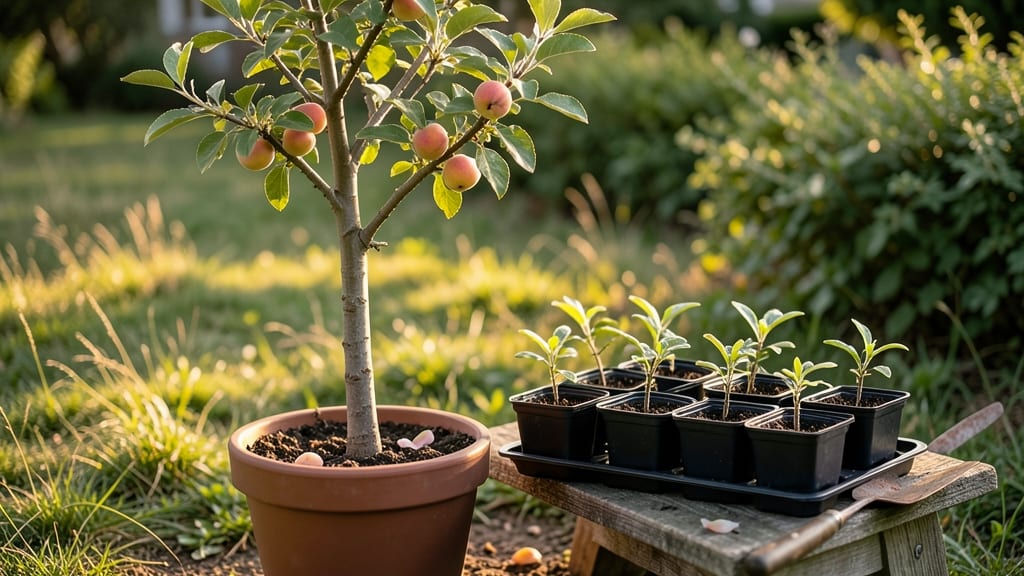
Growing apricot trees from seeds is a marathon, not a sprint—but the payoff of homegrown fruit makes every step worthwhile. 🌱 I’ve watched seedling shoots emerge after months of waiting, only to yield trees that produce fruit in 7-10 years, and I wouldn’t trade the journey for store-bought saplings.
The key isn’t rushing; it’s creating the right conditions for nature to do the heavy lifting.
You’ll need patience, a sunny spot, and a few simple supplies: fresh apricot pits, a well-draining soil mix, and a warm, sheltered spot for germination.
The trickiest part is breaking dormancy—soaking pits in warm water for 24 hours and then cold-stratifying them for 6-8 weeks in the fridge mimics winter’s natural cycle. Most gardeners quit here, but sticking with it pays off when those first true leaves appear.
Once sprouted, your seedlings will need bright light, consistent moisture, and occasional pruning to shape strong branches. By year three, they’ll look like miniature trees, though fruit won’t arrive for years.
The reward? Trees that thrive for decades, bearing fruit sweeter than anything you’ve ever bought—and the quiet pride of growing something from scratch.
This method works best in USDA zones 5-9, where apricots love warm days and cool nights. For colder climates, consider container growing to move trees indoors during winter.
Whether you’re starting with a single pit or a handful, the process teaches you more about orchard care than buying a tree ever could.
📚 In This Guide
- What you need
- Instructions
- Tips and common mistakes
- Wrapping up and next steps
What you need
- ● Apricot seeds: 3–5 fresh, plump seeds (harvested from ripe apricots). Pro tip: 💡 Avoid seeds from store-bought fruit—they’re often treated to prevent germination!
- ○ Small pots or seed trays: 4–6 biodegradable pots (3–4 inches deep) or a tray with individual cells. Optional: Use plastic containers with drainage holes.
- ● Seed-starting mix: 2–3 cups of sterile, well-draining potting soil (avoid garden soil—it may contain pathogens). Look for: 🌡️ "seed starter" or "cactus/succulent mix" (light and airy).
- ● Plastic wrap or humidity dome: To create a mini greenhouse effect and retain moisture.
- ● Spray bottle: For gentle watering (avoid over-saturating seeds).
- ○ Heat mat (optional but helpful): A seedling heat mat (set to 70–75°F) speeds up germination.
- ● Grow lights or sunny windowsill: A south-facing window or LED grow lights (12–16 hours/day) for seedlings.
- ● Fertilizer: A balanced, water-soluble fertilizer (5-5-5 or 10-10-10) diluted to half-strength for young seedlings.
- ● Larger pots or garden bed: Once seedlings sprout, upgrade to 5–7 gallon pots or plant directly in a sunny, well-drained garden spot (full sun, 6+ hours/day).
- ● Mulch: Organic mulch (straw or wood chips) to retain moisture and regulate soil temperature.
- ● Pruning tools: Sharp bypass pruners for shaping young trees.
- ● Patience (and coffee ☕): Apricot trees from seed take 3–5 years to bear fruit—so stock up on your favorite brew!
Step-by-Step instructions for growing apricot trees from seed
Here's the method I've perfected over years of growing fruit trees from stone—it's slow, but the reward is worth it.
🌱 Step 1: Harvest and Prepare Apricot Seeds
Select fully ripe apricots with smooth, unblemished skin. Cut them open and remove the large, flat seed inside—this is your future tree. The key here is proper seed preparation: you want to break the seed's natural dormancy. I place the seeds in a small paper towel, dampen it just enough to feel slightly moist (not dripping), and fold the towel to wrap the seeds completely. Store this packet in a sealed plastic bag and refrigerate for 8-12 weeks.
This cold stratification mimics winter conditions and tricks the seed into thinking it's time to grow. Check the packet every few weeks—if it dries out, mist it lightly with water. You'll know it's ready when you see a tiny root emerging from the seed. That's your signal to move to the next step.
💧 Step 2: Plant Stratified Seeds in a Controlled Environment
Fill a small 4-inch pot with sterile seed-starting mix (not garden soil—it's too dense and may harbor pathogens). I use a mix that's 70% peat moss and 30% perlite for excellent drainage. Plant the stratified seed about ½ inch deep, pressing it gently into the soil so it makes good contact. Water lightly until the surface feels evenly moist but not soggy.
Place the pot in a warm location (around 70-75°F) with bright, indirect light. A seedling heat mat helps maintain consistent warmth, which is crucial for germination. Cover the pot loosely with plastic wrap to retain moisture, but leave a small gap for airflow. You'll see the first sprouts in 4-8 weeks—be patient, as apricot seeds can be slow to germinate.
☀️ Step 3: Transplant and Provide Care for Young Seedlings
Once the seedling reaches 3-4 inches tall and has developed its first set of true leaves (not the initial cotyledons), it's time to transplant. Choose a 6-inch pot with fresh seed-starting mix. Dig a hole just slightly larger than the root ball, place the seedling in, and firm the soil gently around the base. Water deeply to settle the roots.
Move the pot to a location with full sun (at least 6-8 hours daily). If growing indoors, use a grow light positioned 4-6 inches above the plant. Apricot seedlings need strong light to develop sturdy stems. You'll notice the leaves darken and the stem thicken as it grows—this is a good sign. Fertilize lightly with a balanced 10-10-10 fertilizer once a month, but avoid overdoing it. Too much fertilizer can weaken young seedlings.
🌿 Step 4: Acclimate and Plant Outdoors
After the last frost date in your area, it's time to harden off the seedling. Start by placing it outside in a sheltered, shaded spot for 1-2 hours the first day. Gradually increase the time spent outdoors over 2-3 weeks, eventually moving it to full sun. This slow transition prevents shock and helps the seedling adjust to outdoor conditions.
Choose a permanent outdoor location with well-draining soil and full sun. Dig a hole twice as wide as the root ball but no deeper. Place the seedling in the hole, backfill with soil, and water deeply. Mulch around the base with 2-3 inches of organic mulch to retain moisture and suppress weeds. Apricot trees are drought-tolerant once established, but young trees need consistent moisture.
⏰ Step 5: Prune and Train for Strong Growth
In the first year, focus on establishing a strong structure. Prune any weak or crossing branches to encourage an open canopy. Use clean, sharp pruners to make cuts just above a leaf node or outward-facing bud. This ensures the tree grows outward rather than inward. You'll also want to remove any suckers that grow from the base—they divert energy from the main trunk.
Apricot trees grown from seed may take 5-7 years to bear fruit, and the fruit may not be true to the parent variety. However, the process is rewarding, and you'll develop a tree uniquely suited to your climate. Keep an eye out for pests like aphids or spider mites, and treat them early with neem oil or insecticidal soap if needed. With patience and care, you'll have a thriving apricot tree in your landscape.
Tips & tricks for growing apricot trees from seeds
Here's what I've learned over years of growing fruit trees from seed—these details make all the difference between success and frustration.
Cold Stratification Precision: During the 8-12 week cold stratification in Step 1, consistency is key. I place a small piece of tape with the date on the bag so I don't lose track of time. The seeds need consistent moisture—too dry and they won't break dormancy, too wet and they'll rot. Aim for that damp paper towel feel, like a wrung-out sponge. If you notice mold, it's a sign the seeds are too wet—open the bag immediately to air it out.
Germination Patience: Those 4-8 weeks of waiting in Step 2 can feel endless, but don't rush it. Apricot seeds need time to overcome their natural dormancy. I've found that placing the pot in a warm spot (70-75°F) with bright indirect light is crucial—direct sunlight can overheat the soil. If you don't see sprouts after 8 weeks, check for signs of life by gently pressing the seed with your fingernail. A small crack or root indicates it's still alive and worth waiting for.
Transplanting Technique: When moving your 3-4 inch seedling to its 6-inch pot in Step 3, handle the roots gently to avoid damage. I always water the seedling thoroughly the day before transplanting so the roots slide out of the pot more easily. After transplanting, give it a good drink of water to help settle the roots in their new home. The first true leaves (not the initial seed leaves) are your signal that it's ready for this next step—don't rush this process or you risk shocking the delicate plant.
Hardening Off Strategy: The gradual 2-3 week hardening process in Step 4 is non-negotiable. I start with just 1-2 hours of shade on day one, then increase by 30 minutes each day while moving the plant to slightly sunnier spots. By day 10, I'm letting it sit in morning sun for 3-4 hours, and by day 15, it's getting full sun for 2-3 hours. This slow adaptation prevents sunburn and helps the plant develop the protective compounds it needs to thrive outdoors. Watch for any yellowing leaves—they're the first sign you're moving too quickly.
Pro Tips for Grow Apricot Trees From Seeds
- Here's what I've learned over years of growing fruit trees from seed—these details make all the difference between success and frustration.
- Cold Stratification Precision: During the 8-12 week cold stratification in Step 1, consistency is key.
- Germination Patience: Those 4-8 weeks of waiting in Step 2 can feel endless, but don't rush it.
Frequently asked questions
Got questions about growing apricot trees from seeds? You’re not alone—this process takes patience, but the payoff is worth it! Below, we’ve tackled the most common queries to help you navigate your apricot-growing journey with confidence.
How long does it take for apricot seeds to germinate?
Apricot seeds typically take 4–8 weeks to germinate, depending on temperature and moisture. Cold stratification (chilling seeds for 6–12 weeks) mimics winter conditions and speeds up the process. Keep soil consistently moist but not soggy—patience is key!
Will apricot trees grown from seeds produce fruit?
Yes, but it may take 5–10 years before your tree bears fruit. Seed-grown apricots are not grafted varieties, so fruit quality, size, and flavor may vary. For consistent results, consider grafting later or buying a grafted tree.
What’s the best climate for growing apricot trees from seeds?
Apricots thrive in USDA Zones 5–9, with full sun (6+ hours daily) and well-draining soil. They’re sensitive to late frosts—plant in spring after the last frost date. If you live in a cooler zone, choose a sheltered spot or grow in containers for mobility.
Can I speed up growth by transplanting seedlings?
Transplant seedlings once they have 2–3 true leaves (about 3–4 weeks after germination). Use a small pot with drainage holes first, then move to a larger container or garden bed. Harden off seedlings by gradually exposing them to outdoor conditions over 1–2 weeks.
Why aren’t my apricot seeds sprouting?
Common culprits include poor stratification (seeds need cold treatment), overwatering (root rot risk), or old seeds (viability drops after 1–2 years). Try soaking seeds in warm water for 24 hours before planting, or test a few seeds in a damp paper towel to check viability.
Are there faster alternatives to growing apricot trees?
If you’re eager for fruit, consider buying a grafted sapling (faster fruiting, 2–3 years) or layering/budding techniques for established trees. Seed-growing is rewarding but slow—great for hobbyists! For commercial yields, grafting is the pro move.
Wrapping up and next steps
Growing apricot trees from seeds is a rewarding journey that blends patience with the joy of nurturing life.
While it may take years for your sapling to bear fruit, every step—from seed selection to transplanting—sets the stage for a thriving tree. Don’t let the wait discourage you! Celebrate small victories, like the first true leaves or sturdy roots, and remember: your effort today could mean a bountiful harvest tomorrow.
Ready to take the next step? Start small—plant a few seeds this season and watch your green thumb grow! For faster results, consider grafting techniques once your seedling matures. Happy growing! 🌱✨