
Size
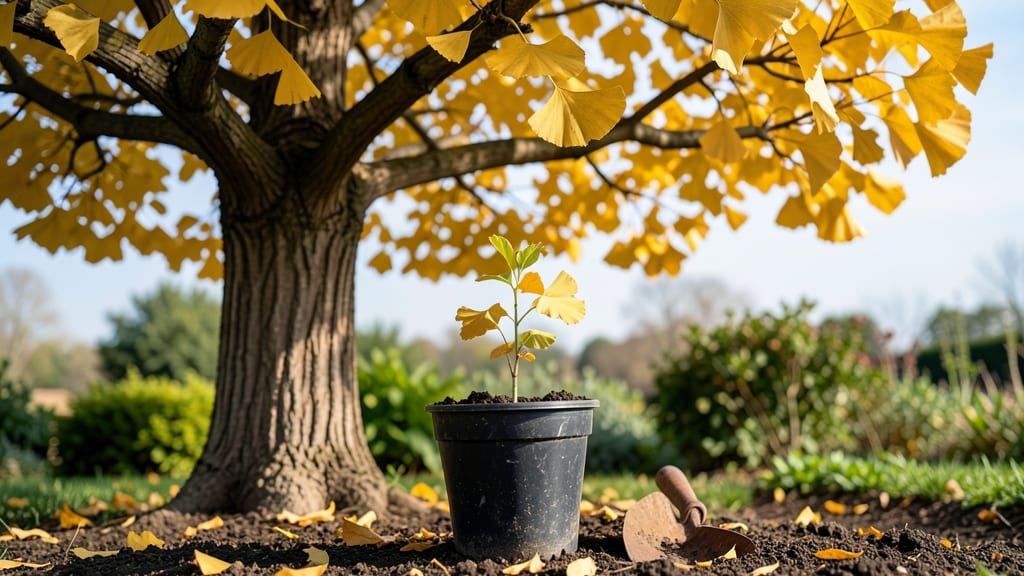
Growing a ginkgo tree in the Pacific Northwest means planting a living fossil that thrives where others falter—its fan-shaped leaves turn golden in fall, and its resilience makes it a standout choice.
I’ve watched mine weather storms that topple younger trees, its roots anchoring deep into the damp, acidic soils of the region. The key starts with soil: these trees prefer well-draining mixes with a touch of sand to prevent soggy roots, especially in winter.
You’ll need patience, since ginkgos grow at a glacial pace—think 12 inches per year—but the payoff is a tree that lives for centuries. Plant in full sun, water deeply once established, and avoid heavy pruning unless shaping young branches. The real secret?
Male trees (which lack the messy fruit) are easier to maintain, but both genders handle our region’s wet winters like champs. Containers work too, for urban spaces, just use a pot twice as wide as the root ball.
By summer’s end, you’ll spot those distinctive leaves unfurling, and by October, your yard will glow amber as neighbors ask how you grew such a vibrant survivor. The tree’s slow growth means fewer maintenance headaches, but watch for aphids—spray with soapy water if you see sticky leaves.
With the right spot, a ginkgo becomes a legacy, not just a tree.
Whether you’re tucking one into your yard or a large container, these tips keep it thriving for decades. The Pacific Northwest’s climate actually favors ginkgos—damp summers and mild winters suit them perfectly. Start small, and let time do the work.
📚 In This Guide
- What you need
- Instructions
- Tips and common mistakes
- Wrapping up and next steps
What you need
- ● Ginkgo Tree: 1 male or female nursery-grown sapling (3-5 ft tall, containerized or bare-root)
- ● Recommended varieties: ‘Autumn Gold’ (golden fall foliage) or ‘Troll’ (compact, great for small spaces)
- ● Planting Site: Full sun (6+ hours/day) or partial shade (tolerates light shade in hotter areas)
- ● Well-draining soil (amend heavy clay with 4-6 inches of compost or organic matter)
- ● Space: 30-50 ft apart (mature trees can reach 60+ ft tall and wide!)
- ● Tools: Shovel or spade (for digging)
- ● Garden gloves (to protect your hands)
- ● Watering can or hose (with adjustable nozzle)
- ● Mulch (3-4 inches of wood chips, pine bark, or shredded leaves)
- ● Soil Amendments: Balanced fertilizer (10-10-10) or composted manure (mix into planting hole)
- ● Tree Stake & Ties: Only needed if planting in windy areas (use 1-2 stakes and soft ties)
- ● Drip Irrigation System: For consistent moisture (especially in dry spells)
- ● Pruning Tools: Bypass pruners (for small branches) and loppers (for thicker limbs)
- ● Tree Guard: Metal or plastic collar to protect young trunks from rodents
Step-by-Step instructions for growing a ginkgo tree
Here's how to nurture this living fossil from seed to sturdy Pacific Northwest specimen.
🌱 Step 1: Collect and Prepare Ginkgo Seeds
Ginkgo trees produce seeds in late summer or fall, identifiable by their fleshy, plum-like outer covering that smells unpleasant when ripe. Harvest seeds when they turn yellowish-brown and begin to soften. Remove the outer pulp immediately—it contains chemicals that inhibit germination and can irritate skin. Rinse the naked seeds thoroughly under running water to remove any residual pulp.
Store the cleaned seeds in a paper towel-lined container with a loose lid. Place them in the refrigerator for 3-4 months to complete stratification—a cold period that mimics winter conditions. This step breaks seed dormancy, ensuring reliable germination. Check monthly for mold; discard any seeds that develop a white, fuzzy coating.
🪴 Step 2: Sow Seeds in a Controlled Environment
Fill a 4-inch deep container with a sterile seed-starting mix (never garden soil). Ginkgo seeds germinate best at 70-75°F, so use a seedling heat mat if your home runs cooler. Plant seeds 1 inch deep, spacing them 2 inches apart in the container. Water gently until the soil feels uniformly moist but not soggy—ginkgo seeds rot quickly in waterlogged conditions.
Cover the container with clear plastic wrap to retain humidity, but prop it open slightly to allow airflow. Place the container in bright, indirect light—direct sun at this stage can overheat the soil. Germination typically takes 4-8 weeks, though some seeds may take longer. Remove the plastic wrap once you see green shoots breaking through the soil—this signals the seedling is ready for its next phase.
☀️ Step 3: Transplant Seedlings to Larger Pots
Once seedlings develop 2-3 sets of true leaves (not the initial seed leaves), they’re ready to move to 6-inch pots filled with a well-draining potting mix. Ginkgo trees dislike soggy roots, so amend the mix with 20% perlite or coarse sand to improve drainage. Handle seedlings by their leaves—never grasp the delicate stem—to avoid damaging the root system.
Water thoroughly after transplanting, then place pots in a location with full sun (at least 6 hours daily). Ginkgo seedlings grow slowly at first, so don’t be alarmed if progress seems minimal. Fertilize lightly with a balanced, water-soluble fertilizer (10-10-10) diluted to half strength once a month during the growing season. Stop fertilizing in late summer to encourage dormancy.
⏰ Step 4: Acclimate and Plant Outdoors
Ginkgo trees thrive in the Pacific Northwest’s mild, wet climate but need gradual exposure to outdoor conditions. Begin hardening off seedlings 4-6 weeks before the last frost date by placing them outside in a sheltered spot for 1-2 hours daily, increasing exposure over 10-14 days. Choose a planting site with full sun to partial shade and well-draining soil—ginkgos tolerate a range of soil types but despise waterlogged roots.
Dig a hole twice as wide as the root ball but no deeper. Amend the native soil with compost to improve fertility. Plant the seedling so the top of the root ball sits 1 inch above soil level—ginkgos hate having their roots buried too deeply. Water deeply after planting to settle the soil, then mulch with 2-3 inches of wood chips, keeping the mulch 6 inches away from the trunk to prevent rot.
Tips & tricks for growing a ginkgo tree
Growing a ginkgo tree from seed is a rewarding but delicate process—here’s how to set yourself up for success and avoid common pitfalls.
Timing is Everything: The 3-4 month cold stratification period in Step 1 is non-negotiable for breaking dormancy, but don’t rush it. If you’re harvesting seeds in late summer, plan ahead—you’ll need to store them through winter. I’ve found that seeds stratified for exactly 4 months germinate more reliably than those done in just 3. Keep a small notebook to track when you harvested each seed so you can monitor the stratification timeline precisely.
Light Balance for Germination: During Step 2, bright indirect light is crucial—direct sun can overheat the soil and cook the seeds before they sprout. Place your container near an east-facing window or under fluorescent grow lights if natural light is insufficient. You’ll know you’ve got it right when condensation forms on the plastic wrap daily but never feels clammy. If mold appears, increase airflow immediately by lifting the plastic for longer periods.
Transplanting Without Trauma: When moving seedlings to 6-inch pots in Step 3, the key is gentleness. Use a small trowel to loosen the soil around the edges first, then slide the seedling out by supporting the root ball with your fingers. Never pull from the leaves—this can snap the delicate stem. After transplanting, give the soil a thorough watering until water runs freely from the drainage holes. This helps settle the roots into their new home without disturbing them further.
Hardening Off Strategy: The 4-6 week hardening off period in Step 4 is where many seedlings fail. Start with just 1-2 hours in a sheltered spot like a porch or garage, then gradually increase exposure. I’ve had best success by moving seedlings to their final outdoor location in stages—first morning sun only, then adding afternoon exposure over 10-14 days. Watch for wilting as your signal to slow down; ginkgo seedlings are tough but not drought-resistant at this stage.
Pro Tips for Grow A Ginkgo Tree
- Growing a ginkgo tree from seed is a rewarding but delicate process—here’s how to set yourself up for success and avoid common pitfalls.
- Timing is Everything: The 3-4 month cold stratification period in Step 1 is non-negotiable for breaking dormancy, but don’t rush it.
- Light Balance for Germination: During Step 2, bright indirect light is crucial—direct sun can overheat the soil and cook the seeds before they sprout.
Frequently asked questions
Got questions about growing a ginkgo tree? You’re not alone! Here are answers to the most common queries—especially for Pacific Northwest gardeners looking to nurture this living fossil.
How long does it take for a ginkgo tree to grow to maturity?
A ginkgo tree grows slowly—expect about 1–2 feet per year under ideal conditions. In the Pacific Northwest, it may take 20–30 years to reach its full height of 30–50 feet. Patience is key!
Can ginkgo trees survive the rainy Pacific Northwest winters?
Ginkgos are hardy to USDA zones 3–9 and thrive in wet climates. Their fan-shaped leaves and deep roots handle heavy rain, frost, and even light snow. Just ensure well-draining soil to avoid soggy roots.
Do ginkgo trees need a male and female to produce seeds?
Yes! Only male ginkgos are recommended for landscapes because female trees produce smelly, messy seeds in fall. Plant a male cultivar (like ‘Autumn Gold’) for showy yellow foliage without the odor.
Are ginkgo trees toxic to pets or wildlife?
Ginkgo seeds and leaves contain ginkgotoxin, which can be harmful if ingested in large amounts. While not highly toxic, keep pets away from fallen seeds or large quantities of foliage. Birds and deer usually avoid them, though.
What’s the best time to prune a ginkgo tree?
Prune in late winter or early spring (before new growth) to shape the tree and remove dead branches. Avoid heavy pruning in fall—it can stress the tree before winter. Use clean, sharp tools to prevent disease.
Can I grow a ginkgo in a container?
Young ginkgos can thrive in containers for 3–5 years (15–20 gallon pots) before transplanting. Use well-draining soil and repot every 2–3 years. However, they’re not long-term container plants—their roots need space!
Wrapping up and next steps
Growing a ginkgo tree in the Pacific Northwest is a rewarding journey—these ancient survivors thrive with just a little patience and care! 🌿 From selecting the right male cultivar to nurturing strong roots and protecting against pests, each step brings you closer to a stunning, low-maintenance tree that will grace your landscape for centuries.
With the right location, soil prep, and seasonal attention, your ginkgo will reward you with vibrant foliage and a timeless presence.
Now that you’re armed with the know-how, take the first step today—whether it’s planting a sapling or preparing your soil. Watch your ginkgo grow into a living piece of history, and enjoy the beauty (and bragging rights!) for decades to come. Happy planting! 🌱