
Pruning
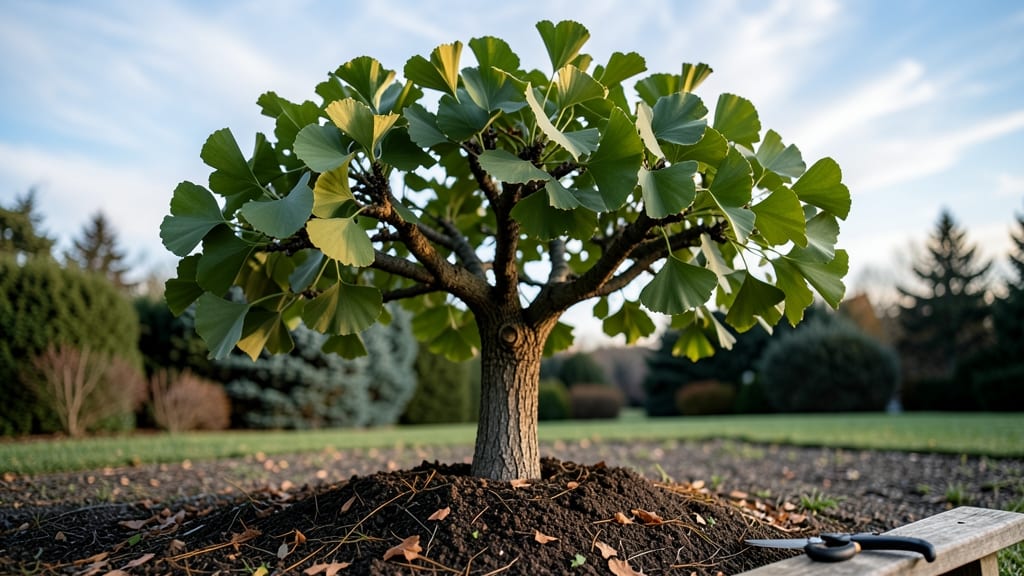
The golden glow of ginkgo tree fall foliage is nature’s own fireworks display. 🌿 I’ve watched my backyard ginkgo transform from summer green to fiery gold every October, and it never fails to stop neighbors in their tracks.
This isn’t just any fall color—it’s a three-week spectacle that turns your yard into a living masterpiece.
Timing is everything, and ginkgos peak in mid-October, holding their color until hard frosts. The secret to maximizing that glow? Pruning in late winter to open the canopy—just a few strategic cuts can turn a dense tree into a sunlit gold fountain.
Pair it with maples or birches, and you’ve got a foliage showstopper.
Imagine sipping coffee on your porch as the wind rustles golden leaves, or hosting fall gatherings where the tree becomes the centerpiece. With minimal care, your ginkgo will deliver this effortless drama year after year. Here’s how to make the most of it.
Bonus tip: Plant ginkgos where they’ll get afternoon sun—their golden hues deepen in bright light. And if you love this display, consider adding a male cultivar (like ‘Autumn Gold’) to avoid messy seeds. The magic is in the details.
📚 In This Guide
- What you need
- Instructions
- Tips and common mistakes
- Wrapping up and next steps
What you need
- ● Pruning shears: Sharp, bypass-style shears (for clean cuts on small branches). Quantity: 1 pair.
- ● Loppers: For thicker branches (up to 1.5 inches in diameter). Quantity: 1 pair.
- ● Pruning saw: Curved-tooth saw for branches over 2 inches thick. Quantity: 1.
- ● Ladder: Sturdy, extension ladder (16–24 ft, depending on tree height). Quantity: 1.
- ● Gloves: Cut-resistant gloves (size medium or large). Quantity: 1 pair.
- ● Disinfectant: 70% isopropyl alcohol or rubbing alcohol (to sterilize tools between cuts). Quantity: Small bottle.
- ● Heavy-duty trash bags: For collecting debris. Quantity: 2–3 bags.
- ● Safety goggles: To protect eyes from debris. Quantity: 1 pair.
- ● Work boots: Closed-toe, slip-resistant footwear.
- ● Hand pruners: Compact shears for precision trimming of small branches.
- ● Pole saw: Extendable saw for high branches (if ladder access is tricky).
- ● Tree wound dressing: Pruning sealant (controversial but useful for large cuts).
- ● Notebook & pencil: To sketch a pruning plan before you start.
- ● First-aid kit: For minor scrapes or cuts.
Step-by-Step guide to pruning for ginkgo tree fall color
Here's how to shape your ginkgo for maximum golden foliage—without sacrificing its iconic structure.
🌿 Step 1: Time Your Pruning for Peak Color
Prune your ginkgo in late winter or early spring, just as buds begin to swell but before new growth starts. This timing ensures you remove dead wood while leaving plenty of time for summer growth that fuels fall's golden display. I always check for tight, plump buds—they're your cue that the tree's about to wake up.
Never prune in fall after leaves change color. You'll cut off next year's growth potential, and ginkgos need those summer leaves to manufacture the pigments that create their famous golden hue. Think of it like saving your best energy for the big show—this tree's fall performance depends on summer preparation.
✂️ Step 2: Remove Dead and Crossing Branches First
Start by eliminating any branches that are completely dead (no green underneath the bark when scratched) or those rubbing against each other. Use clean, sharp pruners to make cuts just outside the branch collar—the swollen area where the branch meets the trunk. I make a small notch on the underside first to control the cut direction.
For crossing branches, remove the one growing at a sharper angle. Ginkgos naturally develop an upright form, so you're helping maintain that signature shape. Watch for branches growing straight upward—these often block light from lower branches, reducing fall color intensity. Remove about 1/3 of the upward-growing branches to improve air circulation and light penetration.
☀️ Step 3: Thin the Canopy for Even Sun Exposure
Step back and look at your tree's overall shape. You want to create an open, airy canopy that lets sunlight reach all branches. Focus on removing branches that are growing too densely in the center—these create shade that prevents full color development. I aim to remove about 10-15% of the total canopy volume during each pruning cycle.
Pay special attention to branches in the lower third of the tree. These often get shaded out and produce less vibrant fall color. Selectively remove some of these to encourage new growth lower down. You'll know you've done well when you can see light filtering through the canopy—this ensures every branch gets the sunlight it needs to produce those golden pigments.
🌱 Step 4: Shape for Optimal Fall Viewing
Now's the time to refine the tree's natural form. Ginkgos typically develop a broad, rounded crown, but you can enhance this by selectively pruning branches that spoil the silhouette. Remove any branches growing at angles that create awkward shapes or that obscure views of the trunk.
For trees near walkways, I often lower the canopy slightly by pruning the upper branches back. This creates a more inviting space while still maintaining the tree's majestic presence. Remember, ginkgos grow slowly—you won't see dramatic changes year to year, but each careful cut builds toward that spectacular fall display.
⏰ Step 5: Clean Up and Monitor for Recovery
After pruning, remove all debris from the area and disinfect your tools with rubbing alcohol. This prevents disease from spreading to fresh cuts. Water the tree deeply to help it recover from the stress of pruning. You'll notice new growth appearing within 4-6 weeks—this is your sign that the tree is healing properly.
Keep an eye on the pruned areas over the next few weeks. Healthy new growth should be vibrant green and firm to the touch. If you see yellowing or wilting, it might indicate over-pruning or disease. Ginkgos are generally tough trees, but they do appreciate your attention to their recovery needs—especially when you're aiming for that show-stopping fall color.
Tips & tricks for perfect ginkgo tree fall color
Here's what nobody tells you about transforming your ginkgo into a golden spectacle—without risking its health.
Timing is Everything: The late winter/early spring window (when buds swell but before new growth) is non-negotiable. I've seen gardeners prune too early and miss the deadwood removal, or too late and stunt next year's growth. Check for those tight, plump buds—they're your green light to begin. If you're unsure, wait until you can see buds but still feel no new shoots.
Branch Selection Strategy: When removing crossing branches in Step 2, always choose the one growing at the sharper angle—this maintains the tree's natural upright form. For upward-growing branches, I target about one-third of them to balance light penetration. Pro tip: Use a small flagging tape to mark branches you're unsure about before making cuts—second opinions help!
Canopy Light Test: After thinning in Step 3, do this quick check: Stand directly under the tree and look up. You should see sunlight filtering through gaps in the canopy like stars in the sky. If you can't see light, you haven't removed enough dense branches. This visual cue ensures every leaf gets the sunlight needed for maximum pigment production.
Recovery Monitoring: That 4-6 week window for new growth is your progress report. If you don't see fresh green shoots within 6 weeks, you may have over-pruned. Ginkgos are tough but not invincible—think of this as their recovery period after major surgery. Keep an eye out for vibrant green growth that's firm to the touch; anything yellow or mushy signals trouble.
Pro Tips for Ginkgo Tree Fall Foliage
- Here's what nobody tells you about transforming your ginkgo into a golden spectacle—without risking its health.
- Timing is Everything: The late winter/early spring window (when buds swell but before new growth) is non-negotiable.
- Branch Selection Strategy: When removing crossing branches in Step 2, always choose the one growing at the sharper angle—this maintains the tree's natural upright form.
Frequently asked questions
Got questions about maximizing your ginkgo tree’s fall foliage? You’re not alone! Here are some of the most common queries—plus expert answers to help you prune like a pro and enjoy that golden glow.
When is the best time to prune a ginkgo tree for fall color?
The ideal time to prune is late winter or early spring (before buds swell), but you can also trim lightly in summer to encourage bushier growth. Avoid pruning in fall—it can stress the tree and reduce next year’s vibrant foliage. Focus on removing dead or crossing branches first!
How long does it take for a ginkgo tree to show fall color after pruning?
Most ginkgo trees take 6–12 months to fully recover and display their signature golden-yellow fall foliage after pruning. Younger trees may show color faster, while mature ones (20+ years) can take longer. Patience pays off—healthy growth leads to brighter, more abundant fall hues!
What if my ginkgo tree’s leaves turn brown early or look dull?
Dull or early browning can signal stress from over-pruning, disease, or nutrient deficiencies. Check for:
- Proper spacing: Ginkgos need room to breathe—avoid heavy pruning in one season.
- Soil health: Test for pH (ideal: 6.5–7.5) and add compost or mulch.
- Watering: Deep water 1–2 times/week during dry spells.
Are there ginkgo tree alternatives with similar fall foliage?
If ginkgos aren’t your style, try these low-maintenance, golden-foliaged trees:
Tree
Fall Color
Pruning Needs
Sweetgum (Liquidambar styraciflua)
Purple, red, or gold
Moderate—remove deadwood annually
Hornbeam (Carpinus betulus)
Golden-yellow
Light—shape in early spring
Tulip Tree (Liriodendron tulipifera)
Golden-brown
Minimal—prune to open the canopy
Can I prune a ginkgo tree too much? What are the signs?
Yes! Over-pruning weakens the tree and can reduce or delay fall color. Watch for:
- Sparse foliage: Fewer leaves = less energy for golden hues.
- Slow growth: Stubborn branches or stunted new shoots.
- Pale leaves: A sign of stress or nutrient loss.
Wrapping up and next steps
The ginkgo tree’s golden fall foliage is a breathtaking sight—one that thrives with the right pruning care! By mastering the timing, techniques, and tools outlined here, you’ll unlock vibrant autumn displays that turn heads in your neighborhood. Now’s the perfect time to grab your pruners and get started! 🌿✨
Ready to transform your ginkgo into a fall masterpiece? Bookmark this guide, gather your supplies, and schedule your first pruning session before the leaves peak! Your future golden canopy awaits.