
Container Gardens
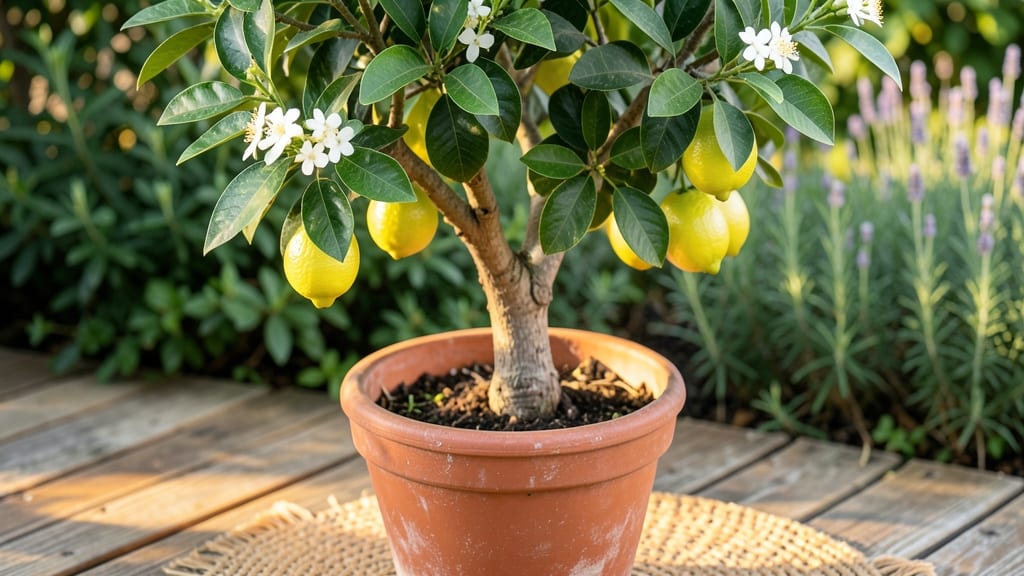
Growing lemon trees in pots isn't just possible—it's the secret to year-round citrus in apartments, patios, or tiny backyards. 🌱 I learned this after my first Meyer lemon tree in a 5-gallon pot produced fruit within two years, proving that dwarf varieties thrive with the right care.
The key isn't just sunlight or water; it's matching the pot size to the tree's growth stage and adjusting care as seasons shift.
You'll need a 15- to 25-gallon pot for mature trees (start smaller for young plants), well-draining citrus mix, and a sunny spot with at least 6-8 hours of light daily.
Indoor growers should supplement with a 14-hour grow light in winter—my tree in the living room needed this to avoid leaf drop. Watering's the tricky part: let the top 2 inches of soil dry between waterings, but never let roots sit in soggy soil.
By summer, you'll be harvesting small but sweet lemons, their bright yellow skins popping against the tree's glossy leaves. The scent alone—like sunshine in a pot—makes it worth the effort.
Prune in late winter to shape the tree and encourage new growth, and watch as it rewards you with harvests every 6-12 months once established.
Works equally well on balconies, in greenhouses, or even indoors—just adjust light and humidity. The only rule? Never let the roots outgrow their container. Here's how to keep your citrus happy all year.
📚 In This Guide
- What you need
- Instructions
- Tips and common mistakes
- Wrapping up and next steps
What you need
- ● Pot: A 5-gallon container (minimum) with drainage holes. Opt for terracotta or fabric pots for better airflow. (1 pot per tree)
- ● Well-draining potting mix: A blend of cactus/succulent mix (60%) + perlite/pumice (20%) + compost (20%). Avoid garden soil—it compacts and suffocates roots!
- ● Lemon tree: A dwarf Meyer lemon (Citrus × meyeri) or Eureka lemon variety (hardier for pots). Buy a 3–5-year-old tree from a nursery for faster fruiting.
- ● Drainage tray or saucer: To catch excess water and prevent messes.
- ● Fertilizer: Balanced liquid fertilizer (e.g., 10-10-10) for regular feeding.
- ● Citrus-specific fertilizer (high in nitrogen, potassium, and micronutrients like iron and zinc).
- ● Pruning shears: Sharp, clean bypass pruners (sterilize with rubbing alcohol between cuts).
- ○ Support stake or trellis: For young trees (optional but helpful for stability).
- ● Slow-release fertilizer pellets: Mix into soil at planting for steady nutrition.
- ● Mulch (e.g., pine bark or coconut coir): Helps retain moisture and regulate soil temperature.
- ● pH test kit: Lemons thrive in slightly acidic soil (pH 6.0–7.0). Adjust with lime if needed.
- ● Humidifier or pebble tray: Boosts humidity in dry climates (lemons love 50–70% humidity).
- ● Pollination aid: A soft paintbrush to hand-pollinate flowers if indoors.
- ● Grow lights (LED full-spectrum): Essential if growing indoors (12–16 hours of light/day).
Step-by-step instructions for cultivating a potted lemon tree
Here’s the foolproof method I’ve used to keep lemon trees thriving indoors—no greenhouse required.
🪴 Step 1: Choose the Right Pot and Drainage
Start with a 12-15 inch diameter pot with drainage holes—lemon trees despise soggy roots. I use unglazed terra cotta because it breathes and prevents root rot. If your pot lacks drainage, drill 4-6 holes in the bottom and line it with 1 inch of gravel or broken pottery to keep soil from clogging them.
Lemon trees need room to grow, so plan for 2-3 inches of extra space between the tree’s current root ball and the pot’s edge. A pot that’s too small stresses the tree, stunting growth and reducing fruit production. You’ll see roots circling the edges of the pot within 6-12 months—that’s your cue to upgrade to a larger container.
🌱 Step 2: Plant in Well-Draining Soil and Position for Light
Fill the pot with a mix of 50% cactus/succulent soil, 30% perlite, and 20% compost—this ensures fast drainage while retaining enough moisture. I avoid garden soil; it compacts and suffocates roots. Gently remove the tree from its nursery pot, loosen the root ball with your fingers, and place it in the center of the new container.
Lemon trees crave 6-8 hours of direct sunlight daily. A south-facing window is ideal, but if that’s not an option, supplement with a 14-hour LED grow light placed 12-18 inches away. Watch for leaves turning yellow or stems stretching toward the light—these are signs your tree isn’t getting enough brightness. Rotate the pot a quarter turn weekly to encourage even growth.
💧 Step 3: Water Deeply and Maintain Humidity
Water when the top 2 inches of soil feel dry—stick your finger in to check. Lemon trees hate soggy soil but also can’t handle drought. I water deeply until it drains from the bottom, then empty the saucer after 10 minutes to prevent root rot. Overwatering is the #1 killer of potted citrus, so when in doubt, wait a day longer.
Humidity is key, especially in dry climates. Place the pot on a pebble tray filled with water or mist the leaves 2-3 times weekly. You’ll notice brown leaf tips or curled edges when humidity drops—this is your tree’s way of saying, “I need more moisture in the air!” A small humidifier near the tree works wonders in winter.
✂️ Step 4: Prune and Fertilize for Healthy Growth
Prune in late winter or early spring before new growth starts. Cut back 1/3 of the longest branches to encourage bushier growth and better airflow. Use sterilized pruning shears and make cuts just above a leaf node. Avoid heavy pruning in fall—it stresses the tree before dormancy. You’ll see fresh, vibrant green leaves emerge within 2-3 weeks of pruning.
Feed every 4-6 weeks with a balanced citrus fertilizer (10-10-10 or similar). Dilute to half-strength to avoid burning roots. In winter, reduce feeding to once every 8-10 weeks—lemon trees enter a natural dormancy period. Yellow leaves or slow growth? You’re likely over- or under-fertilizing. Adjust based on the tree’s response.
🌿 Step 5: Encourage Flowering and Fruit Set
Lemon trees need consistent care for 2-3 years before flowering. Ensure temperatures stay between 60-80°F—cold drafts or sudden temperature drops shock the tree. If buds form but drop, it’s often due to low humidity or poor pollination. Gently shake the branches near flowers to help pollen spread, or use a small paintbrush to transfer pollen between blooms.
Once fruit appears, thin them to 4-6 per branch—overloading the tree weakens growth. Remove smaller or misshapen lemons first. You’ll know they’re ripe when they turn bright yellow and slightly soft to the touch. Harvest with clean pruners, twisting gently to avoid tearing the stem. Store at room temperature for up to 2 weeks or refrigerate for longer shelf life.
Tips & tricks for perfectly cultivated potted lemon trees
Here's what I've learned after watching lemon trees thrive in small spaces—these details make all the difference between a struggling plant and a fruit-bearing beauty.
Pot Selection Matters: While the instructions call for a 12-15 inch pot, consider upgrading to 18 inches if you want to push fruit production. I've found that lemon trees in slightly larger pots (with proper drainage) actually produce more fruit within 2-3 years. The key is maintaining that 2-3 inch gap between root ball and pot edge—this gives roots room to expand without becoming root-bound. For colder climates, add a layer of mulch around the pot's base to insulate roots during winter months.
Light Optimization: The 6-8 hours of direct sunlight is non-negotiable, but here's the secret: position your tree within 3 feet of the window during winter months when sunlight is weaker. I've seen trees with yellowing leaves simply because they weren't getting enough light during shorter winter days. If using grow lights, place them 12-18 inches away but adjust height as the tree grows—closer light = more intense growth but potential leaf burn. Rotate weekly as instructed, but also flip the pot 180 degrees every month to prevent lopsided growth toward the light.
Soil Science: That 50-30-20 soil mix is perfect, but here's what nobody tells you—sterilize your soil first! Heat it in the oven at 200°F for 30 minutes to kill any pathogens that could harm your tree. I also add a handful of worm castings to the mix for extra nutrients. When repotting after those 6-12 months, replace about 25% of the old soil with fresh mix to refresh nutrients without shocking the tree's root system.
Fertilizer Strategy: The 4-6 week feeding schedule works, but I've found that alternating between citrus fertilizer and a seaweed-based fertilizer every other feeding gives even better results. In winter, when you reduce to every 8-10 weeks, switch to a low-nitrogen fertilizer to support dormancy. Watch for salt buildup around the pot's edge—this is a sign you're over-fertilizing. If you see white crusty deposits, flush the soil with water until it drains clean from the bottom holes.
Pro Tips for Growing Lemon Tree In Pots
- Here's what I've learned after watching lemon trees thrive in small spaces—these details make all the difference between a struggling plant and a fruit-bearing beauty.
- Pot Selection Matters: While the instructions call for a 12-15 inch pot, consider upgrading to 18 inches if you want to push fruit production.
- Light Optimization: The 6-8 hours of direct sunlight is non-negotiable, but here's the secret: position your tree within 3 feet of the window during winter months when sunlight is weaker.
Frequently asked questions
about growing lemon trees in pots—because we’ve got your citrus curiosity covered!How often should I water my potted lemon tree?
Water your lemon tree when the top 1–2 inches of soil feel dry. In summer, this could mean watering every 2–3 days, while winter may require just once a week. Overwatering is the #1 killer—always use pots with drainage holes to prevent root rot. Pro tip: Stick your finger in the soil to check moisture levels!
Can I grow a lemon tree indoors year-round?
Lemon trees thrive indoors with 6+ hours of sunlight daily (south-facing windows or grow lights work best). Keep temps between 60–75°F and avoid drafts. Just be patient—indoor trees may take 3–5 years to bear fruit, but the fragrant blooms are worth the wait!
Why aren’t my lemon tree leaves turning yellow?
Yellow leaves usually signal overwatering, nutrient deficiency, or pests. Check the roots—if they’re mushy, reduce watering. For nutrients, fertilize every 2–3 months with citrus-specific food. Pest culprits? Spider mites or aphids. Spray with neem oil or insecticidal soap if needed. Quick fix: Trim yellow leaves to redirect energy!
What’s the best pot size for a lemon tree?
Start with a 5-gallon pot for young trees, then upgrade to 15–20 gallons as it matures (aim for 2–3 gallons per year of growth). Use lightweight, breathable pots like fabric or ceramic. Bonus: Add a saucer to catch drainage—lemon trees hate soggy feet!
Can I grow Meyer lemons instead of regular lemons in pots?
Yes! Meyer lemons are hardier, sweeter, and more compact—perfect for pots. They tolerate cooler temps (down to 20°F) and produce fruit faster than standard lemons. Just ensure they get full sun and regular pruning to encourage bushiness. Try it: Many gardeners swear by Meyer lemons for their dual-purpose (eating + decor) appeal!
Wrapping up and next steps
Growing a lemon tree in pots is not just possible—it’s a rewarding journey that brings a taste of sunshine to your space! With the right container, soil, sunlight, and care, you’ll enjoy fresh lemons year-round, even in small apartments or patios. 🌱🍋
Now that you’re armed with tips and answers to common questions, take the first step today—pick your pot, grab some soil, and let your citrus adventure begin! Whether you’re a beginner or a seasoned gardener, your lemon tree will thank you with sweet, tangy rewards.