
Trees
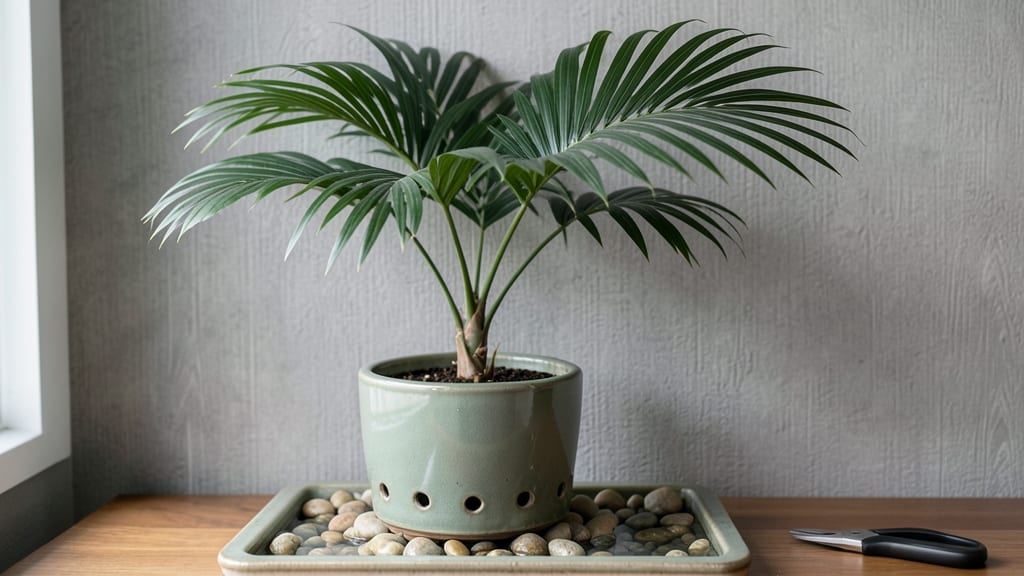
Growing a palm tree indoors isn't just possible—it's a game-changer for bringing tropical vibes to any space. 🌿 I remember the first time I brought home a small parlor palm and watched it thrive in my living room, proving that even apartments can host these elegant giants.
The key? Matching the right species to your light conditions and creating a microclimate that mimics its natural habitat.
You'll need a species suited for indoor life—think parlor palms, bamboo palms, or areca palms—along with a bright spot near a south or west window. A 5-10 gallon pot with drainage holes and a well-draining mix (equal parts potting soil, perlite, and peat moss) sets the foundation.
Most people overcomplicate this part, but the secret is simplicity: consistent moisture, not soggy soil, and occasional misting to keep humidity up.
Within 3-6 months, you'll see new fronds unfurling and that signature palm silhouette taking shape. The air stays fresher, the space feels more vibrant, and you'll finally have that "jungle retreat" vibe without leaving home.
The best part? These palms are forgiving—they'll tell you what they need through their leaves, not by dropping them overnight.
Whether you're in a sun-drenched condo or a north-facing office, we'll adapt the care routine to your space. Let's get that tropical dream growing—your future self (and houseplants) will thank you.
📚 In This Guide
- What you need
- Instructions
- Tips and common mistakes
- Wrapping up and next steps
What you need
- ● Palm tree sapling: Choose a dwarf variety (like Chamaedorea elegans or Dypsis lutescens) for indoor growth. Look for a healthy plant with vibrant green fronds and no brown spots.
- ● Pot: A container with drainage holes, 12–18 inches in diameter. Terracotta or ceramic works best—just ensure it’s sturdy enough for the plant’s growth.
- ● Well-draining potting mix: A blend of 50% peat moss or coconut coir, 30% perlite or pumice, and 20% sand or orchid bark. Avoid heavy garden soil!
- ● Drainage tray: A shallow tray to catch excess water and prevent root rot.
- ● Fertilizer: A balanced, water-soluble fertilizer (e.g., 10-10-10 or 20-20-20) or a slow-release palm-specific fertilizer.
- ○ Gloves: Optional but recommended for handling soil and sharp fronds.
- ● Spray bottle: For misting leaves and maintaining humidity.
- ○ Humidity tray or pebble tray: Optional, but great for adding moisture to the air.
- ○ Grow lights (LED or fluorescent): Optional for supplementing low-light conditions (12–16 hours/day).
- ● Bright, indirect light: A south- or west-facing window (or a spot near a grow light). Avoid harsh direct sunlight!
- ● Consistent warmth: Ideal temperature range: 65–85°F (18–29°C). Keep away from drafts or AC vents.
- ● Patience: Palm trees grow slowly—expect steady growth over months (or even years!).
Step-by-Step guide for cultivating indoor palm trees
Here's how to coax tropical beauty from a single palm—no greenhouse required.
🌱 Step 1: Select the Right Palm Species and Pot
Start with a palm suited for indoor conditions like the parlor palm (Chamaedorea elegans) or bamboo palm (Chamaedorea seifrizii)—both thrive in lower light and tolerate indoor humidity fluctuations. Avoid large species like the date palm; they need outdoor space.
Choose a glazed ceramic or plastic pot with drainage holes—terracotta dries too quickly and can stress roots. The pot should be 2-3 inches larger in diameter than the current root ball to allow growth without overcrowding. I like to use pots with feet or saucers to protect surfaces from salt buildup.
☀️ Step 2: Position for Optimal Light Exposure
Palms need bright, indirect light—think east or west-facing windows where sunlight is gentle. South-facing windows work if you place the plant 6-10 feet away to avoid harsh afternoon rays. You'll know the light is right when the fronds stay deep green and new growth appears uniformly colored.
If your space is dim, supplement with a grow light positioned 12-18 inches above the plant for 12-14 hours daily. Avoid LED bulbs with a color temperature over 5000K—they emit too much blue light, which can scorch fronds. Rotate the pot quarter-turn weekly so the plant grows evenly toward the light source.
💧 Step 3: Establish a Consistent Watering Routine
Water when the top 2 inches of soil feel dry to the touch—stick your finger in to check. Overwatering is the #1 killer of indoor palms; soggy roots lead to yellowing fronds and root rot. I use the "soak-and-drain" method: water thoroughly until it runs from the drainage holes, then empty the saucer after 10 minutes to prevent salt buildup.
In winter, when indoor air is dry, water every 7-10 days. In summer, you may need to water weekly, but always check soil moisture first. If the tips of fronds turn brown and crispy, it’s a sign of underwatering or low humidity—not overwatering, as many assume.
🪴 Step 4: Fertilize and Prune for Healthy Growth
Feed your palm monthly during spring and summer with a balanced liquid fertilizer (10-10-10 or 20-20-20) diluted to half-strength. Skip fertilizing in fall and winter—palms go dormant in cooler months. You’ll see new fronds emerge within 2-3 weeks of consistent feeding, signaling healthy growth.
Prune only dead or yellowing fronds at the base with sterilized pruning shears. Never cut healthy fronds—palms rely on them for photosynthesis. If a frond is brown only at the tips, trim just the damaged portion; if the entire frond is brown, remove it completely to redirect energy to new growth.
✂️ Step 5: Monitor and Adjust for Long-Term Health
Watch for spider mites or mealybugs—common pests that thrive in dry indoor air. Wipe fronds weekly with a damp cloth to remove dust and deter pests. If you spot tiny webs or cottony residue, treat with neem oil spray (mix 1 tsp neem oil + 1 tsp mild soap per quart of water) and reapply every 5-7 days until pests vanish.
Repot every 2-3 years or when roots circle the pot. Choose a pot only 2 inches larger—palms prefer being slightly root-bound. The best time to repot is early spring, when the plant is entering active growth. After repotting, hold off on fertilizing for 4-6 weeks to avoid burning tender new roots.
Tips & tricks for perfect indoor palm cultivation
Here's what nobody tells you about growing thriving palms indoors—details that make all the difference between a struggling plant and a lush tropical centerpiece.
Light Exposure: Position your palm near an east-facing window for the gentlest natural light, or use a grow light on a timer for 12-14 hours daily if natural light is insufficient. I've found that rotating the pot quarter-turn weekly prevents uneven growth toward light sources. Watch for fronds leaning—this is your plant's way of telling you it needs repositioning.
Soil and Drainage: The "soak-and-drain" method in Step 3 is crucial—don't skip emptying the saucer after 10 minutes. Salt buildup from mineral deposits can damage roots over time. I recommend using a well-draining potting mix formulated for palms or tropical plants, which prevents waterlogging that leads to yellowing fronds.
Fertilizer Timing: Monthly feeding during spring and summer is ideal, but timing matters. Apply fertilizer when you water, and always dilute to half-strength to avoid burning tender roots. I've noticed new fronds emerge within 2-3 weeks of consistent feeding—this is your plant's way of saying "thank you!" for the nutrients.
Pest Prevention: Weekly wiping of fronds with a damp cloth removes dust and deters pests before they become a problem. For neem oil treatment in Step 5, I've had success using a spray bottle for targeted application on affected areas. Always reapply every 5-7 days until pests vanish completely—patience is key here.
Pro Tips for Grow A Palm Tree Indoors
- Here's what nobody tells you about growing thriving palms indoors—details that make all the difference between a struggling plant and a lush tropical centerpiece.
- Light Exposure: Position your palm near an east-facing window for the gentlest natural light, or use a grow light on a timer for 12-14 hours daily if natural light is insufficient.
- Soil and Drainage: The "soak-and-drain" method in Step 3 is crucial—don't skip emptying the saucer after 10 minutes.
Frequently asked questions
Got questions about growing a palm tree indoors? You’re not alone! Here are some of the most common concerns—and their solutions—to help you nurture a thriving tropical beauty in your home.
Which palm tree varieties are best for indoor growing?
Opt for slow-growing, compact species like the Parlor Palm (Chamaedorea elegans) or Areca Palm (Dypsis lutescens). These adapt well to indoor light and humidity. Avoid large palms like the Coconut Palm, which need outdoor conditions. Start small—baby palms (6–12 inches) thrive in pots!
How long does it take for an indoor palm tree to grow?
Growth speed depends on species, care, and light. Most indoor palms grow 6–12 inches per year. With ideal conditions (bright, indirect light and consistent watering), you’ll see noticeable growth in 3–5 months. Patience is key—palms are slow but steady!
Why is my indoor palm tree turning yellow or brown?
Yellowing leaves often signal overwatering, while brown tips usually mean low humidity or underwatering. Check the soil—it should stay slightly moist but not soggy. Mist leaves weekly or place the pot on a pebble tray. If leaves droop, it may need more light or water.
Can I grow a palm tree indoors without sunlight?
Palms need bright, indirect light (e.g., near east/west windows). Without sunlight, they’ll grow leggy or weak. If your space is dim, supplement with a grow light (12–14 hours/day). Alternatively, choose shade-tolerant palms like the Bamboo Palm (Chamaedorea seifrizii).
What’s the easiest alternative if I can’t grow a real palm?
Try a Dracaena (Dragon Tree) or Yucca plant—they mimic palm’s tropical vibe with less fuss. For a low-maintenance option, faux palms are a great zero-effort alternative. If you love palms, consider a Monstera deliciosa (Swiss cheese plant) for a similar lush look!
Wrapping up and next steps
Growing a palm tree indoors isn’t just possible—it’s a rewarding journey that brings a touch of the tropics into your home! 🌴 With the right sunlight secrets, patience, and care, you’ll watch your little sapling thrive into a stunning centerpiece.
Start small, stay consistent, and soon you’ll enjoy the lush, green beauty of a palm tree year-round.
Ready to take the next step? Pick your favorite palm variety (like the Dwarf Date Palm or Parlor Palm), gather your supplies, and get growing! Share your progress with us—we’d love to see your indoor jungle flourish. 🌱