
Trees
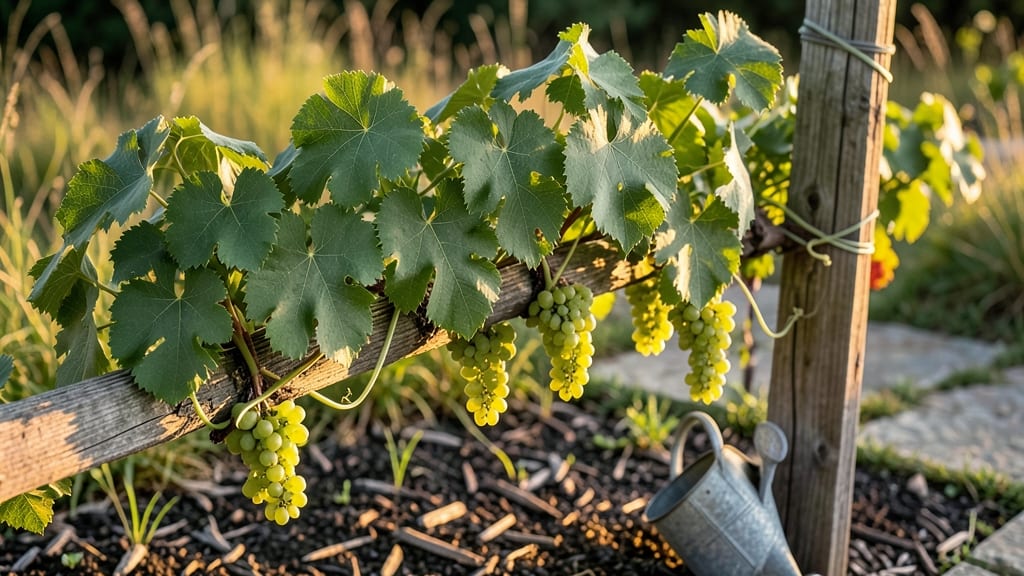
Growing a grape leaves tree isn’t just about vines—it’s about crafting a living tapestry of glossy foliage that thrives year-round. 🌿 I’ve learned the hard way that these plants reward patience with a dense, evergreen canopy that outshines most ornamentals.
The secret lies in mimicking their Mediterranean roots: well-draining soil, full sun, and strategic pruning to encourage that signature lushness.
Start with a hardy variety like ‘Petite Grape’ or ‘Thompson Seedless’—they handle pruning like pros and produce edible leaves or fruit. Plant in spring when roots can establish before summer heat, and space vines 8–10 feet apart to give them room to sprawl.
Water deeply once a week (more in drought), and feed with balanced fertilizer in early spring to fuel new growth.
📚 In This Guide
- What you need
- Instructions
- Tips and common mistakes
- Wrapping up and next steps
What you need
- ● Grapevine plant: Choose a healthy, disease-resistant variety (e.g., Vitis vinifera or Vitis labrusca) from a nursery. Opt for a 1-2 year old sapling for faster establishment.
- ● Well-draining soil: A mix of 60% topsoil, 30% compost, and 10% perlite/sand (pH 6.0–7.0). Test soil pH before planting.
- ● Sunlight access: A full-sun location (6+ hours of direct sunlight daily). Use a south-facing wall or trellis for vertical growth.
- ● Watering system: Drip irrigation kit (recommended) or a 5-gallon watering can with a long spout.
- ● Mulch (2–3 inches): Use wood chips or straw to retain moisture and suppress weeds.
- ● Support structure: Trellis or arbor (6–10 feet tall) for climbing varieties.
- ● Stakes or wires (if training the vine horizontally).
- ● Fertilizer: Balanced 10-10-10 fertilizer (1–2 tbsp per plant, applied in early spring).
- ● Organic options: Composted manure or fish emulsion (follow label instructions).
- ● Pruning tools: Bypass pruners (for clean cuts).
- ● Loppers (for thicker branches).
- ● Garden saw (for large limbs, if needed).
- ● Pest/disease control: Neem oil (1% solution) for aphids or powdery mildew.
- ● Copper spray (preventative for fungal issues).
- ● Soil moisture meter to monitor watering needs.
- ● Garden hose with adjustable nozzle for deep watering.
- ● Plant growth regulator (e.g., Paclobutrazol) to control vigorous growth.
- ● Shade cloth (30–50%) for young vines in hot climates.
- ● Grafting tools (if propagating from cuttings).
Step-by-step guide to cultivating a thriving grapevine tree
Here's how to coax a grapevine into that lush, year-round canopy you've been dreaming of.
🌱 Step 1: Select and Prepare the Planting Site
Grapevines need full sun—at least 6-8 hours daily—so choose a location with southern or western exposure. I always test the spot by watching how sunlight moves across it throughout the day. The soil should drain well, but retain moisture—grapevines hate soggy roots but need steady hydration.
Before planting, till the soil to a depth of 12-18 inches, breaking up any compacted layers. Mix in 2-3 inches of compost to improve fertility and structure. Grapevines have deep roots, so aerated soil is non-negotiable. If your soil is heavy clay, amend it with sand or perlite to prevent waterlogging. Here's the thing—grapevines are finicky about drainage, but they'll forgive you for almost anything else.
☀️ Step 2: Plant at the Right Time and Depth
Plant dormant bare-root grapevines in early spring, just as buds begin to swell, or in late fall when temperatures drop below 50°F. Dig a hole twice as wide as the root ball but only as deep—grapevines don't like being buried too deeply, which can suffocate the crown. Place the vine in the hole and spread the roots outward gently, ensuring they're not twisted or bent.
Backfill with native soil mixed with a handful of bone meal to encourage strong root development. Water deeply to settle the soil and eliminate air pockets. The top of the root ball should sit 1-2 inches above ground level—this prevents water from pooling around the base during heavy rains. Mulch with 3-4 inches of organic mulch (like wood chips) to retain moisture and regulate soil temperature. Real talk: Skipping the mulch step leads to soil crusting and poor root establishment.
💧 Step 3: Establish a Watering and Pruning Routine
Water newly planted grapevines deeply once a week during the first growing season, providing 1-2 gallons per plant. You'll know you're doing it right when water penetrates 12-18 inches deep—stick a screwdriver into the soil to check. Avoid overhead watering, which can spread fungal diseases like powdery mildew. Instead, use a soaker hose or drip irrigation to deliver water directly to the root zone.
Prune in late winter or early spring before buds break. Remove dead, diseased, or crossing branches, then thin the canopy to allow sunlight to penetrate. Aim to keep 4-6 main arms with well-spaced buds. I always prune to an outward-facing bud to encourage growth away from the trunk. This step is crucial—poor pruning leads to crowded canopies, which invite pests and reduce fruit production (if you're growing edible varieties).
✂️ Step 4: Maintain Year-Round for Lush Canopy Growth
Fertilize in early spring with a balanced, slow-release fertilizer (10-10-10) to support new growth. Apply ½ cup per year of vine maturity, working it into the soil around the drip line. Avoid high-nitrogen fertilizers, which promote leafy growth at the expense of fruit or structural strength. Grapevines are heavy feeders, but they don’t like sudden nutrient spikes.
Monitor for pests like Japanese beetles, spider mites, or aphids, which thrive in dense foliage. Spray with neem oil or insecticidal soap at the first sign of infestation. For fungal diseases, apply copper fungicide preventatively in spring and fall. Here’s where it gets fun—watch the vine respond to care. Within 2-3 seasons, you’ll see a dense, lush canopy if you’ve nailed the sun, water, and pruning balance.
Tips & tricks for perfect grapevine canopy growth
Took me a while to figure these out, so here’s how I guarantee that lush, year-round grapevine canopy you’re after.
Sunlight Strategy: That 6-8 hours of daily sun isn’t just a recommendation—it’s non-negotiable for grapevines. I test potential spots by tracking sunlight movement throughout the day, especially in winter when days are shorter. If you’re in a shadier climate, consider a trellis system to maximize vertical space for sunlight exposure. The more light your vine gets, the thicker and healthier those leaves will grow.
Soil Preparation Secret: When tilling that 12-18 inch depth, don’t just break up the soil—focus on creating vertical channels for roots to penetrate. I use a broadfork to aerate without disturbing the soil structure too much. For clay-heavy soils, mix in equal parts sand and perlite to create those tiny air pockets that roots crave. The goal is to mimic the natural loose soil grapevines thrive in.
Planting Depth Technique: That 1-2 inch elevation above ground level after planting is crucial—it prevents water from pooling at the base where the crown sits. I always use a level to check, and if I’m planting multiple vines, I mark the correct depth with stakes first. This small detail prevents root rot and ensures proper airflow around the base.
Watering Wisdom: Those 1-2 gallons per week need to penetrate 12-18 inches deep, which is why I always use a screwdriver test. If it slides in easily, you’re golden. For established vines, I switch to every 10-14 days during dry spells, but I always check soil moisture first. Overwatering is just as damaging as underwatering—grapevines hate soggy roots.
Pro Tips for Grape Leaves Tree
- Took me a while to figure these out, so here’s how I guarantee that lush, year-round grapevine canopy you’re after.
- Sunlight Strategy: That 6-8 hours of daily sun isn’t just a recommendation—it’s non-negotiable for grapevines.
- Soil Preparation Secret: When tilling that 12-18 inch depth, don’t just break up the soil—focus on creating vertical channels for roots to penetrate.
Frequently asked questions
Got questions about keeping your grape leaves tree thriving? We’ve got answers! Whether you’re a new grower or just curious about these versatile plants, here’s what you need to know.
How often should I prune my grape leaves tree for the best growth?
Prune your grape leaves tree once or twice a year, ideally in late winter or early spring before new growth starts. Light trimming in summer can encourage bushier foliage. Avoid heavy pruning in fall—it stresses the plant. Use clean, sharp pruners to prevent disease.
Can grape leaves trees survive winter frost? What’s the best protection?
Most grape leaves trees (like Vitis vinifera) are hardy to USDA zones 5–9. For colder climates, wrap the trunk in burlap or use frost cloth to shield leaves. Mulch the base with straw or wood chips to insulate roots. Young trees need extra care—consider container growing for mobility.
Are grape leaves edible? How do I harvest them safely?
Yes! Young, tender grape leaves are delicious in dolmas or salads. Harvest leaves in spring or early summer before they toughen. Use clean scissors to snip leaves just above a node. Avoid leaves with pests or mildew. Rinse thoroughly and blanch for 30 seconds to preserve color.
What’s the fastest way to fix yellowing leaves on my grape leaves tree?
Yellowing leaves often signal overwatering, nutrient deficiency, or pests. First, check soil moisture—grape leaves trees prefer well-draining soil. Fertilize with a balanced 10-10-10 mix in spring. Inspect for spider mites or aphids; treat with neem oil if needed. Prune affected leaves to redirect energy.
Can I grow grape leaves in containers? What’s the ideal setup?
Choose a 5-gallon pot or larger with drainage holes. Use a mix of potting soil and compost. Place in full sun (6+ hours daily). Dwarf varieties like ‘Thompson Seedless’ work best. Water when the top inch of soil is dry, and fertilize monthly during growing season. Rotate containers for even growth!
Wrapping up and next steps
Caring for your grape leaves tree is a rewarding journey that yields a stunning, year-round canopy—whether you’re growing them for shade, fruit, or ornamental beauty! 🌿 With the right soil, pruning techniques, and seasonal attention, you’ll enjoy lush vines and bountiful harvests for years to come.
The key is consistency: stay proactive with maintenance, and don’t hesitate to experiment with varieties to find the perfect fit for your climate.
Ready to take the next step? Start small—whether it’s planting a single vine or expanding your trellis system. Share your progress with fellow gardening enthusiasts or dive deeper into advanced techniques like grafting. Your grape leaves tree will thank you with vibrant growth and delicious rewards! 🍇